Spiti Valley Trip Guide: The Ultimate 7-Day Road Trip Itinerary for Himachal Pradesh
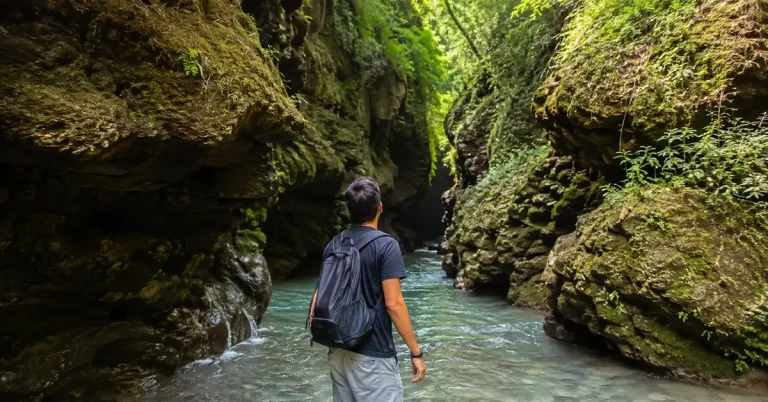
A Spiti Valley trip is unlike any other journey in India. Tucked away in the cold desert region of Himachal Pradesh, Spiti is a land of rugged mountains, ancient Buddhist monasteries, crystal-clear rivers, high-altitude villages, and dramatic landscapes that seem almost untouched by time. Every bend in the road reveals a new panorama, making the journey as memorable as the destination itself.
Unlike popular hill stations, Spiti is not about luxury or fast-paced sightseeing. It is about experiencing remote Himalayan villages, interacting with local communities, watching star-filled skies, and driving through some of the highest motorable roads in the country. Whether you’re traveling by motorcycle, SUV, or public transport, the adventure begins the moment you leave the plains behind.
Because of its high altitude and remote location, a successful Spiti Valley trip requires careful planning. Choosing the right season, allowing time for acclimatization, and understanding road conditions are just as important as deciding which places to visit.
This guide covers everything you need to plan your journey, including route planning, permits, accommodation, budgeting, transportation, and a practical day-wise itinerary.
Destination at a Glance
| Information | Details |
|---|---|
| Destination | Spiti Valley |
| State | Himachal Pradesh |
| Ideal Trip Duration | 7–8 Days |
| Best Time to Visit | May to October |
| Currency | Indian Rupee (₹) |
| Language | Hindi, English, Spitian, Tibetan Dialects |
| Time Difference | Not Applicable |
| Visa Requirement | No visa required for Indian citizens; foreign nationals should check current protected area requirements for specific routes if applicable |
| Suitable Travelers | Solo Travelers, Couples, Friends, Adventure Seekers, Photographers |
| Estimated Daily Budget | ₹2,500–7,000 per person |
Why Visit Spiti Valley?
Spiti Valley offers an experience that is completely different from traditional mountain destinations. Here, the landscape is dominated by barren mountains, turquoise rivers, centuries-old monasteries, and villages located at some of the highest inhabited altitudes in the world.
Reasons to visit include:
- Spectacular Himalayan landscapes
- Ancient Buddhist monasteries
- High-altitude villages
- Scenic road trips
- Stargazing
- Peaceful atmosphere
- Unique local culture
- Adventure driving
- Wildlife
- Incredible photography opportunities
The valley is ideal for travelers who enjoy road trips, nature, and offbeat destinations.
Best Time to Visit
The accessibility and experience of Spiti Valley vary greatly with the season.
Summer (May–June)
This is one of the best times to visit. Roads gradually reopen after winter, temperatures are pleasant, and snow remains visible on surrounding peaks.
Monsoon (July–August)
Although Spiti itself receives relatively little rainfall because it lies in a rain-shadow region, roads leading to the valley—especially via Kinnaur—can occasionally be affected by landslides. Travelers should check the latest road conditions before departure.
Autumn (September–October)
Many experienced travelers consider this the ideal season. The weather is generally stable, skies are exceptionally clear, and tourist crowds begin to decrease.
Winter (November–April)
Heavy snowfall closes several high mountain passes, particularly the Manali–Kaza route. Winter trips are possible only with careful planning and are best suited for experienced travelers prepared for extreme cold and limited services.
Weather
| Season | Temperature |
|---|---|
| Summer | 10°C–25°C |
| Monsoon | 8°C–20°C |
| Autumn | 0°C–18°C |
| Winter | -20°C–8°C |
Night temperatures can drop significantly even during summer, especially at higher elevations.
Ideal Trip Duration
For first-time visitors:
- 5 Days: Covers major attractions but can feel rushed.
- 7 Days: Ideal for exploring the valley comfortably while allowing time for acclimatization.
- 9–10 Days: Perfect if you also wish to include Chandratal Lake and return via the Manali route (subject to seasonal road openings).
Permit Information
For Indian citizens, no special permit is generally required to visit the main tourist destinations in Spiti Valley.
Foreign nationals should check the latest regulations before traveling, particularly if their itinerary includes border-sensitive areas where additional documentation may be required.
Always carry:
- Government-issued photo identification
- Multiple photocopies
- Vehicle registration documents (if self-driving)
- Driving licence
- Valid vehicle insurance
How to Reach Spiti Valley
There are two popular road routes.
Via Shimla (Recommended for Acclimatization)
Delhi → Shimla → Narkanda → Sangla/Kalpa → Nako → Tabo → Kaza
Advantages:
- Gradual altitude gain
- Better acclimatization
- Roads usually open earlier in the season
Via Manali
Delhi → Manali → Rohtang Pass (or Atal Tunnel route depending on road status) → Kunzum Pass → Kaza
Advantages:
- Shorter route to Kaza
- Dramatic mountain scenery
Disadvantages:
- Rapid altitude gain increases the risk of altitude sickness.
- The route is seasonal and typically remains closed during winter.
Nearest Airport
The nearest major airport is Bhuntar Airport (Kullu), approximately 240 km from Kaza.
However, many travelers prefer beginning their journey from Shimla or Manali by road because public transport and rental vehicles are more easily available.
Currency
The official currency is the Indian Rupee (₹).
Although digital payments are accepted at some hotels and cafés, internet connectivity can be unreliable.
Carry sufficient cash, particularly before entering remote sections of the valley.
ATMs are available in Kaza but may occasionally run out of cash during peak season.
Mobile Network & Internet
Connectivity in Spiti is limited compared to other tourist destinations.
Mobile Networks
- BSNL – Widest coverage across remote villages
- Jio – Available in parts of Kaza and selected locations
- Airtel – Works in Kaza and a few nearby areas
Expect limited or no signal while traveling between villages and high mountain passes.
Internet speeds are generally slow and weather-dependent.
Safety Tips
Spiti Valley is considered a safe destination, but its high altitude and remote terrain require extra preparation.
- Ascend gradually to reduce the risk of altitude sickness.
- Stay hydrated and avoid excessive physical exertion on your first day at higher elevations.
- Carry essential medicines and a basic first-aid kit.
- Fill your fuel tank whenever possible, as petrol pumps are limited.
- Avoid driving after sunset because of narrow roads, falling rocks, and limited visibility.
- Check weather and road conditions before crossing high passes.
- Inform someone about your travel itinerary if heading to remote areas.
Estimated Travel Budget
Solo Traveler
| Expense | Approximate Daily Cost |
|---|---|
| Hotel/Homestay | ₹1,000–2,000 |
| Food | ₹600–1,000 |
| Local Transport | ₹600–1,500 |
| Sightseeing | ₹300–700 |
| Total | ₹2,500–5,200 |
Couple
| Expense | Approximate Daily Cost |
|---|---|
| Accommodation | ₹2,000–4,000 |
| Food | ₹1,200–2,000 |
| Transport | ₹1,500–3,000 |
| Sightseeing | ₹600–1,200 |
| Total | ₹5,300–10,200 |
Family (4 Members)
| Expense | Approximate Daily Cost |
|---|---|
| Hotel | ₹4,000–7,000 |
| Food | ₹2,500–4,000 |
| Transport | ₹3,000–5,000 |
| Sightseeing | ₹1,200–2,000 |
| Total | ₹10,700–18,000 |
Group Travelers
Traveling with friends helps reduce transportation and accommodation costs.
Average daily budget:
₹2,500–4,500 per person
7-Day Spiti Valley Itinerary
Day 1 – Shimla to Kalpa
The first day focuses on gradually gaining altitude, helping your body acclimatize before entering the higher regions of Spiti Valley.
Day Overview
| Details | Information |
|---|---|
| Total Distance | Approximately 230 km |
| Travel Time | 7–8 Hours |
| Transportation | Private Car, Motorcycle, Taxi |
| Estimated Transport Cost | ₹1,500–3,500 per person (shared vehicle basis) |
| Approximate Daily Budget | ₹3,000–5,500 |
| Suggested Hotel Area | Kalpa |
| Suggested Restaurants | Local Himachali Dhabas, Hotel Restaurant in Kalpa |
Morning
- Depart from Shimla.
- Drive through Narkanda and Rampur.
Afternoon
- Continue towards Reckong Peo.
- Reach Kalpa.
Evening
- Enjoy sunset views of Kinnaur Kailash.
- Rest and acclimatize.
Attraction 1: Kalpa
Located at an altitude of approximately 2,960 meters, Kalpa is a peaceful Himalayan village known for its breathtaking views of the Kinnaur Kailash Range, apple orchards, and traditional wooden houses.
Attraction Information
| Details | Information |
|---|---|
| Location | Kinnaur District |
| Google Rating | Approximately 4.8/5 |
| Approximate Reviews | 9,000+ |
| Entry Fee | Free |
| Opening Hours | Open Throughout the Day |
| Recommended Visit Duration | Overnight Stay |
| Best Time | May–October |
| How to Reach | By Road from Shimla |
| Approximate Transport Cost | Included in road journey |
| Practical Travel Tip | Spend the night here rather than driving directly to Kaza. The lower altitude helps your body adjust gradually before entering higher elevations. |
Why Visit?
Kalpa is famous for:
- Snow-capped mountain views
- Apple orchards
- Traditional villages
- Sunrise photography
- Peaceful atmosphere
It offers one of the most spectacular introductions to the Himalayan landscape before entering Spiti Valley.
Historical Significance
Kalpa has been an important settlement along the ancient Hindustan–Tibet trade route and continues to preserve the cultural traditions of the Kinnaur region.
Photography Opportunities
- Kinnaur Kailash
- Sunrise
- Apple orchards
- Wooden houses
- Himalayan landscapes
Attraction 2: Kinnaur Kailash Viewpoint
One of the highlights of Kalpa is the magnificent view of the Kinnaur Kailash Range, considered sacred in Hindu and Buddhist traditions.
Attraction Information
| Details | Information |
|---|---|
| Location | Kalpa |
| Google Rating | Approximately 4.8/5 |
| Approximate Reviews | 5,000+ |
| Entry Fee | Free |
| Opening Hours | Open Throughout the Day |
| Recommended Visit Duration | 30–60 Minutes |
| Best Time | Sunrise |
| How to Reach | Walking or Short Drive |
| Approximate Transport Cost | Minimal |
| Practical Travel Tip | Visit early in the morning when the peaks are usually clearest before clouds develop later in the day. |
Why Visit?
The viewpoint offers panoramic views of:
- Kinnaur Kailash Peak
- Snow-covered mountains
- Pine forests
- Traditional villages
- Sunrise over the Himalayas
It is one of the finest photography locations on the Shimla–Spiti route and provides a peaceful introduction to the landscapes that define the journey ahead.
Day 2 – Kalpa to Tabo via Nako
The second day takes you deeper into the Himalayas as you officially enter the Spiti region. The drive passes dramatic mountain roads, deep valleys, ancient villages, and the Indo-Tibetan landscape that makes Spiti one of India’s most spectacular road trip destinations.
This route includes one of the oldest continuously inhabited villages in the region—Nako—before ending at Tabo, home to one of the oldest Buddhist monasteries in the Himalayas.
Day Overview
| Details | Information |
|---|---|
| Total Distance | Approximately 185 km |
| Travel Time | 6–7 Hours |
| Transportation | Private Car, Motorcycle, Taxi |
| Estimated Transport Cost | ₹1,500–3,000 per person (shared vehicle basis) |
| Approximate Daily Budget | ₹3,000–5,000 |
| Suggested Hotel Area | Tabo |
| Suggested Restaurants | Tabo Homestays, Local Cafés, Small Tibetan Restaurants |
Morning
- Leave Kalpa after breakfast.
- Drive through Pooh and Khab.
- Cross the confluence of the Sutlej and Spiti Rivers.
Afternoon
- Explore Nako Village.
- Continue towards Tabo.
Evening
- Visit Tabo Monastery.
- Stay overnight in Tabo for better acclimatization.
Attraction 3: Nako Village
Perched at an altitude of around 3,660 meters, Nako is one of the most picturesque villages on the Spiti route. Surrounded by barren mountains and centered around a tranquil high-altitude lake, it provides an ideal stop before reaching Tabo.
Attraction Information
| Details | Information |
|---|---|
| Location | Kinnaur District, Himachal Pradesh |
| Google Rating | Approximately 4.7/5 |
| Approximate Reviews | 6,000+ |
| Entry Fee | Free |
| Opening & Closing Timings | Open Throughout the Day |
| Recommended Visit Duration | 1–2 Hours |
| Best Time to Visit | May–October |
| How to Reach | By Road from Kalpa or Tabo |
| Approximate Transport Cost | Included in road journey |
| Practical Travel Tip | Walk slowly around the village because the altitude is considerably higher than Kalpa. Drink plenty of water and avoid strenuous activity. |
Why Visit?
Nako is famous for its peaceful atmosphere and traditional Himalayan lifestyle.
Highlights include:
- Nako Lake
- Ancient monastery
- Mud-brick houses
- Apple and apricot orchards
- Beautiful mountain scenery
Unlike larger tourist destinations, Nako remains relatively untouched, offering visitors an authentic glimpse of life in the high Himalayas.
Historical Significance
Nako has been part of the ancient trade route connecting India with Tibet. Its monastery, believed to be over a thousand years old, reflects the strong Buddhist heritage of the region.
Ideal Travelers
- Road trip enthusiasts
- Nature lovers
- Photographers
- Cultural explorers
- Solo travelers
Approximate Budget
| Expense | Approximate Cost |
|---|---|
| Entry | Free |
| Tea & Snacks | ₹150–300 |
| Lunch | ₹300–600 |
Photography Opportunities
- Nako Lake
- Village Streets
- Snow-capped Peaks
- Prayer Flags
- Sunrise and Sunset
Pros
- Peaceful environment
- Scenic lake
- Authentic Himalayan village
- Excellent photography
Cons
- Limited accommodation
- Basic tourist facilities
- High altitude may affect some visitors
Attraction 4: Tabo Monastery
Known as the “Ajanta of the Himalayas,” Tabo Monastery is one of the oldest continuously operating Buddhist monasteries in India. Founded in 996 CE, it is famous for its ancient murals, clay sculptures, and remarkable spiritual significance.
Attraction Information
| Details | Information |
|---|---|
| Location | Tabo, Spiti Valley |
| Google Rating | Approximately 4.8/5 |
| Approximate Reviews | 8,000+ |
| Entry Fee | Generally Free (Donations Appreciated) |
| Opening & Closing Timings | Approximately 6:00 AM–6:00 PM |
| Recommended Visit Duration | 1–2 Hours |
| Best Time to Visit | Morning or Late Afternoon |
| How to Reach | Walking from Tabo Village |
| Approximate Transport Cost | Minimal |
| Practical Travel Tip | Dress modestly, speak softly inside prayer halls, and avoid flash photography where prohibited. Respect ongoing prayers and monastery rules. |
Why Visit?
Tabo Monastery is renowned for:
- Ancient Buddhist murals
- Historic scriptures
- Meditation halls
- Clay sculptures
- Monastic life
- Peaceful atmosphere
Unlike many monasteries that have been rebuilt over time, Tabo has preserved much of its original architecture, making it one of the most culturally important sites in the Himalayas.
Historical Significance
Established more than 1,000 years ago, Tabo Monastery has served as a major center of Buddhist learning and meditation. It is considered one of the oldest functioning monasteries in the Himalayan region and has immense archaeological and religious value.
Ideal Travelers
- History enthusiasts
- Spiritual travelers
- Photographers
- Families
- Solo travelers
Approximate Budget
| Expense | Approximate Cost |
|---|---|
| Entry | Free |
| Donation | Optional |
| Nearby Refreshments | ₹200–500 |
Photography Opportunities
- Prayer Wheels
- Ancient Courtyards
- Mud Architecture
- Monastery Exterior
- Himalayan Landscape
Pros
- Over 1,000 years old
- Rich cultural heritage
- Peaceful atmosphere
- Exceptional architecture
Cons
- Photography restrictions inside some prayer halls
- Limited facilities around the monastery
Day 3 – Tabo to Kaza via Dhankar
Today’s route is shorter, allowing plenty of time to explore two of Spiti’s most remarkable attractions: Dhankar Monastery and Dhankar Lake. The drive offers breathtaking views of deep valleys, rugged mountains, and the winding Spiti River.
Day Overview
| Details | Information |
|---|---|
| Total Distance | Approximately 65 km (excluding the Dhankar Lake hike) |
| Travel Time | Around 3–4 Hours |
| Transportation | Private Car, Motorcycle |
| Estimated Transport Cost | ₹800–1,500 |
| Approximate Daily Budget | ₹2,500–4,500 |
| Suggested Hotel Area | Kaza |
| Suggested Restaurants | Sol Café, The Himalayan Café, Local Tibetan Restaurants |
Morning
- Visit Dhankar Monastery.
- Explore the surrounding viewpoints.
Afternoon
- Trek to Dhankar Lake.
- Continue towards Kaza.
Evening
- Check into your hotel in Kaza.
- Explore the local market and rest.
Attraction 5: Dhankar Monastery
Perched dramatically on a cliff overlooking the confluence of the Spiti and Pin Rivers, Dhankar Monastery is one of the most spectacular monasteries in Himachal Pradesh.
Attraction Information
| Details | Information |
|---|---|
| Location | Dhankar Village |
| Google Rating | Approximately 4.8/5 |
| Approximate Reviews | 7,000+ |
| Entry Fee | Free (Donations Appreciated) |
| Opening & Closing Timings | Approximately 6:00 AM–6:00 PM |
| Recommended Visit Duration | 1–1.5 Hours |
| Best Time to Visit | Morning |
| How to Reach | Short uphill walk from the parking area |
| Approximate Transport Cost | Included in road journey |
| Practical Travel Tip | Wear shoes with good grip, as the path to the monastery and viewpoints includes uneven terrain and steps. |
Why Visit?
Dhankar Monastery is famous for:
- Cliff-top location
- Ancient Buddhist temple
- Panoramic valley views
- Traditional architecture
- Peaceful meditation atmosphere
Its dramatic setting makes it one of the most photographed monasteries in Spiti Valley.
Historical Significance
Once the capital of the Spiti Kingdom, Dhankar served as an important administrative and religious center. The monastery, believed to be over a thousand years old, continues to house monks and priceless Buddhist artifacts.
Photography Opportunities
- Cliffside monastery
- Spiti River
- Pin River confluence
- Mountain landscapes
- Sunrise views
Pros
- Outstanding location
- Rich history
- Incredible viewpoints
- Less crowded than many Himalayan attractions
Cons
- Steep walk
- Limited facilities nearby
Attraction 6: Dhankar Lake
Located approximately 2 km uphill from Dhankar Monastery, Dhankar Lake is a pristine high-altitude lake surrounded by barren mountains. The moderately challenging trek rewards visitors with one of the most peaceful landscapes in Spiti Valley.
Attraction Information
| Details | Information |
|---|---|
| Location | Above Dhankar Village |
| Google Rating | Approximately 4.8/5 |
| Approximate Reviews | 3,500+ |
| Entry Fee | Free |
| Opening & Closing Timings | Open Throughout the Day |
| Recommended Visit Duration | 2–3 Hours (including trek) |
| Best Time to Visit | May–October |
| How to Reach | Trek from Dhankar Village |
| Approximate Transport Cost | Trek Only |
| Practical Travel Tip | Start early in the day, carry sufficient drinking water, wear sturdy trekking shoes, and avoid rushing if you are not fully acclimatized to the altitude. |
Why Visit?
Dhankar Lake offers:
- Crystal-clear alpine waters
- Stunning mountain scenery
- Peaceful surroundings
- Excellent birdwatching opportunities
- One of the best short treks in Spiti
The combination of the monastery below and the lake above makes Dhankar one of the highlights of any Spiti Valley itinerary.
Ideal Travelers
- Trekkers
- Nature lovers
- Photographers
- Adventure travelers
Approximate Budget
| Expense | Approximate Cost |
|---|---|
| Entry | Free |
| Snacks & Water | ₹200–400 |
Photography Opportunities
- Alpine Lake
- Mountain Reflections
- Panoramic Valley Views
- Wildflowers (seasonal)
- Sunrise and Late Afternoon Light
Pros
- Beautiful trekking destination
- Peaceful atmosphere
- Excellent photography
- Free to visit
Cons
- Moderate uphill hike
- High altitude can make the trek more demanding
- Limited shade along the trail
Day 4 – Exploring Kaza, Key Monastery & Kibber
After two days of gradual acclimatization, you’re ready to explore the heart of Spiti Valley. Kaza, situated at an altitude of approximately 3,650 meters, serves as the valley’s administrative and tourism hub. Today’s journey covers the world-famous Key Monastery, the picturesque village of Kibber, and local markets in Kaza.
Day Overview
| Details | Information |
|---|---|
| Total Distance | Approximately 45 km |
| Travel Time | 2–3 Hours |
| Transportation | Private Car, Motorcycle, Taxi |
| Estimated Transport Cost | ₹800–1,500 |
| Approximate Daily Budget | ₹2,500–4,500 |
| Suggested Hotel Area | Kaza Market |
| Suggested Restaurants | Sol Café, The Himalayan Café, Taste of Spiti, Yak Café |
Morning
- Visit Key Monastery.
- Enjoy panoramic mountain views.
Afternoon
- Explore Kibber Village.
- Visit Kibber Wildlife Sanctuary viewpoint.
Evening
- Walk through Kaza Market.
- Shop for souvenirs.
- Relax and prepare for the next day’s high-altitude excursion.
Attraction 7: Key Monastery
Perched dramatically on a hilltop overlooking the Spiti River, Key Monastery is the largest and most famous monastery in Spiti Valley. Its layered white buildings resemble a fortress, making it one of the most photographed landmarks in Himachal Pradesh.
Attraction Information
| Details | Information |
|---|---|
| Location | Near Kaza |
| Google Rating | Approximately 4.8/5 |
| Approximate Reviews | 17,000+ |
| Entry Fee | Free (Donations Appreciated) |
| Opening & Closing Timings | Approximately 6:00 AM–6:00 PM |
| Recommended Visit Duration | 1.5–2 Hours |
| Best Time to Visit | Morning |
| How to Reach | 14 km from Kaza by road |
| Approximate Transport Cost | ₹300–800 (shared taxi or self-drive fuel cost) |
| Practical Travel Tip | Spend some time interacting with the resident monks if possible. Many visitors enjoy the traditional butter tea served to guests. |
Why Visit?
Key Monastery is famous for:
- Spectacular hilltop location
- Ancient Buddhist manuscripts
- Prayer halls
- Tibetan architecture
- Stunning mountain views
- Peaceful atmosphere
It offers an excellent introduction to Tibetan Buddhist culture while providing some of the best panoramic views in the valley.
Historical Significance
Believed to be over 1,000 years old, Key Monastery has survived invasions, earthquakes, and fires. It remains an active center of Buddhist learning and houses valuable murals, scriptures, and ancient religious artifacts.
Ideal Travelers
- Families
- Couples
- Solo travelers
- Spiritual seekers
- Photographers
Approximate Budget
| Expense | Approximate Cost |
|---|---|
| Entry | Free |
| Donation | Optional |
| Tea & Snacks | ₹150–300 |
Photography Opportunities
- Hilltop Monastery
- Prayer Flags
- Spiti Valley
- Snow-covered Peaks
- Monastery Courtyard
Pros
- Iconic Spiti attraction
- Excellent viewpoints
- Rich Buddhist heritage
- Easy road access
Cons
- Crowded during peak tourist season
- Limited parking during holidays
Attraction 8: Kibber Village
Located at an altitude of approximately 4,270 meters, Kibber is one of the world’s highest permanently inhabited villages connected by a motorable road. The village offers stunning Himalayan landscapes, traditional mud houses, and opportunities to spot Himalayan wildlife.
Attraction Information
| Details | Information |
|---|---|
| Location | Near Kaza |
| Google Rating | Approximately 4.7/5 |
| Approximate Reviews | 8,000+ |
| Entry Fee | Free |
| Opening & Closing Timings | Open Throughout the Day |
| Recommended Visit Duration | 1–2 Hours |
| Best Time to Visit | May–October |
| How to Reach | 18 km from Kaza |
| Approximate Transport Cost | ₹400–800 |
| Practical Travel Tip | The altitude is significantly higher than Kaza. Walk slowly and stay hydrated to reduce the chances of altitude sickness. |
Why Visit?
Kibber is known for:
- High-altitude scenery
- Traditional Himalayan homes
- Snow leopard habitat (winter)
- Wildlife sanctuary
- Scenic roads
The peaceful surroundings make it an excellent destination for nature lovers and photographers.
Photography Opportunities
- Whitewashed village houses
- Himalayan peaks
- Valley landscapes
- Traditional village life
- Star-filled night skies
Pros
- Beautiful village
- Excellent mountain views
- Rich local culture
- Wildlife opportunities
Cons
- Basic tourist facilities
- High altitude may affect some travelers
Day 5 – Hikkim, Komic & Langza Circuit
Today’s journey explores three of the most iconic villages in Spiti Valley. These villages are connected by one of the most scenic high-altitude roads in India and offer a fascinating combination of Buddhist culture, fossils, and Himalayan landscapes.
Attraction 9: Hikkim
Hikkim is internationally famous for housing one of the world’s highest post offices.
Attraction Information
| Details | Information |
|---|---|
| Location | Near Kaza |
| Google Rating | Approximately 4.8/5 |
| Approximate Reviews | 11,000+ |
| Entry Fee | Free |
| Opening & Closing Timings | Generally 9:00 AM–5:00 PM (post office hours may vary on Sundays and public holidays) |
| Recommended Visit Duration | 30–45 Minutes |
| Best Time to Visit | May–October |
| How to Reach | By Road from Kaza |
| Approximate Transport Cost | ₹500–900 |
| Practical Travel Tip | Purchase postcards locally and mail them from Hikkim as a memorable souvenir of your trip. |
Why Visit?
Visitors come to Hikkim for:
- Historic post office
- High-altitude experience
- Beautiful landscapes
- Traditional village atmosphere
Posting a postcard from here has become a popular tradition among travelers.
Attraction 10: Komic Village
Situated at an altitude of approximately 4,587 meters, Komic is among the highest motorable villages in the world.
Attraction Information
| Details | Information |
|---|---|
| Location | Near Hikkim |
| Google Rating | Approximately 4.8/5 |
| Approximate Reviews | 6,000+ |
| Entry Fee | Free |
| Opening & Closing Timings | Open Throughout the Day |
| Recommended Visit Duration | 1 Hour |
| Best Time to Visit | May–October |
| How to Reach | Road from Hikkim |
| Approximate Transport Cost | Included in village circuit |
| Practical Travel Tip | Avoid running or climbing steep slopes because of the thin air. Even simple physical activity can feel demanding at this altitude. |
Why Visit?
Komic is known for:
- Tangyud Monastery
- High-altitude landscapes
- Traditional lifestyle
- Peaceful atmosphere
- Spectacular mountain views
Attraction 11: Langza Village
Known as the Fossil Village of Spiti, Langza offers visitors the opportunity to discover marine fossils dating back millions of years, reminding us that this Himalayan region was once beneath an ancient ocean.
Attraction Information
| Details | Information |
|---|---|
| Location | Near Kaza |
| Google Rating | Approximately 4.8/5 |
| Approximate Reviews | 7,500+ |
| Entry Fee | Free |
| Opening & Closing Timings | Open Throughout the Day |
| Recommended Visit Duration | 1–2 Hours |
| Best Time to Visit | May–October |
| How to Reach | Road from Komic |
| Approximate Transport Cost | Included in village circuit |
| Practical Travel Tip | Avoid removing fossils from protected areas. Purchase legally sourced fossil replicas or local handicrafts instead to support the community. |
Why Visit?
Langza is famous for:
- Giant Buddha Statue
- Fossil discoveries
- Mountain landscapes
- Traditional mud houses
- Peaceful surroundings
Photography Opportunities
- Giant Buddha Statue
- Snow-capped mountains
- Traditional homes
- Fossil-rich landscapes
- Sunrise and sunset
Day 6 – Chandratal Lake (Seasonal)
If the Kunzum Pass–Chandratal road is open (typically from June to October, depending on snowfall and road conditions), dedicate a day to visiting one of the most beautiful high-altitude lakes in India.
Attraction 12: Chandratal Lake
Meaning “Lake of the Moon,” Chandratal is renowned for its crystal-clear blue waters and breathtaking Himalayan setting at an altitude of approximately 4,300 meters.
Attraction Information
| Details | Information |
|---|---|
| Location | Lahaul–Spiti Region |
| Google Rating | Approximately 4.9/5 |
| Approximate Reviews | 24,000+ |
| Entry Fee | Free |
| Opening & Closing Timings | Open Throughout the Day (subject to seasonal accessibility) |
| Recommended Visit Duration | 2–3 Hours |
| Best Time to Visit | Mid-June to Early October |
| How to Reach | Drive to the designated parking area followed by a short walk to the lake |
| Approximate Transport Cost | ₹1,500–3,000 (shared taxi or fuel costs) |
| Practical Travel Tip | Carry warm clothing even during summer. Weather can change rapidly, and nighttime temperatures near Chandratal often fall close to freezing. Camping is permitted only in designated areas away from the lake. |
Why Visit?
Chandratal Lake is one of the highlights of any Spiti Valley itinerary.
Visitors are drawn by:
- Turquoise alpine lake
- Snow-covered mountains
- Camping
- Stargazing
- Himalayan wildlife
- Peaceful atmosphere
Its changing shades of blue throughout the day make it a favorite among photographers.
Historical & Cultural Significance
According to local folklore, Chandratal is associated with the Mahabharata and is believed to be the place where Yudhishthira ascended to heaven in Indra’s celestial chariot.
Photography Opportunities
- Reflection photography
- Milky Way (clear nights)
- Sunrise
- Sunset
- Mountain landscapes
- Campsites
Pros
- One of India’s most beautiful alpine lakes
- Outstanding camping experience
- Incredible night sky photography
- Peaceful natural setting
Cons
- Seasonal accessibility
- Basic facilities
- Cold temperatures even in summer
- High altitude requires proper acclimatization
Day 7 – Return Journey
Begin your return journey either:
- Via Manali (if Kunzum Pass and connecting roads are open), or
- Via the Shimla–Kinnaur route, which is generally preferred earlier and later in the travel season due to more reliable road accessibility.
Plan sufficient travel time, drive cautiously on mountain roads, and keep your fuel tank topped up before leaving Kaza, as fuel stations are limited along the route.
Recommended Hotels in Spiti Valley
Accommodation in Spiti Valley is simple yet comfortable. Instead of large luxury resorts, the valley is known for family-run homestays, boutique guesthouses, and small hotels that provide warm hospitality and authentic local experiences. Booking in advance is strongly recommended during the peak season (May–October).
Budget Accommodation (₹1,000–2,500 per Night)
| Area | Approximate Price |
|---|---|
| Kaza | ₹1,200–2,500 |
| Tabo | ₹1,000–2,000 |
| Kalpa | ₹1,200–2,500 |
| Nako | ₹1,000–2,000 |
Best For
- Backpackers
- Solo travelers
- Students
- Budget-conscious couples
Most budget accommodations include clean rooms, hot meals, and basic Wi-Fi where connectivity is available.
Mid-Range Hotels (₹2,500–5,500 per Night)
| Area | Approximate Price |
|---|---|
| Kaza | ₹3,000–5,500 |
| Kalpa | ₹3,000–5,000 |
| Tabo | ₹2,500–4,500 |
Best For
- Families
- Couples
- Small groups
These properties usually offer attached bathrooms, parking, hot water, room heating (seasonal), and comfortable dining facilities.
Premium Hotels & Boutique Stays (₹5,500–12,000+ per Night)
| Area | Approximate Price |
|---|---|
| Kaza | ₹6,000–12,000+ |
| Kalpa | ₹5,500–10,000 |
| Luxury Camps (Seasonal) | ₹6,000–12,000 |
Best For
- Honeymooners
- Luxury travelers
- Photography enthusiasts
Luxury options remain limited compared to mainstream tourist destinations, but boutique stays often compensate with exceptional views and personalized hospitality.
Must-Try Local Food
Spitian cuisine is simple, nutritious, and perfectly suited to the cold climate. Many dishes are influenced by Tibetan culinary traditions and are prepared using locally grown ingredients.
Popular dishes include:
- Thukpa (noodle soup)
- Tingmo (steamed Tibetan bread)
- Momos
- Thenthuk
- Butter Tea
- Tsampa (roasted barley flour)
- Skyu
- Chhurpi (local cheese)
- Yak Milk Products (where available)
- Traditional Himachali Thali
Local cafés in Kaza also serve North Indian, Italian, and continental dishes.
Vegetarian Options
Vegetarian travelers will have no difficulty finding suitable meals.
Popular vegetarian dishes include:
- Vegetable Momos
- Veg Thukpa
- Tingmo with Vegetable Curry
- Rajma Rice
- Dal-Chawal
- Mixed Vegetable Curry
- Paneer Dishes
- Tibetan Bread with Jam
- Fried Rice
- Noodles
Most hotels and homestays are happy to prepare simple vegetarian meals on request.
Shopping Guide
Shopping in Spiti is more about supporting local artisans than buying luxury products.
What to Buy
- Handmade woollen shawls
- Yak wool products
- Prayer flags
- Prayer wheels
- Buddhist souvenirs
- Handcrafted jewellery
- Local herbal tea
- Sea buckthorn products
- Handmade wooden items
- Traditional caps
- Organic apricot products
Best Shopping Areas
| Location | Famous For |
|---|---|
| Kaza Market | Souvenirs & Handicrafts |
| Tabo | Prayer Flags & Local Art |
| Monastery Shops | Religious Items |
| Local Villages | Handmade Woollen Products |
Bargaining Tips
- Bargaining is limited and generally modest.
- Prices for handmade products reflect the effort of local artisans.
- Purchasing directly from villagers helps support the local economy.
Hidden Gems
Beyond the well-known attractions, Spiti Valley has several lesser-known places that reward curious travelers.
Pin Valley National Park
Known for its dramatic landscapes, rare wildlife, and snow leopard habitat, Pin Valley is ideal for nature lovers and trekkers.
Gue Village
Home to the naturally preserved mummy of a Buddhist monk believed to be over 500 years old, Gue is one of Spiti’s most unusual cultural attractions.
Chicham Bridge
Standing approximately 400 meters above the gorge, Chicham Bridge is among the highest suspension bridges in Asia and offers spectacular views of the surrounding mountains.
Demul Village
A peaceful high-altitude village known for traditional Spitian culture, eco-tourism initiatives, and warm homestay experiences.
Money-Saving Tips
Although Spiti is remote, careful planning can help you keep costs under control.
- Travel with friends to share fuel and accommodation expenses.
- Stay in homestays instead of premium hotels.
- Carry enough cash, as ATMs are limited.
- Fill your fuel tank whenever you find a petrol pump.
- Book accommodation in advance during peak season.
- Carry reusable water bottles to reduce plastic waste and expenses.
- Eat at local cafés instead of relying solely on tourist-oriented restaurants.
- Combine nearby attractions into a single day’s itinerary to save on transport costs.
Packing Checklist
Clothing
- Warm jacket
- Thermal innerwear
- Waterproof outer layer
- Fleece jacket
- Comfortable trekking pants
- Woollen cap
- Gloves
- Sunglasses
- Woollen socks
- Comfortable trekking shoes
Essentials
- Government-issued ID
- Driving licence (if self-driving)
- Vehicle documents
- Mobile charger
- Power bank
- Torch or headlamp
- Sunscreen (SPF 50+)
- Lip balm
- Moisturizer
- Water bottle
- Camera
- Cash
Medical Kit
Carry a basic first-aid kit containing:
- Medicines for altitude sickness (after consulting a doctor)
- Pain relievers
- Motion sickness tablets
- Bandages
- Antiseptic cream
- Personal prescription medicines
- ORS packets
Photography Tips
Spiti Valley is a paradise for photographers.
Best Sunrise Locations
- Kalpa
- Langza
- Key Monastery
- Chandratal Lake
Best Sunset Locations
- Kaza
- Kibber
- Dhankar Monastery
- Nako Lake
Best Astrophotography Spots
- Chandratal
- Langza
- Kibber
- Demul
- Pin Valley
The region’s high altitude, low light pollution, and clear skies make it one of India’s finest destinations for Milky Way photography during the summer months.
Photography Advice
- Carry extra batteries, as cold weather drains them faster.
- Use a tripod for night photography.
- Protect camera gear from dust on unpaved roads.
- Keep lenses clean, as fine mountain dust is common.
- Always ask permission before photographing local residents or monks.
Common Tourist Mistakes
Skipping Acclimatization
Ascending too quickly can lead to Acute Mountain Sickness (AMS). Spend at least one night in Kalpa or a similar lower-altitude location before reaching Kaza.
Driving After Dark
Mountain roads have sharp bends, loose gravel, and occasional rockfalls. Plan to reach your destination before sunset whenever possible.
Not Carrying Cash
Digital payments are becoming more common in Kaza, but network outages are frequent. Carry enough cash for accommodation, meals, fuel, and emergencies.
Ignoring Fuel Planning
Fuel stations are limited. Refill your vehicle whenever possible, especially before leaving Kaza for remote villages or Chandratal.
Underestimating the Weather
Even during summer, temperatures can drop sharply after sunset. Always carry warm clothing and rain protection.
Local Etiquette
Respecting local customs helps preserve Spiti’s unique culture and ensures a positive experience.
- Remove shoes before entering monasteries and homes where requested.
- Dress modestly while visiting religious sites.
- Speak softly inside monasteries and prayer halls.
- Do not touch religious artifacts unless permitted.
- Ask for permission before photographing monks or local residents.
- Avoid littering and carry your waste back whenever possible.
- Support local businesses by purchasing locally made products and eating at family-run cafés.
Safety Advice
Spiti is generally safe for travelers, but the terrain and altitude require extra caution.
- Stay hydrated throughout the journey.
- Avoid alcohol during the first couple of days at high altitude.
- Monitor yourself for symptoms of altitude sickness, such as headache, nausea, dizziness, or unusual fatigue.
- Drive cautiously on narrow mountain roads and watch for falling rocks.
- Keep emergency contact numbers handy and inform someone about your itinerary if traveling to remote areas.
- Follow weather forecasts and local advice before attempting routes such as Kunzum Pass or Chandratal.
Important Travel Tips
- Start your road journey early each day to maximize daylight driving.
- Download offline maps before entering areas with weak network coverage.
- Keep photocopies and digital copies of important documents.
- Carry snacks and drinking water, especially on long driving days.
- Respect wildlife and avoid disturbing natural habitats.
- Be flexible with your itinerary, as mountain weather and road conditions can change unexpectedly.
- Book accommodation in advance during the peak tourist season.
- Leave enough buffer time in your itinerary for road closures or unexpected delays.
Frequently Asked Questions
Is 7 days enough for a Spiti Valley trip?
Yes. A 7-day Spiti Valley trip is ideal for first-time visitors. It allows enough time to explore Kalpa, Nako, Tabo, Dhankar, Kaza, Key Monastery, Hikkim, Komic, Langza, and, if road conditions permit, Chandratal Lake. If you also want to include Pin Valley, Gue Village, and additional trekking or photography sessions, consider extending your trip to 9–10 days.
What is the best time to visit Spiti Valley?
The ideal time to visit is May to October.
- May–June: Pleasant weather, snow-covered mountain peaks, and freshly opened roads.
- July–August: Spiti remains relatively dry, but the approach roads through Kinnaur can occasionally experience landslides due to monsoon activity.
- September–October: Clear skies, crisp weather, fewer tourists, and excellent photography conditions.
- November–April: Suitable only for experienced travelers due to heavy snowfall, freezing temperatures, and seasonal road closures.
Do Indian tourists need a permit for Spiti Valley?
Indian citizens generally do not require a permit for the main tourist circuit in Spiti Valley. However, if your itinerary includes sensitive border areas or routes where additional regulations apply, always verify the latest requirements before departure. Carry a valid government-issued photo ID and vehicle documents if you are self-driving.
Which route is better: Shimla or Manali?
For most first-time visitors, the Shimla–Kinnaur route is recommended because it provides a gradual gain in altitude, reducing the risk of altitude sickness.
The Manali–Kaza route is shorter and more dramatic but involves a rapid ascent and is only open seasonally, typically from late spring to autumn, depending on snowfall and road conditions.
Is Spiti Valley safe for solo travelers and families?
Yes. Spiti Valley is generally considered safe for solo travelers, couples, families, and groups. The local community is welcoming and helpful. The main challenges are related to high altitude, remote roads, and changing weather conditions rather than personal safety. Proper acclimatization, cautious driving, and carrying essential supplies are the keys to a safe trip.
What is the estimated cost of a Spiti Valley trip?
A typical 7-day trip can cost approximately:
- Budget Traveler: ₹20,000–30,000 per person
- Mid-Range Traveler: ₹30,000–45,000 per person
- Comfort/Luxury Traveler: ₹50,000–70,000+ per person
These estimates generally include accommodation, food, local transportation, sightseeing, and fuel or shared taxi costs, but exclude travel to and from your starting city.
Is there mobile network coverage in Spiti Valley?
Network connectivity is available but limited.
- BSNL offers the widest coverage in remote areas.
- Jio works in Kaza and some nearby villages.
- Airtel provides service in parts of the valley.
Expect weak or no signal while traveling between villages or on high mountain passes. Download offline maps and keep important travel information saved on your device before entering areas with limited connectivity.
Can I visit Chandratal Lake throughout the year?
No. Chandratal Lake is usually accessible only from mid-June to early October, depending on snowfall and the opening of Kunzum Pass. During winter and much of spring, heavy snow closes the approach roads. Always check the latest road conditions before including Chandratal in your itinerary.
Conclusion
A Spiti Valley trip is much more than a mountain vacation—it’s an unforgettable journey through one of the most remote and breathtaking landscapes in the Indian Himalayas. From the peaceful villages of Kalpa and Nako to the thousand-year-old monasteries of Tabo and Key, every stop reveals a different side of Spiti’s culture, history, and natural beauty.
The dramatic roads, crystal-clear rivers, high-altitude lakes, ancient monasteries, and welcoming local communities make the valley a dream destination for road-trip enthusiasts, photographers, adventure seekers, and anyone looking to experience a quieter side of the Himalayas. Unlike conventional hill stations, Spiti rewards those who travel slowly, respect the environment, and allow time to acclimatize and connect with the region.
Following the Shimla–Kaza–Manali circuit (when open) provides a balanced itinerary with gradual altitude gain and an opportunity to experience some of the most scenic drives in India. With proper planning, realistic expectations, and attention to safety, a Spiti Valley journey can become one of the most memorable travel experiences of your life.
Whether you’re watching the sunrise over the Kinnaur Kailash range, exploring centuries-old monasteries, sending a postcard from Hikkim, discovering fossils in Langza, or camping under a star-filled sky near Chandratal Lake, Spiti offers moments that stay with you long after the journey ends.
Disclaimer
Road conditions, weather, accommodation prices, fuel availability, attraction timings, monastery visiting hours, transportation schedules, and government regulations may change due to seasonal conditions, maintenance work, or local administrative decisions. High-altitude routes such as Kunzum Pass and the Manali–Kaza road are open only during specific months, depending on snowfall and road clearance. Before traveling, verify the latest updates regarding road accessibility, weather forecasts, accommodation availability, and local advisories. Budget estimates provided in this guide are approximate and may vary depending on travel season, accommodation type, fuel prices, and personal travel preferences.