Bir Billing Trip Guide: Complete 4-Day Itinerary, Paragliding, Places to Visit, Hotels, Food & Travel Budget
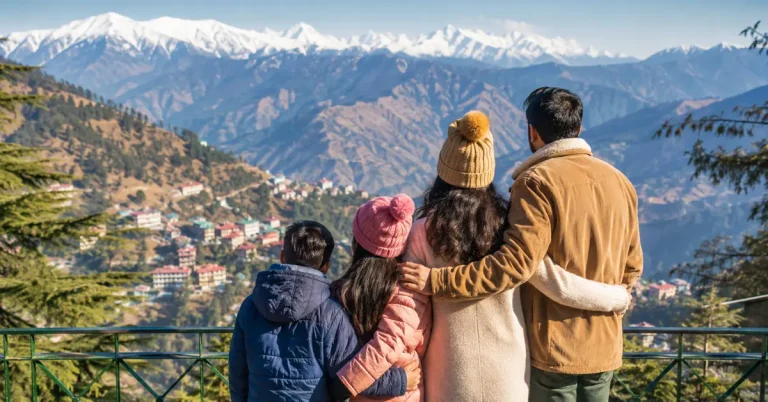
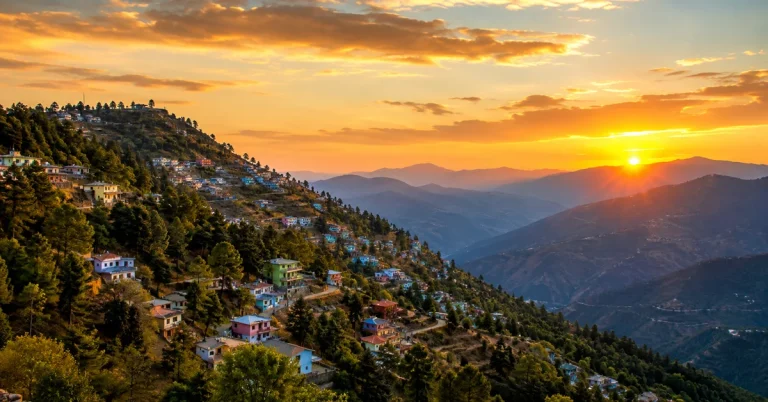
A Bir Billing trip is one of those Himalayan getaways that manages to combine adventure, mountain scenery, Tibetan culture, peaceful monasteries, excellent cafés and slow village life in a surprisingly compact destination. Bir is located in Kangra district of Himachal Pradesh, while Billing, about 14 km uphill, is the famous take-off point for paragliding. Bir itself serves as the landing area, which is why the two places are almost always spoken of together as Bir Billing. Himachal Pradesh Tourism describes the region as a major destination for paragliding, trekking and camping, while the Kangra district administration highlights its adventure, scenic, ecotourism and spiritual appeal.
But the best reason to plan a Bir Billing trip is that you do not have to be an adventure enthusiast to enjoy it.
You can spend one morning flying above the Kangra Valley, another walking through Tibetan settlements, an afternoon drinking coffee beside a monastery, and an evening watching paragliders float down toward the landing field. You can also add waterfalls, tea gardens, village walks and nearby monasteries if you have more time.
The destination has a distinctly slower personality than many of Himachal Pradesh’s busier hill stations. There are no huge shopping malls or endless tourist attractions competing for attention. Instead, Bir rewards travelers who are willing to walk, explore small roads, sit in cafés, speak with locals and allow an afternoon to unfold without a strict schedule.
For first-time visitors, four days is an excellent length for a Bir Billing trip. It gives you enough time for paragliding, Bir’s Tibetan and Buddhist heritage, nearby attractions and a relaxed day rather than turning the entire holiday into a checklist.
If you have only two days, Bir Billing can still be done. If you have five to seven days, however, the destination becomes considerably more rewarding because you can include Rajgundha Valley, Palampur, tea gardens and longer village walks.
One important point deserves emphasis before planning anything around paragliding: the flight depends completely on weather. Recent 2026 information from local operators indicates that the strongest practical flying windows are around autumn and spring, while monsoon conditions can result in prolonged suspension. A current operator update published in August 2026 says its tandem operations are scheduled to resume from 16 September 2026, illustrating why travelers should never treat a paragliding booking as guaranteed.
Destination at a Glance
| Information | Bir Billing, Himachal Pradesh, India |
|---|---|
| Country / State | India / Himachal Pradesh |
| Region | Kangra district, Joginder Nagar Valley |
| Ideal trip duration | 3–4 days; 5–6 days for a slower trip |
| Best overall time | October–November and March–May |
| Best for paragliding | October–November and March–May, subject to weather |
| Currency | Indian Rupee (₹ / INR) |
| Language | Hindi, English, Punjabi and Kangri; Tibetan is widely heard in the Tibetan settlement |
| Time difference | None within India; IST (UTC+5:30) |
| Visa requirement | Not applicable for Indian citizens; foreign visitors require an appropriate Indian visa unless exempt |
| Suitable for | Solo travelers, couples, families, friends and adventure groups |
| Estimated daily budget | ₹1,500–₹3,000 budget; ₹3,500–₹6,500 mid-range; ₹7,000+ comfortable/luxury |
| Bir altitude | Approximately 1,400–1,500 m |
| Billing altitude | Approximately 2,290–2,400 m |
| Famous for | Paragliding, Tibetan culture, monasteries, cafés, mountain views and slow travel |
Why Should You Visit Bir Billing?
Bir Billing is not simply a paragliding destination.
That distinction matters.
Someone who arrives expecting nothing except a 20-minute flight may leave after one day feeling that Bir is small. Someone who understands the character of the place can easily spend four or five days here.
1. It is one of India’s premier paragliding destinations
The defining experience is the flight from Billing to Bir. The take-off point sits substantially higher than the landing area, allowing tandem passengers to experience the Kangra Valley from above.
The difference in elevation is one of the reasons the site is so visually dramatic. Himachal Tourism identifies Billing as the take-off point and Bir as the landing point, approximately 14 km apart by road.
A typical tourist tandem flight is around 15–30 minutes, although actual flight duration depends on wind, thermals, weather and the package purchased. Current advertised prices commonly begin around ₹3,000 and can rise considerably for longer or specialized flights.
2. Tibetan culture gives Bir a completely different character
Bir has a significant Tibetan settlement and Buddhist presence. Prayer flags, monasteries, stupas, traditional artwork and Tibetan restaurants are woven into the landscape.
This is one of the reasons Bir feels different from destinations such as Manali or Shimla.
You can spend the morning watching paragliders and the afternoon turning prayer wheels or sitting quietly inside a monastery courtyard.
3. The café culture is unusually good
Bir has developed a strong café culture around travelers, paragliding pilots, backpackers, long-stay visitors and people seeking a quieter Himalayan lifestyle.
Menus range from Tibetan momos and thukpa to sourdough, pizza, pancakes, coffee, Indian meals and vegetarian dishes.
Current restaurant listings show a broad selection of cafés around the Tibetan Colony and landing-site area, including Garden Cafe, June16 Café, Radkaat Cafe and Ara Cafe.
4. It works for both adventure and relaxation
You can paraglide in the morning and do absolutely nothing in the afternoon.
That is part of Bir’s charm.
The destination is equally suitable for a group of friends seeking adventure and a couple wanting a peaceful mountain break.
5. It can be combined with Palampur and Baijnath
Palampur’s tea gardens, Baijnath Temple and Tashi Jong Monastery are close enough to include in an extended Bir itinerary.
This turns a short Bir Billing holiday into a broader Kangra Valley experience.
Best Time for a Bir Billing Trip
There are really two answers depending on whether paragliding is essential.
If you are visiting Bir purely for sightseeing, culture, cafés and nature, the destination can be visited during much of the year.
If paragliding is the main reason for your trip, timing becomes much more important.
October to November: The Best Overall Choice
For most travelers, October and November are the safest recommendation.
The monsoon has generally retreated, skies are clearer, mountain visibility improves and temperatures become comfortable for outdoor activities.
Recent 2026 travel information consistently identifies October and November as a prime flying period.
Typical daytime conditions are pleasant, while mornings and evenings can be cool.
This is also a popular period, so accommodation and paragliding slots can become expensive.
March to May: Excellent Alternative
Spring is another excellent period.
The valley becomes greener, temperatures are comfortable and thermals can be favorable for flying.
April is particularly attractive for travelers who want a combination of comfortable weather, scenery and outdoor activities.
June
June can be pleasant but increasingly warm in the lower valley. Weather patterns become less predictable as the monsoon approaches.
July to Mid-September
This is the least suitable period if your trip revolves around paragliding.
Rain, cloud, wind and reduced visibility can interrupt flights. Current local guidance indicates that commercial tandem operations are generally paused around the core monsoon period.
Bir can still be beautiful during the rains, but it becomes a different kind of holiday.
Think cafés, monasteries, greenery and slow travel rather than guaranteed adventure activities.
December to February
Winter brings cold nights and quieter surroundings.
The higher mountains can receive snow and Billing may experience snow, although snowfall in Bir village itself is much less dependable.
Winter is attractive if your priority is solitude rather than maximum paragliding availability.
Bir Billing Weather: What to Expect
| Season | Typical experience |
|---|---|
| March–May | Pleasant days, cool mornings and evenings, excellent outdoor conditions |
| June | Warmer days, increasing humidity and changing weather |
| July–August | Monsoon, rain, cloud and possible travel disruptions |
| September | Transition period; greenery remains but flying depends strongly on weather |
| October–November | Clearer skies, pleasant days, cold evenings and excellent sightseeing |
| December–February | Cold, quieter and potentially very chilly at night |
Weather varies significantly between Bir and Billing because of their elevation difference.
Do not assume that if the weather is sunny in Bir, a flight from Billing will definitely operate.
For paragliding, the pilot and operator should make the final decision based on actual flying conditions.
How Many Days Do You Need for Bir Billing?
2 days
Suitable for a quick weekend.
You can cover:
- Bir Landing Site
- Chokling Monastery
- Tibetan Colony
- Paragliding
- A few cafés
3 days
A good minimum for first-time visitors.
You can add:
- Deer Park Institute
- Palpung Sherabling Monastery
- Gunehar area
- More relaxed café time
4 days
The recommended duration.
This allows the itinerary below to include the major Bir experiences without rushing.
5–6 days
Ideal for travelers who want:
- Rajgundha Valley
- Palampur
- Tea gardens
- Tashi Jong Monastery
- Longer hikes
- Slow café mornings
- Photography
- A weather buffer for paragliding
How to Reach Bir Billing
By Air
The nearest practical airport is Kangra Airport at Gaggal (DHM).
The Kangra district administration places the airport approximately 68 km from Bir Billing.
From the airport, a private taxi is the easiest option.
Allow roughly 2–2.5 hours depending on traffic and road conditions.
A current local travel estimate puts airport-to-Bir taxi fares around ₹1,800–₹2,200, although the actual quote depends on vehicle type, season and negotiation.
Flights from Delhi
As of September 2026, direct Delhi–Kangra flights are operating on the route, with IndiGo and SpiceJet among the principal scheduled carriers. Current schedules show the direct flight taking approximately 1 hour 25–30 minutes.
One-way fares can vary significantly by date and demand. Current fare searches have shown one-way prices beginning around ₹4,500 on some dates, but this should not be treated as a fixed fare.
For an international traveler, the practical route is usually:
International arrival in Delhi → domestic flight to Kangra → taxi to Bir.
By Road from Delhi
Bir is roughly 500 km from Delhi by road according to the Kangra district tourism information.
Driving time is generally around 10–13 hours depending on traffic, breaks and road conditions.
An overnight bus can make sense for budget travelers, but a private vehicle gives considerably more flexibility.
By Road from Chandigarh
Chandigarh is approximately 280 km away.
Expect around 7–9 hours depending on traffic and stops.
From Dharamshala / McLeod Ganj
Bir is approximately 65–70 km from Dharamshala.
A taxi generally takes about 2–2.5 hours.
This is a convenient combination if your Himachal trip already includes Dharamshala and McLeod Ganj.
By Train
There is no major railway station in Bir.
Baijnath Paprola is the useful nearby narrow-gauge station, connected with the Pathankot–Joginder Nagar railway route.
For most travelers coming from Delhi, Chandigarh or other distant cities, road or air travel is considerably more practical.
Local Transportation in Bir Billing
Bir is compact enough that walking is genuinely useful.
For longer distances, use:
- Local taxis
- Rented scooters, where legally and practically appropriate
- Private cars
- Local buses
- Shared taxis
Approximate local costs:
| Transport | Approximate cost |
|---|---|
| Short local taxi ride | ₹100–₹250 |
| Bir–Billing taxi | ₹800–₹1,500 depending on vehicle and arrangement |
| Scooter rental | Approximately ₹500–₹900 per day |
| Bir–Palampur taxi | Approximately ₹900–₹1,500 one way |
| Bir–Baijnath taxi | Approximately ₹500–₹900 one way |
| Airport–Bir private taxi | Approximately ₹1,800–₹2,200 |
Always agree on the fare before starting a local taxi journey.
SIM Card and Internet in Bir Billing
Indian travelers can use their existing mobile connections.
For foreign travelers, obtaining an Indian SIM/eSIM through authorized channels is preferable.
Network availability is generally adequate in the main settlement, but mountain roads, remote villages and trekking areas can have weak or intermittent coverage.
Do not depend entirely on mobile internet when heading toward:
- Billing
- Rajgundha
- Remote trekking trails
- Waterfall areas
- Forest sections
Download important maps and hotel information before leaving the main town.
Wi-Fi is available at many hotels, hostels and cafés, although speeds vary.
For remote work, Bir can be workable, but travelers should maintain a mobile-data backup rather than assuming café Wi-Fi will always be reliable.
Safety in Bir Billing
Bir is generally considered a traveler-friendly destination, but adventure activities require a more careful approach.
Paragliding safety
Do not choose an operator solely because it offers the lowest price.
Ask:
- Who is the pilot?
- Is the pilot appropriately qualified?
- What equipment is being used?
- Is the operator insured where applicable?
- What happens if weather cancels your flight?
- What weight restrictions apply?
- Is the quoted price inclusive of transport to Billing?
- Is video included or extra?
Never pressure a pilot to fly because you have limited vacation time.
A weather cancellation is frustrating, but it is preferable to an unsafe flight.
Mountain roads
Roads can be narrow and winding.
If you are prone to motion sickness, sit toward the front of the vehicle and carry medication that you normally use safely.
Trekking
Wear proper shoes.
Do not underestimate apparently short trails in the mountains. Rain can transform an easy path into a slippery route.
Monasteries
Dress respectfully, keep voices low and follow photography instructions.
Children
Families should supervise children around:
- Cliff edges
- Waterfalls
- Mountain roads
- Riverbanks
- Paragliding landing areas
Never allow children to run onto a landing zone while pilots are arriving.
Complete 4-Day Bir Billing Trip Itinerary
The following itinerary assumes arrival in Bir on Day 1 and departure after Day 4.
It is intentionally designed with flexibility because paragliding cannot be guaranteed on a particular day.
If flying is your highest priority, swap Day 2 and Day 3 according to the weather.
Day 1: Arrival, Tibetan Colony and Bir Landing Site
Total distance
Approximately 5–15 km local travel, excluding your journey to Bir.
Travel time
2–4 hours of actual local movement.
Transportation
Taxi + walking.
Estimated transportation cost
₹300–₹800 per person depending on arrival arrangement.
Approximate daily budget
₹2,000–₹4,000 excluding accommodation.
Suggested hotel area
Stay around:
- Bir Tibetan Colony
- Bir Road
- Landing Site
- Chowgan
Morning
Arrive in Bir and check into your accommodation.
Do not schedule paragliding immediately after a long overnight journey unless you have enough rest and the weather is excellent.
Have breakfast or brunch at a local café.
Afternoon
Explore the Tibetan Colony.
Walk through the narrow lanes, visit monasteries and observe the local rhythm rather than trying to rush through several attractions.
Visit Chokling Monastery and spend time around the surrounding area.
Evening
Head to the Bir Landing Site.
Watching paragliders land is one of the simplest and most enjoyable Bir experiences.
The landing field becomes a natural meeting point for travelers, pilots and spectators.
Stay until sunset if the weather is clear.
Dinner
Try Tibetan food.
Momos, thukpa, tingmo and Tibetan-style vegetable dishes are good first-night choices.
Day 2: Bir Billing Paragliding + Cafés
Total distance
Approximately 30 km by road including Bir–Billing return.
Travel time
Approximately 2–4 hours, depending on waiting time and flight arrangements.
Transportation
Taxi to Billing; tandem flight back toward Bir; walking afterward.
Estimated transportation cost
₹800–₹1,500 per vehicle for the Billing transfer, depending on operator/package.
Approximate daily budget
₹4,000–₹7,000 per person including a standard tandem flight.
Suggested hotel area
Bir Landing Site or Tibetan Colony.
Morning
Have a light breakfast.
Report for your paragliding activity at the operator’s designated point.
You will generally be transported uphill to Billing.
The drive itself is part of the experience, with mountain scenery opening up as you climb.
Paragliding
A standard tandem flight commonly lasts around 15–30 minutes, subject to conditions.
Current advertised tandem prices begin around ₹3,000, while premium or longer-flight packages can be much more expensive.
Afternoon
After landing, have lunch and take a slow afternoon.
Do not immediately schedule a strenuous trek.
Try:
- Tibetan momos
- Thukpa
- Coffee
- Sourdough
- Fresh juice
- Local desserts
Evening
Explore the café area.
Watch pilots pack equipment and talk about flying conditions.
This is one of the best times to experience Bir’s traveler culture.
Day 3: Deer Park, Monasteries and Gunehar
Total distance
Approximately 20–30 km.
Travel time
3–5 hours of driving/walking combined.
Transportation
Taxi + walking.
Estimated transportation cost
₹500–₹1,000 per person if shared; more for private taxi.
Approximate daily budget
₹2,000–₹4,000 excluding hotel.
Suggested hotel area
Tibetan Colony or Chowgan.
Morning: Deer Park Institute
Start at Deer Park Institute.
The institute is associated with Buddhist philosophy, Indian knowledge traditions, arts, meditation and learning.
The Buddha Hall is available for personal meditation from 5 am to 9 pm, according to the institute’s current FAQ, while courses and programs operate according to their individual schedules. Courses are generally offered without a fixed fee, with donations encouraged.
Afternoon: Gunehar
Explore Gunehar and its surrounding countryside.
Depending on weather and trail conditions, you can walk toward local waterfall areas.
Do not turn a waterfall visit into an unnecessary risk.
During or immediately after heavy rain, water levels can rise rapidly and trails can become slippery.
Evening: Chokling and Café Time
Return toward Bir.
Spend the evening around the Tibetan Colony.
Order a slow dinner rather than trying to fit another major attraction into the schedule.
Day 4: Palpung Sherabling, Baijnath and Palampur
Total distance
Approximately 70–100 km depending on route and return point.
Travel time
4–6 hours including stops.
Transportation
Private taxi recommended.
Estimated transportation cost
₹1,500–₹2,500 per vehicle for a full-day local circuit.
Approximate daily budget
₹2,500–₹5,000 per person depending on group size.
Suggested hotel area
If returning to Bir: Tibetan Colony or Landing Site.
If departing via Kangra/Dharamshala: consider moving closer to your onward route.
Morning: Palpung Sherabling Monastery
Start early.
The monastery is considerably more peaceful in the morning.
Current visitor information places its Google rating around 4.6/5, with roughly 1,900 Google reviews in recent listings.
Spend time exploring the grounds rather than treating it as a five-minute photo stop.
Afternoon: Baijnath Temple
Continue to Baijnath.
The historic Shiva temple is one of the most important religious and architectural attractions near Bir and Palampur.
Current Google-derived listings show a rating around 4.8/5 with more than 3,300 reviews.
Late afternoon: Palampur Tea Gardens
End your trip among the tea gardens of Palampur.
The gardens provide an entirely different landscape from Bir.
Current Google-derived listings place the broader Palampur Tea Gardens experience around 4.6/5, with more than 1,800 reviews in some listings.
However, not every tea estate is open for unrestricted public entry. Some plantations are private, so do not enter fenced or privately operated gardens without permission.
Return to Bir or continue toward your onward destination.
Bir Billing Attractions: Complete Visitor Guide
The ratings and review counts below are approximate snapshots based on Google-derived listings checked during September 2026. They should be treated as indicators rather than permanent scores because Google ratings and review totals change continuously.
1. Billing Paragliding Take-Off Point
| Detail | Information |
|---|---|
| Location | Billing, approximately 14 km uphill from Bir |
| Google Rating | Not treated as a conventional attraction rating; operator listings vary |
| Approximate reviews | Varies by operator |
| Entry fee | No general sightseeing entry fee; paragliding is paid |
| Typical paragliding price | Around ₹3,000+ for standard tandem flights; longer packages cost more |
| Timings | Daylight and weather dependent |
| Recommended duration | 2–4 hours including transfer and waiting |
| Best time | October–November and March–May |
| How to reach | Taxi/authorized operator vehicle from Bir |
| Transport cost | Approximately ₹800–₹1,500 depending on arrangement |
| Practical tip | Keep a flexible schedule because weather can cancel flights |
Why Billing is famous
Billing is the elevated take-off point that made the Bir Billing region internationally recognized among paragliding pilots.
The geographical arrangement is important: Billing sits much higher than Bir, creating the elevation difference necessary for the famous flight.
The view from the take-off area can be spectacular, particularly after the monsoon when visibility is excellent.
What should you experience?
Even if you are not flying, the journey to Billing is worthwhile for the scenery.
If you do paraglide, listen carefully to the pilot briefing.
Do not spend the entire flight trying to record video. Your first tandem flight is much better experienced by looking around.
Is it worth visiting?
Absolutely — especially for first-time visitors.
For non-flyers, go only if you enjoy mountain landscapes and want to see the take-off environment.
2. Bir Landing Site
| Detail | Information |
|---|---|
| Location | Bir, near the main landing area |
| Google Rating | Around 4.8–4.9 for prominent paragliding-related listings |
| Approximate reviews | Individual operator listings range from hundreds to thousands |
| Entry fee | Free |
| Timings | Open throughout the day; active flying depends on weather |
| Recommended duration | 45–90 minutes |
| Best time | Afternoon when landing activity is often visible |
| How to reach | Walk, taxi or local vehicle |
| Transport cost | ₹0–₹200 locally |
| Practical tip | Stay outside the active landing path |
Why it is famous
The landing site is where the dramatic part of Bir’s identity becomes visible even without participating.
Paragliders glide overhead and descend toward the field, often one after another during suitable flying conditions.
What should you experience?
Bring a cup of tea or coffee and simply watch.
It is particularly atmospheric late in the day.
Is it worth visiting?
Yes.
It costs nothing and requires very little time.
3. Chokling Monastery
| Detail | Information |
|---|---|
| Location | Bir Tibetan Colony |
| Google Rating | Approximately 4.7/5 |
| Approximate reviews | Around 150–200 Google reviews in recent listings |
| Entry fee | Free; donations may be welcomed |
| Timings | Commonly around 7:00 AM–7:00 PM; verify locally |
| Recommended duration | 45–90 minutes |
| Best time | Morning or late afternoon |
| How to reach | Walking/taxi from central Bir |
| Transport cost | ₹0–₹200 locally |
| Practical tip | Dress respectfully and ask before photographing interiors |
Current Google-derived information places Chokling Monastery around 4.7/5.
Why it is famous
The monastery is known for its Tibetan Buddhist architecture, colorful murals, statues and peaceful setting.
It is particularly attractive because the monastery experience can be combined with the surrounding cafés and landing-site area.
What should you experience?
Take your time with the artwork.
Observe the murals and architectural details rather than simply photographing the entrance.
The monastery also demonstrates the strong Tibetan cultural character that distinguishes Bir from many other Himachal destinations.
Is it worth visiting?
Yes.
It is one of the easiest cultural stops to add to a Bir itinerary.
4. Deer Park Institute
| Detail | Information |
|---|---|
| Location | Bir |
| Google Rating | Approximately 4.8/5 |
| Approximate reviews | Around 150 Google reviews |
| Entry fee | Generally free; donations appreciated |
| Timings | Campus/program access varies; Buddha Hall available for meditation 5 AM–9 PM |
| Recommended duration | 1–2 hours |
| Best time | Morning or during an active program |
| How to reach | Taxi or walking from central Bir |
| Transport cost | ₹0–₹200 |
| Practical tip | Check whether a course or retreat is taking place before planning a long visit |
The current Google-derived rating is around 4.8/5, while the institute’s own information confirms the Buddha Hall’s long daily access window and its donation-based approach to programs.
Why it is famous
Deer Park is not a conventional sightseeing attraction.
It is a place associated with Buddhist study, meditation, philosophy, arts and learning.
That makes it particularly valuable for travelers who want to understand Bir rather than simply photograph it.
What should you experience?
Walk quietly through the campus.
If meditation is your interest, spend some time in the Buddha Hall.
Is it worth visiting?
Yes, if you enjoy culture, spirituality or quiet places.
For travelers focused only on adventure activities, it may feel less exciting.
5. Palpung Sherabling Monastery
| Detail | Information |
|---|---|
| Location | Near Bir, in the Sherabling area |
| Google Rating | Approximately 4.6/5 |
| Approximate reviews | Around 1,900+ Google reviews in recent listings |
| Entry fee | Generally free |
| Timings | Commonly daytime; approximately 8 AM–6 PM is a useful planning window |
| Recommended duration | 1.5–2.5 hours |
| Best time | Morning |
| How to reach | Taxi/private vehicle |
| Transport cost | ₹500–₹1,000 depending on group size |
| Practical tip | Walk slowly through the grounds and follow monastery instructions |
Recent Google-derived listings show approximately 4.6/5 from around 1,900 reviews.
Why it is famous
Sherabling offers a more expansive monastery experience than a quick urban temple visit.
The combination of architecture, mountain landscape, prayer spaces and quiet pathways makes it particularly memorable.
What should you experience?
Walk around the grounds.
Spend time in the prayer halls where permitted.
Notice the artwork and traditional Tibetan design.
Is it worth visiting?
Definitely.
It is one of the best places near Bir for travelers interested in Tibetan Buddhist culture.
6. Baijnath Temple
| Detail | Information |
|---|---|
| Location | Baijnath, near Bir/Palampur |
| Google Rating | Approximately 4.8/5 |
| Approximate reviews | 3,300+ Google reviews |
| Entry fee | Free |
| Timings | Daytime; worship schedules may vary |
| Recommended duration | 45–90 minutes |
| Best time | Early morning or late afternoon |
| How to reach | Taxi/local bus |
| Transport cost | Approximately ₹500–₹900 by taxi from Bir |
| Practical tip | Dress modestly and follow temple rules |
Google-derived listings currently place Baijnath Temple around 4.8/5 with more than 3,300 reviews.
Why it is famous
Baijnath Temple is a historic Shiva temple with distinctive North Indian temple architecture.
Himachal Tourism identifies Baijnath among the important religious sites of Kangra and notes its Shiva association and long-standing pilgrimage significance.
What should you experience?
Look carefully at the stonework and architectural details.
The temple is more rewarding when visited slowly rather than treated as a quick photo stop.
Is it worth visiting?
Yes, especially when combined with Palampur.
7. Palampur Tea Gardens
| Detail | Information |
|---|---|
| Location | Palampur, approximately 30–35 km from Bir |
| Google Rating | Approximately 4.6/5 for prominent tea-garden listings |
| Approximate reviews | 1,800+ in major Google-derived listings |
| Entry fee | Many roadside/public viewpoints are free; private gardens may require permission |
| Timings | Open-area access varies; private properties have their own schedules |
| Recommended duration | 1–2 hours |
| Best time | March–October for greenery; clear days for mountain views |
| How to reach | Taxi/private car |
| Transport cost | Approximately ₹900–₹1,500 one way by taxi |
| Practical tip | Never enter a private tea estate without permission |
Recent Google-derived listings show Palampur tea-garden attractions around 4.6/5, with roughly 1,800–1,900 reviews depending on the specific listing.
Why it is famous
Palampur is closely associated with Kangra tea.
The tea plantations spread across rolling terrain with the Dhauladhar mountains providing the backdrop.
What should you experience?
Walk beside accessible tea plantations, photograph the landscape and buy locally produced tea.
Do not assume every tea garden is public.
Is it worth visiting?
Yes, particularly if you have four or more days.
8. Rajgundha Valley
| Detail | Information |
|---|---|
| Location | Mountain valley beyond the Bir/Billing region |
| Google Rating | Approximately 4.8/5 |
| Approximate reviews | 300+ Google reviews in recent listings |
| Entry fee | No standard sightseeing entry fee |
| Timings | Daylight; trekking conditions dependent |
| Recommended duration | Half day to full day |
| Best time | Spring, autumn and dry-weather periods |
| How to reach | Local vehicle + trek depending on route |
| Transport cost | Approximately ₹800–₹2,000+ depending on vehicle/group |
| Practical tip | Do not attempt remote routes without checking weather and local trail conditions |
Current Google-derived information places Rajgundha Valley around 4.8/5 with more than 300 reviews.
Why it is famous
Rajgundha provides a more remote Himalayan experience.
Visitors are attracted by mountain scenery, rivers, open landscapes and the possibility of camping.
What should you experience?
The journey matters as much as the destination.
Expect fewer tourist facilities than Bir.
Is it worth visiting?
Yes for hikers and nature lovers.
Not recommended as a rushed add-on to a two-day Bir trip.
Where to Stay in Bir Billing
The best accommodation area depends on what kind of traveler you are.
Budget Hotels and Hostels
Look around:
- Tibetan Colony
- Chowgan
- Landing Site
- Bir Road
Typical budget:
₹700–₹1,800 per night for hostels, basic rooms or simple guesthouses, depending on season.
Current accommodation listings show Bir properties available from budget levels upward, with prices changing considerably by date.
Best for
- Backpackers
- Solo travelers
- Students
- Young groups
Mid-Range Hotels and Cottages
Typical range:
₹2,000–₹4,500 per night
Look for:
- Mountain views
- Heating during winter
- Parking
- Breakfast
- Reliable Wi-Fi
- Flexible cancellation
Best for
- Couples
- Families
- Travelers wanting comfort without luxury pricing
Luxury / Premium Stays
Typical range:
₹5,000–₹10,000+ per night
Premium cottages and boutique properties can go higher during peak dates.
Prioritize location and view rather than simply selecting the most expensive property.
Current hotel listings show properties such as Saanjh Cottages receiving strong guest ratings, while prices vary substantially according to date and room type.
Best Areas to Stay in Bir
Tibetan Colony
Best for:
- Food
- Cafés
- Culture
- Walking
- Budget travelers
This is my preferred choice for first-time visitors who want to experience Bir rather than simply sleep there.
Landing Site
Best for:
- Paragliding
- Families
- Watching flights
- Quick access to cafés
Chowgan
Best for:
- Quieter stays
- Homestays
- Longer visits
- Travelers wanting a village atmosphere
Best Food to Eat on a Bir Billing Trip
Bir’s food culture is one of the destination’s biggest surprises.
The strongest influence is Tibetan-Himalayan cuisine, complemented by Indian, Himachali and international café food.
Momos
The obvious first choice.
Try both steamed and fried versions.
Approximate price:
₹100–₹200 per plate
Vegetarian versions are widely available.
Thukpa
A warming noodle soup.
Typical price:
₹120–₹250
Ideal on cold evenings.
Tingmo
Soft steamed Tibetan bread.
Try it with vegetable or meat-based preparations.
Thenthuk
Hand-pulled noodle soup that is particularly satisfying in cool weather.
Shamu Datse
Mushrooms cooked with cheese.
A strong vegetarian option.
Sidu
A Himachali steamed wheat preparation.
Availability varies by restaurant.
Madra
A traditional Himachali dish generally prepared with legumes and a rich yogurt-based gravy.
Tibetan Butter Tea
An acquired taste, but worth trying if you want to explore local Tibetan traditions.
Recommended Restaurants and Cafés
Current restaurant listings include several well-reviewed options in Bir, including Garden Cafe, June16 Café, Radkaat Cafe and Ara Cafe.
Garden Cafe
Good for:
- Pizza
- Café meals
- Relaxed atmosphere
- Longer sitting
June16 Café
Good for:
- Breakfast
- Coffee
- Western-style meals
- Vegetarian options
Radkaat Cafe
Good for:
- Affordable meals
- Chinese/Tibetan-style food
- Casual dining
Ara Cafe
Good for:
- Café meals
- Relaxed atmosphere
- Couples and small groups
Tenzin Jamdol Cafe
A good choice if authentic Tibetan food is the priority.
Local food guides specifically highlight momos, thukpa and shamu datse here.
Vegetarian Food in Bir Billing
Vegetarians should have no major difficulty finding food.
Good options include:
- Veg momos
- Veg thukpa
- Tingmo
- Shamu datse
- Dal
- Rice
- Paratha
- Vegetable noodles
- Pizza
- Sandwiches
- Pancakes
- Salads
Always confirm whether a soup or sauce contains meat stock if you follow a strict vegetarian diet.
Bir Billing Shopping Guide
Bir is not a conventional shopping destination.
That is actually a good thing.
Instead of buying generic tourist merchandise, look for products connected to the local Tibetan and Himalayan culture.
What to Buy
- Tibetan handicrafts
- Prayer flags
- Handmade textiles
- Woollens
- Small Buddhist-inspired décor
- Local tea
- Handmade jewellery
- Incense
- Art prints
- Local food products
Where to Shop
The Tibetan Colony is the most natural place to browse.
Small shops around monasteries and the main settlement are better for locally connected products than generic highway stalls.
Bargaining Tips
Bargain politely.
A reasonable approach is:
- Ask the final price.
- Compare with another shop.
- Make a fair counteroffer.
- Avoid aggressive bargaining over very small amounts.
- Pay a fair price for handmade goods.
Remember that a ₹50 saving is rarely worth turning a friendly interaction into an unpleasant one.
Hidden Gems Around Bir Billing
Gunehar Village
Gunehar is ideal for travelers who want to get away from the central tourist cluster.
The village landscape, narrow roads, mountain views and nearby natural attractions make it excellent for slow exploration.
Bangoru Waterfall Area
A good option for travelers who want a short nature outing.
Go only when trail conditions are suitable.
Village Walks Around Bir
One of the most underrated activities is simply walking.
Leave the main café cluster and explore the quieter countryside.
You may encounter:
- Tea fields
- Farmhouses
- Small shrines
- Mountain views
- Local roads
- Birds
- Shepherds
- Traditional homes
Rajgundha Valley
For a more serious nature excursion, Rajgundha is far more rewarding than another café stop.
Common Tourist Mistakes in Bir Billing
Mistake 1: Booking a flight and assuming it is guaranteed
Paragliding depends on weather.
Always keep at least one backup activity.
Mistake 2: Visiting only for paragliding
You miss the destination’s strongest cultural side.
Mistake 3: Trying to cover too much in two days
Bir is better when experienced slowly.
Mistake 4: Choosing the cheapest operator automatically
Price should not be your only consideration for an adventure activity.
Mistake 5: Wearing unsuitable footwear
Even short village walks can become muddy or slippery.
Mistake 6: Entering private tea gardens
Some tea gardens are private.
Take permission.
Mistake 7: Treating monasteries like photo studios
Be respectful.
Mistake 8: Not carrying cash
Digital payments are increasingly common, but cash remains useful for small cafés, taxis, shops and rural areas.
How to Save Money on a Bir Billing Trip
Travel in a group
A taxi from Kangra airport or a full-day sightseeing vehicle becomes much cheaper per person when shared.
Stay in the Tibetan Colony
You get better access to inexpensive food and cafés.
Use local cafés
A simple Tibetan meal can cost significantly less than a premium café breakfast.
Local food listings indicate that Tibetan meals can be around ₹100–₹200, while a sit-down café meal for two can commonly fall around ₹400–₹700 depending on the restaurant.
Avoid peak weekends
October and November can become busy.
Midweek travel can sometimes offer better room availability and lower prices.
Keep one flexible day
If your flight gets cancelled, move paragliding to the next day instead of losing the experience.
Estimated Bir Billing Travel Budget
Solo Traveler
Budget
Approximately ₹1,500–₹3,000 per day, excluding intercity travel and paragliding.
For four days:
₹6,000–₹12,000
Add approximately ₹3,000–₹5,000 for a standard tandem flight.
Comfortable solo trip
Approximately ₹3,500–₹6,000 per day.
Four days:
₹14,000–₹24,000, plus intercity transportation.
Couple
A couple sharing accommodation and taxis can travel relatively efficiently.
Budget couple
Approximately:
₹3,000–₹5,000 per day for two
Four days:
₹12,000–₹20,000
Comfortable couple
Approximately:
₹5,000–₹8,000 per day
Four days:
₹20,000–₹32,000
Add two tandem flights if both partners want to fly.
Family of Four
A family will spend more on transportation but can save by sharing a larger room or family accommodation.
Approximate daily cost:
₹6,000–₹10,000
Four-day ground budget:
₹24,000–₹40,000
Paragliding should be considered separately and depends on age, weight, weather and operator requirements.
Group of 4–6 Friends
Groups can be the most economical way to explore Bir.
Share:
- Taxi
- Accommodation
- Local sightseeing
- Airport transfers
Approximate ground cost:
₹2,500–₹5,000 per person per day
A four-day group trip can therefore often be managed around:
₹10,000–₹20,000 per person, excluding long-distance travel and optional premium activities.
Packing Checklist for Bir Billing
Clothing
- Comfortable T-shirts
- Light jacket
- Warm layer
- Windproof jacket
- Comfortable trousers
- Thermal layer in winter
- Socks
- Sleepwear
Footwear
- Walking shoes
- Sandals
- Trekking shoes if hiking
Adventure
- Sunglasses
- Sunscreen
- Lip balm
- Reusable water bottle
- Small backpack
Health and comfort
- Personal medicines
- Basic first-aid supplies
- Motion-sickness medicine if normally required
- Hand sanitizer
- Tissue/wet wipes
Electronics
- Phone
- Power bank
- Charging cable
- Camera if required
Documents
- Government ID
- Driving licence if renting a vehicle
- Hotel booking information
- Flight/train tickets
Photography Tips for Bir Billing
Bir is exceptionally photogenic without requiring complicated equipment.
For paragliding
Use a fast shutter speed if photographing flying paragliders.
The best shots often come from the landing field rather than the take-off point because you can photograph pilots against mountains and open sky.
For monasteries
Shoot early in the morning.
Soft light brings out colors without making the scene overly harsh.
For tea gardens
Use the mountain range as a background.
Avoid stepping into private plantations simply to get a better photograph.
For village photography
Ask before photographing people closely.
A simple request is more respectful than photographing strangers without permission.
Local Etiquette
Bir is home to communities with strong Buddhist and Tibetan cultural traditions.
Keep these basic rules in mind:
- Dress modestly at monasteries.
- Remove shoes where required.
- Walk clockwise around Buddhist religious objects where local practice indicates.
- Do not touch religious statues unnecessarily.
- Do not disturb monks during prayers.
- Ask before photographing interiors.
- Keep voices low.
- Do not sit on religious platforms or structures.
- Avoid littering.
- Do not fly drones near monasteries or sensitive areas without the required permissions.
- Do not enter restricted areas.
Is Bir Billing Suitable for Families?
Yes.
Families can enjoy:
- Scenic drives
- Tea gardens
- Monasteries
- Cafés
- Village walks
- Watching paragliders
- Baijnath Temple
The main activity requiring additional caution is paragliding.
Children’s eligibility for tandem flights depends on the operator’s rules, weather and other safety factors.
Families should also avoid scheduling long treks immediately after arrival.
Is Bir Billing Good for Couples?
Very much so.
The destination works particularly well for couples who enjoy:
- Mountain cafés
- Sunset walks
- Quiet stays
- Scenic drives
- Photography
- Adventure
- Slow travel
A couple can easily combine one adventure day with two relaxed days.
Is Bir Billing Good for Solo Travelers?
Bir is one of the more comfortable Himalayan destinations for solo travelers because of its established traveler community.
Hostels, cafés and adventure operators make it relatively easy to meet other travelers.
However, solo hikers should still inform someone of their route before heading into remote areas.
Bir Billing for First-Time Paragliders
If you have never flown before, tandem paragliding is the obvious starting point.
You do not need to know how to operate a paraglider because the pilot controls the flight.
Your responsibility is mainly to follow the take-off and landing instructions.
Before flying
Eat a light meal.
Stay hydrated.
Avoid heavy luggage.
Wear comfortable sports shoes.
Follow the weight restrictions communicated by the operator.
During flight
Listen to your pilot.
Do not panic if the glider moves with the wind.
Look outward rather than staring continuously at the harness.
After landing
Stand clear of the landing area.
Allow the pilot to pack equipment without crowding.
How Much Does Paragliding Cost in Bir Billing?
A standard tandem flight is commonly advertised from approximately ₹3,000 per person.
Current local operator listings also show premium packages ranging from ₹5,000 upward, with significantly longer or specialized flights costing considerably more.
Your final price may depend on:
- Flight duration
- Season
- Operator
- Video package
- Photography
- Transportation
- Demand
- Weather
- Type of flight
Do not compare prices without checking what is included.
A ₹3,000 flight with no video and separate transport is not necessarily cheaper than a ₹3,500 package that includes transfers and media.
What If Your Paragliding Flight Is Cancelled?
This is one of the most important planning questions for a Bir Billing trip.
Do not waste the day.
Use the backup plan:
Option 1
Visit monasteries.
Option 2
Explore cafés and Tibetan Colony.
Option 3
Visit Deer Park Institute.
Option 4
Explore Gunehar.
Option 5
Take a Palampur/Baijnath excursion if road and weather conditions are suitable.
Then try paragliding the following morning.
This is why a four-day trip is much better than a two-day trip when flying is your priority.
Bir Billing vs Manali: Which Should You Choose?
If you want nightlife, major tourist infrastructure, snow-oriented activities and a larger destination, Manali offers more.
If you want:
- Paragliding
- Tibetan culture
- Quiet cafés
- Monasteries
- Smaller crowds
- Village landscapes
- Slow travel
Bir Billing is arguably the better choice.
Bir is not trying to compete with Manali.
Its appeal is that it feels smaller and calmer.
Bir Billing vs Dharamshala
Dharamshala and McLeod Ganj offer:
- Tibetan culture
- Dalai Lama-related heritage
- Larger café scene
- More accommodation
- More urban tourism
Bir offers:
- Paragliding
- A quieter settlement
- More open countryside
- Tea-country landscapes
- A more intimate village atmosphere
The two destinations work extremely well together.
A seven-day Himachal trip can easily combine Dharamshala, Bir and Palampur.
Practical Bir Billing Travel Tips
Book accommodation early during October and November
Peak-season demand can be strong.
Keep paragliding flexible
Do not schedule your return flight immediately after the planned paragliding activity.
Carry warm clothing even in autumn
The evenings can become surprisingly cold.
Start early for sightseeing
Morning light is beautiful and roads are generally more comfortable before the day becomes busy.
Keep cash
Especially useful outside major cafés.
Do not rush meals
Bir’s café culture is part of the destination.
Carry a refillable bottle
Reduce single-use plastic.
Ask locals about trail conditions
Weather can change quickly.
Avoid unnecessary night driving
Mountain roads become harder to navigate after dark.
Check weather before going to Billing
A sunny Bir does not guarantee suitable flying conditions at Billing.
Suggested 5-Day Bir Billing Trip for Travelers With More Time
If you can extend the trip, consider this version:
Day 1
Arrival + Tibetan Colony + Chokling Monastery + Landing Site.
Day 2
Paragliding + café afternoon.
Day 3
Deer Park + Gunehar + relaxed evening.
Day 4
Sherabling Monastery + Rajgundha Valley.
Day 5
Baijnath Temple + Palampur Tea Gardens + onward departure.
This version gives you a much better balance between adventure, culture and nature.
Best Bir Billing Trip Plan for October
October deserves special mention because it is one of the strongest months for a Bir Billing trip.
A good October plan is:
Day 1: Arrive and explore Bir
Day 2: Paragliding
Day 3: Monasteries + Gunehar
Day 4: Baijnath + Palampur
Expect:
- Cool mornings
- Comfortable afternoons
- Cold evenings
- Clear mountain views on favorable days
- Strong demand for accommodation
- Potentially busy paragliding slots
Book your hotel and flight activity with sufficient flexibility.
Frequently Asked Questions About a Bir Billing Trip
1. How many days are enough for a Bir Billing trip?
Three to four days are ideal for a first trip. Two days are enough for paragliding and the main Bir attractions, while four days provide time for monasteries, cafés, Gunehar and a nearby excursion.
2. What is the best time for a Bir Billing trip?
October to November is the best overall period, particularly if paragliding is important. March to May is another excellent window.
3. How much does paragliding cost in Bir Billing?
A standard tandem flight is commonly advertised from approximately ₹3,000 per person, although prices vary by duration, operator, season and inclusions.
4. Is Bir Billing safe for solo travelers?
Yes, generally. Bir has an established tourism and traveler community. However, solo travelers should exercise normal precautions and avoid remote trails alone without informing someone about their route.
5. Is Bir Billing suitable for families?
Yes. Families can enjoy monasteries, tea gardens, cafés, sightseeing and watching paragliders. Adventure activities should be undertaken only when participants meet the operator’s safety requirements.
6. Which airport is nearest to Bir Billing?
Kangra Airport at Gaggal (DHM) is the nearest airport, approximately 65–68 km from Bir depending on the reference point.
7. Can I visit Bir Billing without doing paragliding?
Absolutely. Bir is also known for Tibetan culture, monasteries, meditation, cafés, trekking, village walks and nearby attractions.
8. Is Bir Billing expensive?
It can be surprisingly affordable. Budget travelers can manage around ₹1,500–₹3,000 per day excluding intercity travel and major activities, while comfortable travelers may spend ₹3,500–₹6,500 or more.
Final Bir Billing Trip Itinerary at a Glance
| Day | Main experiences |
|---|---|
| Day 1 | Arrival, Tibetan Colony, Chokling Monastery, Bir Landing Site |
| Day 2 | Billing, tandem paragliding, cafés, sunset |
| Day 3 | Deer Park Institute, Gunehar, village exploration |
| Day 4 | Sherabling Monastery, Baijnath Temple, Palampur Tea Gardens |
| Optional Day 5 | Rajgundha Valley or relaxed Bir day |
Conclusion: Is a Bir Billing Trip Worth It?
A Bir Billing trip is worth taking because it offers something that many Himalayan destinations struggle to provide: genuine variety without requiring enormous distances between experiences.
You can fly above the Kangra Valley in the morning, eat Tibetan momos for lunch, sit quietly inside a Buddhist monastery in the afternoon and watch the sun disappear behind the mountains in the evening.
The four-day itinerary is the sweet spot.
Start with Bir’s Tibetan Colony and Chokling Monastery, experience the famous Billing-to-Bir paragliding flight when weather permits, slow down at Deer Park Institute, explore Gunehar and then use the final day for Sherabling Monastery, Baijnath Temple and the tea gardens of Palampur.
If you have more time, add Rajgundha Valley.
The biggest planning lesson is simple: do not build your entire trip around one paragliding slot. Weather controls the skies, and flexibility is part of traveling in the mountains.
For adventure lovers, Bir Billing can deliver one of India’s most memorable tandem flying experiences. For couples, it offers cafés, mountain scenery and quiet evenings. For families, it provides nature and culture without the intensity of larger hill stations. For solo travelers, it combines a welcoming traveler ecosystem with plenty of opportunities for independent exploration.
And for anyone who simply wants to slow down, Bir may be even better.
Sometimes the best part of a Himalayan trip is not the activity you came to do.
It is the afternoon you never planned.
Disclaimer
Travel costs, hotel prices, paragliding charges, entry fees, transportation schedules, weather conditions, attraction timings, local regulations, visa rules, mobile connectivity, exchange rates and availability can change over time. Weather-sensitive activities such as paragliding may be cancelled or rescheduled at short notice for safety reasons. Travelers should verify the latest information, operating conditions, prices and applicable rules before beginning their journey. The Google ratings and review counts mentioned in this guide are approximate snapshots and may change continuously.