Rameswaram Trip Guide: Complete Travel Itinerary, Best Places to Visit, Budget, Hotels and Travel Tips
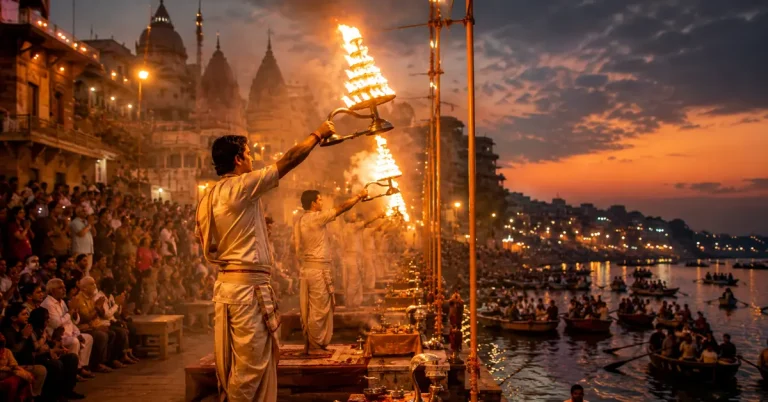
A Rameswaram Trip is much more than a religious pilgrimage—it’s a journey through history, mythology, breathtaking coastal landscapes, engineering marvels, and rich Tamil culture. Located on Pamban Island in Tamil Nadu, Rameswaram is one of the Char Dham pilgrimage sites and one of the twelve Jyotirlingas of Lord Shiva, making it one of the holiest destinations for Hindus. Beyond its spiritual importance, the town is home to iconic landmarks such as the magnificent Ramanathaswamy Temple, the historic Pamban Bridge, the ghost town of Dhanushkodi, and the memorial of India’s former President Dr. A.P.J. Abdul Kalam.
Whether you are traveling alone, planning a family pilgrimage, enjoying a cultural holiday with friends, or looking for a peaceful coastal getaway, Rameswaram offers experiences that combine spirituality, history, nature, and local traditions.
This comprehensive travel guide is designed to help you plan every aspect of your journey—from choosing the best season to visit and understanding transportation options to creating a practical day-wise itinerary and estimating your travel budget.
Why Visit Rameswaram?
Rameswaram is unlike any other destination in India. While it is deeply connected with the Ramayana, it also captivates visitors with serene beaches, ancient temples, engineering achievements, and historical significance.
Some of the top reasons to visit include:
- One of India’s holiest pilgrimage destinations.
- Home to the famous Ramanathaswamy Temple.
- One of the twelve sacred Jyotirlingas.
- Beautiful island surrounded by the Bay of Bengal and the Gulf of Mannar.
- Scenic Pamban Bridge connecting the island to mainland India.
- Mysterious ghost town of Dhanushkodi.
- Strong connection with Lord Rama and the Ramayana.
- Memorial dedicated to Dr. A.P.J. Abdul Kalam.
- Peaceful beaches and stunning sunrise views.
- Rich South Indian culture and cuisine.
Destination at a Glance
| Information | Details |
|---|---|
| Country | India |
| State | Tamil Nadu |
| Ideal Trip Duration | 3 Days / 2 Nights |
| Best Time to Visit | October to March |
| Currency | Indian Rupee (INR ₹) |
| Official Language | Tamil (English and Hindi are understood in tourist areas) |
| Time Difference | Not Applicable |
| Visa Requirement | Not Applicable for Indian citizens |
| Suitable For | Solo Travelers, Couples, Families, Pilgrims, Senior Citizens, Groups |
| Estimated Daily Budget | ₹2,000–₹8,000 per person depending on travel style |
Why Tourists Love Rameswaram
Visitors come to Rameswaram for many different reasons. Some seek spiritual fulfillment, while others are drawn by the island’s tranquil atmosphere, fascinating mythology, and unique coastal scenery.
The destination offers:
- Ancient temple architecture
- Spiritual experiences
- Beautiful beaches
- Historical landmarks
- Family-friendly attractions
- Photography opportunities
- Local seafood and South Indian cuisine
- Peaceful island atmosphere
Unlike many crowded tourist destinations, Rameswaram moves at a slower pace, making it ideal for travelers looking to relax while exploring an important cultural and religious destination.
Best Time to Visit Rameswaram
Choosing the right season can significantly enhance your experience.
October to March (Recommended)
This is the best time for sightseeing and temple visits.
Expect:
- Pleasant temperatures
- Comfortable humidity
- Clear skies
- Ideal conditions for exploring Dhanushkodi and Pamban Bridge
- Better photography conditions
Average temperature:
20°C–30°C
April to June
Summer months are considerably warmer.
Expect:
- Temperatures between 30°C and 38°C
- Bright sunshine
- Higher humidity
- Fewer tourists
- Better hotel availability
Early morning sightseeing is recommended during this period.
July to September
The monsoon season brings occasional rainfall and cooler weather.
Advantages include:
- Lush surroundings
- Fewer crowds
- Pleasant coastal scenery
However, outdoor plans may occasionally be affected by rain.
Weather Overview
| Season | Temperature |
|---|---|
| Winter (Oct–Mar) | 20°C–30°C |
| Summer (Apr–Jun) | 30°C–38°C |
| Monsoon (Jul–Sep) | 25°C–34°C |
Ideal Trip Duration
Although Rameswaram can technically be visited in a day, spending three days allows enough time to experience both the religious landmarks and nearby attractions without rushing.
2 Days
Suitable for:
- Pilgrims
- Weekend travelers
3 Days (Recommended)
Ideal for:
- Families
- Couples
- Photography enthusiasts
- First-time visitors
4–5 Days
Perfect for travelers who wish to combine Rameswaram with destinations like Madurai, Kanyakumari, or Tiruchirappalli.
How to Reach Rameswaram
Rameswaram is well connected by road, rail, and air (via nearby airports).
By Air
The nearest airport is Madurai Airport, located approximately 170 km away.
From the airport, visitors can reach Rameswaram by:
- Taxi
- Private cab
- State transport bus
- Rental car
Travel time:
Approximately 3–4 hours by road.
By Train
Rameswaram Railway Station is connected with several major Indian cities.
Popular direct or connecting train routes include:
- Chennai
- Madurai
- Tiruchirappalli
- Coimbatore
- Bengaluru
The journey across the famous Pamban Railway Bridge is itself one of the highlights of visiting Rameswaram.
By Road
Excellent highways connect Rameswaram with:
- Madurai
- Chennai
- Tiruchirappalli
- Kanyakumari
- Thanjavur
Private taxis, self-drive cars, and government buses are all popular options.
Nearest Airport
| Information | Details |
|---|---|
| Airport | Madurai Airport |
| Distance | Approximately 170 km |
| Travel Time | Around 3–4 Hours |
| Transport | Taxi, Bus, Rental Car |
Currency Information
The local currency is the Indian Rupee (INR ₹).
Most hotels, restaurants, and larger shops accept:
- UPI payments
- Credit cards
- Debit cards
However, it is advisable to carry some cash for:
- Temple offerings
- Local markets
- Auto-rickshaws
- Small eateries
Language
Tamil is the primary language spoken in Rameswaram.
However, visitors can usually communicate in:
- English
- Hindi (to some extent in tourist areas)
Hotel staff and tourist guides generally speak English.
Local SIM & Internet
Mobile connectivity in Rameswaram is generally reliable.
Popular networks include:
- Jio
- Airtel
- BSNL
- Vi
4G service is widely available in the town, although speeds may vary in remote coastal areas like Dhanushkodi.
Hotels, cafés, and many restaurants also provide Wi-Fi.
Safety Tips
Rameswaram is considered one of the safer destinations in South India. Nevertheless, travelers should keep a few precautions in mind:
- Dress modestly while visiting temples.
- Remove footwear before entering temple premises.
- Stay hydrated, especially during summer.
- Avoid swimming in areas where it is prohibited.
- Follow instructions at Dhanushkodi due to changing sea conditions.
- Keep valuables secure in crowded pilgrimage areas.
- Carry sunscreen and a hat for daytime sightseeing.
- Respect local customs and religious practices.
Estimated Travel Budget
Solo Traveler
| Expense | Approximate Daily Cost |
|---|---|
| Budget Hotel | ₹900–₹1,800 |
| Food | ₹400–₹700 |
| Local Transport | ₹400–₹800 |
| Entry & Miscellaneous | ₹300–₹700 |
| Total | ₹2,000–₹4,000 |
Couple
| Expense | Approximate Daily Cost |
|---|---|
| Hotel | ₹2,000–₹4,000 |
| Food | ₹800–₹1,500 |
| Transport | ₹800–₹1,500 |
| Miscellaneous | ₹500–₹1,000 |
| Total | ₹4,500–₹8,000 |
Family (4 Members)
| Expense | Approximate Daily Cost |
|---|---|
| Hotel | ₹3,500–₹7,000 |
| Food | ₹1,500–₹2,500 |
| Transport | ₹1,500–₹2,500 |
| Miscellaneous | ₹800–₹2,000 |
| Total | ₹7,500–₹14,000 |
Group Travelers
Traveling as a group can significantly reduce transportation costs when using shared taxis or tempo travellers.
Average budget:
₹2,500–₹5,000 per person per day, depending on accommodation preferences and group size.
Day 1 Itinerary – Explore the Spiritual Heart of Rameswaram
Your first day in Rameswaram is dedicated to the town’s most sacred attractions. Start early in the morning to experience the peaceful atmosphere before the crowds arrive and to avoid the afternoon heat.
Day 1 Travel Summary
| Information | Details |
|---|---|
| Total Distance Covered | Approximately 8–10 km |
| Estimated Travel Time | 20–40 minutes (excluding sightseeing) |
| Primary Transport | Auto-rickshaw, Taxi, Walking |
| Estimated Local Transport Cost | ₹300–₹800 |
| Approximate Daily Budget | ₹2,000–₹4,500 per person |
| Suggested Hotel Area | Near Ramanathaswamy Temple or Rameswaram Railway Station |
| Recommended Restaurants | Hotel Aryaas, Sri Murugan Mess, Ahaan Restaurant |
| Morning Activity | Ramanathaswamy Temple & Temple Corridor |
| Afternoon Activity | Agni Theertham and Local Lunch |
| Evening Activity | Panchamukhi Hanuman Temple and Market Walk |
1. Ramanathaswamy Temple
The Ramanathaswamy Temple is the spiritual centerpiece of any Rameswaram Trip. Revered as one of the Twelve Jyotirlingas of Lord Shiva and one of the four sacred Char Dham pilgrimage sites, this magnificent temple attracts millions of devotees every year.
Its towering gopurams (gateway towers), intricately carved pillars, sacred water tanks, and the world’s longest temple corridor make it one of India’s most remarkable examples of Dravidian architecture.
Attraction Information
| Information | Details |
|---|---|
| Location | East Rameswaram, Tamil Nadu |
| Google Rating | Around 4.7/5 |
| Approximate Reviews | 80,000+ |
| Entry Fee | General temple entry is free (special darshan and ritual charges are separate) |
| Opening Timings | Approximately 5:00 AM – 1:00 PM & 3:00 PM – 9:00 PM |
| Recommended Visit Duration | 2–3 Hours |
| Best Time to Visit | Early Morning |
| How to Reach | Walking, Auto-rickshaw, Taxi |
| Approximate Transport Cost | ₹50–₹300 |
| Practical Travel Tip | Wear modest clothing and carry an extra set of clothes if planning to take the traditional sacred bath before darshan. |
Why is Ramanathaswamy Temple Famous?
According to the Ramayana, Lord Rama worshipped Lord Shiva here after defeating Ravana in Lanka to seek forgiveness for the sin of war. It is believed that Lord Rama established the Shiva Lingam before beginning the rituals.
This spiritual association makes the temple one of Hinduism’s holiest destinations.
Architectural Highlights
The temple is famous for:
- The world’s longest temple corridor
- More than 1,200 beautifully carved pillars
- Massive Dravidian-style towers
- Ancient stone carvings
- Sacred wells
- Magnificent courtyards
Walking through the endless pillared corridors is one of the most unforgettable experiences in South India.
The 22 Sacred Wells
Inside the temple complex are 22 holy wells (Theerthams).
Many pilgrims choose to bathe in these wells before offering prayers, as each is believed to have unique spiritual significance.
The water in every well surprisingly tastes different despite their close proximity.
What to Experience
Visitors should:
- Admire the magnificent corridor architecture.
- Witness the morning rituals.
- Visit the sacred Shiva Lingam.
- Experience the spiritual atmosphere.
- Observe traditional temple ceremonies.
- Learn about the Ramayana connection.
Is It Worth Visiting?
Absolutely.
Even travelers who are not religious often describe Ramanathaswamy Temple as one of India’s most impressive architectural and cultural landmarks.
Budget Breakdown
| Expense | Approximate Cost |
|---|---|
| Temple Entry | Free |
| Special Darshan (Optional) | ₹100–₹300+ |
| Rituals (Optional) | ₹200–₹2,000+ |
| Auto Fare | ₹50–₹200 |
| Total Estimated Budget | ₹300–₹2,500 |
Photography
Photography is generally not permitted inside the main temple areas. However, visitors can capture the exterior gopurams and surrounding streets where permitted.
2. Agni Theertham
Located directly opposite the eastern entrance of Ramanathaswamy Temple, Agni Theertham is one of the most sacred sea bathing ghats in India. Pilgrims traditionally take a holy dip here before entering the temple for worship.
The calm waters, sunrise views, and spiritual atmosphere make Agni Theertham one of the most visited locations in Rameswaram.
Attraction Information
| Information | Details |
|---|---|
| Location | Opposite Ramanathaswamy Temple |
| Google Rating | Around 4.6/5 |
| Approximate Reviews | 18,000+ |
| Entry Fee | Free |
| Opening Timings | Open throughout the day |
| Recommended Visit Duration | 30–60 Minutes |
| Best Time to Visit | Sunrise |
| How to Reach | Walking from the temple |
| Approximate Transport Cost | Free (walking distance) |
| Practical Travel Tip | Exercise caution while entering the water and follow local safety instructions. |
Why is Agni Theertham Famous?
According to Hindu belief, Lord Rama worshipped here after returning from Lanka. Bathing in these sacred waters is considered auspicious and is believed to cleanse devotees spiritually before temple darshan.
Thousands of pilgrims perform rituals and prayers here every day.
What to Expect
Visitors can experience:
- Peaceful sea views
- Sunrise photography
- Pilgrims performing rituals
- Spiritual atmosphere
- Cool sea breeze
The beach is relatively calm, but it is important to follow local advisories before entering the water.
Is It Worth Visiting?
Yes.
Even if you do not participate in the rituals, Agni Theertham is worth visiting for its religious significance and beautiful coastal setting.
Budget Breakdown
| Expense | Approximate Cost |
|---|---|
| Entry | Free |
| Ritual Offerings (Optional) | ₹100–₹500 |
| Snacks | ₹100–₹250 |
| Total Budget | ₹100–₹750 |
Photography
Best photographs include:
- Sunrise
- Temple backdrop
- Pilgrims performing rituals
- Calm Bay of Bengal shoreline
Morning light provides the best conditions for photography.
Lunch Recommendation
After visiting the temple and Agni Theertham, enjoy an authentic South Indian lunch.
Recommended dishes include:
- Mini Meals
- South Indian Thali
- Lemon Rice
- Curd Rice
- Dosa
- Filter Coffee
Approximate lunch budget:
₹200–₹500 per person
3. Panchamukhi Hanuman Temple
The Panchamukhi Hanuman Temple is another important religious landmark in Rameswaram. Dedicated to Lord Hanuman in his five-faced (Panchamukhi) form, the temple is also known for preserving stones that devotees believe floated during the construction of the legendary Ram Setu.
This unique combination of mythology, devotion, and historical curiosity attracts both pilgrims and tourists.
Attraction Information
| Information | Details |
|---|---|
| Location | Rameswaram Town |
| Google Rating | Around 4.5/5 |
| Approximate Reviews | 9,000+ |
| Entry Fee | Free |
| Opening Timings | Approximately 6:00 AM – 8:30 PM |
| Recommended Visit Duration | 45–60 Minutes |
| Best Time to Visit | Morning or Evening |
| How to Reach | Auto-rickshaw, Taxi |
| Approximate Transport Cost | ₹50–₹150 |
| Practical Travel Tip | Spend a few extra minutes viewing the displayed floating stones and reading the information available at the temple. |
Why is Panchamukhi Hanuman Temple Famous?
The temple is associated with the Ramayana and showcases stones believed by many devotees to have floated during the construction of Ram Setu, the bridge built by Lord Rama’s army to reach Lanka.
The idol of Hanuman with five faces symbolizes strength, protection, courage, wisdom, and devotion.
What to Experience
Visitors should:
- Offer prayers.
- View the floating stones.
- Learn about Ramayana traditions.
- Explore the peaceful temple complex.
- Observe evening prayers if visiting later in the day.
Is It Worth Visiting?
Yes.
The temple offers a unique experience that combines mythology, faith, and history, making it one of Rameswaram’s most interesting attractions.
Budget Breakdown
| Expense | Approximate Cost |
|---|---|
| Entry | Free |
| Temple Offering | ₹50–₹300 |
| Auto Fare | ₹50–₹150 |
| Total Budget | ₹100–₹500 |
Evening Suggestions
After completing your sightseeing:
- Explore the local streets around the temple.
- Shop for seashell handicrafts.
- Enjoy fresh South Indian snacks.
- Watch the evening temple illumination.
- Relax with traditional filter coffee.
Approximate Day 1 Budget
| Expense | Estimated Cost |
|---|---|
| Hotel | ₹1,200–₹4,000 |
| Meals | ₹600–₹1,000 |
| Local Transport | ₹300–₹800 |
| Temple Offerings & Miscellaneous | ₹300–₹1,000 |
| Total | ₹2,400–₹6,800 per person |
Day 1 offers a perfect introduction to Rameswaram’s spiritual and cultural heritage, combining sacred temples, mythological sites, and coastal serenity.
Day 2 Itinerary – Discover Dhanushkodi and the Legendary Ram Setu
The second day of your Rameswaram Trip is dedicated to exploring the eastern tip of Pamban Island, where mythology, history, and nature come together. Today’s journey takes you through one of India’s most scenic coastal roads to Dhanushkodi, the legendary Ram Setu View Point, and the historic Kodandaramaswamy Temple.
The drive itself is one of the highlights of the trip, with the Bay of Bengal on one side and the Gulf of Mannar on the other.
Day 2 Travel Summary
| Information | Details |
|---|---|
| Total Distance Covered | Approximately 45–55 km (round trip) |
| Estimated Travel Time | 2–3 hours (excluding sightseeing) |
| Primary Transport | Taxi, Auto-rickshaw, Private Car, Rental Bike |
| Estimated Local Transport Cost | ₹1,200–₹2,500 (Taxi) |
| Approximate Daily Budget | ₹2,500–₹5,500 per person |
| Suggested Hotel Area | Stay near Ramanathaswamy Temple or Rameswaram Town |
| Recommended Restaurants | Ahaan Restaurant, Hotel Aryaas, Sri Murugan Mess |
| Morning Activity | Dhanushkodi |
| Afternoon Activity | Ram Setu View Point |
| Evening Activity | Kodandaramaswamy Temple and Sunset Drive |
1. Dhanushkodi
Located at the southeastern tip of Pamban Island, Dhanushkodi is one of the most fascinating destinations in India. Once a thriving coastal town, it was devastated by the 1964 cyclone, leaving behind haunting ruins that earned it the nickname “Ghost Town of India.”
Today, Dhanushkodi attracts travelers not only for its tragic history but also for its breathtaking landscapes, crystal-clear waters, and strong connection to the Ramayana.
Attraction Information
| Information | Details |
|---|---|
| Location | Approximately 20 km from Rameswaram Town |
| Google Rating | Around 4.7/5 |
| Approximate Reviews | 35,000+ |
| Entry Fee | Free |
| Opening Timings | Open throughout the day (daytime visit recommended) |
| Recommended Visit Duration | 2–3 Hours |
| Best Time to Visit | Sunrise or Early Morning |
| How to Reach | Taxi, Auto-rickshaw, Rental Bike, Private Vehicle |
| Approximate Transport Cost | ₹800–₹2,000 (round trip depending on vehicle) |
| Practical Travel Tip | Start early to avoid the midday heat and carry drinking water, sunglasses, and sunscreen. |
Why is Dhanushkodi Famous?
Dhanushkodi is renowned for three major reasons:
- Its connection to the Ramayana, where Lord Rama is believed to have begun the construction of Ram Setu.
- The devastating 1964 cyclone, which destroyed the entire town overnight.
- Its stunning location where the Bay of Bengal and the Gulf of Mannar meet.
Even today, visitors can explore the remains of the old railway station, church, post office, and houses that survived the cyclone.
History and Significance
Until December 1964, Dhanushkodi was a bustling port town connected by rail to mainland India. A powerful cyclone struck the region, destroying the railway line, station, homes, and much of the town. The government later declared it unfit for permanent habitation.
Despite this tragic past, Dhanushkodi has become one of Tamil Nadu’s most visited tourist attractions because of its unique history and spectacular coastal scenery.
What to Expect
Visitors can experience:
- Ruins of the old church
- Destroyed railway station remains
- Endless sandy coastline
- Crystal-clear seawater
- Scenic coastal drive
- Peaceful atmosphere
- Local seafood stalls
- Beautiful sunrise views
Is It Worth Visiting?
Without a doubt.
Dhanushkodi is one of the most memorable destinations in South India. The dramatic combination of history, mythology, and natural beauty makes it an unforgettable experience.
Suggested Activities
- Explore the ghost town ruins
- Walk along the shoreline
- Visit the abandoned church
- Watch the meeting point of two seas
- Enjoy landscape photography
- Observe local fishermen at work
Budget Breakdown
| Expense | Approximate Cost |
|---|---|
| Entry | Free |
| Taxi | ₹800–₹2,000 |
| Snacks | ₹150–₹400 |
| Photography | Free |
| Total Budget | ₹1,000–₹2,500 |
Photography Tips
The best subjects include:
- Abandoned church
- Railway station ruins
- Endless coastline
- Blue waters
- Sunrise
- Sand dunes
Golden hour offers the most striking lighting conditions.
2. Ram Setu View Point
One of the most anticipated stops during a Rameswaram Trip is the Ram Setu View Point. From here, visitors can enjoy panoramic views toward the chain of limestone shoals popularly associated with Ram Setu, also known as Adam’s Bridge.
According to the Ramayana, Lord Rama’s army constructed a bridge from Rameswaram to Lanka to rescue Goddess Sita. While the exact historical interpretation remains a subject of discussion, the site holds immense religious significance and attracts pilgrims and tourists alike.
Attraction Information
| Information | Details |
|---|---|
| Location | Near Dhanushkodi |
| Google Rating | Around 4.6/5 |
| Approximate Reviews | 15,000+ |
| Entry Fee | Free |
| Opening Timings | Sunrise to Sunset |
| Recommended Visit Duration | 45–60 Minutes |
| Best Time to Visit | Morning or Late Afternoon |
| How to Reach | Taxi, Auto, Private Vehicle |
| Approximate Transport Cost | Included in Dhanushkodi trip |
| Practical Travel Tip | Carry binoculars if available, as they enhance the coastal views on clear days. |
Why is Ram Setu View Point Famous?
The viewpoint provides visitors with a glimpse toward the legendary bridge described in the Ramayana.
Many pilgrims visit this location because of its religious importance, while photographers come for the spectacular sea views.
What to Expect
Visitors can enjoy:
- Vast ocean views
- Strong sea breeze
- Coastal landscapes
- Informational displays (where available)
- Peaceful surroundings
Is It Worth Visiting?
Yes.
Even if you’re not visiting for religious reasons, the panoramic coastal scenery makes this viewpoint well worth including in your itinerary.
Suggested Activities
- Enjoy the panoramic view
- Capture landscape photographs
- Learn about the Ramayana connection
- Relax by the coastline
Budget Breakdown
| Expense | Approximate Cost |
|---|---|
| Entry | Free |
| Included Transport | Usually included with Dhanushkodi trip |
| Snacks | ₹100–₹300 |
| Total Budget | ₹100–₹500 |
Lunch Recommendation
Return towards Rameswaram Town for lunch.
Recommended dishes:
- South Indian Meals
- Fish Curry (Non-vegetarian)
- Lemon Rice
- Tomato Rice
- Curd Rice
- Fresh Coconut Water
Average lunch budget:
₹250–₹600 per person
3. Kodandaramaswamy Temple
Located on the road between Rameswaram and Dhanushkodi, Kodandaramaswamy Temple is one of the island’s oldest and most historically significant temples. According to the Ramayana, this is the place where Vibhishana, the brother of Ravana, surrendered to Lord Rama before the battle in Lanka.
The temple stands isolated amidst the coastal landscape, creating a peaceful and spiritual atmosphere.
Attraction Information
| Information | Details |
|---|---|
| Location | Dhanushkodi Road, Rameswaram |
| Google Rating | Around 4.6/5 |
| Approximate Reviews | 6,000+ |
| Entry Fee | Free |
| Opening Timings | Approximately 6:00 AM – 12:00 PM & 4:00 PM – 8:00 PM |
| Recommended Visit Duration | 30–45 Minutes |
| Best Time to Visit | Morning or Evening |
| How to Reach | Taxi, Auto-rickshaw, Private Vehicle |
| Approximate Transport Cost | Included in Dhanushkodi route |
| Practical Travel Tip | Combine this stop with Dhanushkodi to save both time and transportation costs. |
Why is Kodandaramaswamy Temple Famous?
The temple is believed to mark the location where Vibhishana sought refuge with Lord Rama before the battle against Ravana. It is one of the few places directly associated with this important episode of the Ramayana.
History and Significance
Unlike many structures in Dhanushkodi, Kodandaramaswamy Temple survived the devastating cyclone of 1964, making it a symbol of resilience and faith. The temple houses idols of Lord Rama, Goddess Sita, Lord Lakshmana, Lord Hanuman, and Vibhishana.
What to Expect
Visitors can experience:
- Peaceful temple atmosphere
- Coastal surroundings
- Ancient architecture
- Spiritual significance
- Scenic drive
Is It Worth Visiting?
Yes.
The temple offers both historical importance and a calm setting, making it an ideal stop before returning to Rameswaram.
Budget Breakdown
| Expense | Approximate Cost |
|---|---|
| Entry | Free |
| Temple Offering | ₹50–₹300 |
| Snacks | ₹100–₹200 |
| Total Budget | ₹150–₹500 |
Evening Suggestions
After returning to Rameswaram:
- Enjoy sunset views near the beach.
- Explore local handicraft shops.
- Try traditional filter coffee.
- Taste freshly prepared South Indian snacks.
- Relax after the day’s coastal exploration.
Approximate Day 2 Budget
| Expense | Estimated Cost |
|---|---|
| Hotel | ₹1,200–₹4,000 |
| Meals | ₹700–₹1,200 |
| Local Transport | ₹1,200–₹2,500 |
| Shopping & Miscellaneous | ₹300–₹1,000 |
| Total | ₹3,400–₹8,700 per person |
Day 2 showcases a different side of Rameswaram, blending mythology, dramatic coastal landscapes, historical ruins, and peaceful temple visits. It is often regarded as the most scenic day of the entire trip.
Day 3 Itinerary – Engineering Marvels, Inspiration & Local Heritage
The final day of your Rameswaram Trip combines modern history, engineering excellence, and spiritual heritage. Begin the morning with one of India’s most spectacular sea bridges, continue by learning about the life of one of the country’s greatest personalities, and end your journey with a peaceful visit to an important sacred tank before preparing for your onward travel.
This itinerary is ideal for travelers returning to Madurai or catching an evening train from Rameswaram.
Day 3 Travel Summary
| Information | Details |
|---|---|
| Total Distance Covered | Approximately 25–35 km |
| Estimated Travel Time | 1.5–2 Hours (excluding sightseeing) |
| Primary Transport | Taxi, Auto-rickshaw, Rental Scooter |
| Estimated Local Transport Cost | ₹500–₹1,200 |
| Approximate Daily Budget | ₹2,000–₹4,500 per person |
| Suggested Hotel Area | Near Railway Station or Temple Area |
| Recommended Restaurants | Hotel Aryaas, Ahaan Restaurant, Hotel Guru |
| Morning Activity | Pamban Bridge |
| Afternoon Activity | Dr. A.P.J. Abdul Kalam Memorial & House |
| Evening Activity | Lakshmana Theertham & Departure |
1. Pamban Bridge
The Pamban Bridge is one of India’s greatest engineering achievements and among the most iconic landmarks in Tamil Nadu. Stretching across the Palk Strait, it connects mainland India with Pamban Island, where Rameswaram is located.
For decades, the historic railway bridge has fascinated engineers and travelers alike because of its unique design and breathtaking setting over the sea.
Attraction Information
| Information | Details |
|---|---|
| Location | Pamban, Rameswaram Island |
| Google Rating | Around 4.8/5 |
| Approximate Reviews | 45,000+ |
| Entry Fee | Free |
| Opening Timings | Open throughout the day |
| Recommended Visit Duration | 45–90 Minutes |
| Best Time to Visit | Sunrise or Sunset |
| How to Reach | Taxi, Auto-rickshaw, Private Vehicle |
| Approximate Transport Cost | ₹200–₹600 |
| Practical Travel Tip | Arrive early in the morning to enjoy cooler weather and better chances of seeing a train crossing the bridge. |
Why is Pamban Bridge Famous?
The bridge is famous because:
- It connects Rameswaram Island to mainland India.
- It was India’s first sea bridge.
- The railway bridge became famous for its opening span that historically allowed ships to pass.
- It offers spectacular panoramic views of the sea.
The nearby Annai Indira Gandhi Road Bridge also provides excellent viewpoints for photography.
History and Significance
Commissioned in 1914, the railway bridge remained India’s only sea bridge for many decades. It played a vital role in connecting pilgrims and goods to Rameswaram.
Today, alongside the modern railway infrastructure being developed in the region, the Pamban crossing remains one of India’s most memorable railway and road experiences.
What to Expect
Visitors can enjoy:
- Turquoise waters
- Fishing boats
- Sea breeze
- Railway bridge views
- Coastal photography
- Stunning sunrise and sunset
Is It Worth Visiting?
Absolutely.
Even travelers with little interest in engineering are often amazed by the scenery surrounding the bridge.
Suggested Activities
- Watch trains crossing the bridge.
- Capture panoramic photographs.
- Visit the nearby viewing areas.
- Observe local fishing activities.
- Enjoy sunrise over the sea.
Budget Breakdown
| Expense | Approximate Cost |
|---|---|
| Entry | Free |
| Taxi | ₹200–₹600 |
| Tea & Snacks | ₹150–₹300 |
| Total Budget | ₹300–₹900 |
2. Dr. A.P.J. Abdul Kalam Memorial
Dedicated to India’s beloved former President and renowned scientist Dr. A.P.J. Abdul Kalam, this memorial celebrates his remarkable life, achievements, and enduring legacy.
Located close to the town centre, it is one of Rameswaram’s most inspiring attractions and is visited by students, families, and admirers from across the country.
Attraction Information
| Information | Details |
|---|---|
| Location | Pei Karumbu, Rameswaram |
| Google Rating | Around 4.7/5 |
| Approximate Reviews | 16,000+ |
| Entry Fee | Free |
| Opening Timings | Approximately 8:00 AM – 7:00 PM |
| Recommended Visit Duration | 45–60 Minutes |
| Best Time to Visit | Morning or Evening |
| How to Reach | Taxi, Auto-rickshaw |
| Approximate Transport Cost | ₹100–₹300 |
| Practical Travel Tip | Spend time reading the exhibits to better understand Dr. Kalam’s inspiring journey from Rameswaram to Rashtrapati Bhavan. |
Why is the Memorial Famous?
The memorial honors one of India’s most respected scientists and Presidents.
Visitors can explore:
- Personal belongings
- Photographs
- Awards
- Scientific achievements
- Inspirational quotes
- Interactive displays
History and Significance
After Dr. Kalam’s passing in 2015, the memorial was established near his burial site to preserve his memory and inspire future generations.
Its architecture combines Indian cultural elements with modern design, reflecting Dr. Kalam’s vision for the nation.
What to Expect
Visitors can experience:
- Museum galleries
- Memorial hall
- Landscaped gardens
- Educational displays
- Peaceful surroundings
Is It Worth Visiting?
Definitely.
The memorial is educational, inspiring, and suitable for visitors of all ages.
Budget Breakdown
| Expense | Approximate Cost |
|---|---|
| Entry | Free |
| Auto Fare | ₹100–₹300 |
| Snacks | ₹100–₹200 |
| Total Budget | ₹200–₹500 |
3. House of Dr. A.P.J. Abdul Kalam
A short distance from the memorial is the modest ancestral home where Dr. A.P.J. Abdul Kalam spent his childhood.
Today, the house has been converted into a small museum displaying photographs, awards, books, personal memorabilia, and information about his extraordinary life.
Attraction Information
| Information | Details |
|---|---|
| Location | Mosque Street, Rameswaram |
| Google Rating | Around 4.5/5 |
| Approximate Reviews | 9,000+ |
| Entry Fee | Free |
| Opening Timings | Approximately 8:00 AM – 7:00 PM |
| Recommended Visit Duration | 30–45 Minutes |
| Best Time to Visit | Morning |
| How to Reach | Auto-rickshaw, Taxi, Walking (from nearby areas) |
| Approximate Transport Cost | ₹50–₹200 |
| Practical Travel Tip | Visit after the memorial to better appreciate the journey from Dr. Kalam’s humble beginnings to becoming India’s President. |
Why Visit?
The museum provides a glimpse into:
- Dr. Kalam’s childhood
- Family background
- Educational journey
- Scientific career
- Presidency
- Personal philosophy
What to Experience
Visitors can see:
- Family photographs
- Books
- Awards
- Personal belongings
- Historical displays
Is It Worth Visiting?
Yes.
It is an inspiring destination, especially for students and anyone interested in India’s scientific achievements.
Budget Breakdown
| Expense | Approximate Cost |
|---|---|
| Entry | Free |
| Transport | ₹50–₹200 |
| Souvenirs | ₹100–₹500 |
| Total Budget | ₹200–₹700 |
Lunch Recommendation
Suggested dishes:
- South Indian Meals
- Vegetable Biryani
- Curd Rice
- Fish Fry (Non-vegetarian)
- Filter Coffee
Approximate lunch budget:
₹250–₹600 per person
4. Lakshmana Theertham
The final attraction on your itinerary is Lakshmana Theertham, an important sacred tank associated with Lord Lakshmana. Located close to the Ramanathaswamy Temple, this peaceful site attracts pilgrims seeking blessings and a quieter spiritual experience away from the larger crowds.
Attraction Information
| Information | Details |
|---|---|
| Location | Near Ramanathaswamy Temple |
| Google Rating | Around 4.4/5 |
| Approximate Reviews | 2,500+ |
| Entry Fee | Free |
| Opening Timings | Sunrise to Sunset |
| Recommended Visit Duration | 30–45 Minutes |
| Best Time to Visit | Morning or Evening |
| How to Reach | Auto, Taxi, Walking |
| Approximate Transport Cost | ₹50–₹150 |
| Practical Travel Tip | Combine this visit with nearby temples if you have extra time before departure. |
Why is Lakshmana Theertham Important?
According to tradition, Lord Lakshmana performed rituals at this sacred tank after returning from Lanka. The temple dedicated to Lakshmana nearby further enhances its religious significance.
Many pilgrims include Lakshmana Theertham in their Rameswaram pilgrimage circuit.
What to Expect
Visitors can enjoy:
- Sacred tank
- Temple complex
- Peaceful surroundings
- Religious ceremonies
- Traditional architecture
Is It Worth Visiting?
Yes.
Although less famous than Ramanathaswamy Temple, Lakshmana Theertham offers a peaceful and spiritually enriching experience.
Budget Breakdown
| Expense | Approximate Cost |
|---|---|
| Entry | Free |
| Temple Offering | ₹50–₹200 |
| Transport | ₹50–₹150 |
| Total Budget | ₹100–₹350 |
Departure Planning
Depending on your onward journey:
By Train
Reach Rameswaram Railway Station approximately 45–60 minutes before departure.
By Road
If returning to Madurai:
- Distance: Approximately 170 km
- Travel Time: 3–4 hours
By Flight
Allow at least 5–6 hours from Rameswaram to Madurai Airport, including road travel and airport reporting time.
Approximate Day 3 Budget
| Expense | Estimated Cost |
|---|---|
| Hotel | ₹1,200–₹4,000 |
| Meals | ₹700–₹1,000 |
| Local Transport | ₹500–₹1,200 |
| Shopping & Miscellaneous | ₹300–₹1,000 |
| Total | ₹2,700–₹7,200 per person |
Day 3 brings together engineering, inspiration, and spirituality, providing a fitting conclusion to your Rameswaram journey. The blend of the iconic Pamban Bridge, the legacy of Dr. A.P.J. Abdul Kalam, and the serenity of Lakshmana Theertham ensures your trip ends on a memorable note.
Where to Stay in Rameswaram
Choosing the right accommodation depends on your travel style and budget. Most visitors prefer staying near Ramanathaswamy Temple or Rameswaram Railway Station, as these areas provide easy access to major attractions, restaurants, and transport options.
Budget Hotels (₹800–₹2,000 per Night)
These properties are suitable for backpackers, solo travelers, pilgrims, and budget-conscious families.
| Hotel Type | Approximate Price |
|---|---|
| Budget Lodge | ₹800–₹1,200 |
| Standard Budget Hotel | ₹1,200–₹1,600 |
| Air-conditioned Budget Hotel | ₹1,600–₹2,000 |
Best For
- Solo travelers
- Pilgrims
- Students
- Budget families
Expected Facilities
- Clean rooms
- Attached bathroom
- Wi-Fi
- Parking (selected hotels)
- Walking distance to temples (many properties)
Mid-Range Hotels (₹2,000–₹5,000 per Night)
These hotels provide a comfortable stay with better amenities.
| Hotel Type | Approximate Price |
|---|---|
| Standard Hotel | ₹2,000–₹3,000 |
| Premium Hotel | ₹3,000–₹4,000 |
| Boutique Hotel | ₹4,000–₹5,000 |
Best For
- Couples
- Families
- Business travelers
Common Facilities
- Restaurant
- Air-conditioning
- Wi-Fi
- Parking
- Room service
- Travel assistance
Luxury Hotels & Resorts (₹5,000–₹12,000+ per Night)
Ideal for travelers seeking comfort and premium hospitality.
| Hotel Type | Approximate Price |
|---|---|
| Luxury Hotel | ₹5,000–₹7,000 |
| Premium Resort | ₹7,000–₹10,000 |
| Luxury Beach Resort | ₹10,000–₹12,000+ |
Best For
- Honeymoon couples
- Luxury travelers
- Family vacations
Facilities
- Swimming pool
- Multi-cuisine restaurant
- Sea views (selected properties)
- Premium rooms
- Concierge services
- Spacious parking
Must-Try Local Food
Rameswaram offers a delightful mix of Tamil cuisine, fresh seafood, and traditional South Indian dishes. While the town is famous for its spiritual heritage, its food is equally memorable.
Popular Dishes
- South Indian Meals
- Idli
- Dosa
- Medu Vada
- Pongal
- Lemon Rice
- Tamarind Rice
- Curd Rice
- Appam
- Puttu
- Filter Coffee
Seafood Specialties
Non-vegetarian visitors can try:
- Fish Curry
- Fish Fry
- Crab Masala
- Prawn Curry
- Squid Fry
Prices generally range from ₹250–₹800 depending on the restaurant and the dish.
Vegetarian Food Guide
Vegetarian travelers will have no difficulty finding delicious meals in Rameswaram.
Recommended dishes include:
- Mini Meals
- Full South Indian Meals
- Masala Dosa
- Plain Dosa
- Onion Uttapam
- Vegetable Biryani
- Tomato Rice
- Lemon Rice
- Coconut Chutney
- Sambar
- Rasam
- Sweet Pongal
Average meal cost:
₹150–₹400 per person
Shopping Guide
Although Rameswaram is not primarily a shopping destination, visitors can purchase several interesting souvenirs.
What to Buy
Popular purchases include:
- Seashell handicrafts
- Conch shells (ensure they comply with local regulations)
- Wooden idols
- Brass lamps
- Temple souvenirs
- Rudraksha malas
- South Indian spices
- Incense sticks
- Traditional cotton clothing
- Palm leaf handicrafts
Best Shopping Areas
The most popular shopping locations are:
- Temple Market
- Railway Station Market
- Agni Theertham Road Shops
- Local handicraft stores
Bargaining Tips
While fixed-price shops are common, bargaining is acceptable in many local souvenir stalls.
Useful tips:
- Compare prices before purchasing.
- Buy from reputed shops.
- Avoid purchasing prohibited marine products.
- Carry cash for smaller purchases.
Hidden Gems
Beyond the famous attractions, Rameswaram has several lesser-known places worth exploring.
Villondi Theertham
A peaceful coastal spot associated with the Ramayana, where Lord Rama is believed to have created a freshwater spring.
Jada Theertham
A sacred site surrounded by greenery, visited by many pilgrims but often overlooked by regular tourists.
Gandhamadhana Parvatham
The highest point in Rameswaram offering panoramic island views and a shrine associated with Lord Rama’s footprints.
Fishing Harbour
Visit during the early morning to observe local fishermen returning with the day’s catch.
Sunrise Near Pamban
The sunrise over the sea is one of the most beautiful experiences in Rameswaram and is less crowded than many popular viewpoints.
Money-Saving Tips
Traveling smart can significantly reduce your expenses without affecting your overall experience.
- Visit during the shoulder season for better hotel rates.
- Book accommodation in advance during festivals and holidays.
- Use shared autos or buses for nearby attractions where available.
- Combine nearby attractions into a single trip to reduce transportation costs.
- Eat at local restaurants instead of only hotel restaurants.
- Carry a refillable water bottle.
- Purchase temple offerings outside the temple entrance after comparing prices.
- Share taxis with fellow travelers for trips to Dhanushkodi.
- Buy souvenirs from local markets instead of tourist-focused stores.
Packing Checklist
Packing wisely will make your Rameswaram trip much more comfortable.
Clothing
- Light cotton clothes
- Comfortable walking shoes
- Sandals
- Hat or cap
- Sunglasses
- Light shawl for temple visits
- Extra clothing if planning ritual baths
Essentials
- Government-issued ID
- Mobile phone
- Charger
- Power bank
- Reusable water bottle
- Sunscreen
- Personal medicines
- Umbrella (during monsoon)
- Camera
Photography Tips
Rameswaram offers excellent photography opportunities throughout the day.
Best Sunrise Locations
- Agni Theertham
- Dhanushkodi
- Pamban Bridge
Best Sunset Locations
- Pamban Bridge
- Dhanushkodi
- Coastal viewpoints
Excellent Photography Subjects
- Temple corridors (where photography is permitted)
- Pamban Bridge
- Fishing boats
- Dhanushkodi ruins
- Beaches
- Sunrise
- Traditional fishing villages
- Temple gopurams
For the best results:
- Visit early in the morning or during the golden hour.
- Carry a wide-angle lens if available.
- Respect photography restrictions inside temples.
Local Etiquette
Respecting local traditions will make your visit smoother and more enjoyable.
- Dress modestly while visiting temples.
- Remove footwear before entering temple premises.
- Avoid loud conversations inside religious sites.
- Ask permission before photographing local people.
- Follow temple queue systems.
- Dispose of waste responsibly.
- Respect local customs during religious ceremonies.
- Avoid touching idols or ritual objects unless permitted.
Common Tourist Mistakes
Many first-time visitors make avoidable mistakes that can affect their trip.
Avoid these common errors:
- Visiting Dhanushkodi during the hottest part of the afternoon.
- Underestimating the coastal heat.
- Not carrying enough drinking water.
- Ignoring footwear rules at temples.
- Spending too little time at Ramanathaswamy Temple.
- Booking hotels at the last minute during major festivals.
- Forgetting to carry cash for smaller purchases and local transport.
- Skipping sunrise at Dhanushkodi or Pamban Bridge.
- Not checking weather conditions before planning coastal sightseeing.
Safety Advice
Rameswaram is generally considered a safe destination, but following basic precautions is always advisable.
- Stay hydrated throughout the day.
- Use sunscreen and sunglasses to protect yourself from the strong coastal sun.
- Follow local safety instructions near beaches and coastal viewpoints.
- Avoid venturing into restricted or unsafe sea areas.
- Keep valuables secure in crowded pilgrimage areas.
- Use licensed taxis and auto-rickshaws.
- Carry emergency contact numbers.
- Respect wildlife and avoid disturbing marine ecosystems.
- Follow weather advisories, especially during the monsoon season.
With the right accommodation, local food experiences, practical travel tips, and an understanding of local customs, your Rameswaram journey can be both comfortable and memorable. A little planning goes a long way in helping you enjoy this unique destination to its fullest.
Rameswaram Trip Cost Summary
The overall cost of a Rameswaram Trip depends on your travel style, accommodation preferences, and mode of transportation. The estimates below exclude travel to and from your home city and focus on expenses during your stay in Rameswaram.
| Travel Style | Approximate Cost (3 Days / 2 Nights) |
|---|---|
| Budget Solo Traveler | ₹6,000–₹10,000 |
| Mid-Range Solo Traveler | ₹10,000–₹15,000 |
| Couple | ₹14,000–₹25,000 |
| Family (4 Members) | ₹25,000–₹45,000 |
| Group Traveler (Per Person) | ₹8,000–₹15,000 |
Transportation Cost Overview
| Mode of Transport | Approximate Cost |
|---|---|
| Auto-rickshaw (Local) | ₹50–₹300 per trip |
| Taxi within Rameswaram | ₹300–₹1,500 |
| Full-Day Taxi | ₹2,000–₹3,500 |
| Local Bus | ₹10–₹80 |
| Rental Scooter | ₹500–₹900 per day |
| Rental Car | ₹2,500–₹5,000 per day |
Suggested Budget by Travel Style
Budget Travelers
Ideal for backpackers and pilgrims.
- Budget hotels
- Local restaurants
- Shared transport
- Public buses
- Walking between nearby attractions
Daily Budget: ₹2,000–₹3,500
Mid-Range Travelers
Ideal for most tourists.
- Comfortable hotels
- Taxi for sightseeing
- Good restaurants
- Moderate shopping
Daily Budget: ₹4,000–₹6,000
Luxury Travelers
Perfect for travelers seeking maximum comfort.
- Premium hotels
- Private cab throughout
- Fine dining
- Guided sightseeing
- Premium shopping
Daily Budget: ₹7,000–₹12,000+
Quick Attraction Comparison
| Attraction | Best For |
|---|---|
| Ramanathaswamy Temple | Spiritual Experience |
| Agni Theertham | Holy Bath & Sunrise |
| Panchamukhi Hanuman Temple | Mythology & Faith |
| Dhanushkodi | History & Coastal Beauty |
| Ram Setu View Point | Mythology & Scenic Views |
| Kodandaramaswamy Temple | Ramayana Heritage |
| Pamban Bridge | Engineering & Photography |
| Dr. A.P.J. Abdul Kalam Memorial | History & Inspiration |
| House of Dr. A.P.J. Abdul Kalam | Educational Visit |
| Lakshmana Theertham | Peaceful Spiritual Experience |
Best Experiences in Rameswaram
| Category | Recommendation |
|---|---|
| Best Overall Attraction | Ramanathaswamy Temple |
| Best Spiritual Experience | Ramanathaswamy Temple |
| Best Photography Spot | Pamban Bridge |
| Best Sunrise View | Dhanushkodi |
| Best Family Attraction | Dr. A.P.J. Abdul Kalam Memorial |
| Best Historical Attraction | Dhanushkodi |
| Best Budget Attraction | Agni Theertham |
| Best Couple Experience | Sunrise at Pamban Bridge |
| Best Hidden Gem | Gandhamadhana Parvatham |
| Best Local Shopping Area | Temple Market |
3-Day Itinerary at a Glance
| Day | Highlights |
|---|---|
| Day 1 | Ramanathaswamy Temple, Agni Theertham, Panchamukhi Hanuman Temple |
| Day 2 | Dhanushkodi, Ram Setu View Point, Kodandaramaswamy Temple |
| Day 3 | Pamban Bridge, Dr. A.P.J. Abdul Kalam Memorial, Kalam House, Lakshmana Theertham |
Frequently Asked Questions (FAQs)
1. How many days are enough for a Rameswaram Trip?
A 3-day, 2-night itinerary is ideal for exploring the major temples, historical sites, beaches, and nearby attractions at a comfortable pace. Pilgrims focusing mainly on temple visits can also complete the trip in 2 days.
2. What is the best time to visit Rameswaram?
The most pleasant time to visit is October to March, when the weather is cooler and ideal for sightseeing, temple visits, and exploring Dhanushkodi and Pamban Bridge.
3. Is Rameswaram suitable for family trips?
Yes. Rameswaram is an excellent destination for families, offering spiritual attractions, historical landmarks, scenic coastal views, and educational sites such as the Dr. A.P.J. Abdul Kalam Memorial.
4. Can I visit Dhanushkodi in my own car?
Yes. The modern road connecting Rameswaram to Dhanushkodi allows visitors to travel by private car, taxi, motorcycle, or other permitted vehicles. Always follow local traffic regulations and weather advisories.
5. Is photography allowed inside Ramanathaswamy Temple?
Photography is generally restricted inside the main temple premises. Visitors can take photographs of the exterior architecture and surrounding areas where permitted. Always follow the instructions of temple authorities.
6. What are the must-try foods in Rameswaram?
Some of the most popular dishes include:
- South Indian Meals
- Idli
- Dosa
- Pongal
- Lemon Rice
- Filter Coffee
- Fish Curry
- Fish Fry
- Appam
Vegetarian visitors will also find plenty of authentic South Indian dining options.
7. Is Rameswaram expensive?
No. Rameswaram is considered a budget-friendly destination. Budget travelers can comfortably explore the town with moderate daily expenses, while those seeking premium accommodation and private transport can also enjoy a luxurious experience.
8. What should I wear while visiting temples in Rameswaram?
Visitors should wear modest and respectful clothing. Comfortable cotton clothes are recommended due to the warm climate. Footwear must be removed before entering temple premises, and carrying a light shawl or scarf can be useful.
Conclusion
A Rameswaram Trip is a remarkable blend of spirituality, history, mythology, engineering, and coastal beauty. From the awe-inspiring corridors of the Ramanathaswamy Temple and the sacred waters of Agni Theertham to the haunting ruins of Dhanushkodi and the breathtaking views from Pamban Bridge, every experience adds a unique dimension to your journey.
The island also inspires visitors through the legacy of Dr. A.P.J. Abdul Kalam, whose memorial and ancestral home remind us that greatness can emerge from humble beginnings. Combined with delicious South Indian cuisine, welcoming local culture, peaceful beaches, and fascinating Ramayana connections, Rameswaram offers an unforgettable travel experience for pilgrims, families, couples, solo travelers, and history enthusiasts alike.
A well-planned 3-day itinerary provides enough time to explore the major attractions without feeling rushed. By choosing the right season, planning your transportation, and following the practical travel tips in this guide, you can enjoy a smooth, enriching, and memorable journey to one of India’s most sacred destinations.
Disclaimer
The information provided in this travel guide is intended for general planning purposes. Entry fees, attraction timings, transportation schedules, accommodation prices, travel costs, road conditions, weather, temple regulations, and other travel-related details may change over time. Travelers are advised to verify the latest information with the relevant authorities, accommodation providers, or transport operators before finalizing their trip.