
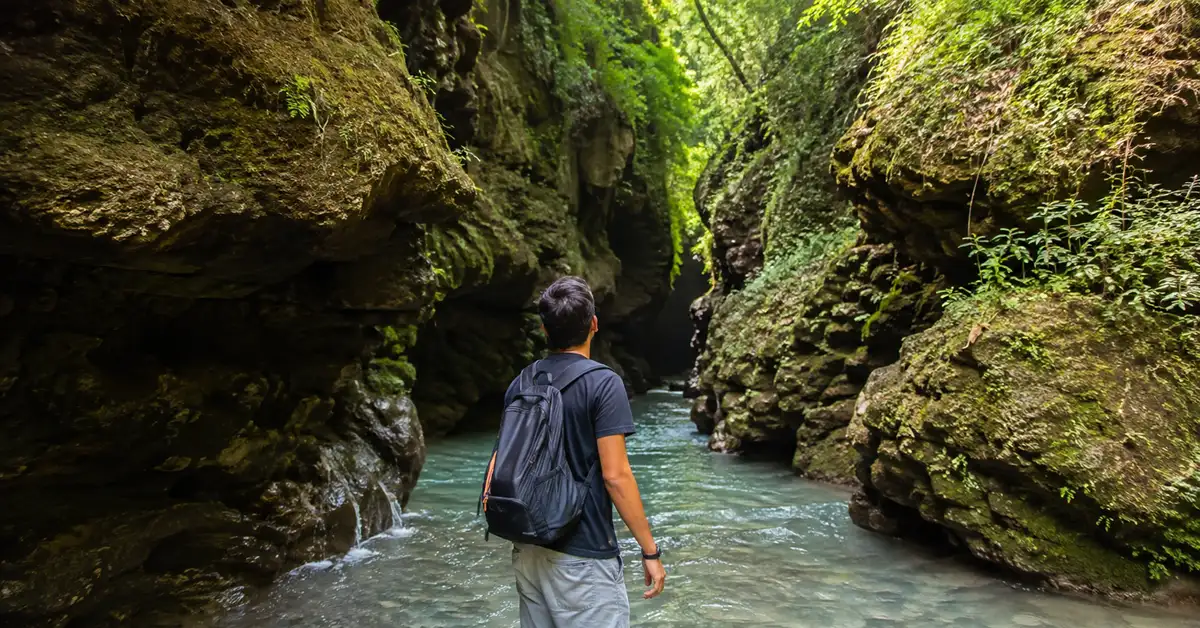
Dehradun Trip: A Complete Travel Guide for 3 Days – Best Places, Itinerary, Food, Hotels and Travel Tips
A Dehradun trip is perfect for travellers who want a holiday that combines nature, history, spirituality, food and relaxed city experiences without having to travel deep into the mountains. Located in the Doon Valley and surrounded by the Himalayan foothills, Dehradun has a character that is quite different from typical hill stations.
The city is known for its prestigious educational and research institutions, forested surroundings, temples, caves, waterfalls, monasteries, markets and increasingly popular cafés. It is also one of the most convenient gateways to Uttarakhand, making it possible to combine Dehradun with Mussoorie, Rishikesh, Haridwar or other destinations.
What makes the city especially attractive is the variety of experiences available within a relatively manageable area. One morning can be spent exploring the magnificent Forest Research Institute, followed by an afternoon adventure inside the natural stream at Robber’s Cave. Another day can take you to Sahastradhara and Tapkeshwar Mahadev Temple, while an evening can be reserved for local food and cafés.
For a first visit, three days is an excellent amount of time for Dehradun. It allows you to see the city’s major attractions without turning the holiday into a race between tourist spots. If you have more time, you can add Mussoorie, Rajaji National Park, Assan Barrage or quieter countryside experiences around the Doon Valley.
This guide focuses specifically on a practical three-day Dehradun holiday, with realistic planning rather than trying to include every possible attraction.
Destination at a Glance
| Travel Detail | Dehradun |
|---|---|
| Country / State | India / Uttarakhand |
| Ideal Trip Duration | 3 days |
| Best Time to Visit | March to June and October to November |
| Currency | Indian Rupee (₹) |
| Language | Hindi, English and Garhwali; other languages are also commonly understood in tourist areas |
| Time Difference | None for Indian travellers |
| Visa Requirement | Not applicable for Indian citizens |
| Suitable For | Couples, families, solo travellers, friends and groups |
| Budget Stay | Approximately ₹1,000–₹2,500 per night |
| Mid-Range Stay | Approximately ₹2,500–₹5,500 per night |
| Luxury Stay | Approximately ₹6,000–₹15,000+ per night |
| Daily Budget – Solo | Approximately ₹1,500–₹3,500 |
| Daily Budget – Couple | Approximately ₹3,500–₹7,000 |
| Daily Budget – Family of Four | Approximately ₹5,500–₹10,000 |
| Daily Budget – Group | Approximately ₹1,800–₹4,000 per person |
These are planning estimates rather than fixed prices. Hotel rates, taxi charges and restaurant prices can rise considerably during weekends, school holidays and peak travel periods.
Why Visit Dehradun?
Dehradun is sometimes overlooked because many travellers use it simply as a gateway to Mussoorie. Spending time in the city, however, reveals that there is considerably more to explore.
A Destination That Combines Nature and Culture
The biggest advantage of Dehradun is variety.
You can visit a cave in the morning, a historic institution in the afternoon and a Buddhist monastery or ancient temple later in the day.
This makes the city particularly suitable for families and travellers who don’t want a holiday consisting entirely of trekking or sightseeing from one viewpoint to another.
Excellent for a Short Break
Dehradun is particularly convenient for a two- or three-day holiday from Delhi and other northern Indian cities.
You don’t need an elaborate itinerary to enjoy the destination. A well-planned three-day trip can cover the city’s principal attractions while leaving enough time for meals, shopping and relaxation.
A Gateway to the Himalayas
Dehradun’s geographical position makes it a useful base for exploring other parts of Uttarakhand.
Mussoorie is the most obvious extension, while Rishikesh and Haridwar are also relatively accessible.
If you are planning a larger Uttarakhand holiday, Dehradun can therefore function as both a destination and a transportation hub.
Excellent Food Scene
The city’s food culture is another reason to visit.
You will find traditional North Indian meals, Garhwali specialities, Tibetan food, momos, thukpa, bakeries, cafés, street food and modern restaurants.
For travellers who enjoy trying local food, Dehradun is much more interesting than it may initially appear.
Interesting Architecture and Heritage
The Forest Research Institute is one of the best examples of Dehradun’s architectural character.
Its monumental building, large grounds and museums create a very different sightseeing experience from the city’s natural attractions.
The institute also remains an important centre for forestry research and education.
Best Time to Visit Dehradun
Dehradun can be visited throughout the year, but the experience changes substantially from one season to another.
March to June
March and April are among the most pleasant months for exploring the city.
The weather is generally comfortable, greenery begins to appear across the valley and outdoor sightseeing is enjoyable.
May and June become warmer during the afternoon, but mornings and evenings can still be pleasant.
This is a good period for:
- Forest Research Institute
- Robber’s Cave
- Sahastradhara
- Tapkeshwar Temple
- Mindrolling Monastery
- Local markets
- Café hopping
- Short excursions
If travelling during May or June, start outdoor sightseeing early rather than leaving everything for the afternoon.
July to September
The monsoon brings abundant greenery to Dehradun and the surrounding hills.
It can be beautiful, but it is also the season requiring the most caution.
Water levels around streams and waterfalls can rise quickly, roads can become slippery and heavy rainfall can disrupt sightseeing.
Robber’s Cave, Sahastradhara and other water-based attractions should therefore be approached carefully during periods of intense rainfall.
Recent local discussions in August 2026 also show travellers being advised to reconsider water-based attractions during rainy conditions.
If you are travelling during the monsoon, don’t create a rigid itinerary. Keep indoor attractions and cafés as backup options.
October to November
This is arguably one of the best periods for a Dehradun trip.
The landscape remains green after the monsoon, the weather becomes more comfortable and outdoor sightseeing is generally easier.
October and November are especially attractive for travellers who want to combine Dehradun with Mussoorie.
December to February
Winter is a good option for people who enjoy cool weather.
Mornings and evenings can be quite cold, although afternoons may remain comfortable.
Pack a proper jacket, particularly if you intend to visit nearby hill areas.
Dehradun Weather at a Glance
| Season | What to Expect |
|---|---|
| March–April | Pleasant weather and comfortable sightseeing |
| May–June | Warm afternoons with relatively pleasant mornings and evenings |
| July–September | Heavy rain possible; lush greenery but weather-related disruptions |
| October–November | Comfortable temperatures and clear post-monsoon conditions |
| December–February | Cold mornings and evenings with cool winter days |
How Many Days Are Enough for Dehradun?
For most first-time travellers, three days is the sweet spot.
A two-day trip is possible, but you will need to prioritise attractions.
Three days lets you cover the major highlights without rushing.
Four days gives you time for additional nature experiences.
Five days or more makes sense if you want to combine Dehradun with Mussoorie, Rajaji National Park, Assan Barrage or other nearby destinations.
For this guide, the recommended duration is 3 days and 2 nights.
How to Reach Dehradun
By Air
The nearest airport is Jolly Grant Airport, also known as Dehradun Airport.
It is located in the Doiwala area and serves as the principal airport for Dehradun and the surrounding region.
The airport has air connections with major Indian cities, although routes and frequencies can change according to airline schedules.
From the airport, the journey to central Dehradun generally takes around 40–60 minutes depending on traffic and your exact destination.
A practical airport transfer budget is approximately ₹700–₹1,500 for a regular cab, although prices can be higher for premium or pre-booked airport transfers.
By Train
Dehradun Railway Station is one of the most convenient ways to reach the city.
Rail services connect Dehradun with several major Indian cities, making the train particularly useful for travellers from Delhi and northern India. The district administration lists rail connectivity with cities including Delhi, Lucknow, Mumbai, Kolkata and Varanasi.
For families and travellers carrying luggage, trains can be more comfortable and economical than road travel.
By Road
Dehradun has strong road connectivity with Delhi, Chandigarh, Haridwar, Rishikesh and other cities in northern India.
Delhi to Dehradun is roughly 240–250 km by road depending on the route.
The journey can take approximately 5–7 hours, but this should not be treated as a fixed travel time. Traffic, road conditions, weather and weekend congestion can add considerably to the journey.
Buses, private cars, taxis and self-drive vehicles are all practical options.
Local Transportation in Dehradun
Auto-Rickshaw
Autos are useful for short journeys around the city.
For longer sightseeing routes, confirm the fare before starting the journey if the vehicle is not using a meter.
Cab
A cab is the easiest option if you are travelling as a family or group.
A full-day local taxi can cost approximately ₹1,800–₹3,500 depending on the vehicle, route and duration.
For four or more people, sharing a cab can make sightseeing considerably more economical.
Two-Wheeler
Scooters and motorcycles can be useful for independent travellers.
However, avoid treating a rented scooter like a shortcut to every attraction. Some roads towards the hills are winding and can become slippery during rain.
Always wear a helmet and check the condition of the vehicle before accepting it.
Internet and SIM Connectivity
Indian travellers generally don’t need a new SIM card.
Major Indian telecom networks provide good connectivity across the main urban areas of Dehradun.
4G and 5G availability is generally good in the city, although coverage can weaken as you move into more remote forest and hill areas.
Hotels, cafés and restaurants commonly offer Wi-Fi.
If you are travelling internationally, an Indian SIM or eSIM can be useful for navigation, ride bookings, digital payments and hotel communication.
Is Dehradun Safe for Tourists?
Dehradun is generally a comfortable destination for tourists, but sensible precautions are still necessary.
The most important safety consideration is actually the terrain and weather rather than conventional tourist risks.
Follow these precautions:
- Avoid isolated roads and forest areas after dark.
- Don’t enter caves during heavy rain.
- Don’t stand close to rapidly flowing streams.
- Wear shoes with good grip at waterfalls and rocky attractions.
- Keep children close around water.
- Don’t leave expensive belongings unattended.
- Confirm taxi fares before travelling.
- Keep some cash for smaller shops and local transport.
- Check weather conditions before visiting outdoor attractions.
- Avoid attempting unfamiliar mountain roads at night.
During monsoon, weather should determine your itinerary rather than the other way around.
Dehradun Trip Budget
A three-day trip can be surprisingly affordable if you choose your accommodation and transportation sensibly.
Budget Solo Traveller
A solo traveller staying in a basic hotel or hostel and using local transport can expect to spend approximately:
₹1,500–₹2,500 per day
A comfortable solo traveller using cabs and eating at better restaurants should budget closer to:
₹3,000–₹5,000 per day
These figures exclude the cost of travelling to Dehradun.
Couple
For two people sharing a mid-range room:
₹3,500–₹7,000 per day
A couple choosing luxury accommodation, private transportation and premium restaurants can easily spend ₹8,000–₹15,000 or more per day.
Family of Four
A family should generally plan around:
₹5,500–₹10,000 per day
The largest variables will be the room configuration and whether you use a private taxi.
Group of Four to Six
Groups can often save money by sharing a private vehicle.
A practical estimate is:
₹1,800–₹4,000 per person per day
depending on accommodation, food and sightseeing choices.
Three-Day Dehradun Trip Itinerary
The itinerary below is designed to reduce unnecessary backtracking.
Day 1: Forest Research Institute, Robber’s Cave and Rajpur Road
Approximate sightseeing distance: 30–40 km
Travel mode: Cab, auto, self-drive or two-wheeler
Local transportation budget: ₹600–₹1,500 per person depending on group size
Approximate daily budget: ₹1,800–₹3,500 per person
Suggested hotel area: Rajpur Road, Dalanwala or central Dehradun
Morning
Have breakfast and leave for the Forest Research Institute.
Plan around 2–3 hours here.
The campus is large, and rushing through it simply to take a photograph of the main building misses much of what makes the attraction worthwhile.
Afternoon
Have lunch and then continue towards Robber’s Cave.
Allow around 1–1.5 hours for the cave itself.
Wear footwear with a good grip and carry an extra pair of clothes if you intend to walk through the water.
Evening
Return towards Rajpur Road.
Instead of adding another major attraction, spend the evening at a café or restaurant.
This is deliberately a relaxed part of the itinerary. After two outdoor attractions, there is little benefit in squeezing another location into the day.
Day 2: Sahastradhara and Tapkeshwar
Approximate sightseeing distance: 35–45 km
Travel mode: Private cab, self-drive or two-wheeler
Local transportation budget: ₹800–₹1,800 per person depending on group size
Approximate daily budget: ₹1,800–₹3,500 per person
Suggested hotel area: Rajpur Road or central Dehradun
Morning
Leave early for Sahastradhara.
The morning is preferable because the attraction can become busy later in the day.
Spend approximately 2–3 hours exploring the area.
Afternoon
Return towards the city and have lunch.
After some rest, head towards Tapkeshwar Mahadev Temple.
Evening
Spend the evening around central Dehradun.
This is a good time for shopping, local snacks or a relaxed dinner.
Day 3: Mindrolling Monastery, Clement Town and Local Shopping
Approximate sightseeing distance: 25–35 km
Travel mode: Cab, auto or self-drive
Local transportation budget: ₹500–₹1,500 per person depending on group size
Approximate daily budget: ₹1,500–₹3,000 per person
Morning
Visit Mindrolling Monastery in Clement Town.
Spend around 1.5–2 hours exploring the complex and Great Stupa.
Afternoon
Have lunch in or around Clement Town and then return towards central Dehradun.
Use the afternoon for shopping or exploring local markets.
Evening
If your departure is late, enjoy one final meal in Dehradun before heading to the railway station or airport.
Top Places to Visit in Dehradun
1. Forest Research Institute
The Forest Research Institute is one of the most recognisable landmarks in Dehradun.
It combines grand architecture, forestry history, museums and landscaped grounds.
Visitor Information
| Information | Details |
|---|---|
| Location | New Forest, Dehradun |
| Google Rating | Approximately 4.5/5; rating changes over time |
| Approx. Reviews | Several thousand |
| Indian Tourist Entry Fee | ₹100 according to the revised 2026 fee structure |
| Indian Museum Fee | Approximately ₹150 under the revised 2026 structure |
| Foreign Tourist Entry Fee | Approximately ₹1,000 |
| Foreign Tourist Museum Fee | Approximately ₹1,500 |
| Opening Time | Around 9:00 AM |
| Closing Time | Around 5:30 PM |
| Recommended Duration | 2–3 hours |
| Best Time | Morning |
| How to Reach | Cab, auto, private vehicle or two-wheeler |
| Approx. Transport Cost | ₹150–₹500 one way from central areas |
| Practical Tip | Check the current visitor and museum rules before going; Sunday closure may apply |
There is an important reason to be careful with older articles about FRI.
The official tourism page still displays an older ₹20 museum fee, while FRI’s revised 2026 visitor structure was reported after its reopening in May. The reported Indian entry fee increased from ₹20 to ₹100.
Therefore, travellers should not blindly rely on older blog posts quoting ₹20 as the current entry fee.
Why Is FRI Famous?
The Forest Research Institute is one of India’s best-known forestry institutions.
Its impressive main building is one of the highlights, but the museums are equally important.
The institute’s exhibitions cover subjects related to forestry, forest products, wildlife conservation and forest ecology.
The enormous campus also provides a pleasant break from Dehradun’s traffic.
For photographers, the symmetrical architecture, columns, lawns and long corridors are particularly attractive.
What Should You Experience?
Take time to walk around the grounds rather than limiting the visit to the main building.
Explore the museums if they are open to visitors and look at the forestry-related displays.
The attraction is also a good choice for families because it combines sightseeing with educational content.
Is FRI Worth Visiting?
Yes.
For a first Dehradun trip, I would place it among the city’s top three attractions.
Its combination of history, architecture, greenery and education makes it significantly different from the waterfalls and temples elsewhere in the itinerary.
2. Robber’s Cave or Gucchupani
Robber’s Cave is probably the most unusual natural attraction within easy reach of Dehradun.
The local name is Gucchupani.
The attraction consists of a natural cave through which a stream flows. Visitors can walk through sections of the water channel and explore the rocky passage.
Uttarakhand Tourism describes Gucchupani as a natural cave with a subterranean river and a small waterfall at the end of the accessible cave route.
Visitor Information
| Information | Details |
|---|---|
| Location | Gucchupani, near Anarwala, Dehradun |
| Google Rating | Approximately 4.3/5 |
| Approx. Reviews | More than 16,000 on recent listings |
| Entry Fee | Approximately ₹25–₹50 per person; verify locally |
| Opening Time | Around 7:00 AM |
| Closing Time | Around 6:00 PM |
| Recommended Duration | 1–1.5 hours |
| Best Time | Morning or late afternoon in dry weather |
| How to Reach | Cab, auto, private vehicle or two-wheeler |
| Approx. Transport Cost | ₹150–₹500 one way from central Dehradun |
| Practical Tip | Wear non-slip footwear and avoid entering during heavy rainfall |
Why Is Robber’s Cave Famous?
The attraction is famous because of its unusual geological formation and underground stream.
You don’t simply stand outside and look at a cave.
You actually walk through the water and rocky passage.
That makes it an engaging attraction for couples, young travellers and families with older children.
The popular name “Robber’s Cave” comes from local stories that the cave was once used as a hiding place by robbers.
Whether you are interested in the legend or not, the natural landscape is the real reason to visit.
What Should You Experience?
The stream is the centrepiece of the attraction.
Take your time walking through the accessible sections rather than rushing from entrance to exit.
The cave is also cooler than the surrounding area, which can make the experience particularly pleasant during warmer months.
Carry a change of clothes if you expect to get wet.
Is Robber’s Cave Worth Visiting?
Yes, but weather conditions matter.
In dry and stable weather, it is one of the most enjoyable experiences in Dehradun.
During heavy monsoon rain, however, don’t force the visit merely because it appears on your itinerary.
Water levels can change quickly, and wet rocks can become extremely slippery.
A Practical Tip About Crowds
Robber’s Cave is one of the city’s popular attractions, so don’t expect an isolated wilderness experience.
Recent local traveller discussions describe the site as frequently crowded, particularly on holidays and weekends.
For a quieter experience, arrive early.
This also makes photography easier and gives you more time to enjoy the cave without constantly moving around groups.
What Makes This Three-Day Plan Better?
The biggest mistake people make with Dehradun is trying to cover everything in one day.
A typical rushed plan might include Sahastradhara, Robber’s Cave, Tapkeshwar, FRI, Mindrolling Monastery and several other attractions from morning until evening.
Technically, it may be possible.
But it isn’t a good holiday.
The three-day structure deliberately groups attractions and leaves enough time for meals, traffic, weather changes and unexpected delays.
It also gives you an opportunity to experience Dehradun rather than simply photograph it.
3. Sahastradhara
Sahastradhara is one of the most popular natural attractions in Dehradun and a classic inclusion in a first-time Dehradun itinerary.
The name Sahastradhara is generally interpreted as “thousand-fold spring” or “thousand streams,” referring to the numerous streams and water flows associated with the area. The attraction is known for its mineral-rich spring water, rocky surroundings and lush landscape.
Recent Google-based listings show Sahastradhara Natural Spring at approximately 4.3/5 from more than 21,000 reviews, although ratings and review numbers naturally change over time.
Sahastradhara Visitor Information
| Information | Details |
|---|---|
| Location | Sahastradhara Road, Dehradun |
| Google Rating | Approximately 4.3/5 |
| Approx. Google Reviews | 21,000+ |
| Basic Entry | Generally no separate entry fee for the natural spring area |
| Ropeway / Activities | Separate charges may apply |
| Opening Time | Generally accessible during daytime; individual facilities have different timings |
| Closing Time | Usually by evening; verify locally |
| Recommended Duration | 2–3 hours |
| Best Time | Morning and post-monsoon months with safe weather |
| How to Reach | Taxi, auto, private car or two-wheeler |
| Approx. Transport Cost | ₹300–₹700 one way from central Dehradun |
| Practical Tip | Avoid entering the water during heavy rain or when water levels are high |
Why Is Sahastradhara Famous?
The main attraction is the natural landscape.
Water flows down the rocky slopes, creating small cascades and pools. The surrounding hills and greenery make the area particularly attractive during pleasant weather.
The spring water is traditionally associated with sulphur and mineral content, and visitors often associate it with therapeutic benefits. However, it is better to enjoy the water as a natural experience rather than treating traditional claims about its medicinal properties as a substitute for medical treatment.
The attraction is also popular because it works for several types of travellers.
Families can spend a few hours here, couples can enjoy the scenery, and photographers can capture the combination of rocks, water and greenery.
What Should You Experience at Sahastradhara?
Don’t arrive expecting a remote waterfall hidden deep inside a forest.
Sahastradhara is a developed tourist attraction with shops, food stalls and recreational facilities around it.
The best approach is to arrive relatively early, explore the natural spring area, enjoy the surroundings and then decide whether you want to add the nearby recreational activities.
The area can become crowded on weekends and holidays.
If you’re looking for peaceful photography, early morning is much better than the middle of the day.
Is Sahastradhara Worth Visiting?
Yes, particularly for first-time visitors.
It is not the most untouched natural attraction around Dehradun, but its accessibility makes it worthwhile.
The major exception is heavy monsoon weather.
Water-based attractions around Dehradun should never be treated casually during intense rainfall. Sudden changes in water flow can make normally safe areas dangerous.
4. Tapkeshwar Mahadev Temple
Tapkeshwar Mahadev Temple is one of Dehradun’s most distinctive religious attractions.
The temple is located inside a natural cave, and water droplets continuously fall from the rock above the Shiva lingam. This natural phenomenon is closely associated with the name Tapkeshwar.
The temple is dedicated to Lord Shiva and has deep religious significance for devotees visiting Dehradun.
Tapkeshwar Mahadev Temple Visitor Information
| Information | Details |
|---|---|
| Location | Birpur, Dehradun |
| Google Rating | Approximately 4.7/5 |
| Approx. Google Reviews | 26,000+ |
| Entry Fee | Free |
| Opening Time | Around 4:00 AM |
| Closing Time | Around 10:30 PM according to current visitor listings |
| Recommended Duration | 1–2 hours |
| Best Time | Early morning or evening; avoid peak crowds |
| How to Reach | Taxi, auto, private vehicle or two-wheeler |
| Approx. Transport Cost | ₹150–₹500 from central Dehradun depending on transport |
| Practical Tip | Dress respectfully, remove footwear and be particularly careful around wet stone surfaces |
Current visitor listings show Tapkeshwar Mahadev Mandir at approximately 4.7/5 from more than 26,000 Google reviews, with free admission and listed hours of roughly 4:00 AM to 10:30 PM.
Why Is Tapkeshwar Temple Famous?
The temple’s biggest attraction is its natural cave setting.
Unlike a conventional temple constructed as a standalone building, Tapkeshwar is integrated into the cave itself.
Water droplets fall naturally from the ceiling onto the Shiva lingam, creating the feature for which the temple is famous.
The temple is also connected with legends associated with the Mahabharata. Local tradition identifies the cave with Dronacharya and stories surrounding his son Ashwatthama.
These are religious traditions rather than independently established historical facts, but they form an important part of the cultural identity of the temple.
What Should Visitors Experience?
The most meaningful experience is simply spending some quiet time inside the cave.
You will notice the temperature change as you move into the cave, hear the sound of water and encounter the shrine within the natural rock surroundings.
There are additional shrines around the temple complex.
Because this is an active place of worship rather than merely a tourist attraction, visitors should behave accordingly.
Remove footwear where required, dress respectfully and avoid disturbing worshippers.
Photography restrictions may apply inside religious areas, so follow instructions at the temple.
Is Tapkeshwar Temple Worth Visiting?
Yes, especially if you are interested in spirituality, mythology or unusual natural settings.
It is also a good attraction for families and older travellers because there is no long trek involved.
However, the wet stone surfaces can be slippery, so people with mobility issues should take extra care.
During heavy rainfall, check local conditions before visiting because the surrounding water flow can increase.
5. Mindrolling Monastery
Mindrolling Monastery, popularly known by many visitors as the Buddha Temple, is one of the most peaceful places to visit in Dehradun.
Located in Clement Town, it offers an entirely different experience from Dehradun’s caves, waterfalls and busy markets.
The monastery was established in Dehradun in 1965 and has become an important centre of Tibetan Buddhist learning and culture.
Current Google listings show a rating of approximately 4.6/5 from more than 5,000 reviews.
Mindrolling Monastery Visitor Information
| Information | Details |
|---|---|
| Location | Clement Town, Dehradun |
| Google Rating | Approximately 4.6/5 |
| Approx. Google Reviews | 5,000+ |
| General Entry Fee | Free |
| Great Stupa | Open to daytime visitors |
| Official Stupa Opening | From 9:00 AM |
| Recommended Duration | 1.5–2 hours |
| Best Time | Morning or late afternoon |
| How to Reach | Taxi, auto, cab or private vehicle |
| Approx. Transport Cost | ₹200–₹500 from central Dehradun |
| Practical Tip | Remove footwear where required and follow photography restrictions inside religious areas |
The monastery’s own visitor information states that daytime visits to the Great Stupa do not require advance arrangements and that the Stupa opens every day from 9:00 AM.
There is some inconsistency among travel listings regarding timings for different sections of the complex. The Government of India’s Incredible India portal lists general visitor timings of 10:00 AM to 7:00 PM, while the monastery’s own visitor page specifically confirms the Great Stupa opening from 9:00 AM. For this reason, it is better to plan around the official information for the specific area you intend to visit.
Why Is Mindrolling Monastery Famous?
The first thing that stands out is the architecture.
The colourful Tibetan-style buildings, murals, gardens and enormous Buddhist structures create a visual experience unlike most other places in Dehradun.
The Great Stupa is particularly impressive.
The monastery is also significant because it represents Tibetan Buddhist traditions and provides visitors with an opportunity to experience an important cultural institution without travelling to the Himalayan border regions.
What Should You Experience?
Spend some time walking through the gardens.
Observe the architectural details rather than simply taking a quick photograph.
The monastery complex and surrounding area also have shops and eateries, making Clement Town a convenient place to spend a few hours.
Visitors should remember that this is a religious institution.
Photography and videography may be restricted inside particular areas. Shoes must also be removed where required.
Is Mindrolling Monastery Worth Visiting?
Definitely.
It is one of the best places in Dehradun for travellers looking for a peaceful break from traffic and sightseeing.
It is particularly suitable for:
- Families
- Couples
- Senior travellers
- Photographers
- Architecture enthusiasts
- People interested in Buddhism and Tibetan culture
You don’t need an entire day here. Around two hours is enough for most visitors.
6. Dehradun Zoo and Malsi Deer Park
Dehradun Zoo, located along the Mussoorie Road, is also known historically as Malsi Deer Park.
For families travelling with children, this can be a useful addition to the itinerary.
The attraction has expanded beyond the original deer park concept and now functions as a zoological park with a variety of animals and bird species.
Recent Google-based listings place the attraction around 4.2/5 with more than 21,000 reviews.
Dehradun Zoo Visitor Information
| Information | Details |
|---|---|
| Location | Mussoorie Road, Dehradun |
| Google Rating | Approximately 4.2/5 |
| Approx. Google Reviews | 21,000+ |
| Approx. Entry Fee | Around ₹100 per person according to recent visitor information |
| Opening Time | Around 10:00 AM |
| Closing Time | Around 5:00 PM |
| Weekly Closure | Monday according to current visitor information |
| Recommended Duration | 2–3 hours |
| Best Time | Morning |
| How to Reach | Taxi, auto or private vehicle |
| Approx. Transport Cost | ₹250–₹600 one way |
| Practical Tip | Wear comfortable shoes because the zoo involves considerable walking |
Recent visitor information reports an entry fee of approximately ₹100 and operating hours of around 10:00 AM to 5:00 PM, with Monday closure. Verify the current fee and opening status before visiting because zoo schedules can change.
Why Visit Dehradun Zoo?
The main reason is families.
Children generally enjoy seeing the animals and birds, and the attraction provides a change of pace from temples, caves and museums.
It is also located on the Mussoorie side of Dehradun, so it can be incorporated into an itinerary heading towards Rajpur Road or Mussoorie.
Is It Worth Visiting?
For families with children:
Yes.
For couples travelling without children or travellers with only three days in Dehradun:
Optional.
If this is your first trip and you have limited time, I would prioritise FRI, Robber’s Cave, Sahastradhara, Tapkeshwar and Mindrolling Monastery before the zoo.
7. Dehradun Clock Tower
The Clock Tower, officially known as the Ghanta Ghar, is one of the most recognisable landmarks in central Dehradun.
It stands in the heart of the city and provides an easy introduction to Dehradun’s commercial centre.
Clock Tower Visitor Information
| Information | Details |
|---|---|
| Location | Rajpur Road / Gandhi Road area, central Dehradun |
| Google Rating | Approximately 4.2/5 |
| Approx. Reviews | 2,000+ |
| Entry Fee | Free |
| Opening / Closing | Outdoor landmark; accessible throughout the day |
| Recommended Duration | 30–60 minutes |
| Best Time | Evening |
| How to Reach | Auto, taxi, local transport or walking from nearby areas |
| Approx. Transport Cost | ₹50–₹250 depending on starting point |
| Practical Tip | Combine the visit with Paltan Bazaar rather than travelling here solely for the tower |
The Government of India’s tourism portal describes the Clock Tower as a landmark in the centre of Dehradun and a gateway to the city’s markets and surrounding attractions.
Why Is the Clock Tower Famous?
The Clock Tower is not a destination where you need to spend half a day.
Its importance lies in its role as a symbol of the city.
The tower sits amid one of Dehradun’s busiest urban areas and provides a convenient starting point for exploring the surrounding markets.
The nearby Paltan Bazaar is particularly useful if you want to experience everyday Dehradun rather than only visiting tourist attractions.
What Should You Experience?
Visit the tower around late afternoon or evening.
Then walk through the surrounding market areas.
This is where you can observe the everyday rhythm of the city, shop for inexpensive items and sample local snacks.
It is a much more authentic urban experience than simply spending the entire holiday inside cafés designed for tourists.
Is Clock Tower Worth Visiting?
Yes, but as part of a larger central Dehradun outing.
Don’t travel across the city only to spend 20 minutes looking at the tower.
Instead, combine it with:
- Paltan Bazaar
- Local food
- Shopping
- Café visits
- Gandhi Park
- Central Dehradun streets
8. Regional Science Centre
If you are travelling with children or teenagers, the Regional Science Centre can be a worthwhile addition.
The attraction focuses on interactive science and technology experiences rather than traditional museum displays.
The Government of India’s Incredible India portal lists the centre’s opening hours as approximately 10:00 AM to 5:00 PM.
Regional Science Centre Visitor Information
| Information | Details |
|---|---|
| Location | Vigyan Dham, Jhajra, Dehradun |
| Google Rating | Check current listing before visiting |
| Entry Fee | Varies by visitor category and activities |
| Opening Time | 10:00 AM |
| Closing Time | 5:00 PM |
| Recommended Duration | 1.5–2.5 hours |
| Best Time | Morning or early afternoon |
| How to Reach | Taxi or private vehicle |
| Approx. Transport Cost | ₹300–₹700 one way from central Dehradun |
| Practical Tip | Particularly suitable for families with school-age children |
Why Visit the Regional Science Centre?
The centre uses interactive exhibits to introduce visitors to science and technology.
Rather than simply reading information boards, children can interact with displays and explore scientific concepts.
The Government of India’s tourism information highlights exhibits connected with robotics, renewable energy, technology and sustainable living.
Is It Worth Visiting?
If you have children:
Yes.
If you’re travelling as a couple or solo traveller with only three days:
Optional.
It should not replace the city’s signature attractions unless science museums are a particular interest.
9. Paltan Bazaar
Paltan Bazaar is not a conventional sightseeing attraction, but it deserves a place in a good Dehradun travel guide.
This is where you can experience the commercial side of the city.
The streets around the Clock Tower are busy, colourful and full of shops selling clothing, household items, local products, snacks and everyday goods.
Paltan Bazaar Visitor Information
| Information | Details |
|---|---|
| Location | Central Dehradun near Clock Tower |
| Entry Fee | Free |
| Recommended Duration | 1–2 hours |
| Best Time | Late afternoon or evening |
| How to Reach | Auto, taxi or local transport |
| Approx. Transport Cost | ₹50–₹250 depending on starting point |
| Practical Tip | Expect crowds and bargain politely at suitable shops |
Why Visit Paltan Bazaar?
Because travel isn’t only about monuments.
A market tells you how a city actually lives.
Walk through the lanes, look at local products, try snacks and observe the different types of shops.
It is also one of the better places to buy inexpensive souvenirs.
For families and couples, combining the Clock Tower with Paltan Bazaar makes much more sense than treating them as two separate sightseeing stops.
Dehradun’s Best Attractions by Traveller Type
| Traveller Type | Best Attractions |
|---|---|
| Couples | Robber’s Cave, Sahastradhara, Mindrolling Monastery, Rajpur Road |
| Families | FRI, Dehradun Zoo, Sahastradhara, Regional Science Centre |
| Senior Travellers | FRI, Mindrolling Monastery, Clock Tower, selected temples |
| Solo Travellers | FRI, Robber’s Cave, Paltan Bazaar, Mindrolling Monastery |
| Photography Lovers | FRI, Mindrolling Monastery, Sahastradhara, Robber’s Cave |
| Spiritual Travellers | Tapkeshwar Mahadev Temple, Mindrolling Monastery |
| Children | Dehradun Zoo, Regional Science Centre, FRI |
| Adventure Seekers | Robber’s Cave and nearby nature/trekking areas |
Which Places Should You Prioritise on a 3-Day Trip?
If you have exactly three days, don’t try to visit every attraction.
My priority order would be:
Must Visit
- Forest Research Institute
- Robber’s Cave
- Sahastradhara
- Tapkeshwar Mahadev Temple
- Mindrolling Monastery
Worth Adding If You Have Time
- Dehradun Zoo
- Clock Tower and Paltan Bazaar
- Regional Science Centre
This distinction is important.
A good travel itinerary isn’t the one containing the largest number of attractions. It is the one where you actually have time to enjoy the places you visit.
A Better Way to Plan the Three Days
Day 1
FRI → Robber’s Cave → Rajpur Road
This is your architecture, nature and café day.
Day 2
Sahastradhara → Tapkeshwar Temple → Central Dehradun
This combines nature with spirituality and local city experiences.
Day 3
Mindrolling Monastery → Clement Town → Shopping → Departure
This gives you a quieter final day.
If travelling with children, substitute the third day’s shopping time with Dehradun Zoo or the Regional Science Centre.
Practical Advice About Monsoon Sightseeing
This deserves special attention because Dehradun has several attractions involving water.
Don’t visit a waterfall or stream simply because a travel blog says it is “beautiful in monsoon.”
Weather conditions change.
A place that is perfectly enjoyable in dry weather can become dangerous after a few hours of intense rainfall.
Tapkeshwar Temple itself has also been discussed by recent visitors in the context of rainy-season conditions. Local travellers have specifically advised checking conditions before visiting during periods of heavy rain.
During heavy rain:
- Skip Robber’s Cave if conditions are unsafe.
- Avoid standing beside fast-moving streams.
- Don’t climb wet rocks for photographs.
- Avoid unnecessary night driving.
- Keep an indoor alternative ready.
- Follow local instructions even if the weather appears to be improving.
Best Areas to Stay in Dehradun
The choice of neighbourhood can affect how much time you spend in traffic.
Rajpur Road
One of the best choices for first-time visitors.
It offers:
- Restaurants
- Cafés
- Shopping
- Better hotel selection
- Convenient access towards Mussoorie
- A lively evening atmosphere
Approximate room rates:
₹2,500–₹8,000+ per night
Central Dehradun
Good for travellers who want access to:
- Clock Tower
- Paltan Bazaar
- Local restaurants
- Railway station
- Budget accommodation
Approximate range:
₹1,000–₹4,000 per night
Clement Town
A good option if Mindrolling Monastery and the Tibetan cultural side of Dehradun are important to your trip.
Approximate range:
₹1,500–₹4,500 per night
Sahastradhara Road
Useful for travellers who want a quieter stay and easy access to Sahastradhara.
Approximate range:
₹1,500–₹6,000+ per night
Where Should You Stay for This 3-Day Itinerary?
For most first-time travellers, I would choose Rajpur Road or central Dehradun.
Rajpur Road works particularly well for couples and families who want better restaurants and evening options.
Central Dehradun is better for budget travellers and people who want easy access to the railway station and local markets.
Clement Town makes sense when Mindrolling Monastery is a major priority.
Important Travel Tip: Don’t Underestimate Dehradun Traffic
Dehradun may look compact on a map, but traffic can change your plans considerably.
Recent local discussions have highlighted congestion around several parts of the city, particularly during busy periods.
Therefore, when planning your itinerary:
Don’t schedule two attractions on opposite sides of the city with only 30 minutes between them.
Allow additional time for traffic.
Leaving early in the morning can make a surprisingly large difference.
Dehradun Trip: Quick Planning Summary
| Requirement | Best Choice |
|---|---|
| Best duration | 3 days / 2 nights |
| Best season | March–June and October–November |
| Best area for first-time stay | Rajpur Road or central Dehradun |
| Best heritage attraction | Forest Research Institute |
| Best adventure attraction | Robber’s Cave |
| Best natural attraction | Sahastradhara |
| Best spiritual attraction | Tapkeshwar Mahadev Temple |
| Best peaceful attraction | Mindrolling Monastery |
| Best family attraction | Dehradun Zoo |
| Best market experience | Paltan Bazaar |
| Best city landmark | Clock Tower |
| Best transport for sightseeing | Private cab for families/groups |
| Budget daily spend | ₹1,500–₹3,500 per person |
| Main monsoon concern | Heavy rainfall and rapidly changing water conditions |
Recommended Hotels in Dehradun
The best area to stay depends on the type of holiday you want.
For a first visit, Rajpur Road is my preferred choice because it gives you good access to restaurants, cafés, shopping and the Mussoorie side of the city.
Central Dehradun is more convenient for budget travellers, while Clement Town is useful if Mindrolling Monastery is a major part of your plan.
Budget Hotels
For budget accommodation, expect approximately ₹1,000–₹2,500 per night for a basic double room, although prices can be higher on weekends.
Best for Budget Travellers
Look around:
- Clock Tower
- Paltan Bazaar
- Railway Station area
- Patel Nagar
- ISBT side
The advantage is lower room prices and easy access to local transport.
The disadvantage is that these areas can be considerably busier and noisier than Rajpur Road.
Mid-Range Hotels
A practical mid-range budget is around ₹2,500–₹6,000 per night.
Hotel Aketa is on Rajpur Road and is a useful option for travellers wanting a hotel in a convenient location.
Hotel Madhuban is another established option on Rajpur Road.
Seyfert Sarovar Premiere near ISBT is worth considering if you prefer a larger full-service hotel and easy road access.
Hotel prices vary substantially according to dates, room category and availability, so use these ranges only for initial planning.
Luxury Hotels
For a more premium experience, Dehradun now has several high-end hotels and resorts.
Hyatt Centric Dehradun on Rajpur Road is particularly convenient for travellers who want a luxury stay while remaining close to restaurants and shopping.
Hyatt Regency Dehradun Resort and Spa is another upscale choice, located towards the Malsi/Mussoorie Road side of the city.
Fairfield by Marriott Dehradun is another established premium accommodation option around Malsi.
For luxury accommodation, keep approximately ₹8,000–₹20,000+ per night in mind, although promotional rates can sometimes be lower and peak-period rates can be considerably higher.
Best Area to Stay in Dehradun
| Area | Best For |
|---|---|
| Rajpur Road | Couples, families, first-time visitors, cafés and restaurants |
| Central Dehradun | Budget travellers, markets and railway station access |
| Clement Town | Mindrolling Monastery and quieter surroundings |
| Sahastradhara Road | Nature-focused stays and access to Sahastradhara |
| Malsi / Mussoorie Road | Luxury hotels and resorts |
| ISBT / Haridwar Bypass | Road travellers and budget-conscious visitors |
For most people, Rajpur Road offers the best balance.
Must-Try Food on a Dehradun Trip
Food deserves its own section because Dehradun has a much more interesting culinary scene than many short travel guides suggest.
You should try a mixture of local Uttarakhandi food, Tibetan dishes, North Indian food and the city’s famous bakery products.
1. Garhwali or Pahadi Thali
If this is your first trip to Uttarakhand, don’t leave without trying a traditional Pahadi meal.
Depending on the restaurant, a thali can include several preparations made with local grains, lentils, leafy vegetables and seasonal ingredients.
Expect approximately ₹250–₹500 per person at a decent restaurant.
2. Kafuli
Kafuli is one of the dishes associated with Uttarakhand’s traditional cuisine.
It is generally prepared using leafy greens and spices and is particularly interesting for travellers who want to move beyond standard North Indian restaurant food.
3. Jhangora Ki Kheer
Jhangora is a traditional hill millet, and its preparation as a sweet kheer makes for an unusual dessert.
It is worth trying if you find it on a genuine Uttarakhandi menu.
4. Aloo ke Gutke
This simple potato preparation is closely associated with Uttarakhand.
It uses local spices and makes an excellent accompaniment to rotis or a traditional thali.
5. Kandalee Ka Saag
Kandalee is a traditional leafy preparation associated with Uttarakhand.
It may not appear on every restaurant menu, so treat it as a bonus if you find it.
6. Momos
Dehradun has a strong Tibetan food influence.
Momos are easy to find, particularly around Rajpur Road and Clement Town.
You can usually find vegetarian and non-vegetarian versions.
A typical plate may cost around ₹100–₹250, depending on the restaurant.
7. Thukpa
A bowl of hot Tibetan noodle soup is especially enjoyable during winter.
It is also a good vegetarian option.
8. Bun Tikki and Street Snacks
For something inexpensive, explore local snack shops rather than only eating in cafés.
A recent Google listing for Vicky Kashyap’s Dwarka Bun Tikki shows it as a popular budget street-food option, with individual items generally falling in the inexpensive range.
9. Dehradun Bakery Products
Dehradun has a long bakery tradition.
Ellora’s Bakery, established more than seven decades ago, remains particularly associated with old-style baked goods and its famous caramelised stick jaws. Recent reporting describes the bakery as a 73-year-old Dehradun institution with hundreds of sweet and savoury products.
If you enjoy old-fashioned bakery products, this is one experience worth adding.
10. Dehradun Litchi
Dehradun is strongly associated with litchi cultivation.
The city’s horticultural identity includes litchi and other fruit production, and Uttarakhand’s tourism and policy material recognises litchi as an important regional agricultural product.
If you’re visiting during the litchi season, try fresh local fruit or juice.
Vegetarian Food in Dehradun
Vegetarians should have no difficulty finding food.
Good choices include:
- Pahadi thali
- Kafuli
- Aloo ke gutke
- Jhangora kheer
- Veg momos
- Veg thukpa
- Paneer dishes
- Dal
- Stuffed parathas
- South Indian food
- Bakery products
For a reliable South Indian option, Udupi Cafe Bangalore Idli is located on EC Road and is useful if you want a break from North Indian and Tibetan food.
For North Indian food, Black Pepper Restaurant on Rajpur Road is a well-known option.
For Tibetan/Asian-style food, Kalsang Cafe and Restaurant on Rajpur Road is a popular choice with a large number of reviews.
For Uttarakhandi food, Yellow Hills Uttarakhandi and Multi Cuisine Restaurant is another option to consider.
Suggested Restaurants for Your Dehradun Trip
| Restaurant Type | Suggested Area / Restaurant | Approx. Budget |
|---|---|---|
| North Indian | Black Pepper Restaurant | ₹400–₹1,400 per person |
| Tibetan / Asian | Kalsang Cafe and Restaurant | ₹400–₹1,400 |
| Uttarakhandi | Yellow Hills Uttarakhandi and Multi Cuisine Restaurant | ₹200–₹1,400 |
| Budget Punjabi | Uss Da Dhaba | ₹100–₹300 |
| South Indian | Udupi Cafe Bangalore Idli | ₹200–₹400 |
| Mughlai | Kumar Foods | ₹200–₹1,200 |
| Local street food | Various Paltan Bazaar vendors | ₹50–₹250 |
Prices are approximate and depend on what you order.
For a more authentic experience, don’t spend every meal at a premium restaurant. Mix one proper restaurant meal with local breakfast, street snacks and bakery visits.
Shopping in Dehradun
Shopping can easily become part of your final evening.
The most interesting shopping areas are Paltan Bazaar, Tibetan Market and Rajpur Road.
The official Incredible India tourism portal specifically highlights Paltan Bazaar for local products, handicrafts and affordable shopping, while the Tibetan Market is known for winter wear, accessories and Tibetan-style products.
Paltan Bazaar
Paltan Bazaar is the place to go for affordable everyday shopping.
You can find:
- Clothes
- Footwear
- Bags
- Accessories
- Local snacks
- Basmati rice
- Souvenirs
- Small handicrafts
It is also close to the Clock Tower, making it easy to combine sightseeing and shopping.
Tibetan Market
For something different, explore the Tibetan Market.
Depending on the season, you may find:
- Woollens
- Mufflers
- Jackets
- Handmade accessories
- Buddhist decorative items
- Prayer flags
- Small souvenirs
Rajpur Road
Rajpur Road is better for travellers looking for:
- Branded stores
- Modern cafés
- Boutiques
- Lifestyle products
- Higher-end shopping
What to Buy in Dehradun
Good souvenirs include:
- Local spices
- Pahadi pickles
- Woollens
- Handicrafts
- Candles
- Wooden products
- Local tea
- Regional snacks
- Packaged hill products
- Litchi products when available
Traditional local shopping guides also highlight woollens, candles, Garhwali spices such as jakhiya and timur, millet products and regional food items.
Bargaining Tips
Bargaining is appropriate in many street markets, but don’t turn every purchase into an aggressive negotiation.
A practical approach is:
- Ask the price.
- Compare with another shop.
- Offer a reasonable lower price.
- If the seller refuses, decide whether the item is still worth buying.
- Don’t bargain aggressively with small artisans over a very small amount.
Remember that a difference of ₹50 may mean much more to a small seller than it does to a tourist.
Hidden Gems and Less-Discussed Experiences
Dehradun has several experiences that don’t always appear in short “top 10” lists.
Old Rajpur Road
The older section of Rajpur Road offers a more relaxed experience than the busy commercial sections.
This is a good area for slow drives, cafés and views towards the foothills.
Local travellers frequently recommend exploring the old Rajpur Road and nearby routes for a quieter experience.
Maldevta
Maldevta is worth considering if you have an extra half-day and want a more natural setting.
It is associated with streams, greenery and countryside landscapes.
Don’t expect a highly organised tourist attraction. That is precisely part of its appeal.
Shikhar Fall
If you’re interested in a short nature excursion, Shikhar Fall can be considered.
Conditions and accessibility can change, particularly during the rainy season, so don’t treat online descriptions of the trail as permanent.
Khalanga and Nearby Viewpoints
For travellers interested in sunset photography and quieter roads, areas around Khalanga and nearby viewpoints can be explored with local guidance.
Don’t venture into unfamiliar isolated areas alone after dark.
Photography Tips for Dehradun
Dehradun offers more photographic variety than you might expect.
FRI
The main building is best photographed in the morning when the light is softer.
Try symmetrical compositions from the central axis.
Robber’s Cave
Use a fast shutter speed if you want to capture water droplets.
A wide-angle lens is useful because the cave passages can be narrow.
Protect your phone or camera from water.
Mindrolling Monastery
The architecture is the star.
Use the surrounding gardens and open spaces to frame the main structures.
Respect restrictions around religious areas.
Sahastradhara
After rainfall, the landscape can become beautifully green.
However, don’t climb slippery rocks simply to obtain a better photograph.
A photograph is never worth risking a fall.
Common Tourist Mistakes in Dehradun
Mistake 1: Trying to Cover Everything in One Day
Dehradun has enough attractions to fill three days comfortably.
Don’t turn the holiday into a checklist.
Mistake 2: Ignoring Traffic
Distances can look short on Google Maps but take much longer during busy periods.
Allow buffers.
Mistake 3: Visiting Water Attractions During Heavy Rain
This is one of the most important mistakes to avoid.
Caves and streams are particularly sensitive to sudden rainfall.
Mistake 4: Booking a Hotel Without Checking the Location
A cheap hotel far from your planned attractions may cost you more in transportation and time.
Mistake 5: Eating Only at Tourist Cafés
You will miss much of Dehradun’s food culture.
Mix restaurants with local eateries, bakeries and street food.
Mistake 6: Treating Religious Places Like Photo Studios
Temples and monasteries are active places of worship.
Dress appropriately and follow photography rules.
Money-Saving Tips
A Dehradun trip does not have to be expensive.
Stay slightly away from premium Rajpur Road hotels
You can often find better room prices in central neighbourhoods.
Share taxis
For four or more travellers, sharing a private vehicle can be much cheaper than repeated individual rides.
Eat local
A traditional meal or local restaurant can cost considerably less than a premium café.
Use public transport for short distances
Where practical, combine local buses or autos with walking.
Travel midweek
Hotel rates are often more attractive on weekdays than on busy weekends, although actual prices vary.
Book major travel early
Train and flight prices can increase closer to the travel date.
Packing Checklist for Dehradun
- Comfortable walking shoes
- Light cotton clothes for summer
- Light jacket for evenings
- Warm jacket for winter
- Umbrella or lightweight rain jacket
- Small backpack
- Reusable water bottle
- Sunglasses
- Sunscreen
- Power bank
- Basic medicines
- Personal toiletries
- Extra clothes for Robber’s Cave
- Non-slip footwear during monsoon
- Government ID
- Some cash in small denominations
During monsoon, waterproofing your phone and other electronics is particularly useful.
Local Etiquette
Dehradun is relatively relaxed, but visitors should still respect local customs.
At temples:
- Remove footwear where instructed.
- Dress respectfully.
- Don’t interrupt prayers.
- Follow photography restrictions.
At monasteries:
- Maintain a quiet voice.
- Don’t touch religious objects without permission.
- Follow instructions regarding photography.
- Walk respectfully through prayer areas.
At local markets:
- Ask before photographing shopkeepers or vendors.
- Bargain politely.
- Don’t block narrow market lanes while taking photographs.
Important Safety Tips
For a normal city holiday, the precautions are straightforward.
Keep your phone and wallet secure in crowded markets.
Avoid poorly lit roads late at night.
If you rent a scooter, always wear a helmet.
Don’t drive after consuming alcohol.
If travelling with children, keep them close around water and crowded markets.
During monsoon, check weather conditions before travelling to natural attractions.
If road conditions deteriorate, postpone the excursion rather than taking unnecessary risks.
Complete 3-Day Dehradun Trip Plan
Here is the final itinerary in a compact format.
Day 1 – Heritage and Adventure
Morning
Breakfast → Forest Research Institute
Visit duration: 2–3 hours
Afternoon
Lunch → Robber’s Cave
Visit duration: 1–1.5 hours
Evening
Return to Rajpur Road → café/restaurant → relaxed evening
Distance covered: Approximately 30–40 km
Transport: Private cab, auto or self-drive
Local transport budget: ₹600–₹1,500 per person depending on group size
Daily sightseeing budget: Approximately ₹1,800–₹3,500 per person
Stay: Rajpur Road / central Dehradun
Day 2 – Waterfalls, Nature and Spirituality
Morning
Breakfast → Sahastradhara
Visit duration: 2–3 hours
Afternoon
Lunch → Tapkeshwar Mahadev Temple
Visit duration: 1–2 hours
Evening
Clock Tower → Paltan Bazaar → dinner
Distance covered: Approximately 35–45 km
Transport: Cab or self-drive
Local transport budget: ₹800–₹1,800 per person depending on group size
Daily sightseeing budget: Approximately ₹1,800–₹3,500 per person
Stay: Rajpur Road / central Dehradun
Day 3 – Buddhism, Food and Shopping
Morning
Breakfast → Mindrolling Monastery
Visit duration: 1.5–2 hours
Afternoon
Lunch → local shopping
Evening
Bakery visit / café → railway station or airport
Distance covered: Approximately 25–35 km
Transport: Cab, auto or self-drive
Local transport budget: ₹500–₹1,500 per person depending on group size
Daily budget: Approximately ₹1,500–₹3,000 per person
If travelling with children, replace part of the shopping time with Dehradun Zoo or the Regional Science Centre.
Suggested 3-Day Budget for Two People
| Expense | Approximate Cost for Two |
|---|---|
| Budget hotel – 2 nights | ₹2,000–₹5,000 |
| Mid-range hotel – 2 nights | ₹5,000–₹12,000 |
| Local transport | ₹2,000–₹4,500 |
| Food | ₹2,000–₹4,500 |
| Attractions | ₹300–₹1,500 depending on activities |
| Shopping | Optional |
| Total budget trip | Approximately ₹6,300–₹15,500 |
| Comfortable mid-range trip | Approximately ₹11,000–₹22,500 |
These estimates exclude the cost of reaching Dehradun and returning home.
Who Should Visit Dehradun?
Dehradun is particularly suitable for:
Couples: Excellent for cafés, relaxed drives, nature attractions and nearby Mussoorie.
Families: Excellent because the city offers museums, nature, temples and child-friendly attractions.
Solo travellers: Good connectivity and a wide variety of activities make the city relatively easy to explore independently.
Senior travellers: Many attractions don’t require strenuous trekking, although cave and slippery areas require caution.
Groups: A private cab can make group sightseeing economical.
Who May Not Enjoy Dehradun?
If your only goal is dramatic Himalayan mountain scenery and snow-covered peaks, Dehradun may not be the ideal standalone destination.
You may prefer Mussoorie, Dhanaulti, Auli or another mountain destination.
Dehradun is best understood as a valley city with access to nature and the Himalayas, rather than a high-altitude hill station.
Is a Dehradun Trip Worth It?
Yes.
But the real value of Dehradun lies in combining several types of experiences rather than expecting one spectacular landmark to define the entire trip.
The Forest Research Institute gives you heritage and architecture.
Robber’s Cave adds adventure.
Sahastradhara provides nature and water.
Tapkeshwar introduces spirituality and mythology.
Mindrolling Monastery brings Tibetan Buddhist culture.
Paltan Bazaar gives you the everyday personality of the city.
Food, cafés and local markets fill in everything between those major attractions.
That combination makes Dehradun an excellent short-break destination.
Frequently Asked Questions
How many days are enough for a Dehradun trip?
Three days are ideal for a first visit. This gives you enough time to see FRI, Robber’s Cave, Sahastradhara, Tapkeshwar Mahadev Temple and Mindrolling Monastery without rushing.
What is the best time to visit Dehradun?
March to June and October to December are generally good periods. Uttarakhand Tourism specifically identifies March–June and October–December as ideal periods, with summer temperatures reaching around 36°C and winter temperatures falling to around 5°C.
Is Dehradun good for a family trip?
Yes. FRI, Dehradun Zoo, Sahastradhara, Mindrolling Monastery and the Regional Science Centre provide a mixture of educational, cultural and recreational experiences.
What are the best places to visit in Dehradun in three days?
The top priorities are Forest Research Institute, Robber’s Cave, Sahastradhara, Tapkeshwar Mahadev Temple and Mindrolling Monastery. If you have additional time, add Dehradun Zoo, Clock Tower and Paltan Bazaar.
Is Dehradun expensive?
Not particularly. Budget travellers can explore the city at roughly ₹1,500–₹2,500 per person per day, excluding intercity travel. Couples and families can keep costs under control by sharing accommodation and taxis.
What food is Dehradun famous for?
Try Pahadi or Garhwali dishes such as kafuli, aloo ke gutke and jhangora ki kheer, along with Tibetan momos and thukpa and Dehradun’s traditional bakery products.
Is Robber’s Cave safe during monsoon?
It can become unsafe during heavy rainfall because water levels can change rapidly and rocks become slippery. Check local conditions and avoid entering the cave if authorities or local conditions indicate danger.
Can Dehradun and Mussoorie be covered together?
Yes. Dehradun and Mussoorie are commonly combined because of their proximity. However, for a relaxed holiday, three days in Dehradun plus two or three days in Mussoorie is better than trying to see both destinations in two or three rushed days.
Final Conclusion
A well-planned Dehradun trip doesn’t need to be long to be memorable.
With three days, you can experience the city’s most important attractions while still leaving room for good food, shopping and relaxed evenings.
Start with the architectural grandeur of the Forest Research Institute and the unusual natural experience at Robber’s Cave. Spend the second day exploring Sahastradhara and Tapkeshwar Mahadev Temple before experiencing the markets and food of central Dehradun. On the final day, slow down at Mindrolling Monastery, enjoy a Tibetan meal and use your remaining time for shopping or a family-friendly attraction.
The biggest advantage of this itinerary is that it doesn’t attempt to force every attraction into the schedule.
Dehradun is best enjoyed at a comfortable pace.
If you have more time, extend the trip towards Mussoorie or explore nearby nature areas. If you have only a weekend, focus on FRI, Robber’s Cave, Sahastradhara, Tapkeshwar and Mindrolling Monastery.
And don’t leave without trying some local Uttarakhandi food and visiting at least one of the city’s old markets or bakeries. Those small experiences often become more memorable than simply checking another tourist attraction off the list.
Disclaimer
Travel costs, hotel prices, attraction entry fees, transportation schedules, weather conditions, operating hours and local rules can change over time. Google ratings and review counts also change continuously. Travellers should verify the latest information, ticket prices, opening hours, weather conditions and transportation availability directly before starting their journey. During monsoon and other periods of extreme weather, local safety advisories should always take priority over a pre-planned itinerary.