Gangtok Trip Guide: Ultimate 5-Day Itinerary with Nathula Pass, Tsomgo Lake, Budget, Hotels and Travel Tips
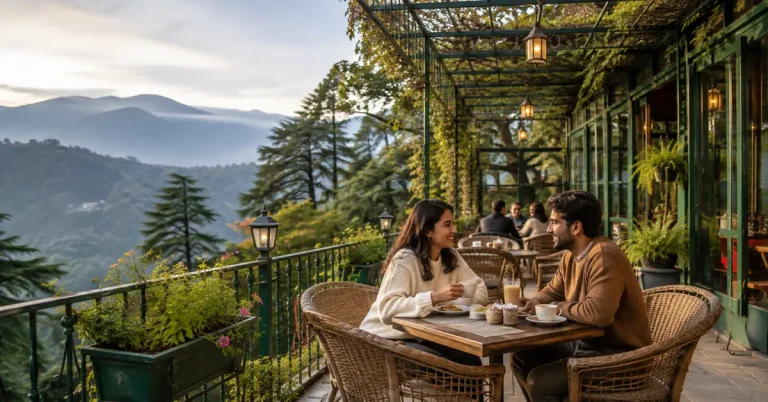
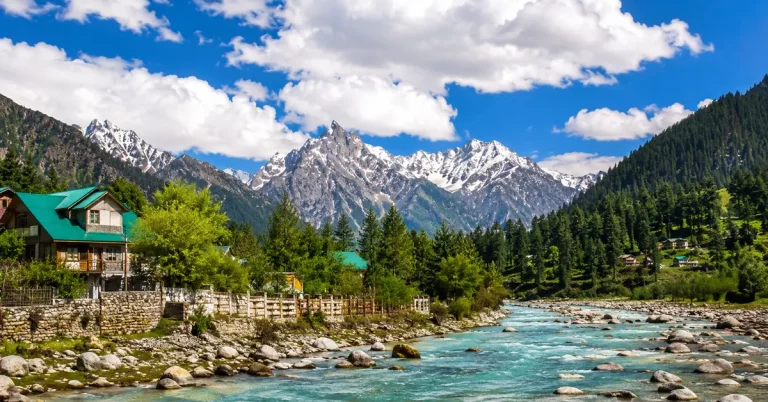
Nestled in the lap of the Eastern Himalayas, Gangtok is one of India’s most beautiful hill stations and the vibrant capital of Sikkim. Blessed with panoramic mountain views, peaceful monasteries, crystal-clear lakes, colorful markets, and warm hospitality, Gangtok offers a perfect blend of nature, spirituality, and adventure.
Whether you dream of witnessing the snow-covered beauty of Tsomgo Lake, standing near the historic Nathula Pass on the Indo-China border, strolling through the lively MG Marg, or enjoying breathtaking sunrise views over the Himalayas, Gangtok promises unforgettable experiences throughout the year.
Unlike many crowded hill destinations, Gangtok is known for its cleanliness, organized traffic, eco-friendly environment, and relaxed atmosphere. From honeymoon couples and families to solo backpackers and adventure enthusiasts, this Himalayan town welcomes every kind of traveler.
In this Gangtok Trip Guide, you’ll find everything required to plan your journey—from permits, transportation, and accommodation to sightseeing itineraries, local food, shopping, travel budgets, and practical tips—making it easier to enjoy a stress-free vacation.
Destination at a Glance
| Information | Details |
|---|---|
| State | Sikkim, India |
| Country | India |
| Ideal Trip Duration | 4–6 Days |
| Best Time to Visit | March–May & October–December |
| Currency | Indian Rupee (₹) |
| Language | Nepali, English, Hindi, Bhutia, Lepcha |
| Time Difference | Not Applicable |
| Visa Requirement | No visa for Indian citizens. Foreign nationals require valid Indian entry documents and may need permits for certain protected areas. |
| Suitable For | Solo Travelers, Couples, Families, Friends, Nature Lovers, Adventure Seekers |
| Average Elevation | Approximately 1,650 metres (5,410 ft) |
| Estimated Daily Budget | ₹2,500–₹12,000 per person depending on travel style |
Why Visit Gangtok?
Gangtok is more than just a hill station—it is an experience that combines breathtaking Himalayan landscapes with rich Buddhist culture and modern urban comforts.
Here, your mornings begin with views of the mighty Kanchenjunga, afternoons are spent exploring ancient monasteries and scenic viewpoints, while evenings come alive at MG Marg with cafés, restaurants, music, and shopping.
Some of the biggest reasons to visit Gangtok include:
- Magnificent Himalayan scenery
- Beautiful monasteries
- Snow-covered mountain passes
- High-altitude lakes
- Ropeway rides
- Peaceful atmosphere
- Excellent road trips
- Adventure sports
- Local cuisine
- Clean and organized city environment
Gangtok also serves as the gateway to many of East Sikkim’s famous attractions, making it an ideal base for exploring the region.
Best Time to Visit Gangtok
Gangtok is a year-round destination, but each season offers a different experience.
Spring (March to May)
Temperature: 10°C–22°C
This is considered one of the best seasons for sightseeing.
Why visit?
- Pleasant weather
- Rhododendron blooms
- Clear mountain views
- Comfortable road trips
- Ideal for photography
Summer (June)
Temperature: 15°C–25°C
The weather remains pleasant compared to the plains, though occasional rainfall begins toward the end of the season.
Ideal for:
- Family vacations
- Weekend getaways
- Escaping the summer heat
Monsoon (July to September)
Temperature: 15°C–22°C
Heavy rainfall can lead to landslides and road disruptions in the hills.
Pros:
- Lush green landscapes
- Fewer tourists
- Attractive hotel discounts
Cons:
- Slippery roads
- Reduced mountain visibility
- Possible delays due to weather
If traveling during the monsoon, keep your itinerary flexible.
Autumn & Winter (October to December)
Temperature: 4°C–18°C
This is another excellent time to visit.
Highlights:
- Crystal-clear mountain views
- Pleasant daytime weather
- Festive atmosphere
- Great conditions for sightseeing
Higher-altitude attractions such as Tsomgo Lake and Nathula Pass may experience snowfall, especially from late December onward.
Peak Winter (January to February)
Temperature: -2°C to 12°C (lower at higher altitudes)
Ideal for travelers hoping to experience snow, particularly around Tsomgo Lake and nearby mountain passes.
Road access to high-altitude areas depends on weather and snow conditions.
Weather Overview
| Season | Temperature |
|---|---|
| Spring | 10°C–22°C |
| Summer | 15°C–25°C |
| Monsoon | 15°C–22°C |
| Autumn | 8°C–20°C |
| Winter | -2°C–12°C (colder at higher elevations) |
Ideal Trip Duration
3 Days
Perfect for:
- MG Marg
- Tsomgo Lake
- Baba Mandir
Suitable for short weekend trips.
5 Days (Recommended)
The ideal itinerary covers:
- Gangtok city sightseeing
- Monasteries
- Ropeway
- Tsomgo Lake
- Nathula Pass (subject to permit availability and road conditions)
- Viewpoints
- Local markets
7 Days
A longer trip allows you to combine Gangtok with nearby destinations such as:
- Pelling
- Lachung
- Yumthang Valley
- Ravangla
- Namchi
Permit Information
Most attractions within Gangtok city do not require special permits for Indian citizens.
However, Tsomgo Lake, Baba Harbhajan Singh Mandir (Baba Mandir), and Nathula Pass are located in protected border areas.
Indian Citizens
To visit these attractions, a Protected Area Permit (PAP) is required. The permit is usually arranged by registered local tour operators or travel agencies. Travelers generally need passport-sized photographs and a valid government-issued photo ID.
Foreign Nationals
Foreign visitors can visit Tsomgo Lake and Baba Mandir with the appropriate permits, but Nathula Pass is generally not open to foreign nationals. Permit rules are subject to government regulations and may change, so travelers should verify the latest requirements before planning their visit.
How to Reach Gangtok
Despite not having its own commercial airport or railway station, Gangtok is well connected by air and road.
By Air
The nearest major airport is Pakyong Airport, located about 30 km from Gangtok. However, flight availability can be limited depending on weather and airline schedules.
Many travelers prefer flying to Bagdogra Airport in West Bengal, which has better connectivity to major Indian cities. From there, Gangtok is approximately 125 km away by road.
By Train
The nearest major railway station is New Jalpaiguri (NJP) in Siliguri.
Distance to Gangtok:
Approximately 120 km
Travel Time:
Around 4–5 hours by taxi or shared vehicle, depending on road and traffic conditions.
By Road
Regular taxis, shared jeeps, and private cabs operate between Gangtok and:
- Siliguri
- Bagdogra
- New Jalpaiguri (NJP)
- Darjeeling
- Kalimpong
The drive through the Himalayan foothills offers scenic views of rivers, forests, and mountain valleys.
Flights from Major Indian Cities
| Departure City | Approximate Flight Time (to Bagdogra) |
|---|---|
| Delhi | 2–2.5 Hours |
| Mumbai | 3–3.5 Hours |
| Bengaluru | 3–4 Hours |
| Chennai | 3–4 Hours |
| Hyderabad | 2.5–3 Hours |
| Kolkata | Around 1 Hour |
| Guwahati | Around 1 Hour |
From Bagdogra Airport, taxis and shared vehicles are readily available for the onward journey to Gangtok.
Nearest Airport
| Airport | Distance from Gangtok |
|---|---|
| Pakyong Airport | Approximately 30 km |
| Bagdogra Airport | Approximately 125 km |
Currency
The official currency is the Indian Rupee (₹).
ATMs are available throughout Gangtok, particularly around MG Marg and other central areas. While digital payments are widely accepted in the city, it is advisable to carry some cash for smaller shops, local markets, roadside eateries, and travel to remote areas where card or UPI connectivity may be inconsistent.
Local SIM Cards & Internet
Major mobile networks in Gangtok include:
- Jio
- Airtel
- BSNL
Network coverage is generally good within the city. However, connectivity may become weaker in higher-altitude or remote locations such as Tsomgo Lake and Nathula Pass.
Most hotels, cafés, and restaurants in Gangtok provide Wi-Fi, though speeds may vary depending on weather and network congestion.
Safety Tips
Gangtok is widely regarded as one of India’s safest hill destinations for tourists.
For a smooth trip:
- Keep warm clothing ready, especially if visiting higher altitudes.
- Drink plenty of water to help your body adjust to the elevation.
- Start early for day trips to Tsomgo Lake and Nathula Pass to avoid traffic and changing weather.
- Follow instructions from local authorities and the Border Roads Organisation in high-altitude areas.
- Carry a valid photo ID at all times.
- Avoid littering and respect Sikkim’s eco-friendly policies.
Estimated Travel Budget
Solo Traveler
| Category | Approximate Cost |
|---|---|
| Budget | ₹2,500–₹4,000/day |
| Mid-range | ₹4,500–₹7,000/day |
| Luxury | ₹9,000+/day |
Couple
| Category | Approximate Cost |
|---|---|
| Budget | ₹5,000–₹7,500/day |
| Mid-range | ₹8,000–₹12,000/day |
| Luxury | ₹15,000+/day |
Family (2 Adults + 2 Children)
| Category | Approximate Cost |
|---|---|
| Budget | ₹9,000–₹12,000/day |
| Mid-range | ₹13,000–₹18,000/day |
| Luxury | ₹22,000+/day |
Group (4 Friends)
| Category | Approximate Cost (Per Person) |
|---|---|
| Budget | ₹2,500–₹4,000/day |
| Mid-range | ₹4,500–₹6,500/day |
| Luxury | ₹8,000+/day |
Day 1 – Arrival in Gangtok & MG Marg
Whether you arrive via Bagdogra Airport, Pakyong Airport, or New Jalpaiguri (NJP) Railway Station, Day 1 is best kept light. The scenic drive to Gangtok can be long, so the evening is ideal for exploring the heart of the city.
Day Summary
| Information | Details |
|---|---|
| Total Distance | Approximately 130 km (Bagdogra to Gangtok) or 120 km (NJP to Gangtok) |
| Travel Time | 4–5 Hours |
| Transportation | Shared Taxi, Private Cab, Reserved SUV |
| Estimated Transport Cost | Shared Taxi: ₹500–₹800 per person; Private Cab: ₹4,000–₹6,000 |
| Approximate Daily Budget | ₹3,500–₹8,000 per person |
| Suggested Hotel Area | MG Marg, Development Area, Tibet Road |
| Suggested Restaurants | Taste of Tibet, Nimtho, Roll House, The Coffee Shop, local cafés |
Morning
- Arrive at Bagdogra Airport, Pakyong Airport, or NJP Railway Station.
- Begin your scenic drive to Gangtok along the Teesta River.
- Enjoy views of lush valleys, suspension bridges, and winding mountain roads.
Afternoon
- Check into your hotel.
- Have lunch and rest after the journey.
- Acclimatize to the altitude by taking it easy during the afternoon.
Attraction 1 – MG Marg
MG Marg is Gangtok’s most famous pedestrian street and the social heart of the city. With clean walkways, benches, fountains, cafés, souvenir shops, and mountain views, it is the perfect place to begin your Sikkim adventure.
Attraction Information
| Information | Details |
|---|---|
| Location | Central Gangtok |
| Google Rating | Approximately 4.7/5 |
| Approximate Reviews | 50,000+ |
| Entry Fee | Free |
| Opening Hours | Open throughout the day (most shops operate from around 9:00 AM to 8:30–9:00 PM) |
| Recommended Visit Duration | 2–3 Hours |
| Best Time to Visit | Evening (4:00 PM–8:00 PM) |
| How to Reach | Walk, Taxi, Local Cab |
| Approximate Transport Cost | ₹100–₹300 within the city (if using a taxi) |
| Practical Travel Tip | MG Marg is a pedestrian-only zone. Wear comfortable walking shoes and carry a light jacket, as evenings can become cool even during summer. |
Why is MG Marg Famous?
Unlike many busy market streets in India, MG Marg is clean, traffic-free, and beautifully maintained. The avenue is lined with cafés, bakeries, handicraft stores, bookstores, and restaurants, making it a favorite gathering place for both locals and tourists.
Visitors can enjoy:
- Street performances during festivals
- Cozy cafés
- Local handicraft shops
- Beautiful flower displays
- Evening strolls
- Live music at selected restaurants
Cultural Significance
MG Marg reflects Gangtok’s modern and eco-friendly character. Smoking and littering are prohibited, helping maintain its reputation as one of India’s cleanest public spaces.
Is It Worth Visiting?
Absolutely.
Every visitor to Gangtok spends time at MG Marg, whether for shopping, dining, or simply soaking in the lively yet relaxed atmosphere.
Recommended Restaurants Near MG Marg
Some popular dining options include:
- Taste of Tibet – Momos and Thukpa
- Nimtho – Traditional Sikkimese cuisine
- Roll House – Budget-friendly snacks
- Bakeries serving fresh pastries and coffee
- Multi-cuisine restaurants with vegetarian and Jain options
Evening
Spend your first evening:
- Shopping for souvenirs
- Enjoying local cuisine
- Trying authentic Sikkimese momos
- Relaxing at a café with mountain views
Return to your hotel for an early night, as the next day involves extensive sightseeing.
Estimated Day 1 Budget
| Expense | Approximate Cost |
|---|---|
| Transportation | ₹600–₹5,000 (depending on shared or private transfer) |
| Meals | ₹700 |
| Shopping | ₹1,000 |
| Local Transport | ₹300 |
| Miscellaneous | ₹400 |
Approximate Total: ₹3,500–₹8,000 per person
Day 2 – Gangtok City Sightseeing
Today covers the city’s major cultural and scenic attractions, all located within a short driving distance of each other.
Suggested Route
MG Marg → Flower Exhibition Centre → Gangtok Ropeway → Namgyal Institute of Tibetology → Do Drul Chorten → Return to MG Marg
Day Summary
| Information | Details |
|---|---|
| Total Distance | Approximately 15–20 km |
| Total Travel Time | 45–60 Minutes (excluding sightseeing) |
| Transportation | Local Taxi |
| Estimated Transport Cost | ₹1,500–₹2,500 for a full-day local sightseeing taxi |
| Approximate Daily Budget | ₹3,000–₹5,500 per person |
| Suggested Hotel Area | MG Marg or Development Area |
| Suggested Restaurants | Nimtho, Taste of Tibet, Baker’s Café, local restaurants near MG Marg |
Attraction 2 – Flower Exhibition Centre
Located near Ridge Park, the Flower Exhibition Centre showcases Sikkim’s incredible floral diversity, including seasonal orchids, rhododendrons, and alpine flowers.
Attraction Information
| Information | Details |
|---|---|
| Location | Ridge Park, Gangtok |
| Google Rating | Approximately 4.4/5 |
| Approximate Reviews | 4,500+ |
| Entry Fee | Around ₹20–₹30 per person |
| Opening Hours | Approximately 8:30 AM–5:00 PM |
| Recommended Visit Duration | 30–45 Minutes |
| Best Time to Visit | March to May |
| How to Reach | Taxi or Walk from MG Marg (around 10–15 minutes) |
| Approximate Transport Cost | ₹100–₹200 |
| Practical Travel Tip | Visit during spring to see the widest variety of blooming orchids and seasonal flowers. |
Why is it Famous?
Sikkim is home to hundreds of orchid species and vibrant Himalayan flowers. The exhibition center provides a colorful introduction to the state’s rich botanical heritage.
Visitor Experience
Highlights include:
- Rare orchids
- Seasonal flower displays
- Beautiful photography opportunities
- Peaceful gardens
- Educational exhibits
Is It Worth Visiting?
Yes.
Although relatively small, it is a pleasant stop, especially during the flowering season.
Attraction 3 – Gangtok Ropeway
One of the best ways to admire Gangtok’s hillside landscape is by taking a ride on the city’s cable car.
Attraction Information
| Information | Details |
|---|---|
| Location | Deorali to Tashiling |
| Google Rating | Approximately 4.5/5 |
| Approximate Reviews | 10,000+ |
| Entry Fee | Approximately ₹150–₹250 per person (round trip) |
| Opening Hours | Around 9:30 AM–4:30 PM (weather permitting) |
| Recommended Visit Duration | 30–45 Minutes |
| Best Time to Visit | Clear mornings or late afternoons |
| How to Reach | Taxi to Deorali Station |
| Approximate Transport Cost | ₹150–₹300 |
| Practical Travel Tip | Choose a clear day for the best views. Ropeway operations may pause during heavy rain or strong winds. |
Why is the Gangtok Ropeway Famous?
The ropeway offers panoramic aerial views of:
- MG Marg
- Hillside homes
- Monasteries
- Valleys
- Snow-capped Himalayan peaks on clear days
The short ride provides an excellent perspective of Gangtok’s unique terrain.
Is It Worth Visiting?
Definitely.
It is one of the city’s most enjoyable attractions and especially popular with families and photographers.
Attraction 4 – Namgyal Institute of Tibetology
Established in 1958, this institute is one of the world’s leading centers for Tibetan Buddhist studies.
Attraction Information
| Information | Details |
|---|---|
| Location | Deorali, Gangtok |
| Google Rating | Approximately 4.6/5 |
| Approximate Reviews | 5,000+ |
| Entry Fee | Around ₹25–₹50 per person |
| Camera Fee | Additional charges may apply for photography inside certain areas |
| Opening Hours | Approximately 10:00 AM–4:00 PM (closed on Sundays and government holidays) |
| Recommended Visit Duration | 1–1.5 Hours |
| Best Time to Visit | Morning |
| How to Reach | Taxi |
| Approximate Transport Cost | ₹100–₹200 |
| Practical Travel Tip | Photography may be restricted in some galleries. Follow museum guidelines and maintain silence inside exhibition halls. |
Why is it Famous?
The institute houses an impressive collection of:
- Ancient Buddhist manuscripts
- Rare sculptures
- Thangkas (traditional Tibetan paintings)
- Religious artifacts
- Historic books
It is considered one of the finest museums dedicated to Tibetan Buddhism in Asia.
Historical Significance
The institute plays an important role in preserving Himalayan Buddhist heritage and promoting research on Tibetan culture, philosophy, and history.
Is It Worth Visiting?
Yes.
Visitors interested in history, religion, and Himalayan culture will find it especially rewarding.
Attraction 5 – Do Drul Chorten
Built in 1945, Do Drul Chorten is one of the most significant Buddhist stupas in Sikkim.
Attraction Information
| Information | Details |
|---|---|
| Location | Near Namgyal Institute of Tibetology |
| Google Rating | Approximately 4.6/5 |
| Approximate Reviews | 2,500+ |
| Entry Fee | Free |
| Opening Hours | Generally open from early morning until evening |
| Recommended Visit Duration | 30–45 Minutes |
| Best Time to Visit | Morning or late afternoon |
| How to Reach | Short walk from the Institute of Tibetology |
| Approximate Transport Cost | Included in local sightseeing |
| Practical Travel Tip | Walk clockwise around the stupa while spinning the prayer wheels, following local Buddhist tradition. Maintain a quiet and respectful demeanor. |
Why is it Famous?
The stupa is surrounded by 108 prayer wheels, each inscribed with sacred Buddhist mantras. It is a peaceful place for meditation and reflection.
Cultural Significance
Do Drul Chorten remains an active place of worship and an important spiritual center for Buddhists in Sikkim.
Visitors often witness monks chanting prayers and locals offering butter lamps and incense.
Is It Worth Visiting?
Yes.
Its serene environment, beautiful architecture, and spiritual atmosphere make it one of Gangtok’s must-visit landmarks.
Evening
Return to MG Marg to:
- Enjoy dinner at a local restaurant
- Buy souvenirs
- Try traditional Sikkimese desserts
- Relax before the next day’s high-altitude excursion
Estimated Day 2 Budget
| Expense | Approximate Cost |
|---|---|
| Local Sightseeing Taxi | ₹2,000 |
| Entry Fees | ₹300 |
| Ropeway Ride | ₹200 |
| Meals | ₹800 |
| Shopping & Miscellaneous | ₹700 |
Approximate Total: ₹4,000 per person
Day 3 – East Sikkim Excursion
Suggested Route
Gangtok → Kyongnosla → Tsomgo Lake → Baba Harbhajan Singh Mandir → Nathula Pass (Optional) → Gangtok
Day Summary
| Information | Details |
|---|---|
| Total Distance | Approximately 110–130 km (Round Trip) |
| Total Travel Time | 7–9 Hours |
| Transportation | Reserved SUV or Shared Tourist Vehicle |
| Estimated Transport Cost | Shared Vehicle: ₹900–₹1,500 per person; Reserved SUV: ₹4,500–₹7,000 (vehicle) |
| Approximate Daily Budget | ₹3,500–₹6,500 per person |
| Suggested Hotel Area | MG Marg, Development Area |
| Suggested Restaurants | Small local eateries near Tsomgo Lake and Army-managed refreshment points (availability depends on the season) |
Important Permit Information
Visitors to Tsomgo Lake, Baba Mandir, and Nathula Pass must carry:
- Original government-issued photo ID
- Passport-size photographs (if requested by the tour operator)
- Protected Area Permit arranged through a registered travel agency
Nathula Pass Access
- Generally open only on selected days of the week for Indian citizens.
- Subject to weather, road conditions, and security regulations.
- Foreign nationals are generally not permitted to visit Nathula Pass.
- Children, senior citizens, or travelers with heart or respiratory conditions should consult a doctor before visiting due to the high altitude.
High-Altitude Travel Tips
As these attractions are located above 12,000 feet:
- Wear layered warm clothing.
- Drink plenty of water.
- Avoid alcohol before the trip.
- Eat a light breakfast.
- Walk slowly to reduce the risk of altitude discomfort.
- Follow all instructions from local authorities and the Army.
Attraction 1 – Tsomgo Lake (Changu Lake)
One of Sikkim’s most iconic destinations, Tsomgo Lake is a glacial lake surrounded by snow-covered mountains and alpine scenery. The lake changes its appearance with the seasons—from frozen white landscapes in winter to deep blue waters surrounded by wildflowers in spring.
Attraction Information
| Information | Details |
|---|---|
| Location | East Sikkim, approximately 40 km from Gangtok |
| Google Rating | Approximately 4.7/5 |
| Approximate Reviews | 17,000+ |
| Entry Fee | Included with the required permit (permit charges are generally part of the tour package) |
| Opening Hours | Usually accessible from around 7:30 AM to 3:00 PM, depending on weather and road conditions |
| Recommended Visit Duration | 1–1.5 Hours |
| Best Time to Visit | March–May for flowers; October–December for clear views; January–February for snow (subject to road conditions) |
| How to Reach | Tourist taxi or reserved SUV from Gangtok |
| Approximate Transport Cost | Included in most East Sikkim tour packages |
| Practical Travel Tip | Carry gloves, a woollen cap, sunglasses, and sunscreen. UV exposure is stronger at higher altitudes, even on cool days. |
Why is Tsomgo Lake Famous?
Situated at an elevation of around 3,753 metres (12,313 feet), Tsomgo Lake is one of India’s most beautiful high-altitude lakes. Fed by melting snow and glaciers, its crystal-clear waters reflect the surrounding Himalayan peaks, creating postcard-perfect scenery.
The lake is also considered sacred by local communities and has long held cultural and spiritual importance.
Historical & Cultural Significance
Historically, Tsomgo Lake lay along an important trade route connecting Sikkim with Tibet. Local monks once interpreted the lake’s changing colors to predict future events, adding to its spiritual significance.
What to Experience
Visitors can enjoy:
- Stunning mountain views
- Peaceful lakeside walks
- Yak rides (optional and seasonal)
- Snowfall during winter
- Photography
- Small souvenir stalls
- Hot tea and local snacks from nearby vendors
Is It Worth Visiting?
Without any doubt.
Tsomgo Lake is the signature attraction of Gangtok and one of the primary reasons travelers visit East Sikkim.
Attraction 2 – Baba Harbhajan Singh Mandir (Baba Mandir)
Located further uphill from Tsomgo Lake, Baba Mandir is dedicated to the memory of Captain Harbhajan Singh, an Indian Army soldier whose story has become part of local folklore.
Attraction Information
| Information | Details |
|---|---|
| Location | East Sikkim, approximately 52 km from Gangtok |
| Google Rating | Approximately 4.7/5 |
| Approximate Reviews | 11,000+ |
| Entry Fee | Free |
| Opening Hours | Generally open during daylight hours (subject to weather and security conditions) |
| Recommended Visit Duration | 30–45 Minutes |
| Best Time to Visit | Morning to early afternoon |
| How to Reach | Included in East Sikkim sightseeing route |
| Approximate Transport Cost | Included in tour package |
| Practical Travel Tip | Respect the religious sentiments associated with the shrine and follow photography guidelines where applicable. |
Why is Baba Mandir Famous?
The shrine honors Captain Harbhajan Singh, who served in the Indian Army and lost his life while on duty in the region. According to local beliefs, his spirit continues to protect soldiers stationed along the border.
Although the story blends history and folklore, the shrine has become a place of respect for both soldiers and civilians.
Cultural Significance
The temple is maintained with great reverence, and visitors often see uniforms, personal belongings, and displays connected to Captain Harbhajan Singh’s service.
Many travelers are moved by the strong sense of patriotism and the unique traditions associated with the shrine.
What to Experience
- Peaceful surroundings
- Army-maintained memorial
- Mountain landscapes
- Prayer offerings
- Patriotic atmosphere
Is It Worth Visiting?
Yes.
Even if you are unfamiliar with the legend, the shrine’s setting and historical connection make it a meaningful stop during the East Sikkim excursion.
Lunch Break
Simple meals are available at local eateries near Tsomgo Lake and Baba Mandir.
Common options include:
- Veg Fried Rice
- Noodles
- Momos
- Maggi
- Tea
- Coffee
- Boiled Eggs
- Soup
Vegetarian food is readily available, though choices may be limited due to the remote location.
Attraction 3 – Nathula Pass
For many travelers, Nathula Pass is the most anticipated destination of the trip.
Located at an altitude of approximately 4,310 metres (14,140 feet), Nathula Pass is one of the highest motorable mountain passes in India and forms part of the historic Silk Route connecting India and Tibet.
Attraction Information
| Information | Details |
|---|---|
| Location | India–China Border, East Sikkim |
| Google Rating | Approximately 4.8/5 |
| Approximate Reviews | 13,000+ |
| Entry Fee | No separate entry fee; access requires a permit arranged through a registered tour operator |
| Opening Hours | Generally open during the day on designated visitor days, subject to weather and security conditions |
| Recommended Visit Duration | 30–45 Minutes |
| Best Time to Visit | April–June and October–November (weather permitting) |
| How to Reach | Reserved tourist vehicle from Gangtok |
| Approximate Transport Cost | Included in Nathula tour package |
| Practical Travel Tip | Oxygen levels are lower at this altitude. Avoid strenuous activity, walk slowly, and spend only the recommended amount of time if you feel uncomfortable. |
Why is Nathula Pass Famous?
Nathula Pass occupies a strategic position on the India–China border and was once a vital section of the ancient Silk Route used for trade between India and Tibet.
Today, it is one of the few border crossings open for limited trade and authorized visitors.
Historical Significance
The pass has played an important role in regional history for centuries. It gained strategic importance after the 1962 India–China conflict and remains an important military location.
Standing at Nathula provides a rare opportunity to witness one of India’s most significant Himalayan border posts.
What to Experience
Highlights include:
- Snow-covered mountains (seasonal)
- Border fencing
- Indian Army posts
- Spectacular Himalayan landscapes
- Cool mountain air
- Unique historical setting
Photography restrictions may apply in certain areas, so always follow instructions from security personnel.
Is It Worth Visiting?
Absolutely.
If permits are available and the weather is favorable, Nathula Pass is an unforgettable experience that combines natural beauty, history, and patriotism.
Photography Tips
Day 3 offers some of the best photography opportunities in Sikkim.
Recommended locations:
- Tsomgo Lake shoreline
- Snow-covered mountain viewpoints
- Yak riding area (with permission)
- Scenic mountain roads
- Designated viewpoints near Nathula (where photography is allowed)
Tips:
- Carry extra camera batteries, as cold temperatures can reduce battery life.
- Use polarized sunglasses to reduce glare while photographing snow.
- Protect cameras and phones from sudden weather changes.
Estimated Day 3 Budget
| Expense | Approximate Cost |
|---|---|
| East Sikkim Tour | ₹1,200 |
| Permit Charges | Usually included in the tour package |
| Meals & Snacks | ₹500 |
| Yak Ride (Optional) | ₹300–₹500 |
| Souvenirs | ₹500 |
| Miscellaneous | ₹500 |
Approximate Total: ₹3,500–₹4,500 per person
Practical Tips for Day 3
- Start your journey by 7:00 AM to maximize sightseeing time.
- Carry your original ID proof at all times.
- Wear thermal clothing during winter.
- Keep chocolates or energy bars for the journey.
- Drink water regularly to stay hydrated.
- Do not litter; East Sikkim is an environmentally sensitive region.
- Be prepared for changing weather conditions, especially during winter and the monsoon season.
Day 4 – Monasteries & Scenic Viewpoints
Suggested Route
Gangtok → Tashi View Point → Ganesh Tok → Hanuman Tok → Enchey Monastery → Rumtek Monastery → Banjhakri Falls → Return to MG Marg
Day Summary
| Information | Details |
|---|---|
| Total Distance | Approximately 50–60 km |
| Total Travel Time | Around 2.5–3 Hours (excluding sightseeing) |
| Transportation | Reserved Local Taxi |
| Estimated Transport Cost | ₹2,000–₹3,000 for a full-day sightseeing taxi |
| Approximate Daily Budget | ₹3,500–₹5,500 per person |
| Suggested Hotel Area | MG Marg, Tibet Road, Development Area |
| Suggested Restaurants | Nimtho, Shuffle Momos, Taste of Tibet, local cafés near MG Marg |
Attraction 1 – Tashi View Point
Located on the northern edge of Gangtok, Tashi View Point offers spectacular views of the Kanchenjunga range and the surrounding Himalayan valleys on clear mornings.
Attraction Information
| Information | Details |
|---|---|
| Location | North Gangtok |
| Google Rating | Approximately 4.5/5 |
| Approximate Reviews | 8,000+ |
| Entry Fee | Free |
| Opening Hours | Open throughout the day |
| Recommended Visit Duration | 30–45 Minutes |
| Best Time to Visit | Sunrise to 9:00 AM for the clearest mountain views |
| How to Reach | Taxi from Gangtok |
| Approximate Transport Cost | Included in local sightseeing taxi fare |
| Practical Travel Tip | Arrive early, as clouds often gather later in the morning and may obscure the mountain views. |
Why is Tashi View Point Famous?
Named after a former king of Sikkim, this viewpoint is renowned for its breathtaking views of Mount Kanchenjunga, the world’s third-highest peak, along with the Siniolchu mountain range.
On exceptionally clear days, the snow-covered peaks glow golden during sunrise, creating one of Gangtok’s most memorable sights.
Visitor Experience
- Himalayan panoramas
- Sunrise photography
- Viewing telescopes (available seasonally)
- Mountain breeze
- Tea stalls serving hot beverages
Is It Worth Visiting?
Yes.
If the weather is clear, this is one of the best viewpoints in Gangtok and a favorite among photographers.
Attraction 2 – Ganesh Tok
Ganesh Tok is a small hilltop temple dedicated to Lord Ganesha and is famous for its peaceful setting and panoramic city views.
Attraction Information
| Information | Details |
|---|---|
| Location | Approximately 7 km from MG Marg |
| Google Rating | Approximately 4.6/5 |
| Approximate Reviews | 6,500+ |
| Entry Fee | Free |
| Opening Hours | Around 6:00 AM–7:00 PM |
| Recommended Visit Duration | 30 Minutes |
| Best Time to Visit | Morning |
| How to Reach | Taxi |
| Approximate Transport Cost | Included in sightseeing package |
| Practical Travel Tip | The temple is small, and visitors often need to queue during weekends and festivals. Remove your shoes before entering the temple premises. |
Why is Ganesh Tok Famous?
Apart from its religious importance, Ganesh Tok offers one of the finest viewpoints overlooking Gangtok.
The surrounding gardens, colorful prayer flags, and mountain backdrop create a calm and picturesque atmosphere.
Cultural Significance
The temple is visited by both locals and tourists seeking blessings before beginning their journeys across Sikkim.
Is It Worth Visiting?
Absolutely.
The combination of spirituality and scenic beauty makes Ganesh Tok a worthwhile stop.
Attraction 3 – Hanuman Tok
Maintained by the Indian Army, Hanuman Tok is one of Gangtok’s most peaceful temples.
Attraction Information
| Information | Details |
|---|---|
| Location | Approximately 11 km from Gangtok |
| Google Rating | Approximately 4.8/5 |
| Approximate Reviews | 12,000+ |
| Entry Fee | Free |
| Opening Hours | Around 7:00 AM–5:00 PM |
| Recommended Visit Duration | 45 Minutes |
| Best Time to Visit | Morning |
| How to Reach | Taxi |
| Approximate Transport Cost | Included in sightseeing taxi |
| Practical Travel Tip | Carry a light jacket, as the viewpoint can be cool even during warmer months. Respect the peaceful atmosphere and temple guidelines. |
Why is Hanuman Tok Famous?
Dedicated to Lord Hanuman, this hilltop temple is admired for its serene environment, immaculate maintenance, and sweeping views of the Himalayan peaks.
Because it is maintained by the Indian Army, visitors often notice its exceptional cleanliness and discipline.
Historical & Religious Significance
According to local beliefs, Lord Hanuman rested here while carrying the Sanjeevani herb during the Ramayana. The temple has since become a place of worship and reflection for devotees and visitors alike.
What to Experience
- Peaceful temple atmosphere
- Panoramic mountain views
- Prayer halls
- Landscaped gardens
- Excellent photography opportunities
Is It Worth Visiting?
Yes.
It is among the most tranquil places in Gangtok and ideal for travelers seeking both spirituality and scenic beauty.
Attraction 4 – Enchey Monastery
Enchey Monastery is one of Gangtok’s oldest and most important Buddhist monasteries.
Attraction Information
| Information | Details |
|---|---|
| Location | Approximately 3 km from MG Marg |
| Google Rating | Approximately 4.5/5 |
| Approximate Reviews | 3,500+ |
| Entry Fee | Free |
| Opening Hours | Around 6:00 AM–4:00 PM |
| Recommended Visit Duration | 45–60 Minutes |
| Best Time to Visit | Morning |
| How to Reach | Taxi or private vehicle |
| Approximate Transport Cost | ₹100–₹300 |
| Practical Travel Tip | Dress modestly, maintain silence inside the prayer halls, and avoid photographing monks without permission. |
Why is Enchey Monastery Famous?
Believed to be over 150 years old, Enchey Monastery belongs to the Nyingma order of Tibetan Buddhism and is known for its colorful murals, prayer halls, and annual religious festivals.
Historical Significance
The monastery is associated with Lama Druptob Karpo, a revered Buddhist saint believed to have possessed miraculous powers.
It remains an active center of Buddhist learning and worship.
Visitor Experience
- Prayer wheels
- Ancient murals
- Monastic architecture
- Peaceful surroundings
- Views of Gangtok
Is It Worth Visiting?
Definitely.
Its spiritual atmosphere and historical importance make it one of Gangtok’s must-visit monasteries.
Attraction 5 – Rumtek Monastery
Rumtek Monastery is one of the largest and most significant Buddhist monasteries in India.
Attraction Information
| Information | Details |
|---|---|
| Location | Rumtek, approximately 24 km from Gangtok |
| Google Rating | Approximately 4.7/5 |
| Approximate Reviews | 10,000+ |
| Entry Fee | Around ₹20–₹30 per person (museum sections may have separate charges) |
| Opening Hours | Approximately 10:00 AM–5:00 PM |
| Recommended Visit Duration | 1.5–2 Hours |
| Best Time to Visit | Morning or Early Afternoon |
| How to Reach | Taxi or Reserved Vehicle |
| Approximate Transport Cost | ₹800–₹1,500 (shared among travelers if using a reserved taxi) |
| Practical Travel Tip | Carry a valid photo ID, as security checks may be conducted before entering the monastery complex. |
Why is Rumtek Monastery Famous?
Rumtek Monastery is the seat of the Karma Kagyu school of Tibetan Buddhism outside Tibet and is admired for its impressive architecture, vibrant prayer halls, and tranquil setting.
Historical Significance
Originally established in the 16th century and later reconstructed in the 1960s, Rumtek became an important center for preserving Tibetan Buddhist traditions after many monks relocated from Tibet.
What to Experience
- Magnificent monastery architecture
- Golden stupas
- Prayer ceremonies
- Buddhist scriptures
- Peaceful courtyards
- Panoramic valley views
Is It Worth Visiting?
Without question.
Rumtek Monastery is among the most significant religious sites in Sikkim and offers a fascinating glimpse into Buddhist culture.
Attraction 6 – Banjhakri Falls & Energy Park
A scenic waterfall surrounded by landscaped gardens, sculptures, and walking trails, Banjhakri Falls is a relaxing destination for nature lovers.
Attraction Information
| Information | Details |
|---|---|
| Location | Approximately 7 km from Gangtok |
| Google Rating | Approximately 4.4/5 |
| Approximate Reviews | 8,500+ |
| Entry Fee | Around ₹50–₹100 per person |
| Opening Hours | Approximately 8:00 AM–5:00 PM |
| Recommended Visit Duration | 1–1.5 Hours |
| Best Time to Visit | Morning or Late Afternoon |
| How to Reach | Taxi |
| Approximate Transport Cost | Included in sightseeing taxi |
| Practical Travel Tip | Wear comfortable footwear, as some walking paths can become slippery after rain. Keep an eye on children near the waterfall area. |
Why is Banjhakri Falls Famous?
The park combines natural beauty with local folklore. “Banjhakri” refers to a mythical forest shaman in Sikkimese tradition, and the park features sculptures depicting legends alongside the waterfall.
Visitor Experience
- Waterfall photography
- Landscaped gardens
- Walking paths
- Cultural sculptures
- Children’s play areas
- Picnic spots
Is It Worth Visiting?
Yes.
It is an enjoyable stop for families, photographers, and anyone looking to spend time in nature after visiting monasteries.
Photography Tips for Day 4
Some of the best photo locations include:
- Sunrise at Tashi View Point
- Panoramic views from Hanuman Tok
- Prayer flags at Rumtek Monastery
- Traditional monastery architecture
- Banjhakri Falls
- Mountain roads around Gangtok
For the best lighting, start early in the morning and carry a lens cloth, as mist and light rain are common.
Suggested Local Restaurants
After returning to Gangtok, enjoy dinner at one of the city’s popular restaurants.
Recommended dishes:
- Steamed Momos
- Thukpa
- Phagshapa (traditional Sikkimese pork dish)
- Sha Phaley
- Vegetable Fried Rice
- Butter Tea (for those interested in local flavors)
Vegetarian travelers can enjoy:
- Vegetable Momos
- Mushroom Thukpa
- Paneer Curry
- Tofu Stir-fry
- Local vegetable dishes
Estimated Day 4 Budget
| Expense | Approximate Cost |
|---|---|
| Full-Day Sightseeing Taxi | ₹2,200 |
| Entry Fees | ₹150 |
| Meals | ₹800 |
| Tea & Snacks | ₹300 |
| Shopping & Miscellaneous | ₹700 |
Approximate Total: ₹4,000–₹4,500 per person
Where to Stay in Gangtok
The best area to stay depends on your budget and travel preferences.
| Area | Best For |
|---|---|
| MG Marg | First-time visitors, shopping, restaurants, nightlife |
| Tibet Road | Mid-range hotels, easy access to MG Marg |
| Development Area | Budget-friendly hotels, quieter surroundings |
| Deorali | Travelers arriving by shared taxis, good transport connectivity |
| Upper Gangtok | Luxury hotels with panoramic mountain views |
Recommendation: If this is your first visit, choose accommodation within walking distance of MG Marg. It offers easy access to restaurants, cafés, taxi stands, and evening entertainment.
Best Budget Hotels in Gangtok
These hotels are ideal for travelers looking for comfortable accommodation without spending too much.
| Hotel Category | Approximate Price (Per Night) |
|---|---|
| Budget Guest Houses | ₹1,200–₹2,000 |
| Standard Budget Hotels | ₹2,000–₹3,000 |
| Budget Boutique Hotels | ₹2,500–₹3,500 |
What to Expect
- Comfortable rooms
- Hot water
- Free Wi-Fi
- Basic breakfast (at many properties)
- Walking distance to local attractions (depending on location)
Suitable For:
- Solo travelers
- Students
- Backpackers
- Budget-conscious families
Best Mid-Range Hotels
Mid-range hotels provide excellent value for money with better amenities and larger rooms.
| Hotel Category | Approximate Price (Per Night) |
|---|---|
| Three-Star Hotels | ₹3,500–₹5,500 |
| Premium Boutique Hotels | ₹5,500–₹7,500 |
Common Amenities
- Mountain-view rooms
- Restaurant
- Room service
- Lift (in many hotels)
- Complimentary breakfast
- Travel desk
- Parking
Suitable For:
- Couples
- Small families
- Honeymoon travelers
- Business travelers
Best Luxury Hotels
Travelers seeking premium comfort will find several luxury properties overlooking the Himalayan valleys.
| Hotel Category | Approximate Price (Per Night) |
|---|---|
| Luxury Hotels | ₹8,000–₹12,000 |
| Premium Mountain Resorts | ₹12,000–₹20,000+ |
Luxury Amenities
- Spacious suites
- Fine dining restaurants
- Spa facilities
- Fitness center
- Valley-view balconies
- Chauffeur services
- Premium hospitality
Suitable For:
- Honeymoon couples
- Luxury vacations
- Anniversary trips
- Family holidays
Booking Tips
- Book at least 1–2 months in advance if traveling during April–May or October–December.
- Mountain-view rooms are worth the additional cost if your budget allows.
- Check whether the hotel has parking if you’re driving.
- During winter, confirm that rooms have reliable hot water and heating arrangements.
Must-Try Local Food in Gangtok
Gangtok’s food reflects influences from Nepali, Tibetan, Bhutia, and Lepcha cuisines. The city’s restaurants serve everything from authentic Himalayan dishes to North Indian, Chinese, and Continental cuisine.
1. Momos
The most popular street food in Gangtok.
Available fillings include:
- Vegetable
- Chicken
- Pork
- Paneer
- Cheese
- Mushroom
Approximate Price: ₹120–₹250 per plate
2. Thukpa
A warm noodle soup perfect for the cool mountain weather.
Options include:
- Vegetable
- Chicken
- Egg
- Pork
Approximate Price: ₹180–₹300
3. Phagshapa
A traditional Sikkimese pork dish cooked with radish and dried chilies.
Approximate Price: ₹350–₹600
4. Sha Phaley
A crispy Tibetan-style fried bread stuffed with meat or vegetables.
Approximate Price: ₹100–₹180
5. Gundruk Soup
A fermented leafy vegetable soup that is a staple in many Himalayan households.
Approximate Price: ₹150–₹250
6. Sel Roti
A ring-shaped rice bread often prepared during festivals and special occasions.
It pairs well with tea or potato curry.
Approximate Price: ₹30–₹60 each
7. Butter Tea
A traditional Himalayan beverage made with tea, butter, and salt. Its unique taste may be unfamiliar at first but is worth trying for the cultural experience.
Approximate Price: ₹80–₹150
Best Vegetarian Food in Gangtok
Vegetarian travelers will have no difficulty finding delicious meals.
Popular vegetarian dishes include:
- Vegetable Momos
- Paneer Momos
- Mushroom Momos
- Veg Thukpa
- Fried Rice
- Chowmein
- Dal–Rice
- Rajma–Rice
- Paneer Curry
- Mixed Vegetable Curry
- Tofu Stir-fry
- Tibetan Bread with Jam
- Steamed Vegetables
- Seasonal Local Greens
Many restaurants can also prepare Jain-friendly meals upon request, although it is advisable to inform them in advance.
Recommended Restaurants
Gangtok offers a wide variety of restaurants catering to different tastes and budgets.
Some well-known places include:
- Taste of Tibet – Authentic Tibetan and Sikkimese cuisine
- Nimtho – Traditional local dishes
- Shuffle Momos – Popular for creative momo varieties
- Roll House – Quick snacks and rolls
- Bakeries and cafés around MG Marg for coffee, pastries, and breakfast
Vegetarian options are available at most restaurants.
Shopping in Gangtok
Shopping is one of the highlights of an evening at MG Marg. From handcrafted souvenirs to premium teas and woollens, Gangtok offers a blend of traditional and modern shopping experiences.
What to Buy
Popular souvenirs include:
- Sikkim Tea
- Organic spices
- Handmade carpets
- Prayer flags
- Prayer wheels
- Thangka paintings
- Wooden handicrafts
- Woollen shawls
- Yak wool products
- Traditional masks
- Handmade jewellery
- Bamboo handicrafts
- Local honey
- Handmade soaps
- Organic herbal products
Best Shopping Areas
MG Marg
The city’s most famous shopping destination.
Ideal for:
- Souvenirs
- Clothing
- Handicrafts
- Cafés
- Tea shops
Lal Market
A favorite among locals for fresh produce, spices, local snacks, and affordable shopping.
Directorate of Handicrafts & Handloom
A good place to purchase authentic handmade products while supporting local artisans.
Small Boutique Stores
Scattered across Gangtok, these shops sell locally designed clothing, handmade jewellery, artwork, and eco-friendly products.
Bargaining Tips
Unlike many markets in India, bargaining is generally limited in Gangtok.
Useful tips:
- Fixed-price stores are common.
- Bargaining may be possible in small roadside stalls.
- Always compare prices before making expensive purchases.
- Buy authentic handicrafts from government-recognized outlets when possible.
- Carry cash for smaller vendors, though digital payments are increasingly accepted.
Hidden Gems Around Gangtok
If you have extra time, consider exploring some lesser-known attractions.
1. Ridge Park
A beautifully maintained park with flowering plants, walking paths, and scenic views. It is especially attractive during spring.
2. Himalayan Zoological Park
Spread across a large forested area, this zoo houses Himalayan wildlife such as the red panda, Himalayan black bear, snow leopard, and Himalayan monal. Animals are kept in spacious natural enclosures, making it a rewarding visit for wildlife enthusiasts.
Recommended Visit Duration: 2–3 Hours
3. Lingdum Monastery (Ranka Monastery)
Located a short drive from Gangtok, this peaceful monastery is less crowded than Rumtek and offers a serene atmosphere, beautiful architecture, and panoramic valley views.
4. Seven Sisters Waterfall (Day Excursion)
Situated on the road toward North Sikkim, this multi-tiered waterfall is at its most spectacular during and just after the monsoon season.
5. Fambong Lho Wildlife Sanctuary
Nature lovers can enjoy forest trails, birdwatching, and the chance to experience Sikkim’s rich biodiversity away from the city’s bustle.
Suggested Evening Experience
If you finish sightseeing early, spend one final evening exploring MG Marg.
Ideas include:
- Enjoy a leisurely walk through the pedestrian promenade.
- Sample local desserts from bakeries.
- Buy souvenirs for family and friends.
- Sip coffee while watching the lively street scene.
- Capture nighttime photographs of the beautifully lit boulevard.
Approximate Food Budget
| Meal Type | Approximate Cost Per Person |
|---|---|
| Breakfast | ₹200–₹350 |
| Lunch | ₹350–₹600 |
| Evening Snacks | ₹150–₹300 |
| Dinner | ₹400–₹800 |
| Coffee & Desserts | ₹150–₹350 |
Average Daily Food Budget: ₹1,200–₹2,000 per person, depending on restaurant choice.
Shopping Budget Suggestions
| Shopping Style | Approximate Budget |
|---|---|
| Budget Souvenirs | ₹1,000–₹2,000 |
| Moderate Shopping | ₹3,000–₹6,000 |
| Premium Handicrafts & Woollens | ₹7,000–₹15,000+ |
Practical Shopping Tips
- Buy tea and spices from reputed stores for better quality.
- Wrap fragile handicrafts securely before traveling.
- Check airline baggage limits if purchasing woollen blankets or large handicrafts.
- Ask about return or exchange policies when buying expensive items.
Money-Saving Tips for Your Gangtok Trip
Gangtok can suit almost every budget if you plan wisely. Here are some practical ways to reduce expenses without compromising your experience.
1. Travel During the Shoulder Season
Instead of visiting during peak holidays, consider traveling in:
- March (before school vacations)
- September (after the monsoon)
- Early November
Benefits include:
- Lower hotel prices
- Less crowded attractions
- Better availability of taxis
- Easier hotel upgrades
2. Stay Near MG Marg
Hotels within walking distance of MG Marg help reduce transportation costs.
Advantages:
- Easy access to restaurants
- Shopping nearby
- Less dependence on taxis
- Safer evening walks
3. Use Shared Sightseeing Vehicles
If you’re traveling alone or as a couple, shared tourist vehicles are often much cheaper than hiring a private SUV for popular excursions such as Tsomgo Lake and Baba Mandir.
4. Book Packages in Advance
Booking accommodation and sightseeing together often results in lower overall costs, especially during the tourist season.
5. Eat at Local Restaurants
Instead of dining exclusively at premium hotels, try local eateries.
Benefits include:
- Authentic Sikkimese food
- Fresh ingredients
- Better value for money
6. Carry Cash
Although digital payments are common in Gangtok, smaller shops and remote areas may prefer cash.
Keeping some cash on hand also helps avoid ATM withdrawal fees in case you need multiple transactions.
7. Avoid Last-Minute Hotel Bookings
Hotel prices can increase significantly during festivals, holidays, and weekends. Booking early usually offers better rates and a wider choice of rooms.
Common Tourist Mistakes to Avoid
Many first-time visitors make avoidable mistakes that can affect their trip. Being aware of these can help you enjoy a more comfortable experience.
Ignoring the Weather Forecast
Mountain weather changes quickly. A sunny morning can turn into rain or fog by afternoon.
Always carry:
- A light rain jacket
- Waterproof footwear during the monsoon
- An extra warm layer, even in summer
Underestimating the Cold
Even if temperatures seem pleasant during the day, evenings can become surprisingly chilly.
Pack:
- Sweater
- Fleece jacket
- Woollen cap (especially in winter)
- Gloves for high-altitude trips
Starting Late for Tsomgo Lake and Nathula Pass
Late departures often result in:
- Heavy traffic
- Longer queues at checkpoints
- Reduced sightseeing time
- Poor visibility due to afternoon clouds
Starting before 7:00 AM is strongly recommended.
Forgetting Original Identification
Permits for protected areas require valid photo identification.
Always carry:
- Aadhaar Card
- Passport
- Driving Licence
- Voter ID
Keep both physical and digital copies whenever possible.
Overpacking
Gangtok’s hilly terrain means you’ll often walk on slopes or stairs.
A medium-sized suitcase and a comfortable backpack are usually easier to manage than oversized luggage.
Ignoring Altitude
Although Gangtok itself is comfortable for most travelers, higher destinations such as Tsomgo Lake and Nathula Pass have significantly thinner air.
Walk slowly, stay hydrated, and avoid running or climbing unnecessarily.
Complete Packing Checklist
Packing smartly makes a noticeable difference, especially in the mountains.
Essential Documents
- Government-issued Photo ID
- Flight Tickets
- Train Tickets
- Hotel Booking Confirmation
- Travel Insurance (optional but recommended)
- Passport (for foreign travelers)
- Printed copies of important reservations
Clothing
Summer
- Cotton T-shirts
- Light Jacket
- Jeans
- Comfortable Walking Shoes
- Sunglasses
- Cap
Winter
- Thermal Wear
- Heavy Jacket
- Woollen Sweater
- Gloves
- Woollen Socks
- Muffler
- Warm Cap
Monsoon
- Waterproof Jacket
- Umbrella
- Waterproof Shoes
- Quick-Dry Clothing
- Backpack Rain Cover
Electronics
Carry:
- Mobile Charger
- Power Bank
- Camera
- Camera Charger
- Extra Memory Card
- Universal Plug (if needed)
- Earphones
Medicines
A small personal medical kit is always useful.
Suggested items include:
- Basic fever medicine
- Motion sickness tablets
- Medicines prescribed by your doctor
- Band-aids
- Antiseptic cream
- ORS packets
- Pain relief spray
- Lip balm
- Moisturizer
- Sunscreen (SPF 30 or higher)
Photography Guide
Gangtok is a paradise for photographers. Clear mornings, colorful monasteries, and snow-capped mountains offer endless opportunities for memorable images.
Best Sunrise Photography Locations
- Tashi View Point
- Hanuman Tok
- Hotel balconies overlooking Kanchenjunga
- Selected viewpoints on the Gangtok–Rumtek road
Best Sunset Locations
- MG Marg
- Ropeway viewpoints
- Ridge Park
- Scenic cafés overlooking the valley
Best Nature Photography
- Tsomgo Lake
- Banjhakri Falls
- Rumtek Monastery gardens
- Himalayan Zoological Park
- Forest roads around Gangtok
Street Photography
MG Marg is ideal for capturing:
- Evening lights
- Local life
- Traditional handicraft shops
- Cafés
- Street musicians during festivals
Always ask for permission before taking close-up photographs of individuals.
Camera Tips
- Carry spare batteries, especially in winter.
- Use a microfiber cloth to clean lenses after mist or rain.
- Keep your camera protected from sudden showers.
- Shoot early in the morning for the clearest mountain views.
Local Etiquette
Sikkim is known for its friendly people and strong respect for nature and religion. Following local customs will enhance your experience.
Respect Religious Places
When visiting monasteries or temples:
- Remove shoes where required.
- Speak softly.
- Do not touch religious artifacts.
- Follow photography rules.
- Dress modestly.
Respect Nature
Sikkim has strict environmental policies.
Avoid:
- Littering
- Plastic waste
- Damaging plants
- Feeding wildlife
Use designated dustbins whenever available.
Respect Local Culture
The people of Sikkim are known for their hospitality.
Simple gestures such as greeting locals politely and thanking service providers are appreciated.
Queue Patiently
Gangtok is generally orderly. Whether boarding the ropeway or visiting attractions, maintain queues and follow instructions from staff.
Safety Advice
Gangtok is considered one of the safest tourist destinations in India, but a few precautions are still advisable.
Personal Safety
- Keep valuables secure.
- Avoid isolated areas late at night.
- Use registered taxis.
- Save emergency contact numbers on your phone.
Road Safety
Mountain roads can be narrow and winding.
Remember to:
- Wear your seat belt.
- Avoid distracting the driver.
- Carry motion sickness medication if required.
- Allow extra travel time during rain.
Weather Safety
Weather can change rapidly.
Carry:
- Rain jacket
- Warm clothing
- Drinking water
- Energy snacks
High-Altitude Safety
For Tsomgo Lake and Nathula Pass:
- Stay hydrated.
- Walk slowly.
- Avoid smoking.
- Eat light meals.
- Descend immediately if you experience severe dizziness, breathlessness, or persistent headache.
Responsible Tourism Tips
Help preserve Gangtok’s beauty for future generations by traveling responsibly.
- Carry a reusable water bottle.
- Minimize plastic waste.
- Support local businesses and artisans.
- Avoid disturbing wildlife.
- Stay on marked trails.
- Respect local traditions and customs.
- Do not carve names on rocks or monuments.
- Dispose of waste responsibly.
Approximate Emergency Contacts
| Service | Number |
|---|---|
| Police | 100 or 112 |
| Ambulance | 108 |
| Fire | 101 |
| Tourist Helpline | Available through the Sikkim Tourism assistance network (verify locally upon arrival) |
It is also advisable to note your hotel’s reception number and your tour operator’s contact details before heading to remote attractions.
Quick Travel Checklist Before Leaving the Hotel
- Photo ID
- Wallet and Cash
- Mobile Phone
- Power Bank
- Camera
- Water Bottle
- Sunglasses
- Sunscreen
- Warm Jacket
- Medicines
- Umbrella or Rain Jacket (seasonal)
Taking a minute to check these essentials each morning can save you from unnecessary inconvenience during your trip.
After exploring Gangtok’s scenic viewpoints, monasteries, high-altitude lakes, local cuisine, and shopping destinations, it’s time to put everything together into practical itineraries. Whether you have just a weekend or an entire week, the plans below will help you make the most of your trip.
Suggested 3-Day Gangtok Itinerary
Ideal for travelers with limited time.
| Day | Highlights |
|---|---|
| Day 1 | Arrival, Hotel Check-in, MG Marg, Local Shopping, Evening Café Visit |
| Day 2 | Flower Exhibition Centre, Ropeway, Namgyal Institute of Tibetology, Do Drul Chorten, Ganesh Tok, Hanuman Tok |
| Day 3 | Tsomgo Lake, Baba Harbhajan Singh Mandir, Return Journey (Nathula Pass if permits and schedule allow) |
Best For:
- Weekend travelers
- Couples
- Business travelers
- Families from nearby states
Suggested 5-Day Gangtok Itinerary (Recommended)
This itinerary provides the best balance between sightseeing and relaxation.
| Day | Highlights |
|---|---|
| Day 1 | Arrival, MG Marg, Local Markets |
| Day 2 | Gangtok City Sightseeing |
| Day 3 | Tsomgo Lake, Baba Mandir, Nathula Pass (subject to permits and road conditions) |
| Day 4 | Rumtek Monastery, Enchey Monastery, Ganesh Tok, Hanuman Tok, Tashi View Point, Banjhakri Falls |
| Day 5 | Shopping, Local Food Tour, Departure |
This itinerary suits most first-time visitors and allows enough time to experience Gangtok’s natural beauty, culture, and local lifestyle.
Suggested 7-Day Gangtok & Nearby Sikkim Itinerary
If you have a week, consider extending your trip beyond Gangtok.
| Day | Highlights |
|---|---|
| Day 1 | Arrival in Gangtok |
| Day 2 | Gangtok City Tour |
| Day 3 | Tsomgo Lake, Baba Mandir, Nathula Pass |
| Day 4 | Rumtek Monastery, Hanuman Tok, Ganesh Tok, Banjhakri Falls |
| Day 5 | Excursion to Ravangla and Buddha Park or Namchi |
| Day 6 | Day Trip to Pelling or North Sikkim (depending on permits, road conditions, and travel preferences) |
| Day 7 | Shopping, Leisure Time, Departure |
This itinerary is ideal for travelers who want to explore more of Sikkim beyond the capital city.
Estimated Total Trip Budget
The total cost depends on your travel style, accommodation, and transportation choices.
Solo Traveler
| Travel Style | Approximate Total Budget (5 Days) |
|---|---|
| Budget | ₹15,000–₹22,000 |
| Mid-range | ₹25,000–₹38,000 |
| Luxury | ₹50,000+ |
Couple
| Travel Style | Approximate Total Budget (5 Days) |
|---|---|
| Budget | ₹30,000–₹42,000 |
| Mid-range | ₹45,000–₹70,000 |
| Luxury | ₹90,000+ |
Family (2 Adults + 2 Children)
| Travel Style | Approximate Total Budget (5 Days) |
|---|---|
| Budget | ₹55,000–₹75,000 |
| Mid-range | ₹80,000–₹1,10,000 |
| Luxury | ₹1,50,000+ |
Group of Friends (Per Person)
| Travel Style | Approximate Total Budget (5 Days) |
|---|---|
| Budget | ₹18,000–₹25,000 |
| Mid-range | ₹28,000–₹40,000 |
| Luxury | ₹55,000+ |
Sharing accommodation and transportation significantly reduces the overall cost for groups.
Best Places for Photography
Gangtok is one of the most photogenic destinations in Northeast India.
Top photography spots include:
- Tsomgo Lake
- Nathula Pass
- Tashi View Point
- Hanuman Tok
- Rumtek Monastery
- MG Marg at Night
- Gangtok Ropeway
- Banjhakri Falls
- Ridge Park
- Flower Exhibition Centre (Spring Season)
For the clearest mountain views, head to viewpoints early in the morning before clouds begin to build.
Who Should Visit Gangtok?
Gangtok appeals to a wide range of travelers.
Couples
Perfect for romantic mountain views, cozy cafés, and peaceful monasteries.
Families
Safe roads, family-friendly attractions, parks, and pleasant weather make Gangtok an excellent destination for all age groups.
Solo Travelers
The city’s welcoming atmosphere, organized transport, and friendly locals make it comfortable for solo exploration.
Adventure Enthusiasts
Nearby opportunities include:
- Mountain road trips
- High-altitude excursions
- Trekking (seasonal)
- Mountain biking (selected routes)
- Paragliding (available in selected areas around Gangtok, subject to weather and operator schedules)
Nature Lovers
Snow-capped peaks, alpine lakes, waterfalls, forests, and colorful flowers create unforgettable scenery throughout the year.
Featured Snippet Optimized FAQs
1. How many days are enough for a Gangtok trip?
A 5-day trip is ideal for first-time visitors. It provides enough time to explore Gangtok city, Tsomgo Lake, Baba Mandir, Nathula Pass (if open), monasteries, viewpoints, and local markets without rushing.
2. What is the best time to visit Gangtok?
The best time to visit Gangtok is March to May and October to December, when the weather is pleasant, skies are generally clear, and sightseeing conditions are excellent.
3. Is Nathula Pass open every day?
No. Nathula Pass is typically open only on designated visitor days and is subject to weather, road conditions, and security regulations. Access requires a valid permit arranged through a registered local tour operator.
4. Is Gangtok safe for solo travelers?
Yes. Gangtok is widely regarded as one of the safest tourist destinations in India. Even so, travelers should follow standard safety precautions, especially when traveling to remote or high-altitude areas.
5. What is the average cost of a Gangtok trip?
A budget traveler can expect to spend approximately ₹15,000–₹22,000 for a 5-day trip (excluding flights), while a comfortable mid-range trip generally costs ₹25,000–₹38,000 per person.
6. Can I experience snowfall in Gangtok?
Yes. Snowfall is uncommon within Gangtok city itself but is often experienced at higher-altitude destinations such as Tsomgo Lake and Nathula Pass during winter, depending on weather conditions.
7. Is vegetarian food easily available in Gangtok?
Yes. Most restaurants serve a variety of vegetarian dishes, including vegetable momos, thukpa, fried rice, noodles, paneer preparations, tofu dishes, and traditional local vegetable recipes.
8. Do I need a permit to visit Tsomgo Lake?
Yes. Indian citizens require a Protected Area Permit, which is generally arranged by registered tour operators. Foreign nationals may also require permits and should verify the latest regulations before traveling.
Final Travel Tips
Before starting your Gangtok adventure, keep these recommendations in mind:
- Book hotels and sightseeing tours well in advance during the peak season.
- Carry original government-issued identification.
- Pack clothing suitable for changing mountain weather.
- Begin high-altitude excursions early in the morning.
- Carry sufficient cash for remote locations.
- Respect local customs and monastery etiquette.
- Travel responsibly by avoiding littering and minimizing plastic use.
- Keep a buffer day in your itinerary if visiting during the monsoon or winter, as weather can affect road conditions.
Conclusion
Gangtok is much more than just the capital of Sikkim—it is a destination where Himalayan landscapes, Buddhist heritage, vibrant markets, and warm hospitality come together to create an unforgettable travel experience.
Whether you’re admiring the tranquil beauty of Tsomgo Lake, standing at the historic Nathula Pass, exploring centuries-old monasteries, strolling along the lively MG Marg, or enjoying authentic Sikkimese cuisine, every day in Gangtok offers something unique.
A 5-day itinerary is the perfect choice for first-time visitors, allowing ample time to explore the city’s highlights while enjoying a relaxed pace. Those with additional days can easily combine Gangtok with destinations such as Pelling, Ravangla, Namchi, or North Sikkim for an even richer Himalayan adventure.
With thoughtful planning, appropriate permits, and a flexible schedule that accounts for mountain weather, your Gangtok trip can become one of the most memorable journeys in Northeast India.
Disclaimer
The information provided in this Gangtok Trip Guide is intended for general travel planning. Attraction entry fees, opening hours, permit requirements, transportation schedules, road conditions, hotel tariffs, weather, exchange rates (where applicable), and travel costs may change over time. Travelers are strongly advised to verify the latest information with the relevant authorities, airlines, hotels, or local tour operators before finalizing their itinerary.