Nepal Trip Itinerary for 8 Days: Complete Travel Guide from India with Budget, Route, Hotels & Day-wise Plan
Plan the perfect Nepal trip itinerary with this detailed guide covering Kathmandu, Pokhara, Chitwan, budget, hotels, visa, transport, food, and travel tips.
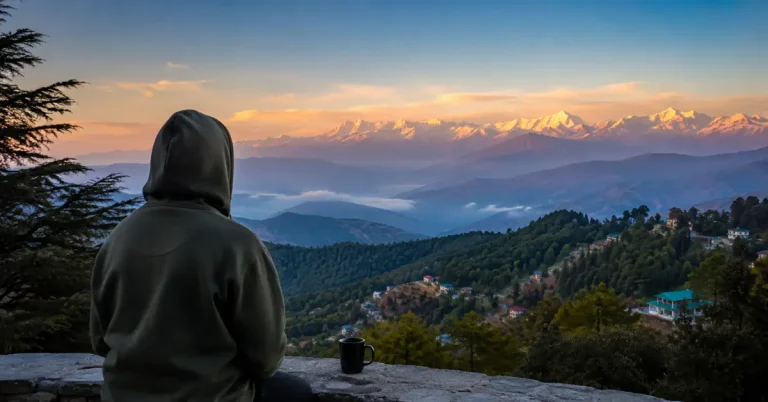
Nepal is one of the easiest and most rewarding international destinations for Indian travelers. Just across the border lies a country filled with snow-capped Himalayan peaks, ancient temples, peaceful monasteries, scenic lakes, wildlife reserves, vibrant markets, and warm hospitality. Whether you are planning your first international holiday, a romantic honeymoon, a family vacation, or a backpacking adventure, this Nepal Trip Itinerary will help you experience the very best of the country without unnecessary planning stress.
Unlike many international destinations, Nepal offers excellent value for money. Indian citizens do not require a tourist visa, flights are relatively short from major Indian cities, and transportation within Nepal is affordable. From witnessing the sacred evening Aarti at Pashupatinath Temple to enjoying a breathtaking sunrise over the Annapurna range from Pokhara, every day in Nepal offers something memorable.
This itinerary has been carefully planned for travelers who want to balance sightseeing, relaxation, local culture, and practical budgeting.
Destination at a Glance
| Information | Details |
|---|---|
| Country | Nepal |
| Ideal Trip Duration | 7–9 Days |
| Best Time to Visit | March–May & October–November |
| Currency | Nepalese Rupee (NPR) |
| Language | Nepali (English widely understood in tourist areas) |
| Time Difference from India | +15 Minutes |
| Visa Requirement for Indians | No Visa Required |
| Suitable For | Solo, Couples, Families, Groups |
| Estimated Daily Budget | ₹3,500–₹10,000 per person |
Why Visit Nepal?
Nepal is much more than Mount Everest. While adventure seekers come here for trekking and mountaineering, many visitors fall in love with its rich cultural heritage, centuries-old temples, peaceful Buddhist monasteries, charming mountain towns, and friendly locals.
Some of the biggest reasons to visit Nepal include:
- Stunning Himalayan landscapes
- UNESCO World Heritage Sites
- Rich Hindu and Buddhist culture
- Adventure sports
- Wildlife safaris
- Affordable international holiday
- Excellent food
- Easy travel from India
- Warm hospitality
- Beautiful sunrise viewpoints
Whether you spend your mornings exploring ancient temples or your evenings relaxing beside Phewa Lake, Nepal offers experiences that feel authentic rather than overly commercialized.
Best Time to Visit Nepal
The country can be visited throughout the year, but each season offers a different experience.
Spring (March to May)
This is considered one of the best seasons.
Temperature:
- Kathmandu: 18–28°C
- Pokhara: 20–30°C
Perfect for:
- Sightseeing
- Trekking
- Photography
- Adventure activities
Rhododendron forests bloom during spring, making mountain trails especially beautiful.
Autumn (October to November)
This is the peak tourist season.
Advantages:
- Crystal-clear mountain views
- Pleasant temperatures
- Major Nepalese festivals
- Ideal trekking conditions
Hotels should be booked well in advance during this period.
Monsoon (June to September)
Heavy rainfall affects road travel.
Best for:
- Budget travelers
- Green landscapes
- Fewer crowds
Not recommended if your primary goal is mountain views.
Winter (December to February)
Weather becomes cold, especially at higher elevations.
Ideal for:
- Cultural sightseeing
- Budget trips
- Photography
Morning temperatures can drop close to freezing in some regions.
Weather Overview
| Season | Average Temperature |
|---|---|
| Spring | 18–28°C |
| Summer | 22–30°C |
| Monsoon | 20–28°C |
| Autumn | 15–25°C |
| Winter | 2–18°C |
Ideal Trip Duration
Although Nepal can be visited even for a long weekend, an 8-day itinerary provides enough time to comfortably explore:
- Kathmandu
- Pokhara
- Chitwan National Park
without feeling rushed.
Visa Information for Indian Tourists
Indian citizens do not require a tourist visa to enter Nepal. Valid travel documents such as an Indian passport or accepted government-issued identity documents are required as per current Nepal immigration rules. Travelers arriving by air should ensure they carry acceptable identification recognized for international travel.
Flights from India
Direct flights operate regularly from several Indian cities.
Popular departure cities:
- Delhi
- Mumbai
- Kolkata
- Bengaluru
- Varanasi
Average flight duration:
- Delhi → Kathmandu: 1 hour 45 minutes
- Kolkata → Kathmandu: 1 hour 30 minutes
- Mumbai → Kathmandu: around 2.5 hours
Booking flights 2–3 months in advance generally offers better fares.
Nearest Airport
Tribhuvan International Airport (Kathmandu)
Distance to Thamel:
Approximately 6 km
Taxi Fare:
Around NPR 700–1,000
(Approximately ₹440–₹630)
Travel Time:
20–35 minutes depending on traffic.
Currency
Official Currency:
Nepalese Rupee (NPR)
Approximate Exchange Rate
1 NPR ≈ ₹0.62 (rates fluctuate)
Indian Rupees are accepted at many tourist locations, but carrying Nepalese currency is recommended for local transport, markets, and smaller restaurants. Exchange rates vary over time, so check the latest rate before travel.
Local SIM Card
Popular providers:
- Ncell
- Nepal Telecom (NTC)
Tourist SIMs are easily available at Kathmandu Airport and city centers.
Typical Tourist Pack:
- 10–20 GB data
- Local calling
- Validity 7–15 days
Approximate Cost:
NPR 400–800
(₹250–₹500)
Internet Availability
Internet access is generally reliable in Nepal’s major tourist destinations.
Availability:
- Hotels
- Cafés
- Restaurants
- Airports
Average Wi-Fi Speed:
20–80 Mbps
Mobile 4G coverage is good in Kathmandu and Pokhara.
Is Nepal Safe?
Nepal is considered one of South Asia’s safer destinations for tourists.
General precautions include:
- Keep valuables secure in crowded markets.
- Use licensed taxis or ride services where available.
- Carry photocopies of important documents.
- Avoid isolated streets late at night.
- Purchase travel insurance if participating in adventure sports.
Solo female travelers generally find Kathmandu and Pokhara welcoming, though standard travel precautions should always be followed.
Estimated Travel Budget
Solo Traveler
| Expense | Approximate Cost |
|---|---|
| Budget | ₹28,000–40,000 |
Couple
| Expense | Approximate Cost |
|---|---|
| Mid-range | ₹60,000–90,000 |
Family (4 Members)
| Expense | Approximate Cost |
|---|---|
| Comfortable Trip | ₹1.2–1.8 Lakh |
Group (6–8 Members)
| Expense | Approximate Cost |
|---|---|
| Per Person | ₹30,000–50,000 |
8-Day Nepal Trip Overview
| Day | Destination |
|---|---|
| Day 1 | Arrival in Kathmandu |
| Day 2 | Kathmandu Heritage Tour |
| Day 3 | Bhaktapur & Patan |
| Day 4 | Pokhara |
| Day 5 | Pokhara Sightseeing |
| Day 6 | Chitwan |
| Day 7 | Jungle Safari |
| Day 8 | Return to Kathmandu |
(Part 2 will continue from Day 4 onward.)
Day 1 – Arrive in Kathmandu
Distance Covered: 15–20 km
Travel Time: 30–45 minutes
Transport: Taxi
Estimated Transport Cost:
NPR 800–1,200
(₹500–750)
Approximate Daily Budget:
₹4,000–6,000
Suggested Hotel Area:
Thamel
Recommended Restaurants:
- OR2K
- Thamel House Restaurant
- Yangling Tibetan Restaurant
Morning
Arrive at Tribhuvan International Airport.
Complete immigration and currency exchange if required.
Transfer to your hotel in Thamel.
Relax after check-in.
Afternoon
Walk around Thamel Market.
Explore:
- Local cafés
- Handicraft shops
- Trekking gear stores
- Souvenir shops
Evening
Enjoy traditional Nepalese cuisine.
Watch a cultural dance performance if available.
Spend the evening exploring the lively streets of Thamel.
Attraction: Thamel
| Information | Details |
|---|---|
| Location | Central Kathmandu |
| Google Rating | Approximately 4.5/5 |
| Approximate Reviews | 40,000+ |
| Entry Fee | Free |
| Timings | Open 24 Hours |
| Recommended Duration | 3–4 Hours |
| Best Time | Evening |
| How to Reach | Taxi or Walk |
| Transport Cost | NPR 300–700 |
| Practical Tip | Keep cash for small shops and bargain politely. |
Why Visit Thamel?
Thamel is Kathmandu’s tourism hub and one of the city’s most vibrant neighborhoods. Narrow streets are lined with cafés, restaurants, trekking shops, bookstores, souvenir stores, and local handicraft markets. Even if you are not planning to shop, walking through Thamel gives you a feel for Nepal’s lively atmosphere.
It is also one of the safest areas to stay for first-time visitors because most hotels, travel agencies, currency exchange centers, and restaurants are concentrated here.
Day 2 – Kathmandu Heritage Tour
Distance Covered: 20 km
Travel Time: 45 minutes total
Mode: Taxi
Estimated Transport Cost
NPR 1,500–2,000
(₹930–₹1,240)
Daily Budget
₹5,000–7,500
Morning
Visit:
- Pashupatinath Temple
Afternoon
Visit:
- Boudhanath Stupa
Lunch nearby.
Evening
Visit:
- Swayambhunath (Monkey Temple)
Enjoy sunset over Kathmandu Valley.
Attraction: Pashupatinath Temple
| Information | Details |
|---|---|
| Location | Kathmandu |
| Google Rating | Approximately 4.7/5 |
| Approximate Reviews | 80,000+ |
| Entry Fee | Free for Indian nationals; non-Indian SAARC and foreign visitors pay applicable fees. |
| Timings | Around 4:00 AM–9:00 PM |
| Visit Duration | 2 Hours |
| Best Time | Early Morning or Evening Aarti |
| How to Reach | Taxi |
| Transport Cost | NPR 400–700 |
| Practical Tip | Non-Hindus may explore the temple complex but cannot enter the main sanctum. |
Why is Pashupatinath Famous?
Dedicated to Lord Shiva, Pashupatinath is Nepal’s most sacred Hindu temple and one of the holiest pilgrimage sites in the world. Situated along the Bagmati River, the temple complex features ancient shrines, intricate pagodas, and cremation ghats that reflect deep spiritual traditions.
The evening Aarti is a memorable experience, with devotional music, oil lamps, and chanting creating a serene atmosphere. Even for non-religious visitors, the temple provides insight into Nepal’s cultural heritage.
Attraction: Boudhanath Stupa
| Information | Details |
|---|---|
| Location | Kathmandu |
| Google Rating | Approximately 4.7/5 |
| Approximate Reviews | 20,000+ |
| Entry Fee | NPR 100 for SAARC visitors (around ₹62). |
| Timings | Open All Day |
| Visit Duration | 1.5 Hours |
| Best Time | Sunset |
| How to Reach | Taxi |
| Transport Cost | NPR 400 |
| Practical Tip | Walk clockwise around the stupa while observing local customs. |
Why Visit Boudhanath?
Boudhanath is among the largest spherical stupas in the world and a major center of Tibetan Buddhism. The colorful prayer flags, spinning prayer wheels, and peaceful ambiance make it one of Kathmandu’s most photogenic landmarks.
Many rooftop cafés around the stupa offer panoramic views, making it an excellent place to pause and soak in the spiritual atmosphere.
Attraction: Swayambhunath (Monkey Temple)
| Information | Details |
|---|---|
| Location | Kathmandu Hilltop |
| Google Rating | Approximately 4.6/5 |
| Approximate Reviews | 18,000+ |
| Entry Fee | NPR 50 for SAARC visitors (about ₹31). |
| Timings | 6:00 AM–8:00 PM |
| Visit Duration | 2 Hours |
| Best Time | Sunset |
| How to Reach | Taxi + Stairs |
| Transport Cost | NPR 500 |
| Practical Tip | Carry water and be cautious with food around monkeys. |
Why is Swayambhunath Worth Visiting?
Perched atop a hill overlooking Kathmandu Valley, Swayambhunath is one of Nepal’s oldest and most revered religious sites. The iconic white dome topped with Buddha’s all-seeing eyes is instantly recognizable.
Climbing the stone staircase rewards visitors with sweeping city views, beautiful shrines, fluttering prayer flags, and a peaceful setting that blends Hindu and Buddhist traditions. Sunset from the hilltop is especially memorable.
Day 3 – Explore Bhaktapur and Patan Durbar Squares
Distance Covered: Approximately 38 km
Travel Time: 2–3 hours (including city traffic)
Mode of Transportation: Taxi or Private Cab
Estimated Transportation Cost: NPR 3,000–4,000 (₹1,850–₹2,500) for a full-day cab
Approximate Daily Budget: ₹5,000–₹7,500 per person
Suggested Hotel Area: Thamel (Kathmandu)
Recommended Restaurants:
- Newa Lahana (Traditional Newari Cuisine)
- Honacha Restaurant (Bhaktapur)
- Roadhouse Café (Patan)
Morning – Bhaktapur Durbar Square
Leave your hotel after breakfast and drive to Bhaktapur, one of Nepal’s best-preserved medieval cities. The streets here are lined with centuries-old temples, carved wooden windows, traditional brick houses, and lively pottery workshops.
Spend time walking through the narrow lanes, watching local artisans at work, and admiring the beautifully restored palaces.
Attraction: Bhaktapur Durbar Square
| Information | Details |
|---|---|
| Location | Bhaktapur |
| Google Rating | Approximately 4.7/5 |
| Approximate Reviews | 18,000+ |
| Entry Fee | SAARC Nationals: NPR 500 (Approx. ₹310) |
| Opening Hours | Open throughout the day |
| Recommended Visit Duration | 3–4 Hours |
| Best Time to Visit | Early Morning or Late Afternoon |
| How to Reach | Taxi from Kathmandu |
| Approximate Transport Cost | NPR 1,200–1,500 |
| Practical Travel Tip | Wear comfortable walking shoes because the streets are mostly stone-paved. |
Why Visit Bhaktapur Durbar Square?
Bhaktapur feels like stepping back several centuries. Unlike many modern cities, much of its historic architecture has been preserved, giving visitors an authentic glimpse into Nepal’s medieval past.
Highlights include:
- 55 Window Palace
- Golden Gate
- Vatsala Temple
- Nyatapola Temple
- Pottery Square
Photography enthusiasts will particularly enjoy the intricate wooden carvings and vibrant local life.
It is undoubtedly one of Nepal’s finest UNESCO World Heritage Sites and deserves at least half a day.
Attraction: Nyatapola Temple
| Information | Details |
|---|---|
| Location | Taumadhi Square, Bhaktapur |
| Google Rating | Approximately 4.8/5 |
| Approximate Reviews | 5,000+ |
| Entry Fee | Included with Bhaktapur Durbar Square ticket |
| Timings | Open All Day |
| Recommended Visit Duration | 30–45 Minutes |
| Best Time | Morning |
| How to Reach | Walk from Durbar Square |
| Approximate Transport Cost | Included |
| Practical Tip | Climb the steps slowly and enjoy panoramic views of Bhaktapur. |
Why is Nyatapola Temple Famous?
Standing five stories high, Nyatapola Temple is Nepal’s tallest pagoda-style temple. Despite multiple earthquakes over the centuries, it has remained remarkably intact due to its exceptional engineering.
The giant stone guardians on each level symbolize increasing strength and make the staircase one of Nepal’s most photographed architectural landmarks.
Afternoon – Patan Durbar Square
Drive approximately 30–40 minutes to Patan, also known as Lalitpur, a city celebrated for its artistic heritage and exquisite temples.
Attraction: Patan Durbar Square
| Information | Details |
|---|---|
| Location | Lalitpur |
| Google Rating | Approximately 4.7/5 |
| Approximate Reviews | 12,000+ |
| Entry Fee | SAARC Nationals: NPR 250 (Approx. ₹155) |
| Opening Hours | 8:00 AM – 6:00 PM |
| Recommended Visit Duration | 2–3 Hours |
| Best Time | Afternoon |
| How to Reach | Taxi |
| Approximate Transport Cost | NPR 800 |
| Practical Travel Tip | Visit the Patan Museum for a deeper understanding of Nepalese art. |
Why Visit Patan?
Patan is often regarded as Nepal’s artistic capital. Every corner of the square showcases exceptional craftsmanship, from bronze statues and wood carvings to ancient temples and royal courtyards.
Must-see attractions include:
- Krishna Mandir
- Patan Museum
- Golden Temple
- Royal Palace Courtyards
Compared to Kathmandu, Patan feels quieter and is ideal for travelers interested in architecture and history.
Evening
Return to Kathmandu.
Enjoy dinner at a rooftop restaurant overlooking the city before resting for the journey to Pokhara the next day.
Day 4 – Kathmandu to Pokhara
Distance Covered: Approximately 200 km
Travel Time:
- Tourist Bus: 7–9 Hours
- Flight: 25–30 Minutes
Mode of Transportation: Tourist Bus or Domestic Flight
Estimated Transportation Cost
| Option | Approximate Cost |
|---|---|
| Tourist Bus | NPR 1,500–2,500 (₹930–₹1,550) |
| Deluxe Bus | NPR 2,500–3,500 (₹1,550–₹2,170) |
| Flight | NPR 6,000–10,000 (₹3,700–₹6,200) |
Approximate Daily Budget: ₹5,000–₹8,000
Suggested Hotel Area: Lakeside, Pokhara
Recommended Restaurants
- Moondance Restaurant
- Fresh Elements
- Caffe Concerto
- Godfather’s Pizzeria
Morning
Leave Kathmandu early.
If travelling by road, enjoy scenic views of:
- Trishuli River
- Mountain villages
- Rice terraces
- Suspension bridges
Road conditions have improved on many sections, but delays due to traffic or ongoing construction are still possible, so plan extra travel time.
Afternoon
Arrive in Pokhara.
Check into your hotel near Lakeside.
Relax after the journey.
Evening
Walk around the beautiful Lakeside area.
Enjoy:
- Street cafés
- Live music
- Local shopping
- Sunset over Phewa Lake
Pokhara offers a completely different atmosphere compared to Kathmandu. The pace is slower, the scenery is greener, and the mountain backdrop creates a peaceful environment.
Attraction: Phewa Lake
| Information | Details |
|---|---|
| Location | Pokhara |
| Google Rating | Approximately 4.7/5 |
| Approximate Reviews | 18,000+ |
| Entry Fee | Free |
| Boating Charges | NPR 900–1,500 depending on boat type (Approx. ₹560–₹930) |
| Opening Hours | Sunrise to Sunset |
| Recommended Visit Duration | 2–3 Hours |
| Best Time | Evening |
| How to Reach | Walk from Lakeside |
| Approximate Transport Cost | Minimal |
| Practical Travel Tip | Visit around sunset for the best reflections of the Annapurna range on the lake. |
Why Visit Phewa Lake?
Phewa Lake is the centerpiece of Pokhara and one of Nepal’s most iconic natural attractions. Calm waters reflect the surrounding hills and, on clear days, the snow-capped Annapurna peaks.
Popular activities include:
- Row boating
- Kayaking
- Lakeside cafés
- Photography
- Visiting Tal Barahi Temple located on an island
The relaxed atmosphere makes it a perfect place to unwind after travelling.
Day 5 – Pokhara Sightseeing
Distance Covered: Approximately 35 km
Travel Time: 1.5 Hours
Mode: Taxi
Estimated Transportation Cost: NPR 2,500–3,000 (₹1,550–₹1,860)
Approximate Daily Budget: ₹5,500–₹8,000
Suggested Hotel Area: Lakeside
Recommended Restaurants
- Byanjan Restaurant
- OR2K Pokhara
- The Harbor
- Caffe Concerto
Early Morning – Sarangkot Sunrise
Wake up before dawn and drive to Sarangkot, Nepal’s most famous sunrise viewpoint.
Watching the first rays of sunlight illuminate the Annapurna and Machhapuchhre (Fishtail) peaks is one of the highlights of any Nepal trip.
Attraction: Sarangkot
| Information | Details |
|---|---|
| Location | Northwest of Pokhara |
| Google Rating | Approximately 4.7/5 |
| Approximate Reviews | 12,000+ |
| Entry Fee | Free |
| Opening Hours | Open All Day |
| Recommended Visit Duration | 2 Hours |
| Best Time | Sunrise |
| How to Reach | Taxi |
| Approximate Transport Cost | NPR 1,200 |
| Practical Travel Tip | Carry a light jacket even during summer, as mornings can be chilly. |
Why Visit Sarangkot?
Sarangkot provides one of the finest panoramic views of the Annapurna mountain range. On clear mornings, visitors can witness golden sunlight gradually lighting up the snow-covered peaks.
Adventure enthusiasts can also enjoy:
- Paragliding
- Zipline experiences
- Mountain photography
Late Morning – Davis Falls
Attraction: Davis Falls
| Information | Details |
|---|---|
| Location | Pokhara |
| Google Rating | Approximately 4.3/5 |
| Approximate Reviews | 12,000+ |
| Entry Fee | SAARC: NPR 70 (Approx. ₹43) |
| Opening Hours | 6:00 AM–6:00 PM |
| Recommended Visit Duration | 45 Minutes |
| Best Time | Monsoon or Post-Monsoon |
| How to Reach | Taxi |
| Approximate Transport Cost | NPR 400 |
| Practical Travel Tip | Visit after rainfall when the waterfall is at its most powerful. |
Why is Davis Falls Famous?
This unique waterfall disappears into an underground tunnel before flowing beneath the city, creating an unusual natural phenomenon. The falls are particularly impressive during the monsoon season when water volume is high.
Afternoon – Gupteshwor Mahadev Cave
Attraction: Gupteshwor Mahadev Cave
| Information | Details |
|---|---|
| Location | Opposite Davis Falls |
| Google Rating | Approximately 4.5/5 |
| Approximate Reviews | 9,000+ |
| Entry Fee | SAARC: NPR 100 (Approx. ₹62) |
| Opening Hours | 6:00 AM–6:00 PM |
| Recommended Visit Duration | 1 Hour |
| Best Time | Afternoon |
| How to Reach | Walk from Davis Falls |
| Approximate Transport Cost | Free (Walking) |
| Practical Travel Tip | Wear shoes with good grip, as parts of the cave can be slippery. |
Why Visit Gupteshwor Cave?
The cave houses a naturally formed Shiva shrine and extends deep underground, eventually offering views of the flowing water from Davis Falls. The combination of natural formations and religious significance makes it one of Pokhara’s most popular attractions.
Evening – World Peace Pagoda
Attraction: World Peace Pagoda
| Information | Details |
|---|---|
| Location | Pokhara Hill |
| Google Rating | Approximately 4.7/5 |
| Approximate Reviews | 9,000+ |
| Entry Fee | Free |
| Opening Hours | 5:00 AM–7:00 PM |
| Recommended Visit Duration | 1.5–2 Hours |
| Best Time | Sunset |
| How to Reach | Taxi followed by a short uphill walk |
| Approximate Transport Cost | NPR 700 |
| Practical Travel Tip | Arrive before sunset for panoramic views of Phewa Lake, Pokhara city, and the Himalayan range. |
Why Visit the World Peace Pagoda?
Built as a symbol of global peace, the gleaming white stupa sits atop a hill overlooking Pokhara. The tranquil surroundings, sweeping mountain vistas, and peaceful ambiance make it one of the city’s most rewarding viewpoints. It is especially popular at sunset when the golden light transforms the landscape into a photographer’s dream.
Day 6 – Pokhara to Chitwan National Park
Distance Covered: Approximately 165 km
Travel Time: 5–6 Hours by Road
Mode of Transportation: Tourist Bus or Private Vehicle
Estimated Transportation Cost
| Option | Approximate Cost |
|---|---|
| Tourist Bus | NPR 1,200–2,000 (₹740–₹1,240) |
| Private Car | NPR 8,000–10,000 (₹5,000–₹6,200 per vehicle) |
Approximate Daily Budget: ₹5,500–₹8,500 per person
Suggested Hotel Area: Sauraha
Recommended Restaurants
- Jungle View Restaurant
- Friends Café
- KC’s Restaurant
- Royal Kitchen
Morning
Leave Pokhara after breakfast and drive towards Chitwan National Park. The route passes through scenic river valleys, forests, and rural villages, offering a different perspective of Nepal’s countryside.
Afternoon
Check into your jungle resort in Sauraha.
After lunch, enjoy:
- Village walk
- Tharu cultural museum
- Riverside sunset
Evening
Watch the famous Tharu Cultural Dance Show, where local performers showcase traditional stick dances and folk music.
Attraction: Chitwan National Park
| Information | Details |
|---|---|
| Location | Chitwan District |
| Google Rating | Approximately 4.6/5 |
| Approximate Reviews | 9,000+ |
| Entry Fee | Foreign Nationals: NPR 2,000; SAARC Nationals: NPR 1,000 (around ₹620) |
| Opening Hours | 6:00 AM–6:00 PM |
| Recommended Visit Duration | Full Day |
| Best Time to Visit | October–March |
| How to Reach | Tourist Bus or Private Vehicle from Pokhara |
| Approximate Transport Cost | NPR 1,200–2,000 |
| Practical Travel Tip | Book safari activities through your hotel or an authorized operator to ensure safety and proper permits. |
Why Visit Chitwan National Park?
A UNESCO World Heritage Site, Chitwan National Park is Nepal’s premier wildlife destination. The park is home to diverse ecosystems, including grasslands, wetlands, and dense forests.
Wildlife you may encounter includes:
- One-horned rhinoceros
- Bengal tiger (rare sighting)
- Wild elephants
- Sloth bears
- Crocodiles
- Deer
- More than 500 bird species
The combination of wildlife and indigenous Tharu culture makes Chitwan a unique addition to any Nepal itinerary.
Day 7 – Jungle Safari Experience
Distance Covered: Approximately 25 km within the park
Travel Time: Depends on safari activities
Mode of Transportation: Jeep Safari and Canoe
Estimated Activity Cost: NPR 2,500–5,000 (₹1,550–₹3,100), depending on the package
Approximate Daily Budget: ₹5,000–₹8,000
Morning
Begin with an early morning jeep safari through the national park. Early hours offer the best chances of spotting wildlife when animals are most active.
Afternoon
Enjoy a peaceful canoe ride along the Rapti River. Keep an eye out for crocodiles basking on the riverbanks and a variety of birdlife.
You can also visit the Elephant Breeding Center to learn about conservation efforts.
Evening
Relax at your resort or take a leisurely walk along the Rapti River to watch the sunset.
Attraction: Jeep Safari
| Information | Details |
|---|---|
| Location | Chitwan National Park |
| Google Rating | Approximately 4.7/5 |
| Approximate Reviews | 4,000+ |
| Entry Fee | Included in safari package |
| Timings | Morning and Afternoon Sessions |
| Recommended Visit Duration | 3–4 Hours |
| Best Time | Early Morning |
| How to Reach | Hotel Pickup |
| Approximate Transport Cost | Included |
| Practical Travel Tip | Carry binoculars, sunscreen, water, and a camera with a zoom lens for the best wildlife experience. |
Why is the Jeep Safari Worth It?
Unlike walking safaris, jeep safaris allow visitors to explore deeper into the park while covering larger areas. Although tiger sightings are never guaranteed, the thrill of searching for wildlife in its natural habitat is unforgettable.
Day 8 – Return to Kathmandu and Departure
Distance Covered: Approximately 175 km by flight route or 170–180 km by road (longer travel time)
Travel Time:
- Flight: Around 25–30 Minutes
- Tourist Bus: 6–7 Hours
Estimated Transportation Cost
| Option | Approximate Cost |
|---|---|
| Tourist Bus | NPR 1,500–2,500 (₹930–₹1,550) |
| Domestic Flight | NPR 6,000–10,000 (₹3,700–₹6,200) |
Approximate Daily Budget: ₹4,000–₹7,000
Morning
Travel back to Kathmandu by road or flight, depending on your schedule and budget.
Afternoon
If time permits before your departure, visit a local café or shop for souvenirs in Thamel.
Evening
Proceed to Tribhuvan International Airport for your flight back home, carrying unforgettable memories of Nepal.
Recommended Hotels
| Category | Approximate Price (Per Night) |
|---|---|
| Budget | NPR 2,000–4,000 (₹1,240–₹2,480) |
| Mid-range | NPR 5,000–10,000 (₹3,100–₹6,200) |
| Luxury | NPR 12,000–30,000+ (₹7,400–₹18,600+) |
Best Areas to Stay
Kathmandu
- Thamel
- Lazimpat
- Durbar Marg
Pokhara
- Lakeside
- Hallan Chowk
Chitwan
- Sauraha
Must-Try Nepalese Food
Nepalese cuisine is simple, wholesome, and influenced by Indian, Tibetan, and Himalayan flavors.
Must-try dishes include:
- Dal Bhat
- Momos (Steamed and Fried)
- Thukpa
- Sel Roti
- Chatamari
- Yomari
- Choila
- Gundruk Soup
- Bara
- Juju Dhau (King Curd)
Vegetarian Food Options
Vegetarian travelers will find plenty of delicious choices across Nepal.
Popular options include:
- Vegetable Momos
- Dal Bhat
- Paneer Curry
- Vegetable Thukpa
- Aloo Tama
- Vegetable Chowmein
- Fresh Fruit Smoothies
- Tibetan Bread with Honey
- Mushroom Curry
- Fried Rice
Most restaurants in Kathmandu and Pokhara also serve Indian vegetarian dishes.
Shopping Guide
What to Buy
- Pashmina Shawls
- Singing Bowls
- Handmade Paper Products
- Prayer Flags
- Thanka Paintings
- Wooden Carvings
- Tea and Coffee
- Handcrafted Jewelry
- Gurkha Kukri (subject to airline and customs regulations)
- Local Spices
Best Places to Shop
- Thamel (Kathmandu)
- Asan Bazaar
- Lakeside Market (Pokhara)
- Bhaktapur Handicraft Stores
Bargaining Tips
- Negotiate politely at local markets.
- Compare prices at multiple shops.
- Cash payments often help secure better deals.
- Fixed-price stores usually do not negotiate.
Hidden Gems in Nepal
If you have extra time, consider exploring:
- Kirtipur – A historic hilltop town with traditional Newari culture.
- Bandipur – A charming mountain village known for its preserved heritage and Himalayan views.
- Begnas Lake – A quieter alternative to Phewa Lake, ideal for relaxation.
- Khokana – Famous for mustard oil production and authentic village life.
- Rani Pokhari – A historic pond in central Kathmandu.
These places offer a more peaceful experience away from the busiest tourist spots.
Common Tourist Mistakes
- Underestimating travel time on mountain roads.
- Not carrying enough local currency for smaller shops.
- Overpacking unnecessary clothing.
- Ignoring altitude-related precautions when visiting higher elevations.
- Forgetting to bargain respectfully in local markets.
- Not keeping a buffer day before an international flight during the monsoon season.
Money-Saving Tips
- Travel during the shoulder season for lower hotel prices.
- Use tourist buses instead of domestic flights when time allows.
- Eat at local restaurants instead of hotel dining rooms.
- Carry a reusable water bottle where safe refilling options are available.
- Share taxis with fellow travelers when possible.
- Book hotels in advance during peak season to secure better rates.
Packing Checklist
Essential Documents
- Passport or accepted Indian government-issued ID
- Flight tickets
- Hotel confirmations
- Travel insurance (recommended)
- Passport-size photographs
Clothing
- Comfortable walking shoes
- Light cotton clothing
- Warm jacket for mornings and evenings
- Rain jacket or umbrella (monsoon season)
- Extra socks
Essentials
- Sunscreen
- Sunglasses
- Hat or cap
- Reusable water bottle
- Power bank
- Universal travel adapter (if needed)
- Basic medicines
- Hand sanitizer
- Personal toiletries
Photography Tips
Nepal offers incredible photography opportunities.
Some of the best locations include:
- Sunrise at Sarangkot
- Phewa Lake reflections
- Swayambhunath at sunset
- Boudhanath Stupa at dusk
- Bhaktapur’s medieval streets
- Chitwan wildlife (use a telephoto lens if available)
- Colorful prayer flags against Himalayan backdrops
Always ask for permission before taking close-up photographs of local people or religious ceremonies.
Local Etiquette
Respecting local customs will enhance your travel experience.
- Remove shoes before entering temples where required.
- Dress modestly at religious sites.
- Walk clockwise around Buddhist stupas.
- Avoid touching religious statues.
- Greet people with “Namaste.”
- Avoid public displays of affection in religious areas.
- Dispose of waste responsibly.
Safety Advice
Nepal is generally safe for tourists, but sensible precautions are important.
- Keep valuables secure in crowded markets.
- Use licensed taxis or reputable ride services where available.
- Stay hydrated during long sightseeing days.
- Carry copies of important documents.
- Follow your guide’s instructions during wildlife safaris.
- Monitor weather conditions before undertaking mountain activities.
Frequently Asked Questions (FAQ)
1. Is Nepal expensive for Indian tourists?
No. Nepal is one of the most affordable international destinations for Indian travelers. A comfortable 8-day trip can suit a wide range of budgets depending on accommodation and transport choices.
2. Do Indians need a visa for Nepal?
No. Indian citizens do not require a tourist visa to visit Nepal. Carry accepted travel identification and check the latest entry requirements before departure.
3. What is the best month to visit Nepal?
October and November are generally considered the best months due to clear skies, pleasant weather, and excellent mountain views. March and April are also excellent for sightseeing and trekking.
4. Is Nepal safe for solo travelers?
Yes. Kathmandu, Pokhara, and Chitwan are generally considered safe tourist destinations. Standard travel precautions should still be followed.
5. How many days are enough for Nepal?
A 7–8 day itinerary is ideal for covering Kathmandu, Pokhara, and Chitwan at a comfortable pace.
6. Can Indian currency be used in Nepal?
Indian Rupees are accepted in many tourist areas, but carrying Nepalese Rupees for local transport, small restaurants, and markets is recommended.
7. Which city is best for first-time visitors?
Kathmandu is the ideal starting point because it combines history, culture, temples, and easy access to the rest of the country.
Conclusion
Nepal is a destination that offers far more than stunning Himalayan scenery. From the spiritual atmosphere of Kathmandu and the tranquil lakes of Pokhara to the unforgettable wildlife experiences of Chitwan National Park, every region has its own unique charm. This 8-day Nepal Trip Itinerary is designed to balance culture, nature, adventure, and relaxation while remaining practical for Indian travelers. With thoughtful planning, comfortable accommodation, and a flexible budget, you can enjoy a memorable international holiday that is both enriching and affordable.
Disclaimer
Travel costs, hotel prices, transportation schedules, attraction timings, entry fees, exchange rates, weather conditions, visa and immigration regulations, and local rules may change over time. Verify the latest information from official authorities, airlines, hotels, and attraction management before finalizing your travel plans. Currency conversions to Indian Rupees are approximate and subject to exchange rate fluctuations.