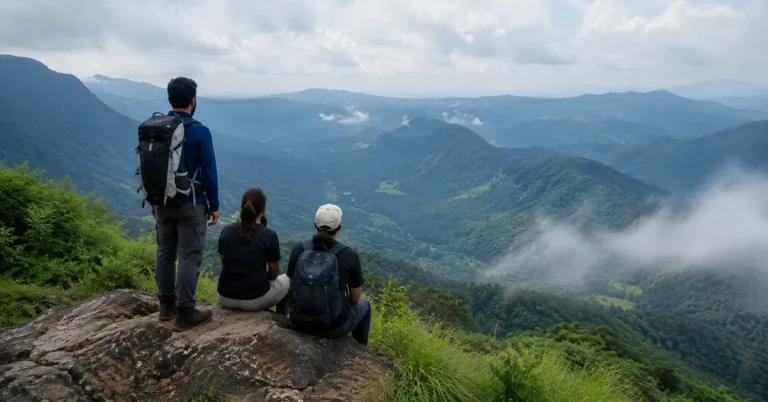
Switzerland Trip Guide: The Ultimate 7-Day Itinerary for Mountains, Scenic Trains, Lakes and Alpine Adventures
A Switzerland trip is a dream vacation for travelers who love breathtaking mountain scenery, crystal-clear lakes, charming villages, scenic train journeys, and world-class hospitality. Nestled in the heart of Europe, Switzerland is famous for its snow-covered Alps, picturesque towns, efficient public transport, and postcard-perfect landscapes that look beautiful in every season.
Whether you want to stand on the summit of Jungfraujoch, ride the revolving cable car to Mount Titlis, cruise across sparkling alpine lakes, wander through the medieval streets of Lucerne, or experience the cosmopolitan charm of Zurich, Switzerland offers unforgettable experiences for every kind of traveler.
Although Switzerland is considered one of Europe’s more expensive destinations, careful planning can make the trip surprisingly manageable. Choosing the right transport pass, booking hotels in advance, and following a well-planned itinerary can help you experience the country’s highlights without unnecessary expenses.
This guide covers everything you need to plan a memorable Switzerland trip, including visa requirements for Indian travelers, transportation, accommodation, budgeting, day-wise itinerary, sightseeing, practical travel tips, and essential planning advice.
Destination at a Glance
| Information | Details |
|---|---|
| Destination | Switzerland |
| Country | Switzerland |
| Ideal Trip Duration | 7 Days |
| Best Time to Visit | April–June & September–October (Sightseeing), December–March (Snow Activities) |
| Currency | Swiss Franc (CHF) |
| Languages | German, French, Italian, Romansh |
| Time Difference (India) | Switzerland is generally 3.5–4.5 hours behind IST depending on daylight saving time |
| Visa Requirement | Schengen Visa Required |
| Suitable Travelers | Solo, Couples, Families, Groups, Honeymooners |
| Estimated Daily Budget | CHF 180–450 (Approx. ₹19,000–₹47,500) |
Why Visit Switzerland?
Few destinations combine natural beauty, adventure, modern infrastructure, and cultural heritage as effortlessly as Switzerland.
Reasons to visit include:
- Swiss Alps
- Scenic mountain railways
- Glacier excursions
- Crystal-clear lakes
- Charming villages
- World-famous chocolates
- Luxury shopping
- Adventure sports
- Panoramic train journeys
- Beautiful cities
Whether you’re visiting for a honeymoon, family holiday, or once-in-a-lifetime European vacation, Switzerland delivers unforgettable memories throughout the year.
Best Time to Visit
The ideal season depends on the type of holiday you’re planning.
Spring (April–June)
Temperatures generally range between 8°C and 20°C.
Spring brings blooming flowers, pleasant weather, fewer tourists, and excellent sightseeing opportunities.
Summer (June–August)
With temperatures between 15°C and 28°C, summer is ideal for hiking, lake cruises, mountain excursions, and scenic train journeys.
Autumn (September–October)
Autumn offers crisp weather, colorful landscapes, and fewer crowds, making it one of the best seasons for photography and sightseeing.
Winter (December–March)
Winter transforms Switzerland into a snowy wonderland with temperatures often ranging from -5°C to 8°C, depending on altitude. This is the best time for skiing, snowboarding, Christmas markets, and glacier experiences.
Weather
| Season | Temperature |
|---|---|
| Spring | 8°C–20°C |
| Summer | 15°C–28°C |
| Autumn | 5°C–18°C |
| Winter | -5°C–8°C |
Ideal Trip Duration
For first-time visitors:
- 5 Days: Covers Zurich, Lucerne, and Mount Titlis.
- 7 Days: Ideal for Zurich, Lucerne, Interlaken, Jungfraujoch, and nearby attractions.
- 10–14 Days: Perfect for exploring multiple Swiss regions, scenic train routes, and lesser-known alpine villages.
Switzerland Visa Information (For Indian Travelers)
Indian passport holders require a Schengen Short-Stay (Type C) Visa for tourism in Switzerland. Under normal circumstances, applications are processed in approximately 10–15 working days, although authorities recommend applying well in advance of travel.
Typical Documents Required
- Valid passport
- Completed visa application form
- Passport-size photographs
- Confirmed travel itinerary
- Hotel reservations
- Return flight booking
- Travel insurance meeting Schengen requirements
- Bank statements
- Employment or business documents
- Income tax documents (where applicable)
Approximate Visa Cost
- Visa Fee: Around EUR 90 (approximately CHF 84–85), plus visa application center service charges where applicable. Fees and exchange rates may change periodically.
Flights from India
There are no regular direct commercial flights from most Indian cities to Switzerland throughout the year, although seasonal direct services may be available. Most travelers fly via major Middle Eastern or European hubs.
Popular departure cities include:
- Delhi
- Mumbai
- Bengaluru
- Chennai
- Hyderabad
Common transit hubs include:
- Dubai
- Doha
- Abu Dhabi
- Istanbul
- Frankfurt
Typical travel time ranges between 10 and 15 hours, depending on layovers.
Nearest International Airports
Depending on your itinerary, you can arrive at:
| Airport | Best For |
|---|---|
| Zurich Airport | Zurich, Lucerne, Interlaken |
| Geneva Airport | Western Switzerland |
| EuroAirport Basel | Northern Switzerland |
For most first-time visitors, Zurich Airport is the most convenient arrival point.
Currency
The official currency is the Swiss Franc (CHF).
Approximate conversion:
- 1 CHF ≈ ₹110–115 (exchange rates fluctuate)
Although Switzerland is surrounded by Eurozone countries, Swiss Francs remain the primary currency for most purchases.
Credit cards, debit cards, and contactless payments are widely accepted throughout the country.
Local SIM Cards
Popular mobile providers include:
- Swisscom
- Sunrise
- Salt
Tourist SIM cards offering generous data packages are available at airports, railway stations, and authorized retailers.
Internet Availability
Switzerland has excellent internet infrastructure.
Visitors can expect:
- High-speed 4G and 5G coverage in most areas
- Free Wi-Fi at many hotels
- Internet access at cafés, shopping centers, and railway stations
Even many mountain destinations have surprisingly reliable connectivity.
Safety Tips
Switzerland is consistently ranked among the safest countries in the world.
Basic precautions include:
- Keep valuables secure in busy railway stations.
- Purchase travel insurance before departure.
- Check weather forecasts before mountain excursions.
- Wear suitable footwear for alpine trails.
- Follow safety instructions near glaciers and mountain viewpoints.
- Carry warm clothing, even during summer, when visiting high-altitude attractions.
Estimated Travel Budget
Solo Traveler
| Expense | Approximate Daily Cost |
|---|---|
| Hostel/Hotel | CHF 80–150 |
| Food | CHF 40–70 |
| Local Transport | CHF 30–60 |
| Sightseeing | CHF 40–80 |
| Total | CHF 190–360 (Approx. ₹20,000–38,000) |
Couple
| Expense | Approximate Daily Cost |
|---|---|
| Hotel | CHF 180–300 |
| Food | CHF 80–140 |
| Transport | CHF 70–120 |
| Sightseeing | CHF 80–160 |
| Total | CHF 410–720 (Approx. ₹43,000–76,000) |
Family (4 Members)
| Expense | Approximate Daily Cost |
|---|---|
| Hotel | CHF 300–500 |
| Food | CHF 160–250 |
| Transport | CHF 120–200 |
| Sightseeing | CHF 180–300 |
| Total | CHF 760–1,250 (Approx. ₹80,000–1,32,000) |
Group Travelers
Groups can reduce accommodation and transport costs significantly by sharing rooms and purchasing rail passes together. Expect an average budget of CHF 180–320 (₹19,000–34,000) per person per day, depending on accommodation standards and sightseeing choices.
7-Day Switzerland Itinerary
Day 1 – Zurich and Lucerne
Day Overview
| Details | Information |
|---|---|
| Total Distance | Approximately 55 km |
| Travel Time | Around 1 Hour by Train |
| Transportation | Swiss Federal Railways (SBB), Walking, Tram |
| Estimated Transport Cost | CHF 30–50 (₹3,300–5,500), or covered by eligible Swiss Travel Passes |
| Approximate Daily Budget | CHF 220–350 (₹23,000–37,000) |
| Suggested Hotel Area | Lucerne Old Town or Near Zurich HB |
| Suggested Restaurants | Swiss Chalet Restaurant, Old Swiss House, Restaurant Fritschi |
Morning
- Arrive at Zurich Airport.
- Explore Lake Zurich.
- Walk through Zurich’s historic center.
Afternoon
- Travel to Lucerne by train.
- Visit Chapel Bridge.
Evening
- Stroll through Lucerne Old Town.
- Dinner overlooking the lake.
Attraction 1: Lake Zurich
One of Switzerland’s most picturesque urban lakes, Lake Zurich stretches from the city center toward the Alps and offers stunning waterfront promenades, cruises, parks, and panoramic mountain views. The lake is an ideal introduction to Switzerland’s natural beauty and relaxed lifestyle.
Attraction Information
| Details | Information |
|---|---|
| Location | Zurich |
| Google Rating | Approximately 4.7/5 |
| Approximate Reviews | 12,000+ |
| Entry Fee | Free (Boat cruises charged separately) |
| Opening Hours | Open 24 Hours |
| Recommended Visit Duration | 2–3 Hours |
| Best Time | Morning or Sunset |
| How to Reach | Tram, Bus, Walking |
| Approximate Transport Cost | CHF 3–10 (₹330–1,100) |
| Practical Travel Tip | Walk along the eastern lakeside promenade early in the morning for fewer crowds and beautiful reflections of the surrounding mountains. |
Why Visit?
Lake Zurich perfectly combines city life with spectacular natural scenery.
Visitors enjoy:
- Scenic boat cruises
- Lakeside promenades
- Cycling
- Photography
- Cafés
- Parks
- Sunset views
The lake is especially beautiful during spring and autumn when the surrounding trees add vibrant seasonal colors.
Historical Significance
Lake Zurich has played a central role in the city’s development for centuries, serving as an important trade route and helping shape Zurich into Switzerland’s financial and cultural hub.
Ideal Travelers
- Couples
- Families
- Solo travelers
- Photographers
Approximate Budget
| Expense | Approximate Cost |
|---|---|
| Entry | Free |
| Boat Cruise | CHF 10–35 (₹1,100–3,800) |
Photography Opportunities
- Sunrise reflections
- Alpine backdrop
- Waterfront promenade
- City skyline
- Evening lights
Pros
- Beautiful scenery
- Free lakeside access
- Excellent public transport
- Family-friendly
Cons
- Cruises can be expensive without a travel pass
- Busy during summer weekends
Attraction 2: Chapel Bridge (Kapellbrücke)
Built in the 14th century, Chapel Bridge is Lucerne’s most iconic landmark and one of the oldest covered wooden bridges in Europe. Decorated with historic triangular paintings beneath its roof and connected to the famous Water Tower, it symbolizes the city’s rich medieval heritage.
Attraction Information
| Details | Information |
|---|---|
| Location | Lucerne |
| Google Rating | Approximately 4.7/5 |
| Approximate Reviews | 34,000+ |
| Entry Fee | Free |
| Opening Hours | Open 24 Hours |
| Recommended Visit Duration | 45–60 Minutes |
| Best Time | Early Morning or Evening |
| How to Reach | Walking from Lucerne Railway Station |
| Approximate Transport Cost | CHF 3–5 (₹330–550) if using local transport |
| Practical Travel Tip | Visit before 9:00 AM or after sunset to enjoy the bridge with fewer visitors and capture unobstructed photographs. |
Why Visit?
Chapel Bridge is among Switzerland’s most photographed landmarks.
Highlights include:
- Medieval wooden architecture
- Historic paintings
- Water Tower
- Reuss River views
- Evening illumination
- Easy walking access
Walking across the bridge offers a wonderful introduction to Lucerne’s old-world charm.
Historical Significance
Originally completed around 1333, the bridge formed part of Lucerne’s medieval fortifications. Although a fire in 1993 damaged much of the structure, it was carefully restored, preserving one of Switzerland’s most treasured historic landmarks.
Ideal Travelers
- History lovers
- Families
- Couples
- Photographers
Approximate Budget
| Expense | Approximate Cost |
|---|---|
| Entry | Free |
| Nearby Café | CHF 8–20 (₹880–2,200) |
Photography Opportunities
- Chapel Bridge
- Water Tower
- Reuss River
- Old Town streets
- Sunset over the river
Pros
- Free attraction
- Rich historical significance
- Easily accessible
- Excellent atmosphere
Cons
- Can become crowded during peak tourist hours
Day 2 – Mount Titlis Adventure
The second day of your Switzerland trip is dedicated to one of the country’s most iconic mountain destinations—Mount Titlis. Located above the picturesque village of Engelberg, Mount Titlis is famous for its year-round snow, glacier caves, thrilling suspension bridge, and the world’s first rotating cable car. Whether you visit in summer or winter, this excursion offers breathtaking Alpine scenery and unforgettable experiences.
Day Overview
| Details | Information |
|---|---|
| Total Distance | Approximately 70 km (Lucerne–Engelberg–Titlis) |
| Travel Time | Around 2.5–3 Hours (including train and cable cars) |
| Transportation | Train, Gondola, Titlis Rotair Cable Car |
| Estimated Transport Cost | CHF 35–70 (₹3,900–7,800) with Swiss Travel Pass discounts; full fares are higher |
| Approximate Daily Budget | CHF 220–380 (₹24,000–42,000) |
| Suggested Hotel Area | Lucerne or Engelberg |
| Suggested Restaurants | Panorama Restaurant Titlis, Restaurant Alpstubli, Spannort Restaurant |
Morning
- Train from Lucerne to Engelberg.
- Board the gondola to Mount Titlis.
Afternoon
- Explore the Titlis Glacier Park.
- Visit the Glacier Cave.
- Ride the Titlis Rotair.
Evening
- Walk across the Titlis Cliff Walk.
- Return to Lucerne.
Attraction 3: Mount Titlis
Standing at 3,238 meters, Mount Titlis is among Switzerland’s most visited mountain destinations. Thanks to its glacier, snow can be experienced throughout the year, making it an excellent destination regardless of the season.
Attraction Information
| Details | Information |
|---|---|
| Location | Engelberg, Central Switzerland |
| Google Rating | Approximately 4.8/5 |
| Approximate Reviews | 29,000+ |
| Entry Fee | Around CHF 96–120 (₹10,500–13,200) for adults from Engelberg without discounts; Swiss Travel Pass holders often receive significant reductions (prices vary by season) |
| Opening Hours | Generally 8:30 AM – 5:00 PM (seasonal variations possible) |
| Recommended Visit Duration | 4–5 Hours |
| Best Time | Throughout the year |
| How to Reach | Train to Engelberg followed by gondola and cable car |
| Approximate Transport Cost | Included in mountain ticket or Swiss Travel Pass discount structure |
| Practical Travel Tip | Reserve the entire day for this excursion and start early. Mountain weather can change quickly, so carry warm clothing even during summer. |
Why Visit?
Mount Titlis offers one of Switzerland’s most complete mountain experiences.
Visitors can enjoy:
- Permanent glacier
- Snow activities
- Scenic cable cars
- Glacier Cave
- Cliff Walk
- Rotair cable car
- Spectacular Alpine scenery
Few places allow visitors to experience snow during every season while offering such convenient access.
Historical Significance
Mount Titlis has long been one of Switzerland’s leading Alpine tourism destinations. Improvements in cable car technology transformed it into a world-famous attraction and helped establish Engelberg as a major mountain resort.
Ideal Travelers
- Families
- Couples
- Adventure lovers
- Honeymooners
- Photographers
Approximate Budget
| Expense | Approximate Cost |
|---|---|
| Mountain Excursion | CHF 96–120 (₹10,500–13,200) |
| Lunch | CHF 20–40 (₹2,200–4,400) |
Photography Opportunities
- Glacier landscapes
- Snowfields
- Alpine peaks
- Cable cars
- Glacier Cave
- Cliff Walk
Pros
- Snow throughout the year
- World-class mountain infrastructure
- Suitable for all age groups
- Excellent panoramic views
Cons
- One of Switzerland’s more expensive excursions
- Visibility depends on weather conditions
Attraction 4: Titlis Rotair
The Titlis Rotair is the world’s first revolving aerial cable car. During the five-minute ascent to the summit, the cabin slowly rotates 360 degrees, providing uninterrupted views of glaciers, mountain cliffs, deep valleys, and snow-covered peaks.
For many travelers, this ride is one of the highlights of their Switzerland trip.
Attraction Information
| Details | Information |
|---|---|
| Location | Mount Titlis Cableway |
| Google Rating | Approximately 4.8/5 |
| Approximate Reviews | 18,000+ |
| Entry Fee | Included with the Mount Titlis ticket |
| Opening Hours | Operates during mountain operating hours (weather permitting) |
| Recommended Visit Duration | 30 Minutes |
| Best Time | Morning |
| How to Reach | Via the Titlis cableway system |
| Approximate Transport Cost | Included in mountain ticket |
| Practical Travel Tip | Stand away from the cabin walls and avoid remaining in one spot. Since the cabin rotates slowly, every passenger gets panoramic views without changing position. |
Why Visit?
The Rotair transforms transportation into an unforgettable sightseeing experience.
Highlights include:
- 360-degree rotating cabin
- Glacier views
- Mountain cliffs
- Deep valleys
- Panoramic photography
The smooth rotation ensures everyone enjoys spectacular views throughout the journey.
Historical Significance
Introduced in the early 1990s, the Titlis Rotair was the world’s first fully rotating cable car and remains one of Switzerland’s most innovative mountain attractions.
Ideal Travelers
- Families
- Couples
- Adventure enthusiasts
- First-time visitors
Approximate Budget
| Expense | Approximate Cost |
|---|---|
| Included in Titlis Ticket | No Additional Charge |
Photography Opportunities
- Rotating panoramic views
- Glacier scenery
- Alpine valleys
- Snow-covered cliffs
Pros
- Unique engineering
- Included in excursion ticket
- Spectacular scenery
Cons
- Crowded during peak tourist season
- Weather-dependent visibility
Attraction 5: Titlis Cliff Walk
Suspended around 3,000 meters above sea level, the Titlis Cliff Walk is Europe’s highest suspension bridge. Stretching across a dramatic mountain gap, it offers thrilling views of glaciers, snowfields, and towering Alpine peaks.
Although perfectly safe, crossing the bridge provides an exhilarating experience for visitors of all ages.
Attraction Information
| Details | Information |
|---|---|
| Location | Mount Titlis Summit |
| Google Rating | Approximately 4.8/5 |
| Approximate Reviews | 16,000+ |
| Entry Fee | Included with the Mount Titlis ticket |
| Opening Hours | Generally follows summit operating hours; subject to weather conditions |
| Recommended Visit Duration | 20–30 Minutes |
| Best Time | Late Morning or Early Afternoon |
| How to Reach | Short walk from the Titlis summit station |
| Approximate Transport Cost | Included in mountain ticket |
| Practical Travel Tip | Wear shoes with good grip and secure hats or loose items, as winds can be strong on the bridge. Those uncomfortable with heights should cross slowly and use the handrails. |
Why Visit?
The Cliff Walk combines adventure with extraordinary scenery.
Visitors enjoy:
- Europe’s highest suspension bridge
- Glacier views
- Snow-covered peaks
- Exciting photo opportunities
- Unique engineering
The bridge is one of Mount Titlis’ signature attractions and offers an unforgettable perspective of the surrounding Alps.
Historical Significance
Built to celebrate the centenary of the Titlis cableway, the Cliff Walk has become one of Switzerland’s most photographed mountain attractions and showcases the country’s expertise in Alpine engineering.
Ideal Travelers
- Adventure seekers
- Couples
- Families
- Photographers
Approximate Budget
| Expense | Approximate Cost |
|---|---|
| Included in Titlis Ticket | No Additional Charge |
Photography Opportunities
- Suspension bridge
- Glacier backdrop
- Snowfields
- Mountain panorama
- Summit viewpoints
Pros
- Included with mountain ticket
- Spectacular scenery
- Unique adventure
- Excellent photography
Cons
- Not ideal for visitors with a severe fear of heights
- May close temporarily during extreme weather
Suggested Evening Experience
Return to Lucerne in the evening and enjoy a leisurely walk through the beautifully illuminated Old Town. If time permits, relax by the Reuss River or dine at a traditional Swiss restaurant while reflecting on one of the most memorable mountain excursions in the country.
Day 3 – Interlaken and Jungfraujoch: The Top of Europe
The third day of your Switzerland trip takes you to one of the country’s most spectacular regions. Nestled between two turquoise lakes and surrounded by towering Alpine peaks, Interlaken serves as the gateway to Jungfraujoch – Top of Europe, one of the highest and most famous railway destinations in the world.
This is often considered the highlight of a Switzerland itinerary and deserves an entire day.
Day Overview
| Details | Information |
|---|---|
| Total Distance | Approximately 180 km |
| Travel Time | 5–6 Hours (including trains and mountain railway) |
| Transportation | Swiss Federal Railways (SBB), Jungfrau Railway, Eiger Express Gondola (optional route) |
| Estimated Transport Cost | CHF 90–220 (₹10,000–24,500) depending on rail pass and discounts |
| Approximate Daily Budget | CHF 260–450 (₹29,000–50,000) |
| Suggested Hotel Area | Interlaken West or Interlaken Ost |
| Suggested Restaurants | Restaurant Taverne, Hüsi Bierhaus, Restaurant Laterne |
Morning
- Travel from Lucerne to Interlaken.
- Continue towards Jungfraujoch.
Afternoon
- Explore Jungfraujoch attractions.
- Return to Interlaken.
Evening
- Visit Harder Kulm.
- Walk along the River Aare.
Attraction 6: Jungfraujoch – Top of Europe
Standing at an elevation of 3,454 meters, Jungfraujoch is Europe’s highest railway station and one of Switzerland’s most iconic attractions. Surrounded by the majestic peaks of Eiger, Mönch, and Jungfrau, it offers breathtaking glacier views and unforgettable Alpine experiences.
Attraction Information
| Details | Information |
|---|---|
| Location | Bernese Oberland |
| Google Rating | Approximately 4.7/5 |
| Approximate Reviews | 27,000+ |
| Entry Fee | Around CHF 180–250 (₹20,000–28,000) depending on season, route, and rail pass discounts |
| Opening Hours | Generally 8:00 AM – 5:30 PM (seasonal variations possible) |
| Recommended Visit Duration | 4–5 Hours |
| Best Time | May–October for sightseeing; December–March for snow activities |
| How to Reach | Train via Grindelwald or Lauterbrunnen |
| Approximate Transport Cost | Included in excursion ticket or reduced with eligible rail passes |
| Practical Travel Tip | Reserve tickets well in advance during peak season and choose an early departure for the clearest mountain views. Carry warm clothing, sunglasses, and sunscreen, as UV exposure is stronger at high altitudes. |
Why Visit?
Jungfraujoch offers experiences that few places in the world can match.
Visitors can enjoy:
- Aletsch Glacier
- Ice Palace
- Sphinx Observatory
- Snow Fun Park (seasonal)
- Alpine restaurants
- Spectacular train journey
The journey itself, passing through tunnels carved into the mountains, is just as memorable as the destination.
Historical Significance
Completed in 1912 after years of engineering work, the Jungfrau Railway remains one of the greatest achievements in mountain railway construction. It continues to attract millions of visitors from around the world each year.
Ideal Travelers
- Families
- Couples
- Honeymooners
- Adventure lovers
- Photography enthusiasts
Approximate Budget
| Expense | Approximate Cost |
|---|---|
| Excursion Ticket | CHF 180–250 (₹20,000–28,000) |
| Lunch | CHF 25–45 (₹2,800–5,000) |
Photography Opportunities
- Aletsch Glacier
- Sphinx Observatory
- Snowfields
- Mountain railway
- Alpine peaks
Pros
- One of Europe’s most iconic attractions
- Stunning glacier scenery
- Excellent facilities
- Suitable throughout the year
Cons
- Expensive excursion
- Visibility depends on weather
Attraction 7: Interlaken
Situated between Lake Thun and Lake Brienz, Interlaken is one of Switzerland’s most picturesque resort towns. Surrounded by mountains and famous for adventure sports, it also serves as the starting point for many excursions into the Bernese Alps.
Attraction Information
| Details | Information |
|---|---|
| Location | Bernese Oberland |
| Google Rating | Approximately 4.8/5 |
| Approximate Reviews | 19,000+ |
| Entry Fee | Free |
| Opening Hours | Open throughout the day |
| Recommended Visit Duration | 2–3 Hours |
| Best Time | April–October |
| How to Reach | Train |
| Approximate Transport Cost | Covered by train ticket or Swiss Travel Pass |
| Practical Travel Tip | Spend time at Höhematte Park, where you can watch paragliders land against the stunning backdrop of the Jungfrau mountains. |
Why Visit?
Interlaken offers the perfect blend of adventure and relaxation.
Popular activities include:
- Shopping
- Lake cruises
- Paragliding
- Hiking
- Scenic walks
- Swiss cafés
- Photography
Its central location makes it one of the best bases for exploring the Bernese Oberland.
Historical Significance
Interlaken developed as a spa and tourism destination during the 19th century and soon became a favorite among European travelers seeking fresh mountain air and spectacular scenery.
Ideal Travelers
- Families
- Couples
- Adventure enthusiasts
- Backpackers
Approximate Budget
| Expense | Approximate Cost |
|---|---|
| Entry | Free |
| Meals | CHF 20–40 (₹2,200–4,400) |
| Shopping | Variable |
Photography Opportunities
- Höhematte Park
- Jungfrau mountain backdrop
- Traditional Swiss streets
- Flower gardens
Pros
- Excellent transport connections
- Beautiful surroundings
- Plenty of restaurants and shops
Cons
- Hotels can be expensive during summer
Attraction 8: Harder Kulm
Often called the “Top of Interlaken,” Harder Kulm sits at approximately 1,322 meters and offers one of Switzerland’s finest panoramic viewpoints. A short funicular ride takes visitors to the summit, where a viewing platform extends dramatically over the mountainside.
Attraction Information
| Details | Information |
|---|---|
| Location | Interlaken |
| Google Rating | Approximately 4.7/5 |
| Approximate Reviews | 8,500+ |
| Entry Fee | Around CHF 38–45 (₹4,200–5,000) for a round trip; discounts are available with certain travel passes |
| Opening Hours | Generally April–November; operating hours vary seasonally |
| Recommended Visit Duration | 2 Hours |
| Best Time | Sunset |
| How to Reach | Harder Funicular |
| Approximate Transport Cost | Included in the funicular ticket |
| Practical Travel Tip | Visit during the late afternoon to enjoy daylight views followed by sunset over Interlaken. Check operating schedules before planning your visit, as the funicular is seasonal. |
Why Visit?
Harder Kulm provides panoramic views of:
- Lake Thun
- Lake Brienz
- Interlaken
- Eiger
- Mönch
- Jungfrau
The glass viewing platform is among the most photographed locations in the Bernese Oberland.
Historical Significance
The Harder Funicular has connected Interlaken with the summit since the early 20th century, making spectacular Alpine views accessible to visitors of all ages.
Ideal Travelers
- Couples
- Families
- Photographers
- Nature lovers
Approximate Budget
| Expense | Approximate Cost |
|---|---|
| Funicular Ticket | CHF 38–45 (₹4,200–5,000) |
| Restaurant | CHF 20–35 (₹2,200–3,900) |
Photography Opportunities
- Two lakes
- Mountain panorama
- Viewing platform
- Sunset
Pros
- Incredible panoramic views
- Easy accessibility
- Excellent restaurant
Cons
- Seasonal operation
- Popular during summer evenings
Attraction 9: Lake Brienz
Known for its striking turquoise water, Lake Brienz is one of the most beautiful lakes in Switzerland. Fed by glacial streams, the lake’s distinctive blue-green color creates spectacular scenery throughout the year.
Attraction Information
| Details | Information |
|---|---|
| Location | Near Interlaken |
| Google Rating | Approximately 4.8/5 |
| Approximate Reviews | 10,000+ |
| Entry Fee | Free (Boat cruises charged separately) |
| Opening Hours | Open throughout the day |
| Recommended Visit Duration | 1.5–2 Hours |
| Best Time | Morning or Sunset |
| How to Reach | Train, Bus, Boat |
| Approximate Transport Cost | CHF 5–20 (₹550–2,200), depending on transport mode |
| Practical Travel Tip | If time allows, take a boat cruise for stunning views of the surrounding mountains and charming lakeside villages. Weather conditions can affect cruise schedules, so check timings in advance. |
Why Visit?
Lake Brienz is renowned for:
- Crystal-clear turquoise water
- Scenic boat cruises
- Peaceful walking trails
- Mountain reflections
- Charming villages
- Excellent photography
The lake’s vivid color makes it one of the most recognizable natural attractions in Switzerland.
Natural Significance
The unique turquoise hue comes from fine glacial particles suspended in the water, creating one of the country’s most photogenic landscapes.
Ideal Travelers
- Families
- Couples
- Nature lovers
- Photographers
Approximate Budget
| Expense | Approximate Cost |
|---|---|
| Entry | Free |
| Boat Cruise | CHF 25–45 (₹2,800–5,000) |
Photography Opportunities
- Turquoise lake
- Wooden piers
- Alpine villages
- Snow-capped mountains
- Sunrise reflections
Pros
- Stunning natural beauty
- Relaxing atmosphere
- Easy access from Interlaken
Cons
- Boat cruises may be weather dependent
- Popular during peak tourist season
Suggested Evening Experience
Spend your final evening in Interlaken strolling through Höhematte Park or along the banks of the River Aare. Enjoy authentic Swiss cuisine at a traditional restaurant before watching the sun set behind the snow-capped peaks of the Bernese Alps. The peaceful atmosphere and magnificent scenery provide the perfect ending to one of the most memorable days of your Switzerland trip.
Where to Stay in Switzerland
Switzerland offers accommodation for every budget, from hostels and family-run guesthouses to luxurious alpine resorts. For first-time visitors, staying in Lucerne and Interlaken provides convenient access to most of the country’s iconic attractions. Travelers focusing on city experiences may prefer Zurich, while honeymooners often choose scenic mountain resorts overlooking the Alps.
Budget Hotels (CHF 80–150 / ₹8,800–16,500 per Night)
| Hotel Area | Approximate Price |
|---|---|
| Zurich City | CHF 100–150 (₹11,000–16,500) |
| Lucerne | CHF 90–140 (₹9,900–15,400) |
| Interlaken | CHF 90–150 (₹9,900–16,500) |
| Hostels & Guesthouses | CHF 80–120 (₹8,800–13,200) |
Best For
- Solo travelers
- Backpackers
- Budget-conscious couples
Most budget accommodations offer free Wi-Fi, breakfast (in many cases), luggage storage, and easy access to railway stations.
Mid-Range Hotels (CHF 150–300 / ₹16,500–33,000 per Night)
| Hotel Area | Approximate Price |
|---|---|
| Lucerne Old Town | CHF 170–280 (₹18,700–30,800) |
| Interlaken | CHF 180–300 (₹19,800–33,000) |
| Zurich City Centre | CHF 180–300 (₹19,800–33,000) |
| Engelberg | CHF 160–280 (₹17,600–30,800) |
Best For
- Families
- Couples
- First-time visitors
Mid-range hotels usually include spacious rooms, breakfast, mountain or lake views, and excellent public transport connectivity.
Luxury Hotels & Resorts (CHF 300–900+ / ₹33,000–99,000+ per Night)
| Hotel Area | Approximate Price |
|---|---|
| St. Moritz | CHF 450–900+ (₹49,500–99,000+) |
| Interlaken Resorts | CHF 350–700 (₹38,500–77,000) |
| Lucerne Luxury Hotels | CHF 350–650 (₹38,500–71,500) |
| Zermatt | CHF 400–850 (₹44,000–93,500) |
Best For
- Honeymooners
- Luxury vacations
- Anniversary celebrations
Luxury properties often feature spa facilities, fine dining, wellness centers, lakefront or mountain views, concierge services, and premium hospitality.
Must-Try Swiss Food
Swiss cuisine reflects influences from Germany, France, and Italy while maintaining its own distinctive identity.
Popular Dishes
- Cheese Fondue
- Raclette
- Rösti
- Zürcher Geschnetzeltes
- Rösti with Eggs
- Birchermüesli
- Swiss Chocolate
- Älplermagronen
- Barley Soup
- Swiss Pastries
- Fresh Artisan Cheese
- Hot Chocolate
Chocolate lovers should also explore local chocolatiers, where handcrafted pralines and truffles are widely available.
Vegetarian Options
Switzerland is very vegetarian-friendly, particularly in major cities and tourist destinations.
Popular vegetarian dishes include:
- Cheese Fondue
- Vegetable Rösti
- Mushroom Raclette
- Pasta
- Fresh Salads
- Vegetable Soups
- Vegetarian Pizza
- Grilled Vegetables
- Falafel Wraps
- Vegan Burgers
Most restaurants clearly identify vegetarian and vegan choices on their menus.
Shopping Guide
Switzerland is known for premium-quality products and timeless souvenirs.
What to Buy
- Swiss Chocolate
- Swiss Watches
- Swiss Army Knives
- Handmade Bells
- Wooden Crafts
- Cowbells
- Luxury Pens
- Alpine Cheese
- Traditional Music Boxes
- Winter Clothing
- Local Wines (where permitted)
- Handmade Souvenirs
Best Shopping Areas
| Area | Famous For |
|---|---|
| Bahnhofstrasse (Zurich) | Luxury Shopping |
| Lucerne Old Town | Souvenirs & Chocolates |
| Interlaken | Swiss Watches & Outdoor Gear |
| Geneva City Centre | Luxury Brands |
Bargaining Tips
- Bargaining is generally not practiced in Switzerland.
- Prices are fixed in almost all shops.
- Compare prices before purchasing luxury watches.
- Airport shops are convenient but often cost more than city stores.
Hidden Gems
Beyond the famous attractions, Switzerland has many lesser-known destinations that reward travelers willing to explore further.
Lauterbrunnen Valley
Often described as one of Europe’s most beautiful valleys, Lauterbrunnen is surrounded by towering cliffs and more than 70 waterfalls.
Grindelwald First
An excellent destination for adventure activities including the Cliff Walk, zipline, mountain carts, and scenic hiking trails.
Oeschinen Lake
A UNESCO-listed alpine lake surrounded by mountains, ideal for hiking, boating, and photography.
Appenzell
A traditional Swiss village known for colorful wooden houses, local cheese, and authentic Alpine culture.
Money-Saving Tips
- Purchase a Swiss Travel Pass if you plan to visit multiple cities and mountain destinations.
- Book mountain excursions and hotels well in advance.
- Stay slightly outside major city centers for lower accommodation costs.
- Carry a reusable water bottle and refill it at public drinking fountains, which provide clean potable water in many places.
- Choose supermarket meals or bakery lunches occasionally to reduce food expenses.
- Travel during spring or autumn for lower hotel prices and fewer crowds.
- Reserve train tickets early if traveling without a rail pass.
Packing Checklist
Clothing
- Comfortable walking shoes
- Waterproof jacket
- Warm sweater
- Thermal wear (winter)
- Light clothing (summer)
- Hat
- Sunglasses
Essentials
- Passport
- Schengen Visa
- Travel Insurance Documents
- Universal Travel Adapter
- Power Bank
- Camera
- Mobile Charger
- Personal Medicines
- Water Bottle
Winter Essentials
- Heavy Jacket
- Gloves
- Woollen Cap
- Snow Boots
- Thermal Socks
- Moisturizer
- Lip Balm
Photography Tips
Switzerland is one of the world’s finest destinations for landscape photography.
Best Sunrise Photography
- Lake Zurich
- Harder Kulm
- Lauterbrunnen Valley
- Lake Brienz
Best Sunset Photography
- Chapel Bridge
- Lake Lucerne
- Interlaken
- Matterhorn Viewpoints (if visiting Zermatt)
Best Landscape Photography
- Jungfraujoch
- Mount Titlis
- Glacier Views
- Alpine Meadows
- Scenic Train Routes
Photography Advice
- Carry spare batteries, as cold temperatures reduce battery life.
- Use a polarizing filter to enhance lake reflections and mountain skies.
- Visit popular viewpoints early to avoid crowds.
- Protect camera equipment from snow and rain.
- Respect drone regulations, as many protected areas have restrictions.
Common Tourist Mistakes
Underestimating Transportation Costs
Mountain excursions and train journeys can be expensive. Compare individual ticket prices with the cost of a Swiss Travel Pass before your trip.
Carrying Too Much Cash
Card payments are accepted almost everywhere. Carry only a small amount of Swiss Francs for minor purchases.
Ignoring Mountain Weather
Weather conditions in the Alps can change rapidly. Even in summer, high-altitude attractions can be cold and windy.
Trying to Visit Too Many Places
Switzerland may look compact on the map, but mountain travel takes time. A relaxed itinerary allows you to enjoy each destination more fully.
Booking Accommodation Too Late
Hotels in Lucerne, Interlaken, Zermatt, and popular mountain resorts often sell out months in advance during summer and winter holidays.
Local Etiquette
- Be punctual for trains, tours, and reservations.
- Speak quietly on public transport.
- Dispose of waste responsibly and recycle where facilities are available.
- Respect hiking trail rules and private property.
- Greet locals politely when entering small shops or restaurants.
- Queue patiently and avoid pushing in crowded places.
Safety Advice
Switzerland is among the safest countries in Europe, but sensible precautions are still recommended.
- Keep valuables secure in busy railway stations and tourist areas.
- Stay behind safety barriers near mountain viewpoints and glaciers.
- Follow official instructions during hiking and winter sports activities.
- Check weather forecasts before visiting high-altitude attractions.
- Purchase comprehensive travel insurance that covers mountain activities if you plan to ski or hike.
- Carry emergency contact details and copies of important travel documents.
Important Travel Tips
- Purchase a Swiss Travel Pass if your itinerary includes several cities and mountain excursions.
- Reserve mountain tickets for Jungfraujoch and Mount Titlis well in advance during peak season.
- Download offline maps and train schedules before traveling.
- Carry layered clothing, as temperatures vary significantly between cities and mountain peaks.
- Start mountain excursions early in the morning for the best visibility.
- Keep some flexibility in your itinerary, as weather may occasionally affect cable cars, mountain railways, and outdoor activities.
- Taste authentic Swiss chocolate and cheese from local producers rather than relying only on airport stores.
- If time allows, extend your itinerary to include Zermatt, Montreux, Lauterbrunnen, Grindelwald, or St. Moritz for a more complete Swiss experience.
Frequently Asked Questions
Is 7 days enough for a Switzerland trip?
Yes. A 7-day Switzerland trip is ideal for first-time visitors. It allows you to explore Zurich, Lucerne, Mount Titlis, Interlaken, Jungfraujoch, and several scenic lakes and viewpoints. If you also wish to visit destinations such as Zermatt, Glacier Express, St. Moritz, Montreux, or the Rhine Falls, consider extending your holiday to 10–14 days.
What is the best time to visit Switzerland?
The best season depends on the experience you’re looking for.
- April to June: Pleasant weather, blooming landscapes, and fewer tourists.
- September to October: Clear mountain views, autumn colors, and comfortable temperatures.
- December to March: Best for skiing, snowboarding, Christmas markets, and winter scenery.
- July and August: Ideal for hiking and outdoor activities but also the busiest tourist season.
How much does a Switzerland trip cost from India?
The cost depends on the season, travel style, and itinerary.
- Budget traveler: ₹18,000–25,000 per day
- Mid-range traveler: ₹25,000–40,000 per day
- Luxury traveler: ₹45,000–80,000+ per day
For a 7-day trip, excluding international flights, many travelers should budget approximately ₹1.5 lakh to ₹3 lakh per person, depending on accommodation, mountain excursions, and transportation choices.
Do Indian citizens need a visa for Switzerland?
Yes. Indian passport holders require a Schengen Visa to visit Switzerland for tourism. It is advisable to apply several weeks before your departure date and ensure that all supporting documents, including travel insurance, accommodation bookings, and financial proof, are complete.
Is the Swiss Travel Pass worth buying?
For most first-time visitors, yes. The Swiss Travel Pass provides excellent value if your itinerary includes multiple train journeys, boat cruises, buses, and visits to several cities. It also offers discounts on many mountain excursions, making it a convenient option for travelers covering different regions of Switzerland.
Which is better: Mount Titlis or Jungfraujoch?
Both are outstanding experiences, but they offer different highlights.
- Mount Titlis is known for the Titlis Rotair, Glacier Cave, Cliff Walk, and year-round snow.
- Jungfraujoch offers Europe’s highest railway station, the Aletsch Glacier, the Ice Palace, and breathtaking Alpine panoramas.
If your budget allows, visiting both provides a more complete Switzerland experience.
Is Switzerland safe for solo travelers and families?
Yes. Switzerland is widely regarded as one of the safest countries in the world for solo travelers, couples, and families. Public transportation is reliable, cities are well organized, and tourist infrastructure is excellent. Standard precautions, such as keeping valuables secure and following mountain safety guidelines, are still recommended.
What are the best souvenirs to buy in Switzerland?
Popular souvenirs include:
- Swiss chocolates
- Swiss watches
- Swiss Army knives
- Alpine cheese
- Handmade cowbells
- Wooden handicrafts
- Music boxes
- Luxury pens
- Local herbal products
- Traditional Christmas ornaments (seasonal)
Zurich, Lucerne, Interlaken, and Geneva offer excellent shopping opportunities for both premium brands and authentic Swiss souvenirs.
Conclusion
A Switzerland trip is much more than a holiday—it’s an opportunity to experience some of the world’s most spectacular mountain landscapes, charming towns, scenic rail journeys, and unforgettable cultural experiences. From the lakeside elegance of Zurich and the medieval charm of Lucerne to the snow-covered summit of Mount Titlis and the breathtaking glaciers of Jungfraujoch, every destination showcases a different side of this remarkable country.
This 7-day itinerary is designed to help first-time visitors experience Switzerland’s highlights at a comfortable pace without feeling rushed. Couples can enjoy romantic Alpine villages and scenic cruises, families will appreciate the country’s efficient transport and safe environment, adventure lovers can experience mountain excursions and hiking trails, while photographers will find countless opportunities to capture crystal-clear lakes, towering peaks, and picturesque Swiss architecture.
If you have additional time, extending your journey to destinations such as Zermatt, Matterhorn Glacier Paradise, Glacier Express, St. Moritz, Lauterbrunnen, Grindelwald, Montreux, or the Rhine Falls will make your Swiss adventure even more rewarding. With thoughtful planning, advance reservations for mountain excursions, and the right travel pass, Switzerland offers an unforgettable combination of natural beauty, precision, and hospitality that few destinations can match.
Disclaimer
Travel costs, hotel prices, Schengen visa fees, exchange rates, attraction ticket prices, mountain railway fares, cable car charges, transportation schedules, and operating hours may change over time. Seasonal weather conditions can also affect visibility, cable car operations, hiking trails, and mountain excursions. Before traveling, verify the latest information with the relevant authorities, transportation providers, and attraction operators. Currency conversions to Indian Rupees (₹) are approximate and may vary depending on prevailing exchange rates.