Araku Valley Trip: The Ultimate 3-Day Travel Guide to Coffee Plantations, Borra Caves and Tribal Culture
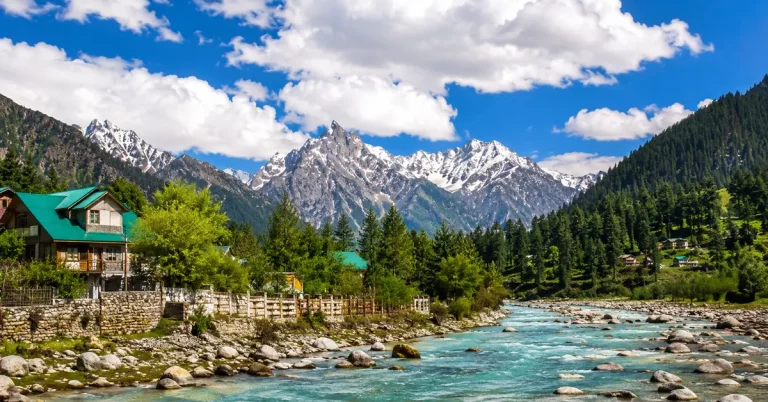
An Araku Valley trip is not simply a visit to another hill station. It is a journey through the Eastern Ghats where mist-covered mountains, dense forests, coffee plantations, waterfalls, railway tunnels and indigenous tribal culture come together in a remarkably compact destination.
Located in the Alluri Sitharama Raju district of Andhra Pradesh, Araku Valley lies roughly 115 km from Visakhapatnam and sits amid the Eastern Ghats. The valley is known for its pleasant climate, forested hills, coffee plantations, streams and strong tribal heritage. The journey itself is part of the attraction, particularly if you travel by train through the winding mountain railway route and numerous tunnels.
What makes Araku especially appealing is its variety. In one trip, you can walk through a massive limestone cave, learn about tribal traditions, taste locally grown coffee, explore botanical gardens, stop at mountain viewpoints and spend an afternoon beside a natural cascade.
The destination also works for different types of travellers. Couples can enjoy quiet mountain mornings and coffee estates. Families can combine gardens, museums and caves. Friends can add waterfalls, viewpoints and road-trip stops. Solo travellers can slow the trip down and explore the valley at their own pace.
For most travellers, three days and two nights is the sweet spot. A rushed one-day trip from Visakhapatnam can cover the headline attractions, but it leaves little room for the atmosphere that makes Araku special. If you have four days, you can add more viewpoints, villages, nature experiences and relaxed coffee-estate time.
Destination at a Glance
| Information | Details |
|---|---|
| Country / State | India / Andhra Pradesh |
| Destination | Araku Valley, Alluri Sitharama Raju district |
| Ideal Trip Duration | 3 days / 2 nights |
| Best Time to Visit | October to February for pleasant weather; monsoon for greener landscapes |
| Currency | Indian Rupee (₹) |
| Language | Telugu, tribal languages; Hindi and English are understood in tourist areas |
| Time Difference | None for Indian travellers |
| Visa Requirement | Not applicable for Indian citizens; foreign visitors require an appropriate Indian visa |
| Suitable For | Solo travellers, couples, families, friends and groups |
| Approx. Daily Budget | ₹1,500–₹3,000 budget; ₹3,000–₹6,000 mid-range; ₹6,000+ comfortable/luxury |
| Nearest Major Airport | Visakhapatnam Airport (VTZ) |
| Approx. Distance from Visakhapatnam | About 105–115 km by road |
| Main Attraction | Eastern Ghats scenery, Borra Caves, coffee plantations and tribal culture |
Why Should You Visit Araku Valley?
Araku is worth visiting because it offers a different side of Andhra Pradesh from the coastal and urban destinations most travellers associate with the state.
1. The journey is almost as beautiful as the destination
The road from Visakhapatnam climbs gradually into the Eastern Ghats, while the railway route passes through forests, bridges, mountain slopes and tunnels.
The railway journey is particularly memorable because the landscape changes dramatically as the train climbs towards the valley. The official district tourism information describes the railway journey through the tunnels and hills as a major experience in itself.
2. Araku combines nature and culture
Many hill stations are primarily about scenery. Araku offers scenery along with a strong cultural dimension.
The valley is home to numerous indigenous communities, and tribal traditions, handicrafts, music and Dhimsa dance are important parts of the destination’s identity. The region has more than a dozen tribal communities, with tribal culture remaining an integral part of tourism in the area.
3. Coffee is part of the landscape
Coffee is not merely something to drink in Araku. The plantations are part of the valley’s agricultural and cultural identity.
Arabica coffee is grown in the surrounding hills, often beneath shade trees. The local Coffee Museum explains the history and process behind the region’s coffee cultivation. The museum dates to 2006 and includes exhibits explaining coffee production and its development in the valley.
4. Borra Caves make the trip special
Borra Caves are among the most famous attractions associated with an Araku Valley journey. The limestone cave system features dramatic stalactite and stalagmite formations and is believed to have formed through geological processes over millions of years.
The caves are also associated with archaeological discoveries, including stone tools estimated by government tourism material to be tens of thousands of years old.
5. It is relatively easy to combine with Visakhapatnam
Araku works particularly well as part of a Visakhapatnam holiday. Travellers can spend a day or two exploring Vizag and then head into the Eastern Ghats for two or three nights.
Best Time to Visit Araku Valley
Araku can be visited throughout much of the year, but the experience changes significantly with the seasons.
October to February: Best Overall Season
For most travellers, this is the most comfortable period.
Temperatures are generally pleasant, mornings can be cool and the hills often have a refreshing atmosphere. December and January can feel quite cold during early mornings and evenings, particularly for travellers accustomed to warmer coastal weather.
If sightseeing is your priority, this is the safest overall choice.
March to May: Warm but Still Manageable
The valley is generally more comfortable than the plains, although afternoons can become warmer.
This period can work well for travellers who want fewer crowds, but outdoor sightseeing should preferably be planned for morning and late afternoon.
June to September: Monsoon
Monsoon transforms the Eastern Ghats.
The hills become greener, waterfalls and streams become more dramatic and mist can make the landscape look completely different.
However, rain can also make roads slippery and water attractions more hazardous. Avoid entering fast-flowing water at waterfalls or cascades during heavy rain.
If you love greenery and don’t mind unpredictable weather, monsoon can be an excellent time for an Araku Valley road trip.
Araku Valley Weather
Araku has a noticeably cooler and more pleasant climate than the coastal plains because of its elevation.
| Season | Typical Experience |
| Winter | Cool mornings, pleasant afternoons and cold evenings |
| Summer | Mild to warm afternoons with comparatively comfortable mornings |
| Monsoon | Green, misty and wet; waterfalls become more attractive |
| Post-monsoon | Fresh greenery, pleasant temperatures and excellent sightseeing conditions |
Pack a light jacket even outside winter. Travellers arriving from warmer parts of India are often surprised by how cool Araku feels after sunset.
How Many Days Are Enough for an Araku Valley Trip?
For a first visit, I recommend 3 days and 2 nights.
A practical structure is:
Day 1: Visakhapatnam to Araku via Borra Caves and coffee country
Day 2: Araku Valley sightseeing, tribal culture and waterfalls
Day 3: Morning viewpoint or relaxed valley experience followed by return to Visakhapatnam
If you have only one day, choose the Borra Caves + Araku route and accept that the schedule will be busy.
If you have four days, slow the itinerary down rather than simply adding more attractions.
How to Reach Araku Valley
By Air
Visakhapatnam Airport is the most practical major airport for travellers flying into the region.
The airport-to-Araku road distance is approximately 105–110 km, depending on the route. A road transfer generally takes around 2.5–4 hours depending on traffic, stops and road conditions. Current transport listings place a taxi from Visakhapatnam Airport to Araku at roughly ₹1,800–₹2,200 one way, although actual private-car quotations can vary.
Flights from Major Indian Cities
For travellers coming from Delhi, Mumbai, Bengaluru, Hyderabad, Chennai or Kolkata, the usual strategy is to fly to Visakhapatnam and continue by road or rail.
Because airline schedules change frequently, check the current flight schedule when booking.
By Train
Train travel is one of the most enjoyable ways to approach Araku.
The railway route climbs through the Eastern Ghats, passing through numerous tunnels and mountain landscapes.
Araku railway station is within the valley, making the train particularly convenient for travellers staying near the main town.
Train fares depend heavily on the service and class. Current journey listings indicate fares ranging from roughly ₹100 upward, with sleeper and AC classes available on relevant services.
A Practical Train Tip
If your primary objective is scenery, try to book a daytime service and sit on the side offering the best outward views.
Train availability and coach composition can change, so confirm the current service before finalising your itinerary.
By Road
Road travel gives you much more flexibility.
You can stop at:
- Borra Caves
- Ananthagiri coffee areas
- viewpoints
- roadside valley overlooks
- local food stalls
- smaller waterfalls
A private taxi from Visakhapatnam is particularly convenient for families and groups.
Recent government-published circuit information gives indicative vehicle tariffs of approximately ₹4,000 per day for an Etios/Dzire-type car and ₹6,000 per day for an Innova, although actual commercial quotations and inclusions may differ.
Local Transportation in Araku
For sightseeing, the most practical options are:
- Private cab
- Auto-rickshaw for short distances
- Local bus
- Rental vehicle where legally and practically available
- Organised sightseeing package
If travelling as a family or group of four to seven people, a private vehicle often gives the best balance between comfort and flexibility.
Currency, ATMs and Payments
The local currency is the Indian Rupee (₹).
Digital payments are widely useful in the main tourist areas, but don’t depend entirely on UPI.
Carry some cash for:
- roadside food
- small shops
- local handicrafts
- parking
- small entrance charges
- remote attractions
- auto-rickshaws
Keep smaller denominations such as ₹10, ₹20, ₹50 and ₹100.
Mobile SIM and Internet Connectivity
Indian travellers can use Airtel, Jio, Vi and other major Indian networks, but coverage can fluctuate in forested and mountainous areas.
In the main Araku town, hotels and restaurants generally provide usable connectivity, but don’t expect uninterrupted high-speed internet everywhere.
Download offline maps and keep important booking information available on your phone before leaving Visakhapatnam.
Safety in Araku Valley
Araku is generally a straightforward destination for ordinary tourism, but the landscape creates a few specific safety concerns.
Important precautions
- Do not enter waterfalls during heavy rain.
- Avoid slippery rocks around cascades.
- Don’t drive fast on mountain roads.
- Avoid travelling on unfamiliar forest roads after dark.
- Carry basic medicines.
- Keep a torch or phone flashlight.
- Don’t wander into restricted forest areas.
- Respect local communities and private agricultural land.
- Keep children close near viewpoints and water.
- Carry drinking water during longer sightseeing circuits.
The road into the valley contains curves and mountainous stretches, so drivers should avoid rushing.
Araku Valley Trip Budget
Your total cost depends mainly on accommodation and transportation.
Solo Traveller
A realistic budget for a comfortable budget trip is around ₹2,000–₹3,500 per day, excluding flights to Visakhapatnam.
This can cover:
- budget accommodation
- local food
- shared/local transport
- entrance tickets
- coffee and snacks
Couple
A couple can generally plan around ₹4,000–₹7,000 per day, excluding the cost of reaching Visakhapatnam.
Sharing a private room and taxi makes Araku considerably more economical.
Family
For a family of four, expect approximately ₹6,000–₹10,000 per day, depending on hotel category and vehicle choice.
Group
A group of six to eight people can often reduce the per-person transportation cost significantly by hiring one vehicle.
A comfortable group budget is approximately ₹2,500–₹5,000 per person per day, excluding long-distance travel.
Araku Valley Attractions: What to See
The following attractions form the core of a first-time Araku itinerary.
1. Borra Caves
| Detail | Information |
| Location | Borra, Ananthagiri Hills, on the Visakhapatnam–Araku route |
| Google Rating | Approximately 4.5/5 |
| Approx. Google Reviews | 36,000+ |
| Entry Fee | Commonly reported around ₹60 per adult; confirm at the current ticket counter |
| Timings | Approximately 10:00 AM–5:00 PM |
| Recommended Duration | 1.5–2 hours |
| Best Time | Morning or early afternoon |
| How to Reach | Road from Araku or Visakhapatnam; Borra railway station is nearby |
| Approx. Transport Cost | ₹1,000–₹2,500 for a private local transfer depending on vehicle |
| Practical Tip | Wear shoes with good grip and allow extra time for stairs |
Google Maps currently shows Borra Caves at about 4.5/5, while the wider Google review count is in the tens of thousands. Current government tourism information lists opening hours of 10 AM to 5 PM.
Why Borra Caves Are Famous
Borra Caves are the geological highlight of the Araku route.
The caves were discovered in the nineteenth century and developed naturally through limestone dissolution. Over enormous periods, water movement and chemical processes produced stalactites, stalagmites and unusual rock formations.
Visitors often see shapes that resemble animals, religious figures and human forms. Some of these interpretations are subjective, but identifying them is part of the fun.
The cave interior is much cooler than the outside environment. Artificial lighting makes the formations easier to see, although the uneven terrain means you should walk carefully.
Historical Significance
The caves have attracted scientific and archaeological interest because of both their geology and evidence of early human activity in the wider area.
Government tourism material notes discoveries of stone tools estimated to be tens of thousands of years old.
Is Borra Caves Worth Visiting?
Absolutely.
If you have only limited time in Araku, this is one attraction I would not remove from the itinerary.
2. Araku Tribal Museum
| Detail | Information |
| Location | Araku Valley town |
| Google Rating | Approximately 4.1/5 |
| Approx. Google Reviews | 11,000+ |
| Entry Fee | Approximately ₹40 adults / ₹20 children |
| Timings | Commonly listed around 10:00 AM–6:00 PM |
| Recommended Duration | 1–1.5 hours |
| Best Time | Late morning or afternoon |
| How to Reach | Auto, taxi or local vehicle from Araku town |
| Approx. Transport Cost | ₹100–₹300 by local auto depending on starting point |
| Practical Tip | Read the descriptions rather than simply walking through the exhibits |
The museum’s current Google rating is approximately 4.1, with more than 11,000 reviews shown in Google hotel/place listings. Museum-directory information records adult admission at ₹40 and children at ₹20.
Why the Tribal Museum Is Important
Araku’s identity cannot be understood entirely through scenery.
The Tribal Museum provides context for the people who have lived in these hills for generations. Exhibits represent daily life, traditional tools, jewellery, musical instruments, household objects, clothing, ceremonies and tribal art.
The museum was established in 1996 and is designed around the cultural life of tribal communities of the region.
What Should You Look For?
Don’t rush through the displays.
Look at:
- traditional agricultural tools
- household objects
- jewellery
- musical instruments
- representations of tribal homes
- traditional costumes
- hunting equipment
- dance-related exhibits
If a Dhimsa performance is being conducted during your visit, it can make the cultural experience much more memorable.
Is It Worth Visiting?
Yes, especially for families and first-time visitors.
It is also one of the places that helps prevent an Araku trip from becoming merely a sightseeing checklist.
3. Araku Coffee Museum
| Detail | Information |
| Location | Araku–Visakhapatnam Road |
| Google Rating | Approximately 4.2/5 |
| Approx. Google Reviews | 4,000+ |
| Entry Fee | Around ₹10 |
| Timings | Commonly listed approximately 8:00 AM–8:00 PM; some current listings show later morning opening |
| Recommended Duration | 45–60 minutes |
| Best Time | Morning or late afternoon |
| How to Reach | Auto, taxi or private vehicle |
| Approx. Transport Cost | ₹100–₹300 locally |
| Practical Tip | Buy freshly packed coffee only after comparing varieties and roast preferences |
Current Google listings show a rating around 4.2, with more than 4,000 reviews. Museum records list an entry fee of ₹10 and opening hours extending from morning into evening.
Why the Coffee Museum Is Famous
Araku’s coffee story is intertwined with its hills and tribal farming communities.
The museum explains the journey of coffee from cultivation to processing and consumption. It also offers visitors an opportunity to understand why coffee grows particularly well in the region.
The museum was established in 2006.
What to Experience
Have a cup of local coffee rather than simply photographing the museum.
If you enjoy coffee, buy a small packet of beans or ground coffee after tasting it. Check the roast date and packaging before purchasing larger quantities.
Is It Worth Visiting?
Yes, if you enjoy coffee, agriculture or local culture.
For a traveller who is not interested in coffee, keep the visit short.
4. Padmapuram Gardens
| Detail | Information |
| Location | Near Araku town |
| Google Rating | Approximately 4.0/5 |
| Approx. Google Reviews | 8,800+ |
| Entry Fee | Commonly reported around ₹40 adults / ₹20 children |
| Timings | Approximately 8:30 AM–6:00 PM; schedules can vary |
| Recommended Duration | 1–1.5 hours |
| Best Time | Morning or late afternoon |
| How to Reach | Auto or taxi from central Araku |
| Approx. Transport Cost | ₹100–₹300 local auto |
| Practical Tip | Families with children may enjoy the toy train more than adults seeking serious botanical sightseeing |
Current Google listings show approximately a 4.0 rating and more than 8,800 reviews. Published visitor information commonly lists ₹40 adult and ₹20 child admission.
What Makes Padmapuram Gardens Interesting?
Padmapuram is a horticultural attraction rather than a dramatic natural wonder.
The gardens contain plants, landscaped areas and recreational features, including the popular toy train. The location also has a history connected with horticulture and wartime food production before developing into a garden and training centre.
The garden is best approached as a relaxed family stop rather than the main reason to visit Araku.
Is It Worth Visiting?
Yes, if you have enough time.
If your itinerary is extremely tight, Borra Caves, coffee plantations, Tribal Museum and the valley scenery deserve priority.
For families with young children, however, Padmapuram becomes more worthwhile.
5. Chaparai Water Cascade
| Detail | Information |
| Location | About 13–15 km from Araku on the Paderu road |
| Google Rating | Approximately 4.1/5 |
| Approx. Google Reviews | 14,700+ |
| Entry Fee | Around ₹10 |
| Timings | Generally daytime; confirm locally during monsoon |
| Recommended Duration | 1–2 hours |
| Best Time | Post-monsoon and winter; avoid unsafe water conditions during heavy rain |
| How to Reach | Private vehicle, taxi or auto |
| Approx. Transport Cost | ₹500–₹1,200 round trip from Araku depending on vehicle |
| Practical Tip | Never enter the water when the current is strong |
Google currently shows Chaparai at around 4.1/5 with more than 14,000 reviews. Local tourism information commonly reports an approximately ₹10 entry charge.
Why Chaparai Is Famous
Chaparai is different from a conventional waterfall.
Water flows over broad, naturally shaped rocks, creating small cascades and smooth sections that have become popular with visitors.
The surrounding forest and rock formations make it attractive for picnics and photography.
The Safety Issue
This is one attraction where you should not blindly copy what other tourists are doing.
The smooth rocks can become extremely slippery. During heavy rainfall, water levels and currents can change quickly.
Local travel information specifically advises against entering the water during heavy monsoon flow.
Is It Worth Visiting?
Yes in suitable weather.
If the weather is wet and the water looks fast, enjoy the scenery from a safe distance and leave the water alone.
6. Galikonda View Point
| Detail | Information |
| Location | Along the Araku mountain route |
| Google Rating | Approximately 4.5/5 |
| Approx. Google Reviews | 5,600+ |
| Entry Fee | Usually no major attraction fee; local charges may vary |
| Timings | Generally daytime |
| Recommended Duration | 20–40 minutes |
| Best Time | Early morning or late afternoon |
| How to Reach | Private vehicle or sightseeing taxi |
| Approx. Transport Cost | Usually included in a local sightseeing circuit |
| Practical Tip | Don’t rush past the viewpoint if visibility is good |
Google listings currently show Galikonda View Point at around 4.5/5 with several thousand reviews.
Why Visit?
The viewpoint provides a chance to see the scale of the Eastern Ghats.
On clear days, layered hills and valleys stretch into the distance. On misty mornings, the landscape becomes softer and more atmospheric.
This is a place where weather matters more than a checklist.
If visibility is poor, don’t force a long stop.
7. Ananthagiri Coffee Plantations
| Detail | Information |
| Location | Ananthagiri Hills on the route towards Araku |
| Google Rating | Varies by individual plantation/site |
| Approx. Reviews | Varies |
| Entry Fee | Plantation-dependent; some viewpoints may be free |
| Timings | Daytime; plantation access varies |
| Recommended Duration | 30–90 minutes |
| Best Time | October–February |
| How to Reach | Road from Visakhapatnam towards Araku |
| Approx. Transport Cost | Included in private taxi/sightseeing circuit |
| Practical Tip | Ask before entering plantation land; not every coffee-growing area is a tourist attraction |
Ananthagiri is known for coffee plantations and scenic hills along the approach to Araku.
Why Visit?
This is where the coffee story becomes tangible.
Instead of seeing packaged coffee in a museum, you see the agricultural landscape in which the crop is cultivated.
Depending on the season, you may see coffee plants, shade trees and other crops used in the local farming system.
Suggested Hotels in Araku Valley
Hotel availability and prices fluctuate significantly by weekends, holidays and season.
Rather than selecting accommodation solely by star rating, choose your location carefully.
Budget Hotels
Expect approximately ₹800–₹1,800 per night for basic accommodation during normal periods.
Look around:
- Araku town
- Araku railway station area
- main market area
Budget accommodation is best for travellers who plan to spend most of the day sightseeing.
Mid-Range Hotels
Expect approximately ₹2,000–₹4,500 per night.
This is the category I recommend for most couples and families.
Look for:
- parking
- hot water
- room heating or adequate blankets
- breakfast
- reliable electricity
- good road access
Premium and Luxury Stays
Expect approximately ₹4,500–₹10,000+ per night, with prices sometimes higher during peak periods.
Premium resorts outside the central market can provide a more peaceful experience and better views.
Best Area to Stay
For a first visit, central Araku is the easiest choice.
You are closer to restaurants, the railway station, local transport and major attractions.
For couples seeking quiet surroundings, a resort slightly outside the centre may be preferable.
What to Eat in Araku Valley
Food is an important part of the experience.
Bamboo Chicken
This is one of the dishes most strongly associated with the Araku region.
Marinated chicken is traditionally cooked inside bamboo, producing a smoky flavour.
Prices vary according to portion size and restaurant, but a serving may cost roughly ₹300–₹600.
Ask about preparation and portion size before ordering.
Local Chicken and Mutton Preparations
Non-vegetarian travellers will find spicy Andhra-style preparations.
Expect bold seasoning and chilli levels.
If you are not comfortable with spicy food, tell the restaurant clearly before ordering.
Fresh Coffee
Do not leave Araku without trying local coffee.
Depending on where you drink it, a cup may cost approximately ₹30–₹150.
Tribal and Local Snacks
Roadside stalls may sell:
- corn
- roasted snacks
- pakoras
- tea
- coffee
- local sweets
- seasonal produce
Choose busy, clean stalls where food turnover is high.
Vegetarian Food in Araku
Vegetarians should not have difficulty finding basic meals.
Look for:
- South Indian thali
- idli
- dosa
- vada
- rice meals
- vegetable curries
- dal
- curd rice
- paneer dishes
- poha or breakfast items depending on the restaurant
For strict vegetarians, ask whether the kitchen uses the same cooking utensils for meat.
Shopping in Araku Valley
Shopping is more about local products and souvenirs than conventional retail.
What to Buy
Araku Coffee
This is the obvious purchase.
Buy from a reputable shop and check:
- roast date
- packaging
- origin
- grind type
Tribal Handicrafts
Look for:
- jewellery
- decorative objects
- traditional crafts
- bamboo products
- textiles
- handmade souvenirs
The Tribal Museum also has opportunities to see and purchase tribal handicrafts.
Local Honey
Honey is available around some rural tourist routes.
Buy sealed, properly labelled products when possible.
Chocolate and Coffee Products
The Coffee Museum area is particularly convenient for coffee-related souvenirs and chocolates.
Bargaining Tips
Bargaining is acceptable in informal souvenir markets, but it should be reasonable.
A better approach is:
- Ask the price.
- Compare two or three stalls.
- Offer a fair counter-price.
- Don’t bargain aggressively over a very small amount.
- Support genuine local artisans when possible.
Hidden Gems Around Araku
If you have more than three days, consider going beyond the standard tourist circuit.
Madagada Sunrise View Point
Google listings currently show this viewpoint with a strong rating of around 4.6 and more than 1,600 reviews.
The attraction is particularly interesting for travellers willing to wake up early.
Dumuku View Point
Dumuku is another scenic stop for travellers interested in mountain landscapes and photography. Google currently lists it at around 4.4/5.
Katiki Waterfalls
Katiki is associated with a more adventurous waterfall experience and may involve walking or trekking depending on the route and current access conditions.
It is better suited to travellers who are comfortable with uneven terrain.
Tyda
Tyda lies along the route between Visakhapatnam and Araku and is associated with forest tourism, wildlife experiences, camping and outdoor activities. The district tourism authority identifies it as a nature and wilderness-oriented destination.
The Best 3-Day Araku Valley Trip Itinerary
This itinerary assumes you are starting from Visakhapatnam.
Day 1: Visakhapatnam to Araku via Borra Caves
Total distance: Approximately 110–130 km depending on route and sightseeing
Travel time: Approximately 4–6 hours including sightseeing
Mode: Private cab / train plus local vehicle
Estimated transportation cost: ₹2,500–₹5,000 for a private car
Approx. daily budget: ₹4,000–₹7,000 per couple
Suggested hotel area: Central Araku
Suggested food stops: Roadside Andhra restaurants, Borra-area eateries, Araku town restaurants
Morning
Start from Visakhapatnam around 6:00–7:00 AM.
If travelling by private vehicle, leave early enough to avoid city traffic.
The road gradually changes as you climb into the Eastern Ghats.
Stop at scenic viewpoints when conditions permit.
Late Morning: Borra Caves
Spend around 1.5–2 hours exploring Borra Caves.
Don’t rush through the cave.
The stairs and uneven surfaces require comfortable footwear.
Lunch
Have lunch near the Borra/Araku route.
This is a good opportunity to try local chicken or bamboo chicken if available and hygienically prepared.
Vegetarian travellers can choose rice meals or South Indian options.
Afternoon: Coffee Plantation / Ananthagiri
Continue towards Araku.
Stop at a coffee-growing area or scenic viewpoint.
Take time to understand the landscape rather than treating the plantation as merely a photo stop.
Evening: Check-in
Reach your hotel in Araku.
Rest for a while.
Walk around the local market if you still have energy.
Night
Have an early dinner.
If a local cultural or Dhimsa performance is available during your visit, this can be an excellent evening activity. The district tourism information notes that Dhimsa dance is traditionally presented for visitors on weekend evenings.
Day 2: Discover Araku Valley
Total distance: Approximately 30–50 km
Travel time: 2–3 hours driving, excluding sightseeing
Mode: Local taxi / auto / private vehicle
Estimated transportation cost: ₹1,000–₹2,500
Approx. daily budget: ₹3,000–₹6,000 per couple
Suggested hotel area: Central Araku
Suggested restaurants: Local South Indian restaurants around the town centre
Morning: Padmapuram Gardens
Start around 8:30 AM.
Spend about an hour exploring the gardens.
Families with children can consider the toy train.
If you are travelling as a couple and prefer natural scenery to recreational attractions, keep this visit relatively short.
Late Morning: Coffee Museum
Move to the Coffee Museum.
Spend around 45–60 minutes learning about coffee cultivation.
Have a fresh cup.
Purchase coffee only if you genuinely like the flavour rather than buying large quantities simply because you are in a coffee-growing region.
Lunch
Return towards central Araku.
Try a South Indian meal or local Andhra-style food.
Afternoon: Tribal Museum
Spend around one hour at the Tribal Museum.
This should not be treated as a quick photo stop.
The exhibits provide important context for the communities and traditions of the region.
Late Afternoon: Galikonda View Point
Head towards a scenic viewpoint.
If visibility is good, spend 30–40 minutes photographing the hills.
Evening: Local Market
Return to town.
Shop for:
- coffee
- tribal handicrafts
- chocolates
- local products
Have dinner and return to your hotel.
Day 3: Chaparai and Return to Visakhapatnam
Total distance: Approximately 120–140 km
Travel time: 4–6 hours including sightseeing
Mode: Private vehicle
Estimated transportation cost: ₹2,500–₹5,000 depending on vehicle and return arrangement
Approx. daily budget: ₹3,000–₹5,500 per couple
Suggested hotel area: Not required if returning to Visakhapatnam
Suggested food: Breakfast at hotel; lunch on the route
Early Morning
Have breakfast early.
If weather and road conditions are good, visit a sunrise viewpoint.
Otherwise, take a slow morning walk around the valley.
Morning: Chaparai
Drive to Chaparai Water Cascade.
Spend approximately one hour enjoying the landscape.
Do not enter the water if the current is strong.
The attraction is approximately 13–15 km from Araku and is accessed by road.
Late Morning
Return towards Araku and check out.
Lunch
Have lunch before beginning the longer return drive.
Afternoon: Return to Visakhapatnam
Begin the journey back.
If you have an evening flight, allow a generous buffer. Mountain roads are not the place to plan a tight airport connection.
Evening
Reach Visakhapatnam.
If your flight is the following morning, staying overnight in Visakhapatnam is usually more comfortable.
Alternative 3-Day Plan by Train
For travellers who value the journey itself, consider:
Day 1: Visakhapatnam → Araku by scenic train
Day 1 afternoon: Check-in + Tribal Museum + Coffee Museum
Day 2: Borra Caves + viewpoints + coffee plantations
Day 3: Chaparai + local sightseeing + road/train return
This version reduces the road-trip flexibility but gives you a memorable mountain railway experience.
One-Day Araku Valley Trip
If you have only one day, don’t try to see everything.
A sensible schedule is:
6:00–7:00 AM: Depart Visakhapatnam
9:30–11:00 AM: Borra Caves
11:30 AM: Coffee/Ananthagiri stop
1:00 PM: Lunch
2:00 PM: Araku Valley
3:00 PM: Tribal Museum
4:00 PM: Padmapuram Gardens or viewpoint
5:00 PM: Begin return
9:00 PM: Reach Visakhapatnam
The Andhra Pradesh tourism authority currently lists a full-day Araku road tour operating approximately from 7 AM to 9 PM and covering attractions including Padmapuram Gardens, Tribal Museum, Ananthagiri Coffee Plantation, Galikonda View Point, Borra Caves and a tribal Dhimsa performance.
It is doable, but it is a long day.
Araku Valley Photography Guide
Araku is particularly rewarding for photographers because the scenery changes dramatically with light and weather.
Best Photography Locations
Mountain Viewpoints
Shoot during:
- early morning
- golden hour
- misty weather
Avoid harsh midday light where possible.
Coffee Plantations
Look for:
- rows of coffee plants
- shade trees
- hillsides
- local workers where photography is appropriate
- coffee cherries during the right season
Borra Caves
Use a camera capable of handling low light.
Tripods may not be practical in crowded areas.
Don’t use flash where photography restrictions apply.
Chaparai
Shoot from the side rather than standing in unsafe water positions.
Long exposures can create beautiful water movement if conditions permit.
Common Tourist Mistakes in Araku Valley
Mistake 1: Trying to complete everything in one day
Araku looks compact on a map but mountain roads take time.
Mistake 2: Ignoring the journey
The train and road routes are part of the experience.
Mistake 3: Visiting waterfalls during unsafe weather
This is the most important mistake to avoid.
Mistake 4: Treating tribal culture as a photo opportunity
Ask permission before photographing people.
Respect local traditions.
Mistake 5: Carrying no cash
Small tourist stops may not accept digital payment reliably.
Mistake 6: Arriving without warm clothing
Even when the daytime temperature feels comfortable, evenings can be cool.
Mistake 7: Planning a tight flight connection
Allow plenty of time between Araku and the airport.
Money-Saving Tips for an Araku Valley Trip
Travel by train
For solo travellers and couples, train travel can significantly reduce transportation costs.
Share a taxi
Groups can split the cost of a private vehicle.
Stay centrally
A central hotel can reduce repeated auto fares.
Eat local
Local restaurants are generally much cheaper than premium resort dining.
Buy coffee sensibly
Don’t purchase several kilograms simply because it seems inexpensive.
Travel outside peak weekends
Accommodation prices can rise considerably during holidays and long weekends.
Packing Checklist for Araku Valley
- Light jacket or sweatshirt
- Comfortable walking shoes
- Rain jacket during monsoon
- Small umbrella
- Sunglasses
- Sunscreen
- Reusable water bottle
- Basic medicines
- Power bank
- Phone charger
- Small cash
- Identification documents
- Camera
- Extra clothes if visiting waterfalls
- Small backpack
- Mosquito repellent
For families travelling with children, add an extra set of clothing and snacks for long road journeys.
Local Etiquette
Araku is not simply a tourist landscape. People live and work throughout the region.
Follow a few simple principles:
- Ask before photographing people.
- Don’t enter farms without permission.
- Don’t touch cultural objects unnecessarily.
- Avoid loud music near villages.
- Don’t litter.
- Don’t leave plastic near waterfalls.
- Respect religious and tribal traditions.
- Buy handicrafts fairly.
- Follow local instructions around forest areas.
Is Araku Valley Good for Families?
Yes.
Families can combine:
- Borra Caves
- Tribal Museum
- Coffee Museum
- Padmapuram Gardens
- viewpoints
- short nature stops
The biggest concern is transportation time.
Young children may become tired during long road journeys, so don’t overpack the itinerary.
Is Araku Valley Good for Couples?
Very much so.
Couples who enjoy:
- mountain scenery
- coffee
- photography
- quiet mornings
- scenic drives
- nature
will probably enjoy Araku.
For a more romantic experience, choose a resort outside the busiest central area and spend at least two nights.
Is Araku Valley Good for Solo Travellers?
Yes, especially if you enjoy slow travel.
The main attractions can be covered independently, but private transport becomes useful for viewpoints, plantations and waterfalls.
Solo travellers should avoid isolated forest roads and late-night wandering.
Is Araku Valley Expensive?
No.
Compared with many popular Indian hill stations, Araku can be relatively affordable.
The largest expense is usually transportation, particularly when hiring a private car.
Accommodation and food can be kept reasonable by staying in central Araku and eating at local restaurants.
Araku Valley vs Other Hill Stations
Araku is not trying to compete directly with Shimla, Manali, Ooty or Munnar.
Its appeal is different.
It combines:
- Eastern Ghats landscapes
- tribal culture
- coffee
- caves
- waterfalls
- mountain railway
- relatively low-key tourism
If you want nightlife and large-scale commercial tourism, Araku may feel too quiet.
If you want scenery and cultural character, it is much more interesting.
Frequently Asked Questions About Araku Valley Trip
1. How many days are enough for an Araku Valley trip?
Three days and two nights are ideal for a first trip. This allows enough time for Borra Caves, coffee plantations, Tribal Museum, Padmapuram Gardens, viewpoints and Chaparai without making every day exhausting.
2. What is the best time to visit Araku Valley?
October to February is the safest overall choice for pleasant sightseeing weather. Monsoon is excellent for greenery and waterfalls but requires greater caution around mountain roads and flowing water.
3. How far is Araku Valley from Visakhapatnam?
Araku is roughly 110–115 km from Visakhapatnam by road, depending on the route. The actual journey can take several hours because of mountain roads and sightseeing stops.
4. Which is better for reaching Araku: train or road?
Choose the train if you want a scenic railway experience. Choose a private car if you want flexibility to stop at Borra Caves, viewpoints, plantations and other attractions along the way.
5. Is Borra Caves worth visiting?
Yes. Borra Caves are one of the strongest reasons to include Araku in a trip from Visakhapatnam. The geological formations, cave environment and surrounding mountain scenery make it substantially different from ordinary sightseeing attractions.
6. Is Araku Valley safe for families?
Generally yes, provided normal precautions are followed. The main safety concern is natural terrain, particularly slippery rocks, waterfalls, mountain roads and sudden weather changes.
7. What is Araku Valley famous for?
Araku is famous for its Eastern Ghats scenery, coffee plantations, tribal culture, Dhimsa dance, Borra Caves, waterfalls, viewpoints and scenic railway journey.
8. What should I buy from Araku?
Local coffee is the most obvious purchase, followed by tribal handicrafts, bamboo products, textiles, honey and coffee-based chocolates.
Final Araku Valley Trip Plan
For a first-time visitor, the best approach is to resist the temptation to turn Araku into a checklist.
Start from Visakhapatnam early, preferably travelling through the Eastern Ghats by road or taking the scenic train. Visit Borra Caves before continuing towards Araku. Spend your first evening settling into the valley rather than immediately chasing another attraction.
Use the second day to understand Araku itself. Visit Padmapuram Gardens if it suits your interests, explore the Coffee Museum, spend meaningful time at the Tribal Museum and finish with a mountain viewpoint.
On the final day, visit Chaparai if weather conditions are safe, enjoy a relaxed breakfast and then return to Visakhapatnam.
The most memorable parts of an Araku Valley trip may not necessarily be the attractions printed on a sightseeing brochure. It may be the moment the train disappears into a tunnel, the smell of freshly brewed coffee in the hills, mist settling over a plantation, a roadside viewpoint opening into layers of mountains or an evening spent listening to local music.
That is what makes Araku different.
It is a destination where the journey, landscape and culture are closely connected. Give it at least three days, travel at a comfortable pace, respect the local communities and let the mountains determine the rhythm of the trip.
Travel Disclaimer
Travel costs, hotel prices, transportation fares, railway schedules, attraction entry fees, opening and closing timings, local regulations, weather conditions, availability of activities, visa requirements, exchange rates and other travel information can change over time. The figures in this guide are approximate and intended for planning purposes. Always verify the latest information with the relevant local authority, transport operator, hotel or attraction before travelling.