Agra Trip: The Ultimate Travel Guide with Taj Mahal, 3-Day Itinerary, Budget, Hotels, Best Time and Complete Travel Tips
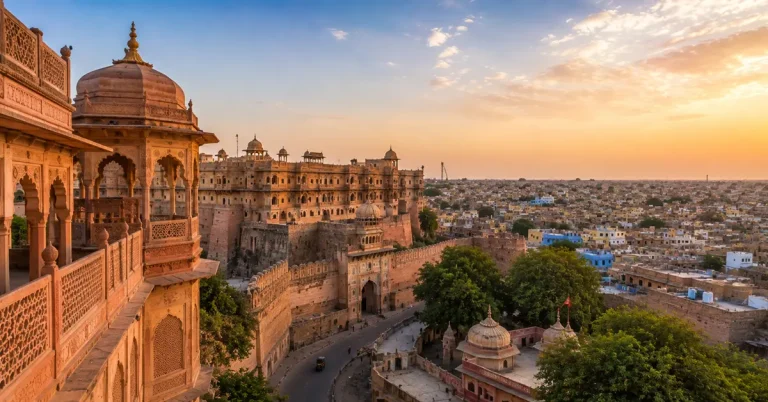
An Agra Trip is much more than a visit to the Taj Mahal. While the world-famous white marble monument is undoubtedly the city’s biggest attraction, Agra also offers magnificent Mughal forts, beautiful gardens, vibrant bazaars, centuries-old architecture, delicious street food, and a fascinating glimpse into India’s royal history.
Located on the banks of the Yamuna River in Uttar Pradesh, Agra was once the capital of the Mughal Empire. Today, it attracts millions of visitors every year, including domestic tourists, international travelers, photographers, honeymooners, history enthusiasts, and families.
Whether you are planning a quick weekend getaway from Delhi, a family vacation, or including Agra in the famous Golden Triangle (Delhi–Agra–Jaipur), this guide will help you plan every aspect of your journey with practical information, realistic budgets, and a carefully designed itinerary.
Destination at a Glance
| Information | Details |
|---|---|
| Country | India |
| State | Uttar Pradesh |
| Ideal Trip Duration | 2–3 Days |
| Best Time to Visit | October to March |
| Currency | Indian Rupee (₹) |
| Language | Hindi, English, Urdu |
| Time Difference | Not Applicable |
| Visa Requirement | Not Applicable for Indian Citizens |
| Suitable For | Solo Travelers, Couples, Families, Friends, History Lovers |
| Estimated Daily Budget | ₹2,500–₹10,000 per person |
Why Should You Visit Agra?
Agra is one of India’s most iconic travel destinations and offers much more than just a single monument. Every corner of the city reflects the grandeur of the Mughal era through its architecture, culture, cuisine, and craftsmanship.
Here are some of the biggest reasons to plan an Agra Trip:
- Home to the world-famous Taj Mahal, one of the Seven Wonders of the World.
- Three UNESCO World Heritage Sites within easy reach.
- Rich Mughal history and architecture.
- Perfect weekend destination from Delhi and NCR.
- Affordable for all budgets.
- Excellent road and rail connectivity.
- Famous for marble handicrafts and leather goods.
- Delicious Mughlai cuisine and iconic Agra Petha.
- Suitable for family holidays, couples, solo travelers, and educational tours.
- Easily combined with Fatehpur Sikri, Mathura, Vrindavan, Jaipur, or Delhi.
Unlike many tourist destinations that require a week to explore, Agra can be comfortably experienced in two to three days without feeling rushed.
Best Time to Visit Agra
Choosing the right season can significantly enhance your sightseeing experience, especially since much of Agra’s charm lies in exploring outdoor monuments.
Winter (October to March)
This is widely considered the best season for an Agra Trip.
Temperature:
- 8°C–25°C
Highlights:
- Pleasant weather
- Comfortable sightseeing
- Clear mornings
- Ideal photography conditions
- Festival atmosphere during winter holidays
Recommended for:
- Families
- Couples
- Senior citizens
- Foreign tourists
- Photography enthusiasts
Summer (April to June)
Temperature:
- 30°C–45°C
Summer in Agra can be extremely hot. If traveling during this period, visit outdoor attractions early in the morning or after sunset.
Advantages:
- Lower hotel prices
- Less crowded monuments
- Better hotel deals
Monsoon (July to September)
Temperature:
- 25°C–35°C
Occasional rain transforms the gardens around the Taj Mahal into lush green landscapes.
Advantages:
- Beautiful photography
- Fewer tourists
- Refreshing weather after rainfall
- Attractive hotel discounts
Weather Overview
| Season | Weather |
|---|---|
| Winter | Cool and pleasant |
| Summer | Very hot and dry |
| Monsoon | Warm with occasional rainfall |
Ideal Duration for an Agra Trip
Although Agra can be visited as a day trip from Delhi, spending 2–3 days allows you to experience the city at a comfortable pace.
Recommended Plan
2 Days
- Taj Mahal
- Agra Fort
- Mehtab Bagh
- Itmad-ud-Daulah
3 Days
Everything above plus:
- Fatehpur Sikri
- Akbar’s Tomb (Sikandra)
- Jama Masjid
- Local markets
- Street food tour
How to Reach Agra
Agra is one of the best-connected tourist cities in India.
By Air
Agra has a domestic airport with limited commercial services, while many travelers prefer flying into Delhi due to its wider flight network.
Nearest Airports
| Airport | Distance |
|---|---|
| Agra Airport (AGR) | Approximately 8 km |
| Indira Gandhi International Airport, Delhi | Approximately 230 km |
From Delhi Airport, Agra can be reached by:
- Expressway taxi
- Private cab
- Luxury bus
- Train
Travel Time:
3.5–4.5 hours via the Yamuna Expressway.
By Train
Agra is served by several major railway stations.
Important Railway Stations
- Agra Cantt (AGC)
- Agra Fort
- Raja Ki Mandi
Popular trains include:
- Gatimaan Express
- Vande Bharat Express
- Shatabdi Express
- Taj Express
Travel Time from Delhi:
Approximately 1 hour 40 minutes to 3 hours, depending on the train.
By Road
Road travel is one of the most popular ways to reach Agra.
Approximate distances:
| City | Distance |
|---|---|
| Delhi | 230 km |
| Jaipur | 240 km |
| Lucknow | 335 km |
| Gwalior | 120 km |
The Yamuna Expressway provides a smooth and fast journey from Delhi.
Local Transportation
Getting around Agra is simple and economical.
Available options include:
- Auto-rickshaws
- E-rickshaws
- App-based taxis
- Local taxis
- Cycle-rickshaws (Old City)
- Rental scooters (limited availability)
Approximate fares:
| Transport | Approximate Cost |
|---|---|
| E-rickshaw | ₹20–₹100 |
| Auto-rickshaw | ₹80–₹250 |
| App Taxi | ₹120–₹500 |
| Full-Day Taxi | ₹1,500–₹2,800 |
Walking is recommended around the Taj Mahal complex and nearby markets.
Currency
Currency used:
Indian Rupee (₹)
Since Agra is a major tourist city:
- ATMs are widely available.
- Digital payments are accepted almost everywhere.
- UPI works at most restaurants, hotels, and shops.
- Carry some cash for street food vendors, cycle-rickshaws, and local markets.
Mobile Network & SIM Cards
All major Indian telecom providers offer strong coverage in Agra.
Popular operators:
- Jio
- Airtel
- Vi (Vodafone Idea)
- BSNL
Tourists arriving from abroad can purchase an Indian SIM at major airports with valid identification and visa documents.
Internet Availability
Internet connectivity in Agra is generally reliable.
Availability:
- Hotels: Excellent
- Cafés: Good
- Restaurants: Good
- Shopping malls: Available
- Tourist attractions: Moderate to Good
- Railway stations: Available in many areas
Mobile internet speeds are generally sufficient for navigation, online bookings, digital payments, and social media.
Is Agra Safe for Tourists?
Yes. Agra is generally considered safe for tourists, especially around the main sightseeing areas. As with any busy tourist destination, basic precautions should be followed.
Safety Tips:
- Visit the Taj Mahal early in the morning to avoid large crowds.
- Beware of unofficial guides and touts near popular attractions.
- Book tickets through official channels or trusted travel agents.
- Use registered taxis or reputable app-based cabs.
- Keep valuables secure in crowded markets.
- Stay hydrated, especially during summer.
Women travelers and solo visitors can comfortably explore Agra during the daytime while following standard travel precautions.
Estimated Travel Budget
Solo Traveler
| Expense | Approximate Cost |
|---|---|
| Budget Hotel | ₹1,200–₹2,500 |
| Food | ₹600–₹1,000 |
| Local Transport | ₹300–₹700 |
| Attractions | ₹600–₹1,200 |
| Daily Total | ₹2,700–₹5,400 |
Couple
| Expense | Approximate Cost |
|---|---|
| Hotel | ₹2,500–₹5,500 |
| Food | ₹1,200–₹2,000 |
| Transport | ₹700–₹1,500 |
| Attractions | ₹1,200–₹2,400 |
| Daily Total | ₹5,600–₹11,400 |
Family (2 Adults + 2 Children)
| Expense | Approximate Cost |
|---|---|
| Hotel | ₹4,500–₹8,500 |
| Food | ₹2,500–₹4,000 |
| Transport | ₹1,200–₹2,500 |
| Attractions | ₹2,000–₹3,500 |
| Daily Total | ₹10,200–₹18,500 |
Group (4 Friends)
| Expense | Approximate Cost |
|---|---|
| Shared Hotel | ₹5,000–₹8,000 |
| Food | ₹2,400–₹4,000 |
| Shared Transport | ₹1,500–₹2,800 |
| Attractions | ₹2,400–₹4,500 |
| Daily Total | ₹11,300–₹19,300 |
Why Agra Continues to Attract Millions of Visitors
Few destinations in the world combine romance, history, architecture, and culture as effortlessly as Agra. While the Taj Mahal is often the first reason travelers visit, many leave with equally strong memories of the majestic Agra Fort, peaceful Mughal gardens, bustling bazaars, flavorful cuisine, and the warmth of local hospitality.
Its excellent connectivity, affordable travel costs, and wealth of historical attractions make Agra an ideal destination for first-time visitors to India as well as returning travelers looking to explore beyond the famous postcard views.
Day 1 – Explore the Taj Mahal and Agra Fort
Day Overview
| Information | Details |
|---|---|
| Starting Point | Agra |
| Ending Point | Agra |
| Total Distance | Approximately 12–15 km |
| Total Travel Time | 1–1.5 Hours (excluding sightseeing) |
| Transportation | E-rickshaw, Auto, Taxi, Walking |
| Estimated Transport Cost | ₹250–₹600 |
| Approximate Daily Budget | ₹3,500–₹7,000 per person |
| Suggested Hotel Area | Taj Ganj, Fatehabad Road |
| Suggested Restaurants | Pinch of Spice, Esphahan, Joney’s Place, Tea’se Me |
Morning – Visit the Taj Mahal at Sunrise
The best way to begin your Agra Trip is by visiting the Taj Mahal as soon as it opens. The soft morning light creates stunning reflections on the white marble, temperatures are pleasant, and the crowds are comparatively smaller.
Attraction 1 – Taj Mahal
| Information | Details |
|---|---|
| Location | Dharmapuri, Agra |
| Google Rating | 4.8/5 |
| Approximate Reviews | 2,80,000+ |
| Entry Fee | Indians: ₹50 + ₹200 (optional main mausoleum ticket) |
| Foreign Tourists | Approximately ₹1,100 + ₹200 mausoleum ticket |
| Children (Below 15 Years) | Free |
| Opening Hours | Sunrise to Sunset (Closed every Friday) |
| Recommended Visit Duration | 3–4 Hours |
| Best Time to Visit | Sunrise (October–March) |
| How to Reach | Taxi, Auto, E-rickshaw, Walking from Taj Parking |
| Approximate Transport Cost | ₹50–₹300 |
| Practical Travel Tip | Arrive at least 30–45 minutes before opening to minimize waiting time and enjoy the best lighting for photography. |
Why is the Taj Mahal Famous?
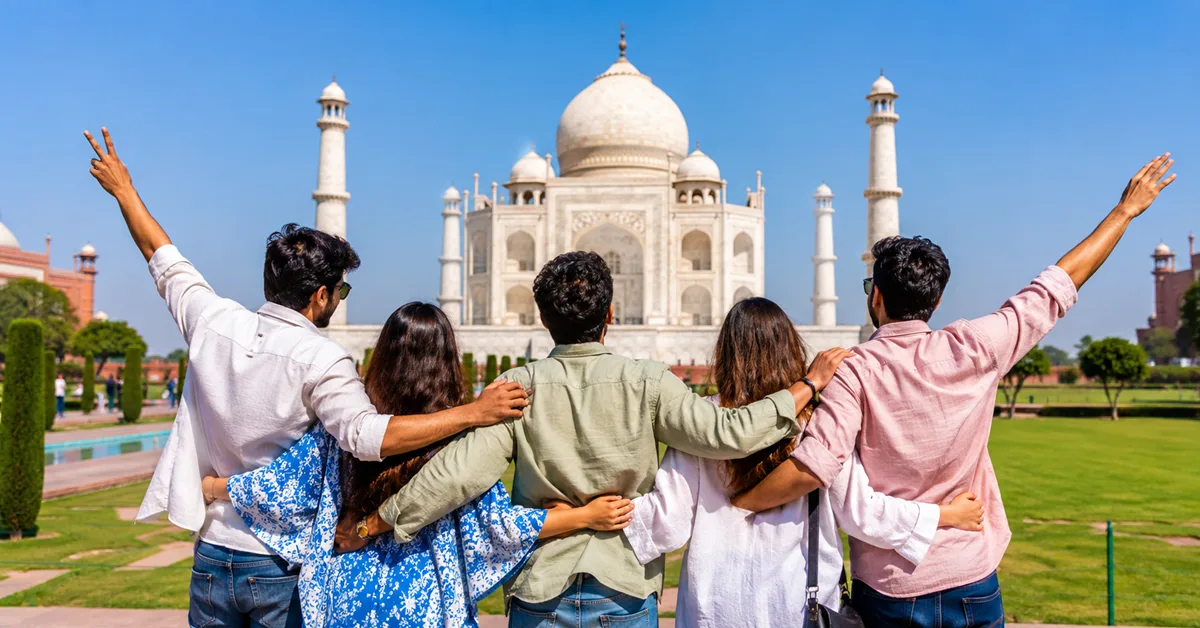
The Taj Mahal is one of the most celebrated monuments in the world and is recognized as a UNESCO World Heritage Site. Built by Mughal Emperor Shah Jahan in memory of his wife Mumtaz Mahal, it represents one of the finest examples of Mughal architecture.
Constructed entirely from white Makrana marble, the monument features intricate floral carvings, precious stone inlay work, symmetrical gardens, elegant fountains, and a magnificent central dome. Depending on the sunlight, the marble appears to change color throughout the day, creating a mesmerizing visual experience.
Visitors can explore the grand entrance gate, Charbagh gardens, reflecting pools, the marble platform, and the mausoleum itself. The peaceful atmosphere during sunrise adds to its timeless beauty.
Is it worth visiting?
Absolutely. No Agra Trip is complete without experiencing the Taj Mahal. Even if you’ve seen countless photographs, the monument’s scale, craftsmanship, and atmosphere are truly unforgettable in person.
Photography Tips
Best photography spots:
- Main entrance arch
- Central reflecting pool
- Diana Bench
- Mosque courtyard
- Yamuna River side
- Taj Garden pathways
Morning provides the softest light and the fewest crowds.
Afternoon – Visit Agra Fort
After lunch, head to the magnificent Agra Fort, located about 2.5 km from the Taj Mahal.
Attraction 2 – Agra Fort
| Information | Details |
|---|---|
| Location | Rakabganj, Agra |
| Google Rating | 4.6/5 |
| Approximate Reviews | 1,35,000+ |
| Entry Fee | Indians: ₹50 |
| Foreign Tourists | Approximately ₹650 |
| Opening Hours | 6:00 AM – 6:00 PM |
| Recommended Visit Duration | 2–3 Hours |
| Best Time to Visit | Morning or Late Afternoon |
| How to Reach | Taxi, Auto, E-rickshaw |
| Approximate Transport Cost | ₹80–₹200 |
| Practical Travel Tip | Hire an authorized guide if you want to understand the history of the Mughal palaces and royal courts. |
Why is Agra Fort Famous?
Before the Taj Mahal became Agra’s defining landmark, Agra Fort served as the political and military center of the Mughal Empire. Built primarily from red sandstone and later enhanced with white marble, the massive fortress once housed emperors including Akbar, Jahangir, and Shah Jahan.
Within the fort, visitors can explore:
- Jahangiri Mahal
- Khas Mahal
- Diwan-i-Aam
- Diwan-i-Khas
- Musamman Burj
- Sheesh Mahal (viewable from designated areas)
- Beautiful courtyards and gardens
One of the most emotional aspects of the visit is Musamman Burj, where Shah Jahan is believed to have spent his final years, gazing across the Yamuna River toward the Taj Mahal.
Worth visiting?
Yes. Agra Fort beautifully complements the Taj Mahal by offering historical context to the Mughal dynasty and showcasing a different style of architecture.
Evening – Sunset at Mehtab Bagh
After spending time at Agra Fort, make your way across the Yamuna River to Mehtab Bagh.
Attraction 3 – Mehtab Bagh
| Information | Details |
|---|---|
| Location | Northern bank of Yamuna River |
| Google Rating | 4.4/5 |
| Approximate Reviews | 27,000+ |
| Entry Fee | Indians: ₹30 |
| Foreign Tourists | Approximately ₹300 |
| Opening Hours | 6:00 AM – 6:00 PM |
| Recommended Visit Duration | 1–1.5 Hours |
| Best Time to Visit | Sunset |
| How to Reach | Taxi or Auto |
| Approximate Transport Cost | ₹80–₹250 |
| Practical Travel Tip | Visit just before sunset to capture panoramic photographs of the Taj Mahal across the river. |
Why is Mehtab Bagh Famous?
Mehtab Bagh, meaning “Moonlight Garden,” was designed as part of the Mughal garden system opposite the Taj Mahal. Today, it offers one of the finest unobstructed views of the monument.
Unlike the bustling Taj complex, Mehtab Bagh provides a peaceful environment where visitors can relax while admiring the changing colors of the Taj Mahal during sunset.
It is especially popular among photographers looking for unique perspectives.
Worth visiting?
Definitely. If you want memorable photographs away from the crowds, Mehtab Bagh is highly recommended.
Suggested Dinner
Recommended restaurants:
- Pinch of Spice
- Peshawri
- Joney’s Place
- Tea’se Me
- Dasaprakash (Vegetarian)
Must-try dishes:
- Mughlai Chicken
- Butter Chicken
- Tandoori Kebabs
- Dal Makhani
- Paneer Lababdar
- Tandoori Roti
- Agra Petha for dessert
Vegetarian travelers will find plenty of North Indian and South Indian options throughout the city.
Day 2 – Discover Agra’s Hidden Mughal Gems
Day Overview
| Information | Details |
|---|---|
| Starting Point | Agra |
| Ending Point | Agra |
| Total Distance | Approximately 18 km |
| Travel Time | Around 1.5 Hours |
| Transportation | Taxi, Auto, E-rickshaw |
| Estimated Transport Cost | ₹300–₹700 |
| Approximate Daily Budget | ₹3,000–₹6,500 |
| Suggested Hotel Area | Fatehabad Road |
| Suggested Restaurants | Deviram Sweets, Mama Chicken Mama Franky House, Salt Café |
Morning – Visit Itmad-ud-Daulah (Baby Taj)
Attraction 4 – Itmad-ud-Daulah (Baby Taj)
| Information | Details |
|---|---|
| Location | Moti Bagh, Agra |
| Google Rating | 4.5/5 |
| Approximate Reviews | 34,000+ |
| Entry Fee | Indians: ₹30 |
| Foreign Tourists | Approximately ₹310 |
| Opening Hours | 6:00 AM – 6:00 PM |
| Recommended Visit Duration | 1–1.5 Hours |
| Best Time to Visit | Morning |
| How to Reach | Taxi or Auto |
| Approximate Transport Cost | ₹100–₹250 |
| Practical Travel Tip | Visit before the midday heat and combine your trip with nearby gardens for a quieter experience. |
Why is Itmad-ud-Daulah Famous?
Often called the “Baby Taj,” this elegant marble mausoleum is considered the architectural precursor to the Taj Mahal. Commissioned by Nur Jahan for her father, Mirza Ghiyas Beg, the monument introduced delicate marble craftsmanship and intricate pietra dura inlay work that later reached perfection in the Taj Mahal.
The structure’s fine lattice screens, floral motifs, and riverside setting make it one of Agra’s most underrated attractions.
Is it worth visiting?
Yes. It offers a more peaceful experience than the Taj Mahal while showcasing remarkable Mughal artistry.
Afternoon – Visit the Tomb of Akbar (Sikandra)
Attraction 5 – Akbar’s Tomb (Sikandra)
| Information | Details |
|---|---|
| Location | Sikandra, Agra |
| Google Rating | 4.5/5 |
| Approximate Reviews | 31,000+ |
| Entry Fee | Indians: ₹35 |
| Foreign Tourists | Approximately ₹550 |
| Opening Hours | 6:00 AM – 6:00 PM |
| Recommended Visit Duration | 1.5–2 Hours |
| Best Time to Visit | Morning or Late Afternoon |
| How to Reach | Taxi, Auto |
| Approximate Transport Cost | ₹150–₹300 |
| Practical Travel Tip | Watch for deer, peacocks, and monkeys that are often seen in the surrounding gardens. |
Why is Akbar’s Tomb Famous?
Set within expansive landscaped gardens, Akbar’s Tomb is the final resting place of Emperor Akbar, one of the greatest rulers of the Mughal Empire. Unlike other Mughal mausoleums, the monument blends Hindu, Islamic, Persian, and Jain architectural influences, reflecting Akbar’s vision of cultural harmony.
The peaceful surroundings and impressive gateway make it an enjoyable stop for history lovers and photographers.
Worth visiting?
Certainly. It provides valuable insight into the life and legacy of Emperor Akbar and is far less crowded than Agra’s more famous monuments.
Evening – Explore Sadar Bazaar
Spend your final evening strolling through Sadar Bazaar, one of Agra’s most vibrant shopping and food districts. Sample local street food, browse handicrafts, and pick up souvenirs such as marble inlay work, leather goods, spices, and the famous Agra Petha.
Popular evening snacks include:
- Bedai with Aloo Sabzi
- Dahi Bhalla
- Chaat
- Jalebi
- Petha
- Kulfi
The lively atmosphere makes Sadar Bazaar a perfect place to end the day.
Day 3 – Fatehpur Sikri, Local Markets & Hidden Gems
Day Overview
| Information | Details |
|---|---|
| Starting Point | Agra |
| Ending Point | Agra |
| Total Distance | Approximately 90–100 km (Round Trip) |
| Total Travel Time | Around 2.5–3 Hours |
| Transportation | Taxi, Private Cab, State Bus |
| Estimated Transport Cost | ₹800–₹2,000 |
| Approximate Daily Budget | ₹3,500–₹7,500 per person |
| Suggested Hotel Area | Fatehabad Road, Taj Ganj |
| Suggested Restaurants | Sher-e-Punjab, Lakshmi Vilas, Jahanpanah Restaurant |
Morning – Visit Fatehpur Sikri
Located around 40 km from Agra, Fatehpur Sikri is one of the finest preserved Mughal cities in India and a UNESCO World Heritage Site.
Leave Agra by 7:00 AM to avoid traffic and enjoy pleasant weather.
Attraction 6 – Fatehpur Sikri
| Information | Details |
|---|---|
| Location | Fatehpur Sikri, Uttar Pradesh |
| Google Rating | 4.6/5 |
| Approximate Reviews | 72,000+ |
| Entry Fee | Indians: ₹50 |
| Foreign Tourists | Approximately ₹610 |
| Children (Below 15 Years) | Free |
| Opening Hours | 6:00 AM – 6:00 PM |
| Recommended Visit Duration | 3–4 Hours |
| Best Time to Visit | October–March, Morning |
| How to Reach | Taxi, Private Cab, State Bus |
| Approximate Transport Cost | ₹400–₹1,000 (One Way Taxi) |
| Practical Travel Tip | Wear comfortable footwear as you’ll be walking across a large historical complex. |
Why is Fatehpur Sikri Famous?
Built by Emperor Akbar in the 16th century, Fatehpur Sikri briefly served as the capital of the Mughal Empire before being abandoned due to water shortages.
Today, the city remains remarkably well preserved and showcases magnificent examples of Mughal architecture.
Major attractions inside the complex include:
- Buland Darwaza
- Jama Masjid
- Tomb of Salim Chishti
- Diwan-i-Khas
- Panch Mahal
- Jodha Bai Palace
- Diwan-i-Aam
- Turkish Sultana’s House
- Anup Talao
Walking through the red sandstone courtyards gives visitors a fascinating glimpse into royal Mughal life.
Is it worth visiting?
Absolutely. It is one of India’s greatest historical sites and perfectly complements your visit to Agra.
Attraction 7 – Buland Darwaza
| Information | Details |
|---|---|
| Location | Fatehpur Sikri Complex |
| Google Rating | 4.7/5 |
| Approximate Reviews | 22,000+ |
| Entry Fee | Included with Fatehpur Sikri Ticket |
| Opening Hours | Same as Fatehpur Sikri |
| Recommended Visit Duration | 30–45 Minutes |
| Best Time | Morning |
| How to Reach | Walking |
| Transport Cost | Included |
| Practical Travel Tip | Climb the steps slowly and carry water during warmer months. |
Why is Buland Darwaza Famous?
Standing approximately 54 meters high, Buland Darwaza is among the tallest ceremonial gateways in the world.
Constructed to commemorate Akbar’s victory over Gujarat, the gateway dominates the skyline and welcomes visitors into Fatehpur Sikri with remarkable grandeur.
The intricate carvings, Quranic inscriptions, and panoramic views from the top make it one of the most photographed monuments in Uttar Pradesh.
Worth visiting?
Without question. It is one of the architectural highlights of any Agra itinerary.
Attraction 8 – Tomb of Salim Chishti
| Information | Details |
|---|---|
| Location | Jama Masjid Complex, Fatehpur Sikri |
| Google Rating | 4.7/5 |
| Approximate Reviews | 13,000+ |
| Entry Fee | Included with Monument Entry |
| Opening Hours | 6:00 AM – 6:00 PM |
| Recommended Visit Duration | 30–45 Minutes |
| Best Time | Morning |
| How to Reach | Walking |
| Transport Cost | Included |
| Practical Travel Tip | Visitors often tie threads as a symbol of hope and blessings. Respect local customs during your visit. |
Why is the Tomb Famous?
The white marble tomb honors the revered Sufi saint Sheikh Salim Chishti, whose blessings are believed to have influenced Emperor Akbar’s decision to build Fatehpur Sikri.
The beautifully carved marble lattice screens (jali work) are among the finest examples of Mughal craftsmanship.
The peaceful atmosphere inside the courtyard contrasts beautifully with the grandeur of the surrounding red sandstone buildings.
Afternoon – Return to Agra
After exploring Fatehpur Sikri, return to Agra for lunch before visiting one of the city’s oldest markets.
Attraction 9 – Kinari Bazaar
| Information | Details |
|---|---|
| Location | Near Jama Masjid, Agra |
| Google Rating | 4.3/5 |
| Approximate Reviews | 8,000+ |
| Entry Fee | Free |
| Opening Hours | Around 10:00 AM – 10:00 PM |
| Recommended Visit Duration | 1.5–2 Hours |
| Best Time | Evening |
| How to Reach | Auto, E-rickshaw, Taxi |
| Approximate Transport Cost | ₹80–₹200 |
| Practical Travel Tip | Keep cash for smaller purchases and compare prices before buying handicrafts. |
Why is Kinari Bazaar Famous?
Kinari Bazaar is one of Agra’s oldest shopping streets and offers a lively mix of traditional craftsmanship and local culture.
Visitors can shop for:
- Marble inlay souvenirs
- Leather footwear
- Handcrafted bags
- Brass artifacts
- Decorative items
- Traditional textiles
- Jewelry
- Wedding accessories
- Local sweets
The narrow lanes, colorful storefronts, and vibrant atmosphere provide a glimpse into everyday life in Agra beyond its famous monuments.
Worth visiting?
Yes. It is the perfect place to experience Agra’s local culture and purchase authentic souvenirs.
Hidden Gems in Agra
If you have extra time, consider exploring these lesser-known attractions.
Chini Ka Rauza
A beautiful Persian-style tomb decorated with colorful glazed tiles. It attracts fewer tourists and is ideal for architecture enthusiasts.
Recommended Visit Duration: 30–45 minutes
Mughal Heritage Walk
This guided walking trail passes through villages, gardens, and riverside areas while offering unique views of the Taj Mahal away from the usual tourist routes.
Recommended Visit Duration: 2 hours
Taj Nature Walk
Located close to the Taj Mahal, this peaceful park offers walking trails, birdwatching opportunities, and elevated viewpoints overlooking the monument.
Ideal for:
- Families
- Nature lovers
- Morning walks
- Photography
Wildlife SOS Elephant Conservation Centre
Located near Agra, this rescue center provides visitors with an opportunity to learn about elephant conservation and ethical wildlife tourism.
Advance booking is generally recommended.
Evening Food Trail
Before ending your Agra Trip, don’t miss some of the city’s most famous local dishes.
Must-Try Street Food
- Bedai with Aloo Sabzi
- Dahi Bhalla
- Paneer Tikka
- Kachori
- Chaat
- Jalebi
- Rabri
- Kulfi
- Agra Petha
Suggested Restaurants
Budget
- Joney’s Place
- Deviram Sweets
- Mama Chicken Mama Franky House
Mid-Range
- Pinch of Spice
- Tea’se Me
- Dasaprakash
- Bon Barbecue
Luxury
- Esphahan
- Peshawri
- Bellevue
- Sky Grill
Approximate Total Cost for a 3-Day Agra Trip
| Travel Style | Estimated Cost (Per Person) |
|---|---|
| Budget | ₹7,500–₹12,000 |
| Mid-Range | ₹13,000–₹22,000 |
| Luxury | ₹25,000–₹45,000+ |
The estimate includes accommodation, sightseeing, local transportation, and meals but excludes travel to and from Agra.
Suggested Add-On Destinations
If you have additional time, you can easily extend your journey to:
| Destination | Distance from Agra |
|---|---|
| Mathura | 60 km |
| Vrindavan | 75 km |
| Bharatpur Bird Sanctuary | 55 km |
| Gwalior | 120 km |
| Jaipur | 240 km |
| Delhi | 230 km |
These destinations pair well with Agra and are ideal for a longer North India itinerary.
Where to Stay in Agra
Agra has accommodation options for every budget. For first-time visitors, staying near Taj Ganj or Fatehabad Road is ideal because these areas are close to the Taj Mahal, restaurants, and local transport.
Budget Hotels (Approx. ₹1,200–₹3,000 per Night)
| Hotel | Approximate Price |
|---|---|
| Hotel Sidhartha | ₹1,200–₹2,000 |
| Hotel Kamal | ₹1,500–₹2,500 |
| Joey’s Hostel | ₹800–₹1,800 |
| Coral Tree Homestay | ₹2,000–₹3,000 |
Best For
- Solo travelers
- Backpackers
- Budget families
- Students
Most budget hotels provide free Wi-Fi, breakfast, air-conditioned rooms, and assistance with local sightseeing.
Mid-Range Hotels (Approx. ₹3,500–₹8,000 per Night)
| Hotel | Approximate Price |
|---|---|
| Howard Plaza | ₹4,500–₹6,500 |
| Crystal Sarovar Premiere | ₹5,000–₹8,000 |
| Hotel Taj Resorts | ₹4,500–₹7,000 |
| Grand Mercure Agra | ₹6,000–₹8,000 |
Best For
- Families
- Couples
- Business travelers
Most mid-range hotels include restaurants, swimming pools, travel desks, and spacious rooms.
Luxury Hotels (Approx. ₹10,000–₹35,000+ per Night)
| Hotel | Approximate Price |
|---|---|
| The Oberoi Amarvilas | ₹30,000–₹70,000+ |
| ITC Mughal | ₹12,000–₹22,000 |
| Taj Hotel & Convention Centre | ₹10,000–₹18,000 |
| Courtyard by Marriott Agra | ₹9,000–₹15,000 |
These hotels offer luxurious rooms, spa facilities, fine dining, swimming pools, and in some cases, direct views of the Taj Mahal.
Must-Try Food in Agra
Agra’s cuisine reflects centuries of Mughal influence combined with traditional North Indian flavors.
1. Mughlai Cuisine
Popular dishes include:
- Butter Chicken
- Mutton Korma
- Chicken Changezi
- Seekh Kebabs
- Biryani
Approximate Price:
₹300–₹900 per person
2. Agra Petha
The city’s signature sweet made from ash gourd.
Popular varieties:
- Kesar Petha
- Angoori Petha
- Chocolate Petha
- Paan Petha
Approximate Price:
₹200–₹600 per kg
3. Bedai with Aloo Sabzi
One of Agra’s most famous breakfast dishes.
Approximate Price:
₹50–₹120
4. Dalmoth
A spicy crispy snack that’s perfect as a souvenir.
Approximate Price:
₹150–₹400 per packet
5. Chaat
Popular varieties:
- Aloo Tikki
- Papdi Chaat
- Dahi Bhalla
- Golgappa
Approximate Price:
₹50–₹150
6. Jalebi & Rabri
A classic dessert combination best enjoyed during breakfast or in the evening.
Approximate Price:
₹80–₹200
Vegetarian Food Options
Vegetarians will have no difficulty finding delicious meals in Agra.
Recommended dishes:
- Paneer Butter Masala
- Dal Makhani
- Shahi Paneer
- Stuffed Paratha
- Bedai
- Chole Bhature
- Vegetable Biryani
- Kachori Sabzi
- Tandoori Roti
- Seasonal vegetable curries
Many restaurants also serve Jain food upon request.
Best Restaurants in Agra
Budget Restaurants
| Restaurant | Famous For |
|---|---|
| Joney’s Place | Breakfast & International Cuisine |
| Deviram Sweets | Bedai & Jalebi |
| Dasaprakash | South Indian & Vegetarian |
| Mama Chicken Mama Franky House | Rolls & Fast Food |
Mid-Range Restaurants
| Restaurant | Famous For |
|---|---|
| Pinch of Spice | North Indian |
| Tea’se Me | Café & Multi-cuisine |
| Bon Barbecue | Buffet |
| Salt Café | Rooftop Dining |
Luxury Restaurants
| Restaurant | Famous For |
|---|---|
| Esphahan | Fine Mughlai Dining |
| Peshawri | North-West Frontier Cuisine |
| Bellevue | International Buffet |
| Sky Grill | Rooftop Fine Dining |
Shopping Guide
Shopping is one of the highlights of an Agra Trip, thanks to the city’s rich tradition of marble craftsmanship, leather goods, and local sweets.
What to Buy
| Item | Approximate Price |
|---|---|
| Marble Inlay Work | ₹500–₹25,000+ |
| Mini Taj Mahal Models | ₹300–₹5,000 |
| Leather Shoes | ₹800–₹5,000 |
| Leather Bags | ₹1,000–₹6,000 |
| Handicrafts | ₹300–₹10,000 |
| Carpets | ₹3,000–₹50,000+ |
| Agra Petha | ₹200–₹600 |
| Dalmoth | ₹150–₹400 |
Best Shopping Places
Sadar Bazaar
Ideal for:
- Leather products
- Street food
- Clothing
- Souvenirs
Kinari Bazaar
Best for:
- Marble handicrafts
- Decorative items
- Traditional accessories
- Wedding shopping
Subhash Bazaar
Popular for:
- Silk products
- Handicrafts
- Local garments
Shah Market
Known for:
- Electronics
- Mobile accessories
- Daily shopping
Marble Emporiums
These government-recognized and reputed private stores offer authentic marble inlay work inspired by the craftsmanship seen at the Taj Mahal.
Bargaining Tips
- Bargaining is expected in local markets.
- Compare prices before making expensive purchases.
- Ask whether products are handmade or machine-made.
- Avoid buying marble items from aggressive street sellers.
- For expensive handicrafts, request a proper bill and packaging.
Photography Guide
Agra is a paradise for photographers.
Best Sunrise Photography
- Taj Mahal
- Mehtab Bagh
- Taj Nature Walk
Best Sunset Photography
- Mehtab Bagh
- Yamuna Riverside
- Agra Fort
- Taj Viewpoints
Best Night Photography
While the Taj Mahal itself is not open at night on most days, beautifully lit hotels, nearby viewpoints, and selected full moon night viewing sessions (subject to availability and booking) can provide memorable photographic opportunities.
Photography Tips
- Carry a wide-angle lens for monuments.
- Visit early to avoid crowds.
- Use natural morning light.
- Respect photography restrictions inside protected areas.
- Keep your camera protected from dust during summer.
Hidden Gems in Agra
Besides the famous attractions, Agra has several lesser-known places worth exploring.
Taj Nature Walk
A peaceful ecological park offering elevated views of the Taj Mahal and excellent birdwatching opportunities.
Chini Ka Rauza
A Persian-style tomb decorated with colorful glazed tiles, attracting far fewer visitors than the city’s main monuments.
Soami Bagh Temple
Known for its ongoing marble construction and intricate carvings, this spiritual site showcases impressive craftsmanship.
Mughal Heritage Walk
A guided trail through villages, gardens, and riverside areas that provides a different perspective on Agra’s history and local life.
Keetham Lake (Sur Sarovar Bird Sanctuary)
Located on the outskirts of Agra, this tranquil wetland is ideal for birdwatching, boating (when available), and nature photography.
Local Etiquette
Respecting local customs enhances your travel experience.
- Dress modestly while visiting religious places.
- Remove footwear where required.
- Do not touch historical carvings or climb protected structures.
- Dispose of litter responsibly.
- Ask permission before photographing local people.
- Respect queues and monument rules.
Safety Advice
Agra is generally safe for tourists, but following these precautions is advisable:
- Use only licensed guides and official ticket counters.
- Keep valuables secure in crowded areas.
- Avoid accepting unsolicited offers from touts.
- Drink bottled water.
- Use trusted taxi services or app-based cabs.
- Carry a valid ID proof at all times.
Women travelers can comfortably explore the city during daylight hours while following standard travel precautions.
Money-Saving Tips
- Book hotels in advance during peak season.
- Purchase monument tickets online to save time.
- Start sightseeing early to avoid both crowds and midday heat.
- Use e-rickshaws for short distances.
- Stay near Taj Ganj to reduce transportation expenses.
- Eat at highly rated local restaurants rather than tourist traps.
- Combine nearby attractions on the same day to save on transport costs.
Packing Checklist
Essential Documents
- Government-issued ID
- Hotel bookings
- Train or flight tickets
- Digital payment apps
- Emergency contacts
Clothing
Winter
- Light jacket
- Sweater
- Comfortable walking shoes
Summer
- Cotton clothing
- Hat or cap
- Sunglasses
- Sunscreen
Monsoon
- Umbrella
- Raincoat
- Waterproof footwear
Electronics
- Mobile charger
- Power bank
- Camera
- Extra memory card
- Earphones
Medicines
- Pain reliever
- Motion sickness tablets
- Antacid
- ORS sachets
- Personal prescription medicines
- Mosquito repellent (especially during the monsoon)
Common Tourist Mistakes to Avoid
- Visiting the Taj Mahal after 10:00 AM, when crowds and temperatures are higher.
- Buying expensive souvenirs without comparing prices.
- Spending only a few hours in Agra and missing its lesser-known attractions.
- Ignoring official monument rules and restricted areas.
- Forgetting to carry cash for small purchases in local markets.
- Planning Fatehpur Sikri late in the day, leaving insufficient time to explore.
Frequently Asked Questions
1. How many days are enough for an Agra Trip?
A 2 to 3-day trip is ideal for exploring Agra comfortably.
Recommended itinerary:
- Day 1: Taj Mahal, Agra Fort, Mehtab Bagh
- Day 2: Itmad-ud-Daulah, Akbar’s Tomb, Sadar Bazaar
- Day 3: Fatehpur Sikri, Buland Darwaza, Tomb of Salim Chishti, Kinari Bazaar
If you’re short on time, even a well-planned overnight trip covers the city’s major attractions.
2. What is the best time to visit Agra?
The best time to visit Agra is October to March, when the weather is cool and pleasant.
Average temperatures:
- Winter: 8°C–25°C
- Summer: 30°C–45°C
- Monsoon: 25°C–35°C
Winter mornings also offer the best visibility and photography conditions at the Taj Mahal.
3. Is one day enough for Agra?
Yes, a one-day trip is possible if you’re visiting from Delhi.
You can comfortably visit:
- Taj Mahal
- Agra Fort
- Mehtab Bagh
However, a 2 or 3-day itinerary allows you to experience Agra’s rich history, markets, cuisine, and nearby attractions without rushing.
4. What is the entry fee for the Taj Mahal?
Approximate ticket prices are:
| Visitor Category | Entry Fee |
|---|---|
| Indian Citizens | ₹50 |
| Main Mausoleum Ticket (Optional) | Additional ₹200 |
| Foreign Tourists | Approximately ₹1,100 |
| Children below 15 Years | Free |
Ticket prices may be revised periodically, so checking the latest rates before your visit is recommended.
5. Which are the best places to visit during an Agra Trip?
The most popular attractions include:
- Taj Mahal
- Agra Fort
- Fatehpur Sikri
- Mehtab Bagh
- Itmad-ud-Daulah (Baby Taj)
- Akbar’s Tomb (Sikandra)
- Jama Masjid
- Chini Ka Rauza
- Taj Nature Walk
- Kinari Bazaar
- Sadar Bazaar
6. Is Agra safe for solo and family travelers?
Yes. Agra is generally considered a safe tourist destination.
To ensure a comfortable trip:
- Use licensed guides.
- Book hotels in well-known areas.
- Avoid isolated places late at night.
- Use trusted taxis or app-based cabs.
- Keep valuables secure in crowded markets.
Families, couples, and solo travelers regularly visit Agra without difficulty.
7. What is Agra famous for besides the Taj Mahal?
Although the Taj Mahal is the city’s biggest attraction, Agra is also renowned for:
- Agra Fort
- Mughal architecture
- Marble inlay handicrafts
- Leather goods
- Mughlai cuisine
- Agra Petha
- Fatehpur Sikri
- Rich Mughal history
8. What are the best souvenirs to buy in Agra?
Popular souvenirs include:
- Marble inlay artwork
- Mini Taj Mahal replicas
- Leather shoes and bags
- Handicrafts
- Carpets
- Brass décor
- Agra Petha
- Dalmoth
- Traditional textiles
Buying from reputed stores helps ensure quality and authenticity.
Quick 3-Day Agra Itinerary
| Day | Major Attractions |
|---|---|
| Day 1 | Taj Mahal, Agra Fort, Mehtab Bagh |
| Day 2 | Itmad-ud-Daulah, Akbar’s Tomb, Sadar Bazaar |
| Day 3 | Fatehpur Sikri, Buland Darwaza, Tomb of Salim Chishti, Kinari Bazaar |
Suggested Budget Summary
| Travel Style | Approximate Cost (Per Person) |
|---|---|
| Budget | ₹7,500–₹12,000 |
| Mid-Range | ₹13,000–₹22,000 |
| Luxury | ₹25,000–₹45,000+ |
These estimates include accommodation, sightseeing, local transportation, and meals but exclude travel to and from Agra.
Quick Planning Checklist
Before beginning your Agra Trip, ensure you have:
- Valid government-issued photo ID
- Confirmed hotel bookings
- Train or flight tickets
- Monument tickets (if booked online)
- Comfortable walking shoes
- Mobile charger and power bank
- Sunglasses and sunscreen
- Reusable water bottle
- Digital payment apps and some cash
- Basic medicines and first-aid essentials
- Camera or smartphone with sufficient storage
Why Agra Deserves More Than Just a Day
For many travelers, Agra is simply the city of the Taj Mahal. However, spending two or three days here reveals a much richer story. The majestic Agra Fort, the peaceful gardens of Mehtab Bagh, the intricate marble craftsmanship of Itmad-ud-Daulah, and the grand abandoned capital of Fatehpur Sikri together showcase the remarkable legacy of the Mughal Empire.
Beyond the monuments, Agra offers lively markets, traditional craftsmanship, delicious Mughlai cuisine, and warm hospitality. Whether you’re a history enthusiast, photographer, family traveler, or couple seeking a memorable getaway, Agra provides an experience that goes far beyond a single iconic landmark.
Conclusion
An Agra Trip is one of the most rewarding cultural journeys in India. While the Taj Mahal remains its defining attraction, the city’s true charm lies in its blend of history, architecture, local traditions, and vibrant street life.
A well-planned 2 to 3-day itinerary allows you to experience Agra at a comfortable pace, covering its UNESCO World Heritage Sites, exploring bustling bazaars, tasting authentic Mughlai cuisine, and discovering hidden gems that many visitors overlook.
With excellent connectivity, accommodation options for every budget, and attractions suitable for travelers of all ages, Agra continues to be one of India’s most timeless destinations. Whether it’s your first visit or a return trip, every journey to Agra offers something new to admire.
Disclaimer
The information provided in this travel guide is intended for general planning purposes. Entry fees, monument timings, transportation fares, hotel tariffs, railway and flight schedules, local regulations, and other travel-related information may change over time. Travelers are advised to verify the latest details with the relevant authorities or service providers before making bookings or commencing their journey.