South Africa Trip Guide: Complete Itinerary, Budget, Safari, Visa, Best Time to Visit and Travel Tips
A South Africa trip is unlike any other holiday. It is one of the few destinations in the world where you can watch lions roaming freely in the wild in the morning, drive through scenic mountain passes in the afternoon, sip world-class wine by evening, and end the day watching the sun disappear over the Atlantic Ocean. From thrilling safaris and dramatic coastlines to vibrant cities, rich cultural heritage, and breathtaking landscapes, South Africa offers experiences that appeal to almost every kind of traveler.
Whether you’re dreaming of spotting the Big Five in Kruger National Park, taking the cable car to the top of Table Mountain, exploring the colorful streets of Bo-Kaap, driving the spectacular Garden Route, or visiting the historic townships of Johannesburg, every day presents a completely different adventure.
For Indian travelers, South Africa has become an increasingly popular long-haul destination because of its incredible wildlife, excellent tourism infrastructure, English-speaking population, and diverse range of experiences. Families enjoy wildlife safaris, honeymooners love the scenic coast and luxury lodges, adventure seekers can go shark cage diving or bungee jumping, while photographers find endless opportunities in the country’s varied landscapes.
This comprehensive travel guide will help you plan every aspect of your South Africa trip, including visa requirements, budget planning, transportation, weather, accommodation, safari tips, safety advice, and a detailed day-by-day itinerary.
Destination at a Glance
| Information | Details |
|---|---|
| Country | South Africa |
| Capital Cities | Pretoria (Administrative), Cape Town (Legislative), Bloemfontein (Judicial) |
| Ideal Trip Duration | 9–12 Days |
| Best Time to Visit | May to September (Safari), October to April (General Tourism) |
| Currency | South African Rand (ZAR) |
| Language | 11 Official Languages (English widely spoken) |
| Time Difference (India) | South Africa is approximately 3 hours 30 minutes behind IST |
| Visa Required for Indians | Yes |
| Major International Airports | Cape Town International Airport, O.R. Tambo International Airport (Johannesburg), King Shaka International Airport (Durban) |
| Suitable For | Solo Travelers, Couples, Families, Wildlife Enthusiasts, Adventure Lovers, Road Trip Enthusiasts |
| Estimated Daily Budget | ZAR 2,000–6,500 (approximately ₹9,500–₹30,800) |
Approximate Currency Conversion Used
1 South African Rand (ZAR) ≈ ₹4.75
Exchange rates fluctuate, so always check the latest rates before traveling.
Why Should You Visit South Africa?
South Africa is often described as “the world in one country” because of its incredible diversity. Few destinations combine wildlife, beaches, mountains, vineyards, cosmopolitan cities, history, and adventure so seamlessly.
Experience World-Class Wildlife Safaris
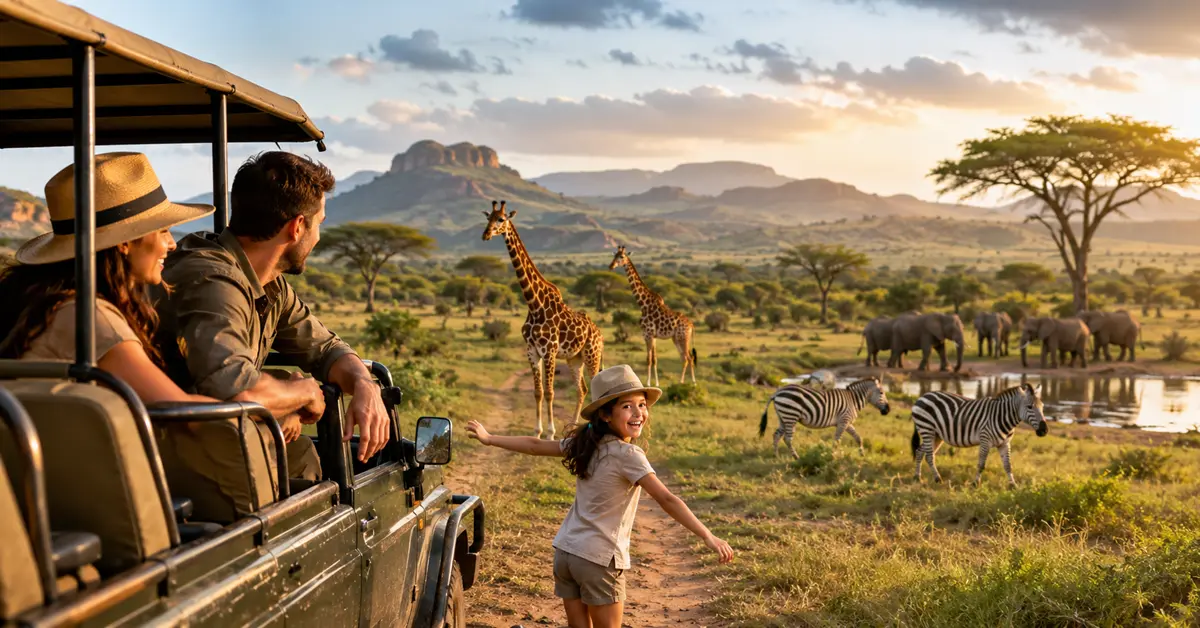
South Africa is one of the best countries in the world for wildlife viewing. National parks and private game reserves offer opportunities to see the famous Big Five:
- Lion
- Leopard
- Elephant
- Rhinoceros
- Buffalo
Unlike many safari destinations, South Africa provides excellent roads, luxury lodges, self-drive safaris, and guided experiences suitable for all budgets.
Visit One of the World’s Most Beautiful Cities
Cape Town consistently ranks among the world’s most beautiful cities.
Visitors can enjoy:
- Table Mountain
- Atlantic beaches
- Cape Winelands
- Cape Peninsula
- Colorful Bo-Kaap
- Excellent seafood
- Waterfront shopping
Drive the Famous Garden Route
Stretching along South Africa’s southern coastline, the Garden Route is one of the world’s great road trips.
Expect:
- Ocean viewpoints
- Forests
- Lagoons
- Mountains
- Adventure sports
- Whale watching (seasonal)
- Charming coastal towns
Rich History and Culture
South Africa’s history is both inspiring and educational.
Highlights include:
- Apartheid Museum
- Robben Island
- Soweto
- Nelson Mandela’s legacy
- Indigenous cultures
- Local art
- Music festivals
Adventure Activities
Adventure enthusiasts can enjoy:
- Shark cage diving
- Skydiving
- Bungee jumping
- Hiking
- Surfing
- Paragliding
- Mountain biking
- Safari walks
- Whale watching
- Canoeing
Excellent Value for Money
Compared with many Western countries, South Africa offers excellent value in:
- Luxury accommodation
- Guided safaris
- Fine dining
- Wine tasting
- Car rentals
Best Time to Visit South Africa
South Africa can be visited throughout the year, but the ideal season depends on your travel priorities.
May to September (Best for Safari)
This is considered the dry winter season.
Average temperatures:
- Day: 18–26°C
- Night: 5–12°C
Advantages:
- Animals gather near water sources.
- Vegetation is thinner, making wildlife easier to spot.
- Comfortable weather for sightseeing.
- Lower humidity.
- Excellent photography conditions.
Ideal for:
- Kruger National Park
- Pilanesberg
- Madikwe
- Private game reserves
October to April (Best Overall)
Spring and summer bring warmer temperatures.
Average temperatures:
- Day: 22–32°C
Ideal for:
- Cape Town
- Garden Route
- Beaches
- Wine regions
- Outdoor festivals
- Whale watching (seasonal)
The landscapes become greener and flowers bloom across many regions.
Weather Guide
| Season | Temperature | Best Activities |
|---|---|---|
| Summer (Nov–Feb) | 20–32°C | Beaches, Cape Town, Garden Route |
| Autumn (Mar–Apr) | 16–27°C | Sightseeing, Wine Tours |
| Winter (May–Aug) | 5–25°C | Safari, Hiking |
| Spring (Sep–Oct) | 15–28°C | Flowers, Wildlife, Road Trips |
Ideal Trip Duration
South Africa is a large country, so a well-planned itinerary is essential.
| Duration | Recommended Destinations |
|---|---|
| 5 Days | Cape Town |
| 7 Days | Cape Town + Garden Route |
| 9–10 Days | Cape Town + Garden Route + Johannesburg |
| 10–12 Days | Cape Town + Garden Route + Johannesburg + Kruger National Park |
| 14 Days | Complete South Africa Experience including Durban or Winelands |
For first-time visitors, 10 to 12 days is ideal for balancing city exploration, scenic drives, and wildlife safaris.
Visa Information for Indian Travelers
Indian passport holders require a visa to enter South Africa for tourism.
Tourist Visa
Typical requirements include:
- Passport with at least six months’ validity from the date of travel.
- Completed visa application.
- Recent passport-sized photographs.
- Confirmed return flight tickets.
- Hotel reservations.
- Proof of sufficient financial resources.
- Travel insurance (recommended and may be requested depending on circumstances).
- Supporting documents as required by the South African authorities.
Processing Time
Generally:
5–15 working days
It is advisable to apply several weeks before your planned departure, especially during holiday seasons.
Flights from India
There are currently no regular direct passenger flights between India and South Africa, so most itineraries involve one stop.
Common transit hubs include:
- Dubai
- Doha
- Addis Ababa
- Nairobi
- Abu Dhabi
- Johannesburg (for onward domestic connections)
Major Indian departure cities:
- Delhi
- Mumbai
- Bengaluru
- Hyderabad
- Chennai
- Kochi
Approximate Flight Duration
12–18 hours, depending on the airline and layover.
Approximate Return Airfare
| Season | Approximate Fare |
|---|---|
| Low Season | ₹45,000–₹60,000 |
| Regular Season | ₹55,000–₹75,000 |
| Peak Season | ₹75,000–₹1,10,000+ |
Booking three to five months in advance generally results in better fares.
Major International Airports
Cape Town International Airport (CPT)
Best for:
- Cape Town
- Table Mountain
- Cape Peninsula
- Winelands
- Garden Route
Distance from city center:
Approximately 20 km
O.R. Tambo International Airport (JNB)
Located in Johannesburg.
Ideal for:
- Johannesburg
- Pretoria
- Kruger National Park
- Domestic connections
Distance from central Johannesburg:
Approximately 22 km
King Shaka International Airport (DUR)
Best for:
- Durban
- KwaZulu-Natal
- Coastal holidays
Distance from Durban city:
Approximately 35 km
Currency
Official Currency:
South African Rand (ZAR)
Approximate Conversion:
- 10 ZAR ≈ ₹48
- 100 ZAR ≈ ₹475
- 500 ZAR ≈ ₹2,375
- 1,000 ZAR ≈ ₹4,750
(Exchange rates fluctuate and should be checked before travel.)
Payment Methods
Widely accepted:
- Credit Cards
- Debit Cards
- Contactless Payments
- Mobile Wallets
Carry some cash for:
- Small cafés
- Local markets
- Parking fees
- Tips
- Rural areas
Local SIM Cards & Internet
Mobile connectivity is generally reliable across cities and major tourist regions.
Popular Mobile Operators
- Vodacom
- MTN
- Cell C
- Telkom
Tourist SIM Packages
Typical prepaid tourist plans include:
- 10–50 GB data
- Local calls
- Validity of 2–4 weeks
Approximate Cost:
ZAR 200–500 (₹950–₹2,375)
SIM cards are readily available at airports, shopping malls, and authorized mobile stores.
Internet Availability
- Hotels: Free Wi-Fi is common, though speeds vary.
- Cafés: Many offer complimentary Wi-Fi.
- Airports: Wi-Fi is available in major terminals.
- National Parks: Coverage is available near camps but may be limited in remote safari areas.
Is South Africa Safe for Tourists?
South Africa is a rewarding destination, but travelers should remain aware of their surroundings, particularly in large cities.
Practical Safety Tips
- Use licensed taxis or reputable ride-hailing services.
- Avoid displaying expensive jewelry or electronics in crowded areas.
- Do not leave valuables visible inside parked vehicles.
- Stay in well-reviewed accommodations.
- Avoid walking alone late at night in unfamiliar neighborhoods.
- Follow park regulations during safaris and never leave your vehicle in designated self-drive wildlife areas unless permitted.
- Carry copies of your passport and important travel documents.
- Purchase comprehensive travel insurance before departure.
The country’s main tourist destinations—including Cape Town’s waterfront, the Garden Route, major national parks, and established safari lodges—are well-equipped for visitors and are frequently enjoyed by travelers from around the world.
Estimated Travel Budget
The following estimates exclude international airfare.
Solo Traveler
| Expense | Approximate Cost |
|---|---|
| Daily Budget | ZAR 2,000–3,000 (₹9,500–₹14,250) |
| 10-Day Trip | ZAR 20,000–30,000 (₹95,000–₹1,42,500) |
Suitable for backpackers, hostels, budget hotels, and self-guided travel.
Couple
| Expense | Approximate Cost |
|---|---|
| Daily Budget | ZAR 4,000–5,500 (₹19,000–₹26,125) |
| 10-Day Trip | ZAR 40,000–55,000 (₹1,90,000–₹2,61,250) |
Ideal for comfortable hotels, domestic flights, rental cars, and guided excursions.
Family (2 Adults + 2 Children)
| Expense | Approximate Cost |
|---|---|
| Daily Budget | ZAR 6,000–8,000 (₹28,500–₹38,000) |
| 10-Day Trip | ZAR 60,000–80,000 (₹2,85,000–₹3,80,000) |
Includes family-friendly accommodation, private transportation, and visits to major attractions.
Group of Friends (Per Person)
| Expense | Approximate Cost |
|---|---|
| Daily Budget | ZAR 3,000–4,500 (₹14,250–₹21,375) |
| 10-Day Trip | ZAR 30,000–45,000 (₹1,42,500–₹2,13,750) |
Sharing rental cars and accommodations makes group travel more economical.
Budget Planning Tips
- Reserve safari lodges and national park accommodation several months in advance.
- Book domestic flights early for the best prices.
- Consider renting a car for destinations such as the Garden Route.
- Carry both cards and some cash for flexibility.
- Allocate extra funds for optional activities like wine tasting, whale watching, helicopter rides, or premium safari experiences.
10-Day South Africa Itinerary Overview
| Day | Destination |
|---|---|
| Day 1 | Arrival in Cape Town & V&A Waterfront |
| Day 2 | Table Mountain, Bo-Kaap & Camps Bay |
| Day 3 | Cape Peninsula, Cape Point & Boulders Penguin Colony |
| Day 4 | Garden Route – Mossel Bay & Knysna |
| Day 5 | Tsitsikamma National Park |
| Day 6 | Oudtshoorn & Cango Caves |
| Day 7 | Johannesburg |
| Day 8 | Soweto & Apartheid Museum |
| Day 9 | Kruger National Park Safari |
| Day 10 | Safari & Departure |
Day 1 – Arrival in Cape Town & Explore the V&A Waterfront
Cape Town is the ideal introduction to South Africa. Nestled between the iconic Table Mountain and the Atlantic Ocean, it offers spectacular scenery, excellent restaurants, and a relaxed atmosphere.
Total Distance Covered
Approximately 25–35 km
Travel Time
Around 1–1.5 hours
Mode of Transportation
- Airport Shuttle
- Taxi
- Ride-hailing service
- Rental Car
Approximate Transportation Cost
ZAR 250–450 (₹1,190–₹2,140)
Approximate Daily Budget
ZAR 2,800–4,000 (₹13,300–₹19,000) excluding hotel
Suggested Hotel Area
- V&A Waterfront
- Sea Point
- Green Point
- City Bowl
Suggested Restaurants
- Harbour House
- Den Anker
- Karibu Restaurant
- The Granary Café
Morning
Arrive at Cape Town International Airport.
Complete immigration, collect your luggage, purchase a local SIM if required, and check into your hotel.
Take some time to relax after your international flight.
Afternoon
Head to the famous Victoria & Alfred Waterfront, one of South Africa’s most popular tourist destinations.
Enjoy lunch overlooking the marina while admiring luxury yachts and Table Mountain in the background.
Attraction 1 – Victoria & Alfred (V&A) Waterfront
| Information | Details |
|---|---|
| Location | Cape Town |
| Google Rating | Approximately 4.7/5 |
| Approximate Reviews | 95,000+ |
| Entry Fee | Free |
| Timings | Open throughout the day; individual shops and attractions have separate hours |
| Recommended Visit Duration | 3–5 Hours |
| Best Time to Visit | Late afternoon into evening |
| How to Reach | Taxi, ride-hailing service, or city sightseeing bus |
| Approximate Transport Cost | ZAR 100–200 (₹475–₹950) from central Cape Town |
| Practical Travel Tip | Arrive before sunset to enjoy both daytime views and the lively evening atmosphere. |
Why is the V&A Waterfront Famous?
The V&A Waterfront is much more than a shopping district. Built around a working harbor, it combines waterfront promenades, restaurants, museums, entertainment venues, boutique stores, and spectacular mountain views.
Visitors can enjoy:
- Street performances
- Waterfront dining
- Aquarium visits
- Sunset cruises
- Shopping
- Local craft markets
- Scenic photography
The atmosphere remains lively throughout the day, making it suitable for families, couples, and solo travelers alike.
Is It Worth Visiting?
Absolutely. It is one of Cape Town’s safest and most enjoyable areas, offering a perfect introduction to South African hospitality.
Evening
Enjoy dinner at the Waterfront before returning to your hotel.
Recommended dishes:
- Grilled seafood
- Kingklip fish
- Cape Malay curry
- Bobotie
- Vegetarian pasta and salads
Day 2 – Table Mountain, Bo-Kaap & Camps Bay
Today’s itinerary combines Cape Town’s natural beauty with its multicultural heritage and stunning coastline.
Total Distance Covered
Approximately 35 km
Travel Time
Around 1.5 hours
Transportation
Taxi, ride-hailing service, rental car
Transportation Cost
ZAR 250–400 (₹1,190–₹1,900)
Approximate Daily Budget
ZAR 3,000–4,500 (₹14,250–₹21,375)
Suggested Hotel Area
Continue staying near the Waterfront or City Bowl.
Morning
Start early with Cape Town’s most iconic attraction.
Attraction 2 – Table Mountain
| Information | Details |
|---|---|
| Location | Cape Town |
| Google Rating | Approximately 4.8/5 |
| Approximate Reviews | 38,000+ |
| Entry Fee | Cableway ticket around ZAR 450 (₹2,140) for adults (online rates may vary by season) |
| Timings | Generally 8:00 AM–7:00 PM, subject to weather and season |
| Recommended Visit Duration | 3–4 Hours |
| Best Time to Visit | Early morning |
| How to Reach | Taxi, ride-hailing service, or city sightseeing bus |
| Approximate Transport Cost | ZAR 120–200 (₹570–₹950) |
| Practical Travel Tip | Check weather conditions before leaving, as strong winds may temporarily suspend cableway operations. |
Why is Table Mountain Famous?
Table Mountain is one of the New Seven Wonders of Nature and has become the defining symbol of Cape Town. Rising over 1,000 meters above sea level, its flat summit provides breathtaking panoramic views of the city, Atlantic coastline, Robben Island, and surrounding mountain ranges.
The mountain is also home to unique plant species found only in the Cape Floral Kingdom, a UNESCO-recognized biodiversity hotspot.
Visitors can either hike to the summit or take the rotating cable car, which offers spectacular views during the ascent.
Is It Worth Visiting?
Without question. It is one of the most iconic landmarks in Africa and a highlight of any South Africa itinerary.
Afternoon
Explore one of Cape Town’s most colorful neighborhoods.
Attraction 3 – Bo-Kaap
| Information | Details |
|---|---|
| Location | Central Cape Town |
| Google Rating | Approximately 4.6/5 |
| Approximate Reviews | 16,000+ |
| Entry Fee | Free |
| Timings | Open throughout the day |
| Recommended Visit Duration | 1.5–2 Hours |
| Best Time to Visit | Morning or afternoon |
| How to Reach | Taxi or a short drive from the city center |
| Approximate Transport Cost | ZAR 80–150 (₹380–₹710) |
| Practical Travel Tip | Respect residents’ privacy, as this is a living neighborhood rather than an open-air museum. |
Why is Bo-Kaap Famous?
Bo-Kaap is renowned for its brightly painted houses, cobbled streets, and rich Cape Malay heritage. Originally settled by formerly enslaved people and artisans, the neighborhood reflects centuries of cultural diversity through its architecture, cuisine, and traditions.
Many visitors join walking tours to learn about the area’s history while sampling authentic Cape Malay dishes and visiting local museums.
Is It Worth Visiting?
Yes. It offers an important cultural perspective and some of the most photographed streets in South Africa.
Evening
Drive to Camps Bay for sunset.
Attraction 4 – Camps Bay Beach
| Information | Details |
|---|---|
| Location | Atlantic Coast, Cape Town |
| Google Rating | Approximately 4.7/5 |
| Approximate Reviews | 32,000+ |
| Entry Fee | Free |
| Timings | Open throughout the day |
| Recommended Visit Duration | 2–3 Hours |
| Best Time to Visit | Late afternoon and sunset |
| How to Reach | Taxi or rental car |
| Approximate Transport Cost | ZAR 100–180 (₹475–₹855) |
| Practical Travel Tip | Even in summer, the Atlantic Ocean remains cold, so many visitors prefer walking along the beach rather than swimming. |
Why is Camps Bay Famous?
Framed by the dramatic Twelve Apostles mountain range, Camps Bay is one of South Africa’s most picturesque beaches. White sand, palm-lined promenades, stylish cafés, and unforgettable sunsets make it a favorite destination for both locals and international visitors.
Is It Worth Visiting?
Definitely. The combination of mountain scenery and ocean views makes it one of Cape Town’s most scenic evening destinations.
Day 3 – Cape Peninsula, Cape Point & Penguins
Today’s journey follows one of the world’s most scenic coastal drives.
Total Distance Covered
Approximately 160 km
Travel Time
Around 5–6 hours (excluding sightseeing)
Transportation
Rental car or guided tour
Approximate Transportation Cost
Rental Car Fuel & Toll:
ZAR 450–700 (₹2,140–₹3,325)
Guided Tour:
ZAR 1,200–2,000 (₹5,700–₹9,500)
Approximate Daily Budget
ZAR 3,500–5,000 (₹16,625–₹23,750)
Suggested Hotel Area
Continue in Cape Town.
Morning
Drive along the spectacular Chapman’s Peak Drive toward Cape Point.
Attraction 5 – Cape Point Nature Reserve
| Information | Details |
|---|---|
| Location | Table Mountain National Park |
| Google Rating | Approximately 4.8/5 |
| Approximate Reviews | 31,000+ |
| Entry Fee | Around ZAR 455 (₹2,160) for international adults |
| Timings | Generally 6:00 AM–6:00 PM (seasonal variations apply) |
| Recommended Visit Duration | 3 Hours |
| Best Time to Visit | Morning |
| How to Reach | Rental car or guided tour |
| Approximate Transport Cost | Included in road trip expenses |
| Practical Travel Tip | Carry a light jacket, as the wind near the cliffs can be strong throughout the year. |
Why is Cape Point Famous?
Cape Point lies within Table Mountain National Park and is celebrated for its dramatic cliffs, sweeping ocean views, and rich biodiversity. While many believe it marks the meeting point of the Atlantic and Indian Oceans, the officially recognized meeting point is Cape Agulhas further southeast. Nevertheless, Cape Point remains one of South Africa’s most iconic coastal landmarks.
Visitors can walk to the historic lighthouse, spot wildlife such as baboons, ostriches, and antelope, and enjoy breathtaking viewpoints overlooking the rugged coastline.
Is It Worth Visiting?
Absolutely. The scenic drive combined with the dramatic landscapes makes Cape Point one of the highlights of any South Africa trip.
Afternoon
Continue to the nearby Cape of Good Hope, famous for its rugged coastline and historical significance in maritime exploration, before visiting Boulders Beach to meet one of South Africa’s most beloved wildlife residents.
Attraction 6 – Boulders Penguin Colony
| Information | Details |
|---|---|
| Location | Simon’s Town, Cape Peninsula |
| Google Rating | Approximately 4.7/5 |
| Approximate Reviews | 29,000+ |
| Entry Fee | Around ZAR 215 (₹1,020) for international adults |
| Timings | Generally 8:00 AM–5:00 PM (seasonal variations possible) |
| Recommended Visit Duration | 1.5–2 Hours |
| Best Time to Visit | Late morning or early afternoon |
| How to Reach | Rental car, taxi, or guided tour |
| Approximate Transport Cost | Usually included in the Cape Peninsula trip |
| Practical Travel Tip | Stay on the designated boardwalks and avoid approaching or feeding the penguins. |
Why is Boulders Penguin Colony Famous?
Boulders Beach is home to one of the world’s few mainland colonies of endangered African penguins. Wooden boardwalks allow visitors to observe these charismatic birds up close without disturbing their natural habitat.
The combination of granite boulders, white sandy beaches, turquoise water, and playful penguins creates one of South Africa’s most memorable wildlife experiences.
Is It Worth Visiting?
Yes. It offers a rare opportunity to see African penguins in their natural environment and is especially popular with families, photographers, and wildlife enthusiasts.
Evening
Return to Cape Town via the scenic coastal route, stopping at viewpoints along False Bay if time permits. Enjoy a relaxed dinner before preparing for the Garden Route adventure beginning the next day.
Day 4 – Cape Town to Mossel Bay & Knysna (Garden Route)
The Garden Route is not a single destination but a collection of beautiful coastal towns connected by excellent highways and spectacular scenery.
Total Distance Covered
Approximately 500 km
Travel Time
Around 6–7 hours (excluding sightseeing stops)
Mode of Transportation
- Rental Car (Recommended)
- Guided Tour
- Private Transfer
Approximate Transportation Cost
- Fuel: ZAR 700–900 (₹3,325–₹4,275)
- Tolls: Minimal on this route
Approximate Daily Budget
ZAR 3,500–5,500 (₹16,625–₹26,125) excluding hotel
Suggested Hotel Area
- Knysna Waterfront
- Knysna Lagoon
- Mossel Bay (if staying overnight en route)
Suggested Restaurants
- Dry Dock Food Co.
- 34 South
- East Head Café
- Cruise Café
Morning
Depart Cape Town early to maximize your time on the Garden Route.
Depending on your pace, stop at viewpoints, cafés, and small towns before reaching Mossel Bay.
Attraction 7 – Mossel Bay
| Information | Details |
|---|---|
| Location | Western Cape |
| Google Rating | Approximately 4.7/5 |
| Approximate Reviews | 18,000+ |
| Entry Fee | Free (public beaches and viewpoints) |
| Timings | Open throughout the day |
| Recommended Visit Duration | 2–3 Hours |
| Best Time to Visit | Morning or early afternoon |
| How to Reach | Rental car via the N2 Highway |
| Approximate Transport Cost | Included in fuel expenses |
| Practical Travel Tip | Take a short break here rather than spending the entire day, as Knysna deserves more exploration time. |
Why is Mossel Bay Famous?
Mossel Bay is one of the oldest European settlement areas in South Africa and marks the place where Portuguese explorer Bartolomeu Dias landed in 1488. Today, it is known for its scenic coastline, sandy beaches, whale watching during the season, and adventure activities such as zip-lining and shark cage diving.
Is It Worth Visiting?
Yes. It makes an excellent stop on the Garden Route, offering beautiful coastal scenery and a chance to stretch your legs before continuing the drive.
Afternoon
Continue your journey to Knysna, one of the Garden Route’s most picturesque towns.
Attraction 8 – Knysna Waterfront & Lagoon
| Information | Details |
|---|---|
| Location | Knysna |
| Google Rating | Approximately 4.7/5 |
| Approximate Reviews | 14,000+ |
| Entry Fee | Free |
| Timings | Open all day |
| Recommended Visit Duration | 3–4 Hours |
| Best Time to Visit | Late afternoon |
| How to Reach | Rental car |
| Approximate Transport Cost | Included in road trip expenses |
| Practical Travel Tip | Book a sunset lagoon cruise if you plan to stay overnight in Knysna. |
Why is Knysna Famous?
Knysna is celebrated for its tranquil lagoon, dramatic sandstone cliffs known as the Knysna Heads, waterfront restaurants, forests, and relaxed atmosphere. It is one of the most popular overnight stops along the Garden Route.
The waterfront features cafés, local craft shops, seafood restaurants, and opportunities for boat cruises on the lagoon.
Is It Worth Visiting?
Absolutely. Many travelers consider Knysna one of the highlights of the Garden Route because it combines natural beauty with excellent dining and accommodation.
Evening
Enjoy a leisurely dinner by the lagoon.
Popular dishes include:
- Fresh oysters
- Grilled seafood
- Wood-fired pizza
- Vegetarian pasta
- Cape wines
Spend the night in Knysna.
Day 5 – Tsitsikamma National Park & Storms River
Today’s itinerary focuses on one of South Africa’s finest national parks, where forests meet the Indian Ocean.
Total Distance Covered
Approximately 170 km
Travel Time
Around 2.5–3 hours
Transportation
Rental Car
Approximate Transportation Cost
Fuel:
ZAR 250–400 (₹1,190–₹1,900)
Approximate Daily Budget
ZAR 3,000–5,000 (₹14,250–₹23,750)
Suggested Hotel Area
- Storms River Village
- Tsitsikamma
- Continue in Knysna
Morning
Drive towards Tsitsikamma National Park after breakfast.
Attraction 9 – Tsitsikamma National Park
| Information | Details |
|---|---|
| Location | Eastern Cape |
| Google Rating | Approximately 4.8/5 |
| Approximate Reviews | 22,000+ |
| Entry Fee | Around ZAR 280 (₹1,330) for international adults |
| Timings | Generally 7:00 AM–6:00 PM |
| Recommended Visit Duration | 4–5 Hours |
| Best Time to Visit | Morning |
| How to Reach | Rental car |
| Approximate Transport Cost | Included in road trip expenses |
| Practical Travel Tip | Wear sturdy walking shoes, as many trails include uneven terrain and wooden boardwalks. |
Why is Tsitsikamma National Park Famous?
Tsitsikamma National Park forms part of the Garden Route National Park and protects a spectacular stretch of coastline, indigenous forest, rivers, and marine ecosystems. It is famous for dramatic cliffs, suspension bridges, hiking trails, waterfalls, and rich biodiversity.
The park is particularly popular among hikers, photographers, birdwatchers, and adventure seekers.
Is It Worth Visiting?
Yes. It is one of South Africa’s finest natural attractions and provides a refreshing contrast to city sightseeing.
Attraction 10 – Storms River Suspension Bridge
| Information | Details |
|---|---|
| Location | Tsitsikamma National Park |
| Google Rating | Approximately 4.8/5 |
| Approximate Reviews | Included within park reviews |
| Entry Fee | Included with park admission |
| Timings | During park operating hours |
| Recommended Visit Duration | 1 Hour |
| Best Time to Visit | Morning or late afternoon |
| How to Reach | Short walk from the visitor center |
| Approximate Transport Cost | Included |
| Practical Travel Tip | The suspension bridge can sway slightly, which is normal and part of the experience. |
Why is Storms River Famous?
The suspension bridge crosses the mouth of the Storms River where it meets the Indian Ocean. Surrounded by steep cliffs and crashing waves, it offers one of the most dramatic coastal viewpoints in South Africa.
Visitors often continue along nearby hiking trails to enjoy panoramic views of the rugged coastline.
Is It Worth Visiting?
Definitely. The short walk rewards visitors with unforgettable scenery and excellent photography opportunities.
Afternoon
Explore nearby walking trails, picnic areas, or enjoy optional activities such as kayaking or canopy tours.
Evening
Return to Knysna or stay in Storms River Village.
Day 6 – Oudtshoorn & Cango Caves
Today you’ll leave the coast and travel inland to South Africa’s semi-arid Little Karoo region.
Total Distance Covered
Approximately 240 km
Travel Time
Around 4 hours
Transportation
Rental Car
Approximate Transportation Cost
Fuel:
ZAR 350–500 (₹1,660–₹2,375)
Approximate Daily Budget
ZAR 3,500–5,500 (₹16,625–₹26,125)
Suggested Hotel Area
- Oudtshoorn Town Centre
Suggested Restaurants
- Jemima’s Restaurant
- Bello Cibo
- Nostalgie Restaurant
- Buffelsdrift Restaurant
Morning
Drive through scenic mountain passes toward Oudtshoorn, widely known as the “Ostrich Capital of the World.”
Attraction 11 – Cango Caves
| Information | Details |
|---|---|
| Location | Oudtshoorn |
| Google Rating | Approximately 4.7/5 |
| Approximate Reviews | 16,000+ |
| Entry Fee | Standard Heritage Tour: Around ZAR 250–350 (₹1,190–₹1,660) depending on the tour option |
| Timings | Generally 9:00 AM–4:00 PM |
| Recommended Visit Duration | 1.5–2 Hours |
| Best Time to Visit | Morning |
| How to Reach | Rental car or guided tour |
| Approximate Transport Cost | Included in road trip expenses |
| Practical Travel Tip | The adventure route involves narrow passages and is suitable only for physically fit visitors. |
Why are the Cango Caves Famous?
Discovered centuries ago, the Cango Caves are among Africa’s largest and most spectacular cave systems. Visitors explore magnificent limestone chambers filled with towering stalactites, stalagmites, and unique rock formations created over millions of years.
Guided tours explain the caves’ geological history while highlighting impressive chambers such as the Great Hall and Cleopatra’s Needle.
Is It Worth Visiting?
Absolutely. It is one of South Africa’s premier geological attractions and appeals to visitors of all ages.
Attraction 12 – Ostrich Farm Experience
| Information | Details |
|---|---|
| Location | Oudtshoorn |
| Google Rating | Approximately 4.6/5 |
| Approximate Reviews | 9,000+ |
| Entry Fee | Around ZAR 150–250 (₹710–₹1,190) depending on the farm and tour package |
| Timings | Typically 8:00 AM–5:00 PM |
| Recommended Visit Duration | 1–2 Hours |
| Best Time to Visit | Afternoon |
| How to Reach | Rental car |
| Approximate Transport Cost | Included |
| Practical Travel Tip | Choose farms that focus on educational tours and responsible animal welfare practices. |
Why Visit an Ostrich Farm?
Oudtshoorn is internationally recognized for ostrich farming. Visitors can learn about the history of the ostrich feather industry, observe these fascinating birds up close, and discover how ostriches are raised.
Many farms also feature museums, restaurants, and gift shops selling locally produced leather goods.
Is It Worth Visiting?
Yes. It offers a unique experience that is closely tied to the history and economy of the Little Karoo region.
Evening
Relax in Oudtshoorn after a full day of sightseeing. Enjoy traditional South African cuisine or international dishes before preparing for your flight or drive to Johannesburg the following day.
Day 7 – Travel to Johannesburg & Explore the City
Johannesburg, often called Jo’burg or Joburg, is South Africa’s largest city and an important cultural, historical, and economic hub. While many travelers use it only as a transit point, spending a day here provides valuable insight into the country’s remarkable journey.
Total Distance Covered
Approximately 40–50 km
Travel Time
- Domestic Flight: Around 2 hours from George or Cape Town
- Local sightseeing: 1–2 hours
Mode of Transportation
- Domestic Flight
- Ride-hailing service
- Taxi
- Rental Car
Approximate Transportation Cost
- Domestic Flight: ZAR 1,500–3,000 (₹7,125–₹14,250) depending on booking time
- Local Transport: ZAR 300–500 (₹1,425–₹2,375)
Approximate Daily Budget
ZAR 3,500–5,500 (₹16,625–₹26,125) excluding hotel
Suggested Hotel Area
- Sandton
- Rosebank
- Melrose Arch
Suggested Restaurants
- Marble Restaurant
- The Grillhouse
- Pappas on the Square
- Trumps Grillhouse
Morning
Take an early flight to Johannesburg and check into your hotel.
After a short rest, begin exploring the city’s historical landmarks.
Attraction 13 – Apartheid Museum
| Information | Details |
|---|---|
| Location | Johannesburg |
| Google Rating | Approximately 4.7/5 |
| Approximate Reviews | 16,000+ |
| Entry Fee | Around ZAR 180 (₹855) |
| Timings | Generally 9:00 AM – 5:00 PM |
| Recommended Visit Duration | 2.5–3 Hours |
| Best Time to Visit | Morning |
| How to Reach | Taxi, ride-hailing service, or rental car |
| Approximate Transport Cost | ZAR 100–200 (₹475–₹950) |
| Practical Travel Tip | Allocate enough time to read the exhibits—they provide important historical context rather than being a quick sightseeing stop. |
Why is the Apartheid Museum Famous?
The Apartheid Museum is one of South Africa’s most significant cultural institutions. Through photographs, films, personal accounts, artifacts, and interactive exhibits, it documents the country’s apartheid era, the struggle for equality, and the transition to democracy.
The museum provides a balanced and moving account of South Africa’s modern history and the leadership of figures such as Nelson Mandela and Desmond Tutu.
Is It Worth Visiting?
Absolutely. It offers one of the most meaningful and educational experiences in South Africa and helps visitors better understand the country’s social and political journey.
Afternoon
Continue to Soweto, one of South Africa’s most famous townships.
Attraction 14 – Soweto
| Information | Details |
|---|---|
| Location | Johannesburg |
| Google Rating | Approximately 4.6/5 |
| Approximate Reviews | 10,000+ |
| Entry Fee | Free to enter the township; guided tours and museums have separate charges |
| Timings | Open throughout the day |
| Recommended Visit Duration | 3–4 Hours |
| Best Time to Visit | Afternoon |
| How to Reach | Guided tour or taxi |
| Approximate Transport Cost | Guided tours typically cost ZAR 700–1,200 (₹3,325–₹5,700) |
| Practical Travel Tip | Join an experienced local guide to gain deeper insights into the area’s history and community life. |
Why is Soweto Famous?
Soweto played a pivotal role in South Africa’s struggle against apartheid. It is home to Vilakazi Street, the only street in the world where two Nobel Peace Prize winners—Nelson Mandela and Archbishop Desmond Tutu—once lived.
Today, Soweto is a vibrant community filled with street art, museums, local restaurants, music, and cultural experiences that showcase the resilience and creativity of its residents.
Is It Worth Visiting?
Yes. A guided visit provides a meaningful perspective on South Africa’s history while supporting local businesses and communities.
Evening
Return to your hotel in Johannesburg and prepare for an early departure to Kruger National Park the next morning.
Day 8 – Journey to Kruger National Park
Kruger National Park is one of Africa’s largest and most celebrated wildlife reserves. Covering nearly 20,000 square kilometers, it is home to an extraordinary variety of mammals, birds, reptiles, and plant species.
Total Distance Covered
Approximately 420–500 km
Travel Time
Around 5–6 hours by road or a 1-hour domestic flight to nearby airports followed by a transfer.
Mode of Transportation
- Rental Car
- Domestic Flight
- Safari Transfer
Approximate Transportation Cost
- Self-drive fuel: ZAR 900–1,200 (₹4,275–₹5,700)
- Domestic Flight: ZAR 2,000–4,000 (₹9,500–₹19,000)
Approximate Daily Budget
ZAR 5,500–8,500 (₹26,125–₹40,375) excluding luxury safari lodges
Suggested Hotel Area
- Skukuza
- Lower Sabie
- Hazyview
- Private Game Reserves adjoining Kruger
Morning
Travel to Kruger National Park and check into your lodge or rest camp.
After lunch, prepare for your first safari.
Attraction 15 – Kruger National Park
| Information | Details |
|---|---|
| Location | Mpumalanga & Limpopo Provinces |
| Google Rating | Approximately 4.8/5 |
| Approximate Reviews | 35,000+ |
| Entry Fee | Around ZAR 535 (₹2,540) per international adult per day |
| Timings | Gate opening and closing times vary by season |
| Recommended Visit Duration | 2–3 Days (minimum) |
| Best Time to Visit | May to September for wildlife viewing |
| How to Reach | Rental car, domestic flight, or safari transfer |
| Approximate Transport Cost | Depends on the chosen mode of travel |
| Practical Travel Tip | Carry binoculars, a camera with a zoom lens, sunscreen, and enough drinking water for long game drives. |
Why is Kruger National Park Famous?
Kruger National Park is one of the world’s premier safari destinations. It protects an astonishing diversity of wildlife, including more than 140 mammal species and over 500 bird species.
The park is particularly famous for offering excellent opportunities to see the Big Five:
- Lion
- Leopard
- Elephant
- Rhinoceros
- African Buffalo
Visitors may also encounter:
- Giraffes
- Zebras
- Cheetahs
- Hippos
- Crocodiles
- Hyenas
- Wildebeest
- Numerous antelope species
Whether you choose a guided safari or a self-drive experience, every game drive is different, making each visit unique.
Is It Worth Visiting?
Without question. For many travelers, Kruger National Park is the defining highlight of a South Africa trip.
Evening
Join an optional sunset or night safari if available through your lodge or park camp.
Night drives often reveal nocturnal animals such as bush babies, civets, owls, and occasionally leopards that are less active during the day.
Day 9 – Full-Day Big Five Safari
Today is dedicated entirely to wildlife viewing.
Total Distance Covered
Approximately 120–180 km within the park
Travel Time
Full-day safari (8–10 hours)
Transportation
- Open Safari Vehicle
- Self-drive Vehicle
Approximate Transportation Cost
Guided Safari:
ZAR 900–2,000 (₹4,275–₹9,500)
Approximate Daily Budget
ZAR 4,500–7,000 (₹21,375–₹33,250)
Morning
Leave before sunrise, when wildlife activity is at its peak.
Animals commonly seen during early morning drives include:
- Lions
- Elephants
- Giraffes
- Zebras
- Hyenas
Safari Photography Tips
- Keep your camera ready at all times.
- Use a telephoto lens if available.
- Avoid sudden movements that may disturb wildlife.
- Listen carefully to your guide, as they often spot animals before visitors do.
- Morning light provides the best conditions for wildlife photography.
Afternoon
After lunch at one of the park’s rest camps, continue exploring different habitats.
Watch for:
- Hippos in rivers
- Crocodiles
- Fish Eagles
- Vultures
- Warthogs
- Impalas
- White Rhinos
Evening
Enjoy your final African sunset from the safari lodge.
Many lodges organize traditional dinners around a campfire, offering local cuisine and storytelling beneath a sky filled with stars.
Day 10 – Morning Safari & Departure
If your schedule allows, join one last early morning game drive before checking out.
Morning safaris often provide one final opportunity to spot elusive wildlife before returning to Johannesburg or flying onward.
Total Distance Covered
Varies depending on your departure airport.
Suggested Departure Airports
- Skukuza Airport (for select domestic connections)
- Kruger Mpumalanga International Airport
- O.R. Tambo International Airport (Johannesburg)
End Your Journey
Return your rental car if applicable, complete airport formalities, and begin your journey home with unforgettable memories of South Africa’s landscapes, wildlife, history, and hospitality.
Safari Travel Tips
- Wear neutral-colored clothing such as khaki, olive, beige, or brown.
- Avoid bright colors that may attract unnecessary attention from wildlife.
- Carry binoculars for better wildlife viewing.
- Keep noise to a minimum during game drives.
- Never feed or approach wild animals.
- Follow all instructions from your safari guide.
- Pack a light jacket, as early morning and evening safaris can be surprisingly cool, even during warmer months.
Recommended Hotels
Accommodation in South Africa caters to every budget, from backpacker hostels and boutique guesthouses to luxury safari lodges and internationally renowned hotels. Prices vary depending on the season, location, and availability.
Budget Hotels
| Hotel Area | Approximate Price/Night |
|---|---|
| Cape Town City Bowl | ZAR 800–1,500 (₹3,800–₹7,125) |
| Sea Point | ZAR 900–1,600 (₹4,275–₹7,600) |
| Johannesburg (Rosebank) | ZAR 900–1,700 (₹4,275–₹8,075) |
| Knysna | ZAR 900–1,800 (₹4,275–₹8,550) |
| Hazyview (Near Kruger) | ZAR 1,000–1,900 (₹4,750–₹9,025) |
Best For
- Backpackers
- Solo travelers
- Students
- Budget-conscious couples
Mid-Range Hotels
| Hotel Area | Approximate Price/Night |
|---|---|
| V&A Waterfront | ZAR 2,000–4,000 (₹9,500–₹19,000) |
| Cape Town CBD | ZAR 2,000–4,500 (₹9,500–₹21,375) |
| Sandton | ZAR 2,200–5,000 (₹10,450–₹23,750) |
| Knysna Waterfront | ZAR 2,000–4,000 (₹9,500–₹19,000) |
| Safari Lodges | ZAR 2,800–5,500 (₹13,300–₹26,125) |
Ideal For
- Couples
- Families
- First-time visitors
Luxury Hotels
| Hotel Area | Approximate Price/Night |
|---|---|
| Luxury Safari Lodges | ZAR 8,000–25,000+ (₹38,000–₹1,18,750+) |
| Cape Town Waterfront Hotels | ZAR 6,000–20,000+ (₹28,500–₹95,000+) |
| Private Game Reserves | ZAR 10,000–35,000+ (₹47,500–₹1,66,250+) |
| Wine Estate Resorts | ZAR 5,500–15,000+ (₹26,125–₹71,250+) |
Best For
- Honeymooners
- Luxury travelers
- Wildlife enthusiasts
- Special celebrations
Must-Try South African Food
South African cuisine reflects influences from indigenous communities, Dutch, British, Indian, and Malay cultures.
| Dish | Description |
|---|---|
| Bobotie | Spiced minced meat baked with an egg custard topping |
| Braai | South African barbecue featuring grilled meats and vegetables |
| Bunny Chow | Hollowed bread filled with flavorful curry, originating in Durban |
| Boerewors | Traditional South African sausage served with bread or pap |
| Biltong | Air-dried cured meat, popular as a snack |
| Potjiekos | Slow-cooked stew prepared in a cast-iron pot |
| Cape Malay Curry | Mildly spiced curry with fragrant flavors |
| Malva Pudding | Warm sponge dessert served with custard or cream |
| Koeksisters | Sweet braided pastries soaked in syrup |
| Pap | Maize porridge often served with meat or vegetable dishes |
Vegetarian Food Options
Vegetarian travelers will find a growing range of options, especially in cities like Cape Town and Johannesburg.
Popular vegetarian choices include:
- Vegetable Bunny Chow
- Lentil Bobotie
- Cape Malay vegetable curry
- Pumpkin fritters
- Grilled corn
- Fresh salads
- Mushroom burgers
- Falafel wraps
- Wood-fired pizzas
- Pasta dishes
Most urban restaurants clearly mark vegetarian and vegan items on their menus.
Shopping Guide
South Africa offers a mix of handcrafted souvenirs, luxury goods, local art, and specialty products.
What to Buy
- South African wines
- Rooibos tea
- Handmade beadwork
- Zulu crafts
- Ostrich leather products
- Wooden carvings
- Diamonds and gemstones (purchase only from certified retailers)
- Local artwork
- Ceramics
- Handmade baskets
- Organic skincare products
- African print clothing
Best Shopping Areas
Cape Town
- V&A Waterfront
- Greenmarket Square
- Canal Walk Shopping Centre
Johannesburg
- Sandton City
- Rosebank Art & Craft Market
- Nelson Mandela Square
Garden Route
- Knysna Waterfront
- Local artisan markets
- Oudtshoorn craft shops
Bargaining Tips
- Bargaining is common at flea markets and craft stalls.
- Fixed prices are generally followed in shopping malls and branded stores.
- Be polite and respectful during negotiations.
- Compare prices before making expensive purchases.
- Support local artisans by buying directly from them where possible.
Hidden Gems
Beyond the famous attractions, South Africa has many lesser-known destinations worth exploring.
1. Hermanus
One of the world’s best land-based whale-watching destinations during the migration season.
2. Drakensberg Mountains
Perfect for hiking, waterfalls, rock art, and panoramic mountain landscapes.
3. Blyde River Canyon
One of the largest green canyons in the world, featuring dramatic viewpoints and scenic drives.
4. Addo Elephant National Park
An excellent alternative safari destination, particularly known for its large elephant population.
5. Franschhoek
A picturesque town famous for vineyards, gourmet restaurants, and the popular wine tram experience.
6. Wild Coast
A less-visited region offering dramatic cliffs, untouched beaches, and traditional rural communities.
Common Tourist Mistakes
Avoid these common errors to make your trip smoother:
- Underestimating driving distances between destinations.
- Attempting to cover too many places in a short itinerary.
- Skipping travel insurance.
- Leaving valuables visible inside parked vehicles.
- Walking alone late at night in unfamiliar city areas.
- Wearing bright colors during safari drives.
- Forgetting binoculars for wildlife viewing.
- Arriving late at Table Mountain and missing favorable weather conditions.
- Not booking safari lodges well in advance during peak season.
- Ignoring weather forecasts before scenic drives and mountain excursions.
Money-Saving Tips
- Book flights and accommodation several months ahead.
- Visit during shoulder seasons for lower hotel prices.
- Rent a car when traveling the Garden Route to reduce transportation costs.
- Purchase a local SIM card instead of relying on international roaming.
- Stay multiple nights in one destination to minimize check-in and transport expenses.
- Look for combination tickets where available.
- Share rental cars and fuel costs when traveling with friends.
- Enjoy local cafés and markets for affordable meals.
Packing Checklist
Documents
- Passport
- Tourist Visa
- Flight Tickets
- Hotel Reservations
- Travel Insurance
- Driving Permit (if renting a car)
- Copies of important documents
Clothing
- Lightweight shirts
- Comfortable trousers
- Walking shoes
- Safari-friendly neutral clothing
- Light jacket
- Rain jacket (depending on season)
- Hat or cap
- Sunglasses
Travel Essentials
- Sunscreen
- Power Bank
- Universal Travel Adapter
- Camera
- Extra Memory Cards
- Binoculars
- Water Bottle
- Hand Sanitizer
- Wet Wipes
- Personal Medicines
- Insect Repellent (especially for safari regions)
Photography Tips
South Africa offers outstanding opportunities for landscape, wildlife, and city photography.
Best Sunrise Locations
- Kruger National Park
- Table Mountain summit
- Blyde River Canyon
- Camps Bay
Best Sunset Locations
- Cape Point
- Camps Bay Beach
- Knysna Heads
- V&A Waterfront
- Garden Route coastal viewpoints
Wildlife Photography Tips
- Use a telephoto lens whenever possible.
- Avoid using flash around wildlife.
- Keep movements slow and quiet.
- Respect the minimum viewing distance advised by your guide.
- Be patient—some of the best wildlife moments happen after waiting quietly.
Local Etiquette
South Africans are generally warm, friendly, and welcoming. Respecting local customs helps create positive interactions.
- Greet people politely before starting a conversation.
- Wait your turn in queues.
- Tip restaurant staff and guides where customary.
- Ask permission before photographing individuals.
- Respect wildlife by following all park regulations.
- Avoid discussing sensitive political issues unless invited into the conversation.
- Dress modestly when visiting religious or cultural sites.
Essential Safety Advice
While South Africa is a fantastic destination, sensible precautions contribute to a safer trip.
- Use reputable ride-hailing services or licensed taxis.
- Stay alert in crowded tourist areas.
- Keep emergency contacts saved on your phone.
- Avoid displaying expensive jewelry or large amounts of cash.
- Store passports and valuables in your hotel safe whenever possible.
- Refuel your rental vehicle before driving through remote regions.
- Avoid feeding or approaching wild animals.
- Follow all instructions from safari guides and park authorities.
- Stay updated on weather conditions before hiking or coastal excursions.
Important Travel Tips
- Book safari permits, accommodations, and guided game drives well in advance during peak wildlife season.
- Download offline maps before long road trips.
- Keep some South African Rand in cash for small purchases and tips.
- If driving, remember that South Africa follows left-hand traffic, similar to India.
- Plan fuel stops when traveling long distances on the Garden Route or toward Kruger National Park.
- Allow extra travel time during holidays and weekends, especially around Cape Town.
- Carry reusable shopping bags, as many stores charge for plastic bags.
- Try local food at reputable restaurants to experience South Africa’s diverse culinary traditions.
South Africa Trip Cost Summary
The following estimates are for a 10-day South Africa trip and exclude international airfare unless otherwise stated. Actual costs may vary based on the season, accommodation type, safari choices, and travel style.
| Travel Style | Approximate Cost Per Person |
|---|---|
| Budget Solo Traveler | ZAR 22,000–32,000 (₹1,04,500–₹1,52,000) |
| Mid-Range Solo Traveler | ZAR 35,000–50,000 (₹1,66,250–₹2,37,500) |
| Couple (Mid-Range) | ZAR 70,000–1,00,000 (₹3,32,500–₹4,75,000) |
| Family (2 Adults + 2 Children) | ZAR 1,10,000–1,60,000 (₹5,22,500–₹7,60,000) |
| Group Traveler (Per Person) | ZAR 30,000–45,000 (₹1,42,500–₹2,13,750) |
Estimated International Airfare (India–South Africa Return)
| Season | Approximate Fare |
|---|---|
| Low Season | ₹45,000–₹60,000 |
| Regular Season | ₹55,000–₹75,000 |
| Peak Season | ₹75,000–₹1,10,000+ |
Suggested 10-Day South Africa Trip Summary
| Day | Highlights |
|---|---|
| Day 1 | Arrival in Cape Town, V&A Waterfront |
| Day 2 | Table Mountain, Bo-Kaap, Camps Bay |
| Day 3 | Cape Peninsula, Cape Point, Cape of Good Hope, Boulders Penguin Colony |
| Day 4 | Garden Route, Mossel Bay, Knysna |
| Day 5 | Tsitsikamma National Park, Storms River |
| Day 6 | Oudtshoorn, Cango Caves, Ostrich Farm |
| Day 7 | Johannesburg, Apartheid Museum, Soweto |
| Day 8 | Transfer to Kruger National Park, Evening Safari |
| Day 9 | Full-Day Big Five Safari |
| Day 10 | Morning Game Drive, Departure |
Featured Snippet FAQs
1. Is South Africa worth visiting for Indian tourists?
Yes. South Africa is an excellent destination for Indian travelers, offering a unique combination of wildlife safaris, scenic road trips, beautiful coastlines, vibrant cities, rich history, adventure activities, and world-class hospitality. It is especially appealing to nature lovers, photographers, families, and honeymooners.
2. How many days are enough for a South Africa trip?
A 10 to 12-day itinerary is ideal for first-time visitors. This allows enough time to explore Cape Town, the Garden Route, Johannesburg, and Kruger National Park without feeling rushed. Travelers interested in wine regions, Durban, or the Drakensberg Mountains may wish to extend their stay to two weeks.
3. What is the best month to visit South Africa?
The best time depends on your interests:
- May to September is excellent for wildlife safaris because vegetation is thinner and animals gather near water sources.
- October to April is ideal for Cape Town, beaches, road trips, vineyards, and outdoor activities due to warmer weather.
4. Is South Africa expensive to visit?
South Africa offers excellent value compared with many long-haul destinations. Budget travelers can enjoy affordable guesthouses and self-drive trips, while luxury travelers have access to premium safari lodges, fine dining, and world-class accommodation at prices that are often lower than those in Europe or North America.
5. Do Indian citizens need a visa for South Africa?
Yes. Indian passport holders generally require a tourist visa before traveling to South Africa. Applicants should ensure their passport has sufficient validity and submit all required supporting documents well before their planned departure.
6. Is it safe to self-drive in South Africa?
Yes, many tourists choose self-drive holidays, particularly along the Garden Route and in national parks. Roads are generally well maintained. Travelers should drive during daylight where possible, obey speed limits, secure valuables out of sight, and follow local traffic regulations. Remember that South Africa follows left-hand traffic, similar to India.
7. Which safari park is best in South Africa?
Kruger National Park is widely regarded as the country’s premier safari destination due to its vast size, impressive biodiversity, and excellent chances of spotting the Big Five. However, parks such as Addo Elephant National Park, Pilanesberg National Park, Madikwe Game Reserve, and Hluhluwe-iMfolozi Park are also excellent alternatives.
8. What should I pack for a South Africa trip?
Pack lightweight clothing for daytime, a light jacket for cool mornings and evenings, comfortable walking shoes, sunscreen, sunglasses, binoculars, a camera, insect repellent (for safari regions), travel documents, and a universal power adapter. Neutral-colored clothing is recommended for safari game drives.
Essential Travel Tips Before You Go
- Book safari lodges and national park accommodation several months in advance, especially during peak wildlife season.
- Reserve the Table Mountain cableway visit for your first clear-weather day in Cape Town, as operations depend on wind conditions.
- Allow flexibility in your itinerary for weather-related changes, particularly along the coast.
- Carry both bank cards and some South African Rand for smaller purchases.
- If renting a car, inspect the vehicle thoroughly before leaving the rental office and keep emergency contact numbers handy.
- Stay hydrated during safaris and carry snacks for long game drives.
- Respect wildlife by maintaining safe distances and following all instructions from park rangers and guides.
- Consider spending at least two nights near Kruger National Park to maximize wildlife viewing opportunities.
Conclusion
A South Africa trip is one of the most rewarding travel experiences in the world. Few countries combine such an extraordinary range of attractions within a single itinerary—from the dramatic landscapes of Cape Town and the scenic Garden Route to the historical significance of Johannesburg and the unforgettable wildlife encounters of Kruger National Park.
This 10-day itinerary offers an excellent introduction to South Africa by balancing nature, history, culture, adventure, and relaxation. Whether you’re admiring panoramic views from Table Mountain, watching African penguins at Boulders Beach, driving through the breathtaking Garden Route, learning about the country’s remarkable history, or witnessing lions and elephants in their natural habitat, every day offers a new and memorable experience.
If you have additional time, consider extending your journey to destinations such as the Cape Winelands, Hermanus, Addo Elephant National Park, Blyde River Canyon, the Drakensberg Mountains, or Durban to experience even more of South Africa’s diversity.
With thoughtful planning, advance bookings, and a flexible itinerary, your South Africa trip can be an unforgettable adventure that combines spectacular scenery, warm hospitality, incredible wildlife, and lifelong memories.
Disclaimer
The information provided in this guide is intended for general travel planning purposes. Visa requirements, airline schedules, attraction opening hours, ticket prices, park entry fees, transportation fares, exchange rates, accommodation tariffs, and safari regulations may change over time. Travelers are advised to verify the latest information with the relevant authorities, airlines, accommodation providers, and attraction management before finalizing their travel plans.