Kausani Trip: Complete 3-Day Travel Guide, Itinerary, Budget, Weather and Best Places to Visit
If you are looking for a hill station where the main attraction is not crowded shopping streets or an endless list of commercial activities, a Kausani trip can be surprisingly rewarding. Perched at around 1,890 metres in Uttarakhand’s Bageshwar district, Kausani is best known for its uninterrupted Himalayan panorama, pine forests, quiet valleys, tea gardens and slow-paced mountain atmosphere.
On a clear day, the views extend towards prominent Himalayan peaks including Trishul, Nanda Devi and Panchachuli. Mahatma Gandhi’s 1929 visit gave the town additional historical importance, while the birthplace of poet Sumitranandan Pant adds a distinctly literary character.
Kausani is not a destination you need to rush through. Two nights are enough for the major sights, but three nights work better if you want time for sunrise, a forest walk, tea gardens, waterfalls and an evening under the stars. Uttarakhand Tourism itself describes Kausani as a serene hill station famous for panoramic Himalayan views and recommends the September-to-May period, with March-to-May particularly pleasant and snowfall possible during the colder months.
Destination at a Glance
| Particular | Details |
|---|---|
| Country / State | India / Uttarakhand |
| Destination | Kausani, Bageshwar district |
| Altitude | Approximately 1,890 metres |
| Ideal Trip Duration | 2–3 nights |
| Best Time to Visit | March–May and September–November for pleasant weather and views; October–February for winter atmosphere and possible snowfall |
| Currency | Indian Rupee (₹ / INR) |
| Language | Hindi, Kumaoni; English understood in tourist establishments |
| Time Difference | None for Indian travellers |
| Visa Requirement | Not applicable for Indian citizens |
| Suitable For | Couples, families, solo travellers, senior travellers and small groups |
| Estimated Daily Budget | ₹1,500–₹3,000 budget; ₹3,500–₹6,500 comfortable; ₹7,000+ premium |
Why Should You Visit Kausani?
Kausani’s greatest strength is its simplicity. Unlike more commercial Himalayan destinations, the town does not require a packed sightseeing schedule.
1. The Himalayan panorama
The reason most people come here is the mountain view. Sunrise is particularly impressive because the snow-covered peaks gradually change colour as the light reaches them.
2. A quieter hill-station experience
Kausani is suitable if you prefer sitting on a balcony with tea over spending the day in traffic. It works particularly well for couples, families with children and travellers who want a slower holiday.
3. Gandhi’s connection with Kausani
Mahatma Gandhi stayed here in 1929 and was deeply impressed by the landscape. Anasakti Ashram preserves this connection and remains one of the town’s most important historical sites.
4. Nature without demanding trekking
You can experience tea gardens, pine forests, waterfalls and Himalayan viewpoints without undertaking a multi-day expedition.
5. Excellent combination of nature and culture
Kausani is unusual in combining Himalayan scenery with Gandhi’s legacy, Kumaoni handicrafts, tea cultivation and the literary heritage of Sumitranandan Pant.
Best Time for a Kausani Trip
Kausani can be visited through much of the year, but the experience changes considerably by season.
March to May: Best for Comfortable Sightseeing
Spring and early summer bring pleasant daytime conditions. The forests become greener, flowers appear and sightseeing is comfortable.
Expect roughly 15°C–25°C during the day, with considerably cooler mornings and nights.
This is one of the best periods for families and first-time visitors.
June: Pleasant but Busier
June remains comfortable compared with the plains and can be a good escape from northern India’s summer heat.
However, this is also a popular holiday period, so hotels and transport can become more expensive.
July to August: Monsoon
Rain transforms the hills into lush green landscapes, but frequent showers can interfere with road journeys and Himalayan visibility.
If your primary reason for visiting is clear mountain photography, this is not the most reliable period.
September to November: One of the Best Windows
After the monsoon, the atmosphere becomes cleaner and mountain visibility can improve dramatically.
September may still have occasional rain, while October and November are generally much better for clear Himalayan views.
December to February: Winter and Possible Snow
Winter brings cold mornings and nights, and Kausani can experience snowfall during the colder period. Uttarakhand Tourism specifically notes snowfall from October to February.
If you want snow, winter is attractive, but you should be prepared for freezing temperatures, occasional road disruption and shorter daylight hours.
My practical recommendation: For the best combination of weather, views and comfortable sightseeing, choose October–November or March–May.
Kausani Weather
| Season | Typical Experience |
| Spring | Pleasant days, cool mornings, greenery and good sightseeing |
| Summer | Comfortable compared with the plains; excellent for family trips |
| Monsoon | Wet, misty and very green; road and visibility issues possible |
| Autumn | Clearer skies and excellent Himalayan visibility |
| Winter | Very cold mornings and nights; possible snowfall |
Mountain weather changes quickly. Even during summer, carry a light jacket.
How Many Days Are Enough for Kausani?
For the major attractions, 2 nights and 3 days are sufficient.
A 3-night trip is better if you want to include a relaxed day, spend time at the tea estate, visit Rudradhari Falls, explore Baijnath and enjoy stargazing.
If Kausani is part of a larger Kumaon road trip involving Almora, Ranikhet, Binsar or Nainital, you can comfortably use it as a two-night stop.
How to Reach Kausani
By Air
The nearest airport is Pantnagar Airport, approximately 178 km from Kausani. Uttarakhand Tourism recommends hiring a taxi from Pantnagar to Kausani.
A practical route is:
Pantnagar Airport → Haldwani → Almora → Kausani
Road travel from Pantnagar generally takes around 4.5–5.5 hours, depending on traffic, weather and road conditions.
Flight schedules from Delhi and other Indian cities can change seasonally, so check the operating schedule before booking your connecting road transport.
By Train
The nearest major railway station is Kathgodam, approximately 141 km away. From Kathgodam, Kausani is reached by road via Almora.
A private taxi generally costs around ₹3,500–₹5,500 one way, depending on vehicle type and season.
Shared taxis can reduce the cost considerably, although they are less convenient for families with luggage.
By Road
For travellers from Delhi, road travel is straightforward but long. Uttarakhand Tourism lists the Delhi–Kausani distance at approximately 431 km.
Allow approximately 10–12 hours, depending on your starting point and traffic.
A private cab from Delhi may cost approximately ₹7,000–₹11,000 one way for a sedan, with larger vehicles costing more.
Flights from Major Indian Cities
| Starting City | Practical Flight Route |
| Delhi | Delhi → Pantnagar → taxi to Kausani |
| Mumbai | Mumbai → Delhi → Pantnagar, or Mumbai → Delhi → road |
| Bengaluru | Bengaluru → Delhi → Pantnagar, or Bengaluru → Delhi → road |
| Kolkata | Kolkata → Delhi → Pantnagar, or Kolkata → Delhi → road |
| Hyderabad | Hyderabad → Delhi → Pantnagar, or Hyderabad → Delhi → road |
For most travellers, flying all the way to Pantnagar is useful only when flight timings and fares are convenient. A Delhi-to-Kathgodam train followed by a road journey can sometimes be more practical.
Currency, Cash, SIM and Internet
The currency is the Indian Rupee (₹).
Digital payments are increasingly common in Kausani, but do not depend entirely on UPI. Carry ₹2,000–₹5,000 in cash, especially if you plan to visit smaller villages, roadside stalls or remote attractions.
Major Indian telecom operators generally work in the town, but network strength can weaken in valleys and remote trekking areas.
Hotel Wi-Fi is available in many properties, although speeds can vary. If you need reliable internet for work, download important files beforehand and keep mobile data as a backup.
Safety Tips for Kausani
Kausani is generally considered a peaceful tourist destination, but mountain travel has its own risks.
- Avoid walking alone on isolated trails after dark.
- Do not approach cliff edges for photographs.
- Check weather conditions before visiting waterfalls.
- Avoid driving quickly on mountain roads.
- Keep some cash for emergencies.
- Do not depend entirely on mobile navigation in remote areas.
- Start long road journeys early.
- Senior citizens should avoid unnecessary steep trails.
- During monsoon, confirm road conditions before travelling.
- Keep emergency medicines and basic first-aid supplies.
Kausani Trip Budget
Solo Traveller
A sensible budget is approximately ₹2,000–₹3,500 per day, excluding long-distance travel.
This can include a budget room, simple meals, local transport and entry fees.
Couple
A comfortable couple can expect around ₹4,500–₹7,000 per day, excluding the cost of reaching Kausani.
Sharing a taxi and hotel room makes Kausani relatively economical for couples.
Family of Four
A family should budget approximately ₹7,000–₹11,000 per day, depending on room type and transport.
A family travelling by private taxi should keep a larger transportation allowance.
Group of 6–8
A group can reduce per-person costs by hiring an Innova or similar vehicle.
A reasonable sightseeing-and-stay budget is approximately ₹2,500–₹4,500 per person per day, excluding the journey to Kausani.
Complete 3-Day Kausani Trip Itinerary
Day 1: Arrival, Himalayan Views and Gandhi’s Kausani
Total local distance: Approximately 10–15 km
Travel time: 1–2 hours of local driving
Transport: Private taxi/local cab
Estimated local transport: ₹800–₹1,500
Daily budget: ₹2,500–₹5,000 per person depending on hotel
Suggested hotel area: Main Kausani ridge, Anasakti Ashram Road or View Point
Suggested restaurants: Bro’s Café, Garden Restaurant, Ashoka Restaurant
Morning
Reach Kausani by late morning or early afternoon.
Check into your hotel and have lunch.
If you arrive early enough, begin with the Sumitranandan Pant Government Museum.
Afternoon
Visit Anasakti Ashram.
Spend time on the Himalayan-facing side rather than simply entering, taking a photograph and leaving. The real attraction is the combination of historical atmosphere and mountain panorama.
Afterwards, take a relaxed walk around the central Kausani area.
Evening
Return to your hotel for sunset.
If the weather is clear, spend some time simply watching the Himalayan skyline.
Do not over-plan the first evening.
Day 2: Tea Estate, Rudradhari Falls and Stargazing
Total distance: Approximately 30–40 km
Travel time: 2.5–4 hours including local movement and walking
Transport: Private taxi/local cab + walking trail
Estimated transportation: ₹1,200–₹2,000
Daily budget: ₹3,000–₹5,500 per person
Suggested hotel area: Kausani-Baijnath Road or main ridge
Suggested restaurants: Bro’s Café, Hill Queen Restaurant, The Pahadi Culture
Morning
Start early with the Kausani Tea Estate.
Morning is particularly good because the light is softer and the Himalayan background is more likely to be visible before clouds build up.
Afternoon
Drive towards Rudradhari Falls and Caves.
The final section involves walking, so wear proper shoes.
Allow enough time rather than treating the waterfall as a quick photo stop.
Return to Kausani in the late afternoon.
Evening
Have an early dinner and visit Starscapes Observatory for a night-sky experience.
The observatory offers guided astronomy experiences, including telescope-based viewing. Current published experiences include a 45-minute night-sky show and other specialised astronomy programmes.
This is one of the most distinctive experiences in Kausani.
Day 3: Baijnath, Shopping and Departure
Total distance: Approximately 35–45 km
Travel time: 2.5–4 hours
Transport: Private taxi
Estimated transportation: ₹1,200–₹2,000
Daily budget: ₹2,000–₹4,000 per person
Suggested hotel area: Main Kausani market for convenient departure
Suggested restaurants: Garden Restaurant, Yogi, Valley Restaurant
Morning
Wake early for one final Himalayan sunrise.
After breakfast, drive towards Baijnath Temple, approximately 16 km from Kausani depending on the route used.
Afternoon
Return towards Kausani and stop at the Kausani Shawl Factory.
Purchase woollen products and local souvenirs.
Have lunch before beginning your onward journey.
Evening
Depart Kausani for your next destination or return towards Kathgodam/Pantnagar/Delhi.
Best Places to Visit in Kausani
1. Anasakti Ashram
| Information | Details |
| Location | Kausani, near the main ridge |
| Google Rating | 4.3/5 |
| Approx. Google Reviews | 1,700+ |
| Entry Fee | Generally free; nominal local charges may occasionally apply |
| Timings | Approximately 7:00 AM–6:00 PM |
| Recommended Duration | 45–90 minutes |
| Best Time | Early morning or late afternoon |
| How to Reach | Walk/short local taxi from central Kausani |
| Transport Cost | ₹100–₹300 by local taxi; walking is possible |
| Practical Tip | Visit early for clearer Himalayan views |
Current Google listings show a 4.3 rating from more than 1,700 reviews and operating hours around 7 AM–6 PM.
Why is Anasakti Ashram famous?
Anasakti Ashram is closely associated with Mahatma Gandhi’s 1929 stay in Kausani. The atmosphere is intentionally simple, and the site offers a small museum and prayer space.
The historical importance is greater than the physical size of the attraction. Gandhi was deeply impressed by Kausani’s landscape, and the place became associated with his thoughts on non-attachment and his work connected with Anasakti Yoga.
The most rewarding experience is to stand quietly facing the mountains and understand why the location affected Gandhi so strongly.
Worth visiting? Absolutely. It is one of the few places in Kausani where scenery and modern Indian history come together.
2. Kausani Tea Estate
| Information | Details |
| Location | Bhana Padiyar, Kausani |
| Google Rating | 4.1/5 |
| Approx. Google Reviews | 2,300+ |
| Entry Fee | Usually free; some organised/guided experiences may charge a nominal fee |
| Timings | Garden access varies; visitor facilities generally operate during daytime |
| Recommended Duration | 1–2 hours |
| Best Time | Morning, especially March–November |
| How to Reach | Taxi from central Kausani |
| Transport Cost | ₹200–₹500 round trip depending on vehicle |
| Practical Tip | Ask locally before entering restricted working areas |
The tea estate is spread across a large area and is one of the most recognisable landscapes around Kausani. Current Google listings show approximately 4.1/5 from more than 2,300 reviews.
Why visit?
The attraction is not simply drinking tea. Walking among the tea bushes provides a different perspective of Kausani.
You can learn about local tea cultivation, enjoy the greenery and purchase packaged Kausani tea.
Some visitor sources quote a nominal ₹25 garden ticket, while other information describes free access to portions of the estate. Because access arrangements can vary, verify the day’s charge locally.
Worth visiting? Yes, particularly for families, photographers and first-time visitors.
3. Sumitranandan Pant Government Museum
| Information | Details |
| Location | Main Kausani, near the bus stand |
| Google Rating | 4.3/5 |
| Approx. Google Reviews | 150+ |
| Entry Fee | Approximately ₹10 |
| Timings | Approximately 10:30 AM–4:30 PM |
| Recommended Duration | 45–60 minutes |
| Best Time | Late morning |
| How to Reach | Walk from central Kausani |
| Transport Cost | ₹0 if walking; ₹100–₹200 by local taxi |
| Practical Tip | Check the weekly closure locally before planning around it |
The museum occupies the ancestral home associated with Sumitranandan Pant, one of modern Hindi literature’s prominent poets.
Manuscripts, photographs, letters, personal belongings and literary material help explain the connection between Pant and the Himalayan landscape.
Current visitor information lists an entry fee of about ₹10 and timings of 10:30 AM–4:30 PM.
Worth visiting? Yes if you appreciate literature or history. For travellers interested only in scenery, 30–45 minutes is enough.
4. Baijnath Group of Temples
| Information | Details |
| Location | Baijnath, on the Kausani–Bageshwar route |
| Google Rating | 4.6/5 |
| Approx. Google Reviews | 3,300+ |
| Entry Fee | Generally free |
| Timings | Official tourism information lists approximately 6:00 AM–9:00 PM |
| Recommended Duration | 45–90 minutes |
| Best Time | Morning or late afternoon |
| How to Reach | Taxi from Kausani |
| Transport Cost | Approximately ₹800–₹1,500 for a dedicated local round trip |
| Practical Tip | Combine with the return journey rather than making a separate short trip |
Google listings currently show the Baijnath Group of Temples at about 4.6/5 from more than 3,300 reviews.
The temple complex is historically associated with the Katyuri period and is known for its stone architecture and religious importance.
Local traditions connect Baijnath with Shiva and Parvati, while the surrounding setting adds to the experience. The official tourism information lists timings from approximately 6 AM to 9 PM.
Worth visiting? Definitely. It is particularly worthwhile for travellers interested in Himalayan history, temple architecture and culture.
5. Rudradhari Falls and Caves
| Information | Details |
| Location | Around 12 km from Kausani |
| Google Rating | 4.5/5 |
| Approx. Google Reviews | 600+ |
| Entry Fee | Usually no major formal entry charge; local arrangements can vary |
| Timings | Daylight hours; access is weather dependent |
| Recommended Duration | 2–3 hours including walking |
| Best Time | After the monsoon through spring; avoid unsafe rainy conditions |
| How to Reach | Taxi to trailhead followed by walking |
| Transport Cost | ₹600–₹1,200 round trip depending on taxi |
| Practical Tip | Wear shoes with good grip and avoid the trail during heavy rain |
Rudradhari is one of Kausani’s best natural excursions. Google currently shows around 4.5/5 from more than 600 reviews.
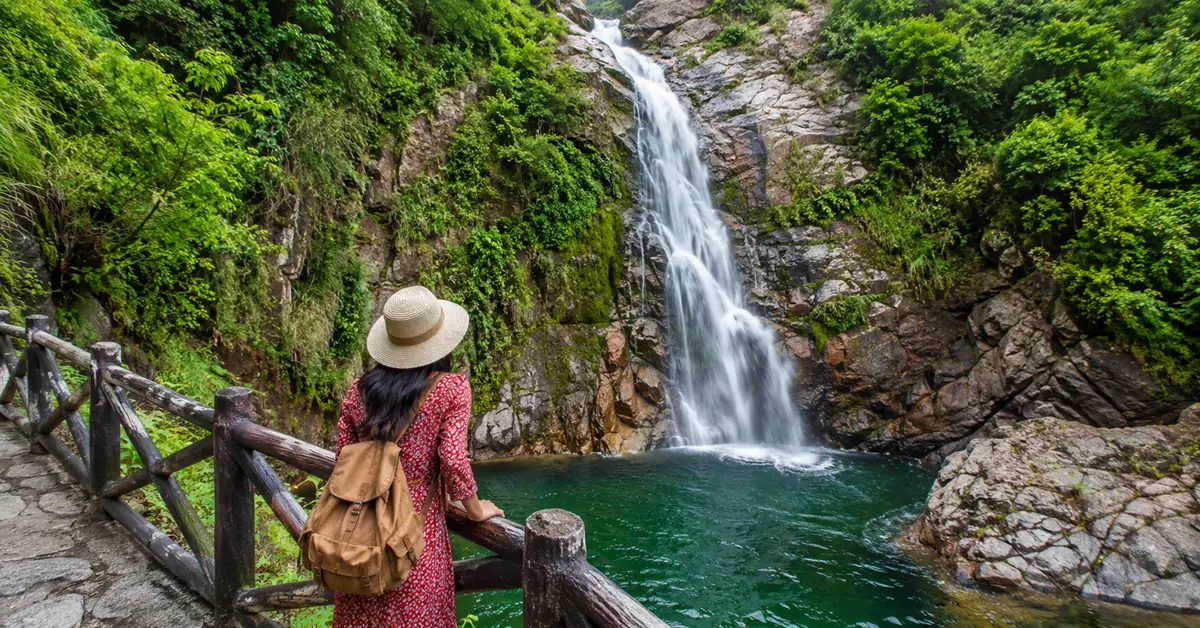
The attraction combines a forest trail, waterfall, caves and the Rudradhari Mahadev temple. The walk is part of the experience; arriving by vehicle does not take you directly to the waterfall.
The area is especially attractive when the forest is green and water flow is good.
Worth visiting? Yes, but not for travellers who have difficulty walking on uneven trails.
6. Starscapes Observatory
| Information | Details |
| Location | Near Anasakti Ashram, Kausani |
| Google Rating | 4.4/5 |
| Approx. Google Reviews | 1,000+ |
| Entry Fee | Depends on experience; published programmes vary |
| Timings | Experience-specific; evening sessions are common |
| Recommended Duration | 1–2 hours |
| Best Time | Clear nights, especially around new moon |
| How to Reach | Short taxi ride or walk from central Kausani |
| Transport Cost | ₹100–₹300 |
| Practical Tip | Book/check the day’s programme and weather before visiting |
Google currently lists the observatory at about 4.4/5 from more than 1,000 reviews.
Starscapes makes Kausani particularly interesting after sunset. The high-altitude location and relatively low light pollution provide a good environment for astronomy.
Published experiences include telescope observations, Himalayan observation, immersive astronomy programmes and night-sky shows. Prices vary by experience; current listings include a 45-minute night-sky show starting around ₹1,000, while individual programmes may have different prices.
Worth visiting? Absolutely, especially for children, couples and anyone interested in astronomy.
7. Kausani Shawl Factory
| Information | Details |
| Location | Pingalkot, around 3 km from Kausani on Baijnath Road |
| Google Rating | Around 4.0/5 |
| Approx. Reviews | 700+ |
| Entry Fee | Free |
| Timings | Commonly around 8:00 AM–6:00 PM; showroom timings may extend later |
| Recommended Duration | 30–60 minutes |
| Best Time | Late morning or afternoon |
| How to Reach | Taxi/auto/local vehicle |
| Transport Cost | ₹200–₹400 |
| Practical Tip | Compare wool quality and negotiate where appropriate |
The factory was established in 2002 to promote local Kumaoni craftsmanship and employment. Visitors can see traditional weaving and shop for woollen products.
Current information places the factory in Pingalkot and lists free entry. The showroom’s published timings are around 8:30 AM–7 PM, while other listings show the factory itself operating from around 8 AM.
Products can include shawls, sweaters, stoles, caps, mufflers and other woollen goods.
Worth visiting? Yes, particularly if you want an authentic local souvenir rather than mass-produced tourist merchandise.
Recommended Hotels in Kausani
Hotel rates vary substantially by season, weekends and room view.
Budget Hotels
- KMVN Tourist Rest House: approximately ₹800–₹1,800
- Homestays and basic guesthouses: approximately ₹800–₹2,000
- Hotel Prashant/other simple properties: approximately ₹1,000–₹2,000
Current accommodation listings show Kausani budget rooms starting below ₹1,500 at some properties, although rates fluctuate.
Mid-range Hotels
- Sun N Snow Inn: approximately ₹1,500–₹3,000
- The Heritage Resort: approximately ₹2,500–₹4,500
- Suman Royal Resort: approximately ₹3,000–₹5,500
- Himvadi Resort: approximately ₹3,000–₹5,000
Suman Royal Resort currently has strong guest feedback and is particularly attractive for travellers prioritising Himalayan views.
Premium Hotels and Resorts
- The Buransh: approximately ₹7,000–₹12,000
- Pratiksha Himalayan Retreat: approximately ₹6,000–₹10,000
- Spellmount Infinity Pool Resort: approximately ₹8,000–₹14,000
- Premium Himalayan-view resorts: approximately ₹6,000–₹14,000
Recent accommodation comparisons place Kausani’s premium inventory broadly in this range, although actual rates can change considerably by date.
The most important hotel-booking tip
Do not book a room solely because the hotel advertises a “mountain view.”
Ask specifically whether the allocated room has a direct view towards the Himalayan peaks. The orientation and floor can make a major difference.
Must-Try Food in Kausani
Kausani’s food scene is modest but satisfying.
Aloo ke Gutke
One of Kumaon’s most familiar dishes, made with potatoes, spices and local seasoning. It is simple, filling and ideal with roti.
Bhatt Ki Churkani
A traditional Kumaoni preparation using black soybeans. It is one of the dishes worth seeking out if you want regional food rather than standard North Indian restaurant fare.
Ras
A nutritious Kumaoni preparation made from pulses and traditionally eaten with rice.
Mandua Roti
Finger-millet flatbread with a distinct earthy flavour. It is an excellent accompaniment to local vegetables and dal.
Chainsoo
A roasted-pulse preparation with a rich, smoky flavour.
Kumaoni Raita
A yoghurt-based accompaniment that works well with spicy local meals.
Vegetarian Food
Vegetarian travellers should have no difficulty finding food. Dal, rice, roti, vegetables, aloo ke gutke, parathas and raita are widely available.
Restaurants such as Garden Restaurant, Yogi, Valley Restaurant and Bro’s Café appear among current Kausani dining listings.
Shopping in Kausani
The most worthwhile purchases are connected to local craftsmanship and agriculture.
What to Buy
- Kausani woollen shawls
- Stoles
- Woollen caps
- Mufflers
- Handmade sweaters
- Local tea
- Fruit jams
- Pickles
- Small Kumaoni handicrafts
The Kausani Shawl Factory is particularly useful if you want to see the production process before purchasing.
Bargaining Tips
Bargaining is possible in some local markets, but do not treat handmade products like factory-produced souvenirs.
For a genuine handwoven product, ask about:
- Wool composition
- Handmade versus machine-made
- Origin
- Washing instructions
- Whether the product is locally produced
For packaged food and tea, compare package size and price rather than assuming the most expensive packet is automatically better.
Hidden Gems Around Kausani
Someshwar Valley
Located around 10 km from Kausani, Someshwar Valley is a quieter landscape of terraced fields, rivers and pine-covered hills. Uttarakhand Tourism highlights it as a place for hiking, camping and cycling.
It is ideal if you have an extra half-day and want to get away from the standard tourist circuit.
Pinnath
Pinnath village lies near the foot of Gopalkot peak and can be reached by a roughly 5-km trek from Kausani. The route ends near a temple dedicated to Bhairon.
It is better suited to travellers who enjoy walking than those looking for a conventional sightseeing stop.
Common Tourist Mistakes in Kausani
Trying to cover everything in one day
Kausani is better enjoyed slowly.
Visiting the viewpoints only in the afternoon
Morning generally gives you a better chance of seeing clear Himalayan peaks.
Booking a hotel without checking the view
This is perhaps the most common mistake for first-time visitors.
Treating Rudradhari Falls as a roadside attraction
It requires walking. Plan accordingly.
Depending completely on UPI
Carry cash.
Driving after dark unnecessarily
Mountain roads can become difficult to navigate, particularly in fog or rain.
Packing only summer clothing
Even in May or June, evenings can be cool.
Ignoring weather forecasts during monsoon
Rain can change road and trekking conditions quickly.
Money-Saving Tips for a Kausani Trip
- Travel in shoulder season rather than peak weekends.
- Share a taxi when travelling with another couple or small group.
- Stay for two or three nights rather than changing hotels.
- Choose a homestay if you value food and local interaction over hotel facilities.
- Book rooms with breakfast when the price difference is small.
- Visit attractions in logical geographic order to reduce taxi kilometres.
- Carry snacks and water for longer excursions.
- Use local restaurants instead of relying exclusively on resort dining.
- Buy local products directly from recognised cooperatives or established shops.
- Avoid booking an expensive room solely for facilities you will not use.
Packing Checklist for Kausani
- Comfortable walking shoes
- Light jacket or fleece
- Warm layer in winter
- Rain jacket or compact umbrella
- Sunglasses
- Sunscreen
- Reusable water bottle
- Basic medicines
- Small first-aid kit
- Power bank
- Cash
- ID documents
- Camera or phone with sufficient storage
- Small backpack for day trips
For Rudradhari Falls, footwear with good grip is more important than fashionable shoes.
Photography Tips for Kausani
Kausani is particularly rewarding for landscape photography.
Sunrise
Reach your chosen viewpoint before sunrise. The Himalayan peaks can appear only briefly before clouds begin to develop.
Hotel Balcony
If your hotel has a genuine Himalayan-facing room, sunrise from the balcony can be more rewarding than a crowded viewpoint.
Tea Estate
Use the tea rows as foreground elements with the mountains behind them.
Rudradhari Falls
Use a slower shutter speed if you have suitable equipment, but prioritise safety around wet rocks.
Night Sky
At Starscapes, follow the guide’s instructions. For independent astrophotography, use a tripod and manual camera settings.
Local Etiquette
Kausani is a small mountain community, so responsible behaviour matters.
- Dress modestly when visiting temples and ashrams.
- Remove shoes where required.
- Do not photograph people without permission.
- Do not enter agricultural fields without asking.
- Avoid loud music near religious or residential areas.
- Do not litter on trails.
- Respect local religious practices.
- Avoid wasting water.
- Buy local products where possible.
- Do not disturb wildlife or birds.
Important Kausani Travel Tips
Start sightseeing early
Mountain views are often clearest in the morning.
Keep your itinerary flexible
Clouds, rain and road conditions can affect your plans.
Keep one unplanned hour every day
In Kausani, sitting quietly with a cup of tea can genuinely be part of the sightseeing experience.
Book the right side of the hotel
Confirm the view before arrival.
Carry layers
The difference between afternoon and evening temperatures can be significant.
Plan Rudradhari according to weather
Do not force a waterfall visit during heavy rain.
Reserve stargazing around the weather
A cloudy night can significantly reduce the experience.
Frequently Asked Questions About Kausani Trip
1. How many days are enough for a Kausani trip?
Two nights and three days are ideal for first-time visitors. This allows enough time for the major attractions without rushing.
2. What is Kausani famous for?
Kausani is famous primarily for its panoramic Himalayan views, particularly views towards Trishul, Nanda Devi and Panchachuli. It is also known for Anasakti Ashram, tea gardens, Kumaoni handicrafts and the birthplace of poet Sumitranandan Pant.
3. What is the best month to visit Kausani?
October, November, March and April are among the best choices for comfortable weather and Himalayan views. December to February is preferable if your priority is winter scenery and possible snowfall.
4. Is Kausani suitable for families?
Yes. Kausani is a good family destination because many attractions require little or moderate walking. Families should take additional care at Rudradhari Falls and on steep mountain paths.
5. Does Kausani receive snowfall?
Yes, snowfall can occur during winter, particularly from December into the colder part of the season, although the amount and timing vary from year to year.
6. Is Kausani expensive?
Kausani can be quite affordable. Budget travellers can manage with around ₹1,500–₹3,000 per person per day, while comfortable trips generally cost ₹3,500–₹6,500 per person per day, excluding long-distance travel.
7. Which is better for Kausani: summer or winter?
Choose summer for comfortable sightseeing and family travel. Choose winter for cold-weather ambience, clearer Himalayan scenery and the possibility of snowfall.
8. Is Kausani worth visiting?
Yes, particularly if you value scenery, peace and a slower Himalayan holiday. It is less suitable if you are looking for nightlife, extensive shopping or a large number of adventure activities.
Final Verdict: Is a Kausani Trip Worth It?
A Kausani trip works best when you resist the temptation to turn it into a checklist holiday.
The ideal three-day plan begins with arrival and Anasakti Ashram, followed by a day combining the tea estate, Rudradhari Falls and an evening astronomy experience. The final morning is best reserved for sunrise, followed by Baijnath Temple and a stop at the Kausani Shawl Factory before departure.
The destination’s real appeal lies in the combination of experiences: waking up to Himalayan peaks, walking through tea gardens, exploring a forest waterfall, learning about Gandhi’s connection with the hills, discovering Kumaoni food and handicrafts, and looking at the night sky far away from city lights.
For a first visit, three days and two nights provide the right balance. If you have four days, slow down further and add Someshwar Valley or Pinnath rather than simply adding more sightseeing stops.
Kausani may not have the commercial energy of Nainital or Mussoorie, and that is precisely why many travellers enjoy it. It is a destination where the landscape remains the main attraction.
Disclaimer
Travel costs, hotel rates, entry fees, transportation schedules, attraction timings, weather conditions and other local arrangements can change over time. Google ratings and review counts also change continuously. Flight availability, road conditions and any applicable travel regulations should be verified before departure. The prices and ratings mentioned in this guide are approximate and were checked against information available in August 2026; travellers should confirm the latest details locally or with the relevant service provider before travelling.