Chopta and Tungnath Trip: Complete Travel Guide, Trek, Cost, Itinerary and Best Time to Visit
There are mountain destinations where the scenery is the main attraction, and then there are places where the journey itself becomes part of the experience. A Chopta & Tungnath trip belongs firmly in the second category.
The road gradually leaves behind the busier towns of Uttarakhand and enters a landscape of mountain villages, forests, open meadows and distant snow-covered peaks. Then comes the walk to Tungnath, where the road ends and the mountain takes over. Beyond the ancient temple, the trail continues towards Chandrashila, where the landscape opens into one of the most memorable Himalayan panoramas in this part of Uttarakhand.
Chopta sits at approximately 2,608 metres, Tungnath at around 3,680 metres, and Chandrashila at approximately 4,000 metres. Uttarakhand Tourism describes the Chopta–Chandrashila trek as an easy-to-moderate trekking experience.
That description, however, should not make first-time trekkers careless. The trail is accessible, but the altitude, continuous ascent, snow and rapidly changing mountain weather can make the final sections considerably more demanding.
This destination works particularly well for travellers who want to combine mountains, trekking, spirituality, photography and a short Himalayan escape without committing to a long expedition.
Destination at a Glance
| Information | Details |
|---|---|
| Country | India |
| State | Uttarakhand |
| District | Rudraprayag |
| Main destination | Chopta |
| Ideal trip duration | 3–4 days |
| Best time to visit | April–June and September–November for trekking; winter for snow, subject to road and trail conditions |
| Currency | Indian Rupee (₹ / INR) |
| Language | Hindi, Garhwali and English are commonly understood in tourist areas |
| Time difference | None for travellers from India |
| Visa requirement | Not applicable to Indian citizens |
| Suitable travellers | Solo travellers, couples, families with older children, groups and trekkers |
| Estimated daily budget | ₹1,500–₹4,500 per person, depending on accommodation and transport |
Uttarakhand Tourism describes Chopta as an all-year destination, while highlighting November to May as particularly suitable. For a more conventional trekking experience, however, spring, early summer and autumn generally offer a better combination of accessibility and weather.
Why Should You Visit Chopta and Tungnath?
Chopta’s biggest advantage is variety.
You can arrive in the afternoon and simply enjoy the meadows. The following morning, you can begin walking towards Tungnath through a mountain landscape that changes with altitude. If your fitness and weather allow, you can continue to Chandrashila.
The trip can therefore be as relaxed or as adventurous as you want.
The biggest reasons to visit are:
The Tungnath Temple:
One of the Panch Kedar temples and traditionally regarded as the world’s highest Shiva temple.
Chandrashila:
A high summit above Tungnath offering an exceptional Himalayan panorama.
Chopta meadows:
Open mountain landscapes surrounded by forests and peaks.
Rhododendron forests:
Particularly attractive during spring flowering.
Winter snow:
The landscape becomes dramatically different when snow covers Chopta and the Tungnath trail.
Birdwatching:
Uttarakhand Tourism describes Chopta as an important birding destination with more than 240 recorded bird species, including Himalayan monal and Himalayan griffon.
Spiritual atmosphere:
Tungnath is not merely a viewpoint with a temple at the top. The pilgrimage itself is an important part of the experience.
Best Time for a Chopta & Tungnath Trip
There is no single “best” month because Chopta changes dramatically through the year.
April to June
This is one of the best periods for a conventional Chopta and Tungnath trip.
Temperatures are comfortable compared with the plains, forests become greener and the snow begins retreating from lower sections.
April can still have snow around Tungnath and Chandrashila, particularly after winter weather.
May and June are popular, so accommodation around Chopta can become limited.
The 2026 Tungnath temple season opened in early May according to current pilgrimage-season information, so travellers planning a temple-focused trip should always confirm the year’s actual opening and closing dates before travelling.
July to August
Monsoon changes the character of the region.
The mountains become intensely green, but heavy rain can bring:
- Landslides
- Road delays
- Muddy trails
- Poor visibility
- Slippery walking surfaces
For a trekking-focused holiday, this is generally not the easiest season.
September to November
This is one of the strongest periods for experienced travellers.
The monsoon greenery remains, while skies can become clearer and mountain views improve.
October is particularly attractive for photographers.
December to March
This is the snow season.
Chopta can become a beautiful winter destination, but the Tungnath–Chandrashila trail may be covered by snow and ice. The difficulty can increase substantially.
This period is better suited to people who understand winter mountain conditions or are travelling with appropriate local guidance.
Weather You Should Expect
Chopta’s weather is significantly colder than the plains.
During warmer months, daytime conditions can be pleasant when the sun is out, but temperatures fall quickly after sunset.
At Tungnath and Chandrashila, conditions are considerably colder.
Weather can change rapidly. A sunny morning does not guarantee a clear afternoon.
For this reason, your backpack should always contain at least one warm layer and rain protection, even when the forecast looks favourable.
How Many Days Are Enough?
For most travellers, 3 days is the minimum comfortable itinerary.
A four-day trip is better if you are travelling from Delhi, Noida, Ghaziabad or another distant city because the journey to Chopta itself takes substantial time.
Recommended duration
2 days: Possible, but rushed.
3 days: Good for Chopta + Tungnath + Chandrashila.
4 days: Best balance of travel, trekking and relaxation.
5 days: Ideal if you want to add Deoria Tal or explore more of Ukhimath and Sari.
Is Any Visa Required?
No visa is required for Indian citizens travelling to Chopta and Tungnath because the destination is within India.
Foreign visitors travelling to India should follow the visa requirements applicable to their nationality. Those rules can change, so international travellers should verify their current Indian entry requirements before booking the trip.
Currency and Money in Chopta
The currency is the Indian Rupee (INR).
Do not assume that digital payments will work everywhere.
UPI has become increasingly common, but remote mountain areas can experience:
- Weak mobile signals
- Internet interruptions
- Power cuts
- Unreliable payment connectivity
Carry enough cash for your accommodation, food, local transport and emergency expenses.
A practical minimum is around ₹2,000–₹4,000 in cash per person, in addition to your normal travel funds.
Mobile Network and Internet
Network coverage is much better in larger towns such as Rishikesh, Srinagar and Rudraprayag than in remote parts of the Chopta region.
Around Chopta and Baniyakund, connectivity can be inconsistent.
Do not plan your trip on the assumption that you will have uninterrupted high-speed internet.
Download:
- Offline maps
- Hotel confirmations
- Transport information
- Important phone numbers
- Payment screenshots
- Your itinerary
before leaving the larger towns.
How to Reach Chopta
The most common approach is through Rishikesh or Haridwar, followed by a road journey through the Garhwal region.
A typical route is:
Delhi → Haridwar/Rishikesh → Devprayag → Srinagar → Rudraprayag → Kund/Ukhimath → Chopta
Another route can approach Chopta through Gopeshwar depending on the starting point and road conditions.
For first-time visitors, a private taxi or shared tourist vehicle is usually much easier than trying to coordinate multiple local buses.
Nearest Airports
The nearest major commercial airport is Jolly Grant Airport at Dehradun, also known as Dehradun Airport.
From the airport, Chopta is still a long mountain road journey.
Allow a full travel day rather than assuming that landing at Dehradun means you are close to Chopta.
Nearest Railway Stations
The most useful railway stations for travellers are:
- Haridwar
- Rishikesh
From there, continue by road.
Rishikesh is particularly useful because it has extensive bus and taxi connections into the Garhwal Himalayas.
Estimated Travel Budget
Prices vary considerably depending on whether you use public transport, shared vehicles or a private taxi.
Solo Traveller
| Expense | Approximate cost |
|---|---|
| Budget accommodation | ₹800–₹1,500/night |
| Food | ₹400–₹700/day |
| Local/shared transport | ₹500–₹1,000/day |
| Trek/snacks/miscellaneous | ₹200–₹400 |
| Approximate daily cost | ₹1,500–₹3,500 |
Couple
| Expense | Approximate cost |
|---|---|
| Room | ₹1,800–₹4,000/night |
| Food for two | ₹800–₹1,400/day |
| Shared/private transport | ₹1,000–₹2,500/day |
| Miscellaneous | ₹300–₹600 |
| Approximate daily total | ₹3,900–₹8,500 |
Family
For a family of four, expect approximately ₹6,000–₹12,000 per day, excluding the cost of reaching Uttarakhand from your home city.
Group
Groups of four to eight people can often reduce transport costs significantly by sharing a private vehicle.
A practical budget is approximately ₹2,000–₹4,000 per person per day, excluding long-distance travel.
Main Attractions on a Chopta & Tungnath Trip
The destination is not packed with dozens of conventional tourist attractions.
That is actually one of its strengths.
The main experiences are concentrated around a few places.
1. Chopta Meadows
Attraction Information
| Information | Details |
|---|---|
| Location | Chopta, Rudraprayag district, Uttarakhand |
| Google rating | Approximately 4.8/5 for major Chopta Valley listings |
| Approximate reviews | 280+ on one current Google-derived listing |
| Entry fee | Generally no standard attraction entry fee |
| Opening & closing | Open-access mountain destination; daylight visits are recommended |
| Recommended duration | 2–4 hours or overnight |
| Best time | April–June and September–November; snow season for winter scenery |
| How to reach | Road from Ukhimath/Rudraprayag; local taxi or private vehicle |
| Approximate transport cost | ₹500–₹2,500 depending on vehicle and distance |
| Practical tip | Stay overnight rather than visiting only for a few photographs |
Current Google-derived visitor information places Chopta Valley at around 4.8/5 with roughly 280 reviews, although ratings and review counts change continuously.
Why Chopta Is Famous
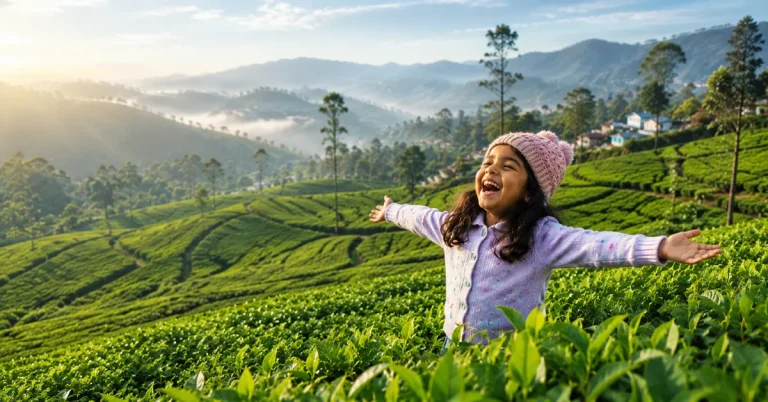
Chopta is the starting point for the Tungnath and Chandrashila trek and is surrounded by forests, meadows and Himalayan views.
Uttarakhand Tourism describes it as a serene hill station at approximately 2,608 metres, known for trekking, camping and birdwatching.
The landscape changes dramatically with the seasons.
In summer, green meadows dominate.
In spring, rhododendron flowers bring colour to the forests.
In winter, snow transforms the region into a completely different destination.
What Should You Experience?
Do not arrive in Chopta and immediately start searching for the next sightseeing point.
Walk around.
Sit in the meadow.
Watch the clouds move across the mountains.
Wake up early at least once.
The early morning light is one of the best parts of staying here.
Is Chopta Worth Visiting?
Absolutely.
Even travellers who are not interested in trekking can enjoy Chopta as a mountain escape.
2. Tungnath Temple
Attraction Information
| Information | Details |
|---|---|
| Location | Above Chopta, Rudraprayag district |
| Altitude | Approximately 3,680 metres |
| Google rating | Around 4.8/5 |
| Approximate reviews | 1,900+ Google reviews in a current listing |
| Entry fee | No standard temple entry fee |
| Opening & closing | Seasonal; temple closes during winter |
| 2026 season | Current 2026 information indicates the temple opened in early May; verify exact annual dates before travel |
| Darshan timing | Commonly morning and afternoon/evening sessions; timings can change |
| Recommended duration | 1–2 hours at temple plus trek |
| Best time | May–June and September–October for trekking |
| How to reach | Trek from Chopta |
| Approximate transport cost | Road transport to Chopta is separate; trek itself has no normal transport ticket |
| Practical tip | Start early and don’t rush the ascent |
A current Google-derived listing gives Tungnath around 4.8/5 from more than 1,900 reviews.
Why Tungnath Is Famous
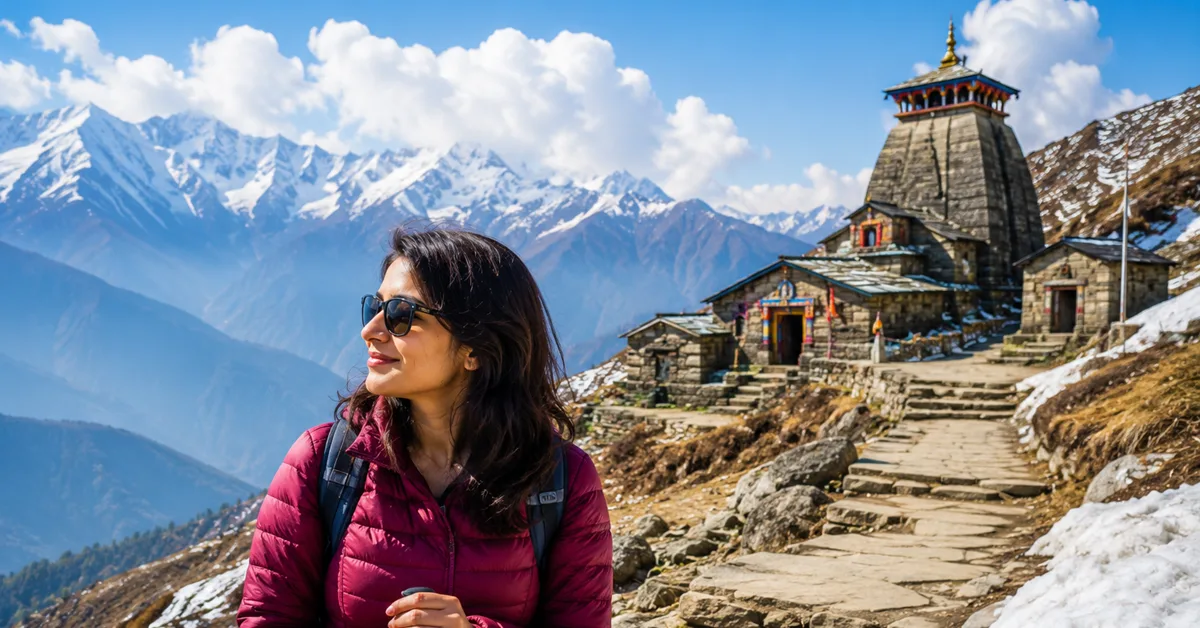
Tungnath is one of the Panch Kedar temples and is traditionally regarded as the highest Shiva temple in the world.
Its importance is not merely geographical.
According to Hindu tradition, the Panch Kedar temples are associated with the Pandavas and Lord Shiva. Tungnath is traditionally identified with Shiva’s arms.
The temple’s stone construction, remote mountain location and centuries-old religious tradition give the pilgrimage a very distinctive atmosphere.
The Trek to Tungnath
The standard trek from Chopta to Tungnath is roughly 3–4 km one way, depending on the exact starting point and route conditions.
Uttarakhand Tourism describes the trail as approximately 3 km from Chopta to Tungnath and another approximately 1.5 km to Chandrashila.
Do not underestimate the distance.
The trail continuously climbs.
A person who regularly exercises may find the distance manageable, while someone unused to uphill walking may need several hours.
What Does the Trail Look Like?
The route begins through mountain scenery and gradually opens into higher-altitude landscapes.
During snow season, the character of the trail changes completely.
Snow can cover the original path, making route-finding and footing more difficult.
What Should You Experience?
The most rewarding part is not simply reaching the temple.
Take breaks.
Look back towards Chopta.
Notice how much higher you have climbed.
Allow yourself time inside the temple complex.
The combination of stone architecture, bells, mountain wind and silence is difficult to replicate elsewhere.
Is Tungnath Worth Visiting?
For most visitors, it is the main reason to visit Chopta.
Even if you are not particularly religious, the combination of cultural importance and Himalayan scenery makes the experience worthwhile.
3. Chandrashila Summit
Attraction Information
| Information | Details |
|---|---|
| Location | Above Tungnath |
| Altitude | Approximately 4,000 metres |
| Google rating | Approximately 5/5 on current Google-derived attraction listings |
| Approximate reviews | 2,300+ |
| Entry fee | No standard summit entry fee |
| Opening & closing | Dependent on weather, snow and trail accessibility |
| Recommended duration | 2–3 hours including climb and summit time |
| Best time | April–June and September–November; winter only with suitable conditions |
| How to reach | Trek from Chopta through Tungnath |
| Approximate transport cost | No separate transport cost after reaching trailhead |
| Practical tip | The final 1.5 km is considerably steeper than the Tungnath section |
A current Google-derived listing gives Chandrashila approximately 5/5 from more than 2,300 reviews. Recent 2026 visitor reports also describe the final section as significantly steeper than the Chopta–Tungnath stretch.
Why Chandrashila Is Famous
Chandrashila is the summit that transforms the Tungnath pilgrimage into a genuine high-altitude trek.
The summit is approximately 4,000 metres above sea level.
From the top, on clear days, you can see an extraordinary collection of Himalayan peaks.
Uttarakhand Tourism specifically lists views towards peaks including Nanda Devi, Trishul, Chaukhamba, Kedar Dome, Kamet, Dunagiri and other major ranges.
The Final Climb
This is where many first-time trekkers realise that distance and difficulty are not the same thing.
The Chandrashila extension is only around 1.5 km from Tungnath, but the climb becomes much steeper.
In winter, snow and ice can make the same section considerably more difficult.
Recent 2026 visitor reports specifically mention steep gradients and icy sections on the summit route.
Sunrise at Chandrashila
Sunrise is one of the most famous reasons people climb Chandrashila early.
However, a sunrise trek requires much more planning than a normal daytime trek.
You need:
- A very early start
- Reliable weather information
- A headlamp
- Warm clothing
- Proper footwear
- Adequate water
- Sufficient physical fitness
If you are inexperienced, don’t turn sunrise photography into a reason to take unnecessary risks.
Is Chandrashila Worth It?
If the weather is clear and you are physically prepared, yes.
It is the highlight of the trip for many trekkers.
But reaching Tungnath is already a meaningful achievement. If your body is exhausted or the weather deteriorates, there is no shame in turning around.
Chopta–Tungnath–Chandrashila Trek at a Glance
| Section | Approximate distance | Typical walking time |
|---|---|---|
| Chopta to Tungnath | ~3–4 km | 2–4 hours |
| Tungnath to Chandrashila | ~1.5 km | 45–90 minutes |
| Chandrashila back to Tungnath | ~1.5 km | 30–60 minutes |
| Tungnath to Chopta | ~3–4 km | 1.5–3 hours |
| Complete trek | Roughly 9–11 km total | About 5–8 hours, depending on fitness, weather and stops |
These are planning estimates rather than guaranteed timings. Snow, rain, crowding, altitude and individual fitness can change the duration significantly.
How Difficult Is the Tungnath Trek?
Calling the trek “easy” can be misleading.
There is no technical climbing involved under normal conditions.
You don’t need ropes or mountaineering equipment.
But it is a continuous uphill walk at high altitude.
For a healthy person accustomed to walking, it can be manageable.
For someone who spends most of the day sitting and rarely exercises, the same trail can feel demanding.
The most difficult factors are:
- Continuous ascent
- Altitude
- Cold
- Snow and ice
- Reduced oxygen
- Weather changes
- Long descent after reaching the summit
The downhill section is often underestimated.
Your legs may feel fine while climbing, but the return can be tiring after several hours.
Who Should Attempt Chandrashila?
Suitable for
- Regular walkers
- Fitness enthusiasts
- Experienced first-time trekkers
- Healthy adults
- Teenagers with adequate fitness and supervision
Take extra caution if
- You have little trekking experience
- You are unused to high altitude
- You are travelling with young children
- You are carrying a heavy backpack
- You are visiting during heavy snow
- Weather conditions are deteriorating
Altitude should be taken seriously.
If you develop severe headache, unusual breathlessness, dizziness, confusion, vomiting or worsening weakness, stop ascending and seek local assistance.
What Makes Chopta Different From Other Uttarakhand Hill Stations?
Unlike Mussoorie or Nainital, Chopta is not primarily about:
- Shopping streets
- Cafés
- Mall roads
- Large hotels
- Amusement attractions
Its appeal is more basic.
Mountains. Forests. Meadows. A temple. A trail.
That simplicity is exactly why many travellers prefer it.
Best Chopta & Tungnath Trip Itinerary
For travellers starting from Delhi, Noida, Ghaziabad or nearby NCR, I recommend allowing at least four days.
If you are starting from Rishikesh or Haridwar, the same itinerary becomes considerably more relaxed.
Recommended 4-Day Itinerary
| Day | Route and distance | Approx. travel time | Transport | Approx. transport cost |
|---|---|---|---|---|
| Day 1 | Rishikesh/Haridwar → Devprayag → Srinagar → Rudraprayag → Ukhimath → Chopta | 8–10 hrs | Taxi/shared vehicle | ₹800–₹2,500 per person depending on vehicle |
| Day 2 | Chopta → Tungnath → Chandrashila → Chopta | 5–8 hrs walking | Trek | No standard transport charge |
| Day 3 | Chopta → Sari Village → Deoria Tal → Ukhimath | 3–5 hrs road + trek | Taxi + trek | ₹500–₹1,500 |
| Day 4 | Ukhimath → Rudraprayag → Srinagar → Rishikesh/Haridwar | 7–9 hrs | Taxi/bus | ₹500–₹2,000 |
The actual road time can change considerably because mountain travel is affected by road conditions, traffic, weather and stops.
Day 1: Reach Chopta
Total road distance
From Rishikesh to Chopta, plan for roughly 200 km or more, depending on the exact route and starting point.
Uttarakhand Tourism currently gives the distance between Rishikesh and Chopta at approximately 202 km. It also states that buses and taxis are available from Rishikesh towards Srinagar, Rudraprayag, Ukhimath and Chopta.
Morning
Start as early as possible from Rishikesh or Haridwar.
The road initially follows the Ganga valley and then gradually enters the Garhwal mountains.
The journey itself becomes part of the holiday.
Afternoon
Stop for lunch around Srinagar or Rudraprayag depending on your departure time.
Do not make the mistake of planning an elaborate sightseeing schedule on Day 1.
The primary objective is to reach Chopta before dark.
Evening
Check into your accommodation around Chopta, Baniyakund or Duggalbitta.
Have an early dinner.
If the sky is clear, step outside for a few minutes after dinner.
The lack of city lights makes the area excellent for stargazing.
Suggested stay area
Chopta: Best for immediate access to the Tungnath trail.
Baniyakund: Good alternative with several homestay and camping options.
Duggalbitta: Quieter and more forest-oriented.
Approximate Day 1 Budget
| Expense | Approximate amount |
|---|---|
| Transport from Rishikesh/Haridwar | ₹800–₹2,500 |
| Accommodation | ₹800–₹3,000 |
| Food | ₹400–₹700 |
| Tea/snacks | ₹100–₹200 |
| Approximate total | ₹2,100–₹6,400 |
Day 2: Tungnath and Chandrashila Trek
This is the most important day of your trip.
Wake up early.
Have breakfast.
Fill your water bottle.
Carry only what you need.
Then begin the walk.
Morning: Chopta to Tungnath
Start around sunrise or shortly afterwards.
The trail steadily climbs towards Tungnath.
Don’t race the people around you.
Your goal is not to reach the temple first.
Your goal is to reach it comfortably.
The Chopta–Tungnath section is generally around 3–4 km, depending on the exact trailhead and current route conditions.
Uttarakhand Tourism describes the Chopta–Chandrashila trek as roughly 9 km overall and identifies Tungnath as the major stop on the route.
Recommended pace
Walk for 30–40 minutes and then take a short break.
At higher altitude, frequent short breaks are usually better than pushing continuously until exhaustion.
Tungnath Temple Break
Once you reach Tungnath, don’t immediately continue to Chandrashila.
Sit down.
Drink water.
Have something light to eat.
Spend time at the temple.
If you are visiting for religious reasons, allow sufficient time for darshan rather than treating the temple as merely a checkpoint.
The temple is one of the Panch Kedar shrines and is traditionally regarded as the world’s highest Shiva temple.
Afternoon: Tungnath to Chandrashila
The Chandrashila section is shorter but steeper.
The final climb is approximately 1.5 km.
This is where the trek becomes significantly more demanding.
If the weather is deteriorating, visibility is poor or you are already exhausted, stopping at Tungnath is a perfectly sensible decision.
There is no prize for reaching Chandrashila in bad conditions.
Chandrashila Summit
At approximately 4,000 metres, Chandrashila provides the panoramic highlight of the trip.
On a clear day, look for the great Himalayan peaks rising across the horizon.
The summit is particularly impressive because there is relatively little between you and the surrounding mountain ranges.
Spend some time taking photographs, but don’t stay unnecessarily long if the weather is changing.
Wind and temperature can drop quickly.
Return to Chopta
The return journey is easier in terms of direction but can be surprisingly tiring.
By this stage you have already spent several hours walking.
Be careful on downhill sections.
Loose stones, wet surfaces and snow can make descending more difficult than expected.
Reach Chopta before evening if possible.
Have a warm meal and rest.
Day 2 Budget
| Expense | Approximate amount |
|---|---|
| Breakfast | ₹100–₹200 |
| Packed lunch/snacks | ₹150–₹300 |
| Dinner | ₹150–₹300 |
| Accommodation | ₹800–₹3,000 |
| Tea/water/miscellaneous | ₹100–₹200 |
| Approximate total | ₹1,300–₹4,000 |
The trek itself does not normally require a conventional attraction entry ticket.
Day 3: Sari Village and Deoria Tal
If your legs are recovering well, Day 3 is ideal for visiting Deoria Tal.
Otherwise, simply enjoy Chopta and drive towards Ukhimath.
Deoria Tal is a high-altitude lake at approximately 2,438 metres. The road reaches Sari Village, from where the lake is accessed by a short uphill trek. Uttarakhand Tourism describes the lake as being surrounded by forests and highlights the dramatic reflection of Chaukhamba in the water.
Sari Village
Sari is more than a starting point for Deoria Tal.
The village itself provides an opportunity to experience the quieter rural side of Garhwal.
Unlike Chopta, where many visitors are there specifically for trekking, Sari has a more traditional mountain-village character.
What to do
- Walk through the village
- Photograph traditional houses
- Meet local residents respectfully
- Have tea
- Start the Deoria Tal trail
- Stay overnight if you prefer a slower itinerary
Recent traveller discussions also continue to mention Sari as a useful base for Deoria Tal and budget accommodation.
4. Deoria Tal
Attraction Information
| Information | Details |
|---|---|
| Location | Near Sari Village, Rudraprayag district |
| Altitude | Approximately 2,438 metres |
| Google rating | Around 4.6/5 on major current listings |
| Approximate reviews | 2,000+ across major listings |
| Entry fee | May vary with local/forest management arrangements |
| Opening & closing | Daylight visits recommended |
| Recommended duration | 2–4 hours including trek |
| Best time | April–June and September–November |
| How to reach | Road to Sari Village followed by trek |
| Approximate transport cost | ₹300–₹1,500 depending on starting point and vehicle |
| Practical tip | Carry water and don’t rush the return descent |
Why Is Deoria Tal Famous?
The attraction is the combination of lake + forest + Himalayan reflection.
On a clear, calm day, Chaukhamba can appear reflected in the water.
That is the photograph most travellers come looking for.
But the lake is equally enjoyable when you simply sit beside it.
The Deoria Tal Trek
The walking distance is commonly described as around 2–3 km one way, although route descriptions vary according to the exact trail point and measurement method.
Expect a steep uphill walk rather than a flat stroll.
The trek is substantially shorter than Chandrashila but should not be dismissed as effortless, especially immediately after completing Tungnath.
Deoria Tal for Photography
This is one of the best photography opportunities in the entire Chopta region.
The strongest conditions are:
- Clear sky
- Calm water
- Early morning
- Minimal wind
If clouds cover the peaks, don’t leave immediately.
The forest and lake can still make beautiful photographs.
Is Deoria Tal Worth Adding?
Yes, especially if you have four or more days.
If your entire holiday is only two days, skip it and focus on Tungnath.
If you have a spare day, Deoria Tal adds variety because the experience is completely different from Chandrashila.
5. Ukhimath and Omkareshwar Temple
Ukhimath is one of the most important places to understand the religious geography of this region.
Uttarakhand Tourism describes Ukhimath as approximately 45 km from Chopta and identifies it as the winter seat of Lord Kedarnath.
The Omkareshwar Temple is therefore much more than another temple stop.
Attraction Information
| Information | Details |
|---|---|
| Location | Ukhimath |
| Google rating | About 4.8/5 |
| Approximate reviews | 3,600+ |
| Entry fee | Generally no standard entry fee |
| Opening & closing | Approximately 7 AM–7 PM according to current listing |
| Recommended duration | 45–90 minutes |
| Best time | Morning or evening |
| How to reach | Road from Rudraprayag/Guptkashi/Chopta |
| Approximate transport cost | ₹300–₹1,000 depending on vehicle |
| Practical tip | The approach road is narrow; parking slightly away and walking is easier |
Current Google-derived information gives Omkareshwar Temple approximately 4.8/5 from more than 3,600 reviews, with listed hours of roughly 7 AM to 7 PM.
Why Visit Omkareshwar Temple?
The temple is associated with the winter worship of Kedarnath.
When Kedarnath closes for the winter, the deity’s winter worship is associated with Ukhimath. This gives the town exceptional importance within the Char Dham and Panch Kedar pilgrimage network.
The temple complex also has connections with local mythology surrounding Usha and Aniruddha.
Aarti
The evening aarti is a particularly atmospheric experience.
Current visitor information lists an evening aarti around 6:15 PM, although travellers should confirm the day’s schedule locally because ritual timings can change seasonally.
Is It Worth Visiting?
Yes, particularly if your interest extends beyond trekking.
Ukhimath provides the cultural context that a purely trek-focused Chopta trip can miss.
6. Kanchula Korak Musk Deer Sanctuary
Located around 7 km from Chopta, Kanchula Korak Musk Deer Sanctuary is a small forested protected area associated with the conservation of the Himalayan musk deer.
Uttarakhand Tourism describes the sanctuary as covering approximately 6 square kilometres and highlights it as a place where visitors may potentially encounter the rare musk deer.
Attraction Information
| Information | Details |
|---|---|
| Location | Around 7 km from Chopta |
| Google rating | Varies by listing |
| Approximate reviews | Limited compared with Tungnath |
| Entry fee | Verify locally; charges may vary |
| Opening & closing | Daylight/forest-department dependent |
| Recommended duration | 1–2 hours |
| Best time | Morning |
| How to reach | Road from Chopta |
| Approximate transport cost | ₹200–₹800 local taxi |
| Practical tip | Do not expect guaranteed wildlife sightings |
Why Visit?
The sanctuary provides a chance to experience the forest ecosystem rather than simply looking at mountains.
But wildlife sightings are never guaranteed.
That is important.
If you visit expecting to definitely see a musk deer, you may leave disappointed.
If you visit to understand the habitat and enjoy a forest walk, the experience is much more rewarding.
7. Duggalbitta
Duggalbitta is one of the quieter areas around Chopta and is particularly attractive to travellers who want a peaceful mountain stay.
It is located along the route towards Chopta and is surrounded by forest and mountain landscapes.
Why Stay in Duggalbitta?
The advantage is atmosphere.
There are fewer people, less roadside activity and a stronger sense of being surrounded by forest.
It can be an excellent choice for:
- Couples
- Photographers
- Birdwatchers
- Families seeking quiet
- Travellers who dislike crowded tourist centres
Uttarakhand Tourism specifically mentions Duggalbitta as one of the good areas for birdwatching around Chopta.
8. Baniyakund
Baniyakund is another useful accommodation area near Chopta.
It is especially popular with travellers looking for:
- Homestays
- Camps
- Budget rooms
- Mountain views
- Easy access to the Chopta region
The main advantage is that you don’t necessarily need to stay directly in the busiest section of Chopta.
For travellers with a car, Baniyakund can be a practical compromise between accessibility and peaceful surroundings.
Where Should You Stay?
Accommodation around Chopta is much simpler than in destinations such as Mussoorie or Nainital.
Don’t arrive expecting luxury resort infrastructure everywhere.
The experience is more about location, warmth, food and hospitality.
Budget Accommodation
Typical range:
₹700–₹1,500 per night
You will generally find:
- Basic guesthouses
- Homestays
- Camps
- Simple rooms
- Shared facilities in some properties
These work well for solo travellers and backpackers.
Mid-Range Accommodation
Typical range:
₹1,500–₹3,500 per night
Look for:
- Attached bathrooms
- Hot water
- Better bedding
- Mountain views
- On-site meals
- Parking
This is the sweet spot for couples and families.
Premium Stay
Typical range:
₹3,500–₹7,000+ per night
Options are more limited than in major Uttarakhand tourist towns.
Premium pricing often reflects the location and scarcity of rooms rather than resort-style facilities.
Best Areas to Stay
| Area | Best for |
|---|---|
| Chopta | Trekkers wanting the shortest access to Tungnath |
| Baniyakund | Budget travellers and families |
| Duggalbitta | Couples, photographers and nature lovers |
| Sari Village | Deoria Tal and village experience |
| Ukhimath | Better road access, more accommodation and restaurants |
My recommendation
For a first Chopta trip:
Stay one or two nights around Chopta/Baniyakund and one night around Ukhimath or Sari.
This gives you two different experiences.
Food in Chopta
Food is simple and filling.
Do not expect a large restaurant scene.
Most accommodation providers serve meals to their guests.
Common options include:
- Dal
- Rice
- Roti
- Sabzi
- Rajma
- Aloo dishes
- Maggi
- Paratha
- Pakora
- Tea
- Coffee
- Simple breakfast
The food is often more homestyle than restaurant-style, which is exactly what works after a long trek.
Vegetarian Food
Vegetarians generally have no problem.
The easiest meals are:
Dal + rice + sabzi + roti
For breakfast:
Paratha + curd
or:
Poha / Maggi / bread + eggs for non-vegetarians
In smaller mountain settlements, food choices can become limited later in the evening.
If you have strict dietary requirements, tell your accommodation provider before arriving.
What to Eat During the Trek
Keep it simple.
Carry:
- Bananas
- Dry fruits
- Energy bars
- Chocolates
- Roasted chana
- Glucose/electrolyte packets
- Water
Avoid carrying an unnecessarily heavy food bag.
Tea stalls and basic food points may operate along the busy pilgrimage route during the open season, but don’t assume every stall will be operating in bad weather or winter.
Local Food and Restaurants
Rather than recommending only formal restaurants, it is often more useful in Chopta to choose reliable accommodation kitchens and local dhabas.
Around Chopta, Baniyakund and Duggalbitta, ask your accommodation host about the day’s available meal.
Around Ukhimath and Sari, you will find more roadside eateries and small restaurants.
Good meal strategy
| Location | Best approach |
|---|---|
| Chopta | Eat at your homestay/camp |
| Baniyakund | Local dhaba or accommodation kitchen |
| Duggalbitta | Homestay/resort restaurant |
| Sari | Local homestay/dhaba |
| Ukhimath | Small local restaurants and dhabas |
This is usually cheaper and more practical than searching for a particular branded restaurant.
Shopping in Chopta
Chopta is not a shopping destination.
That’s part of its charm.
You can buy small local products such as:
- Woollen caps
- Gloves
- Shawls
- Local honey
- Herbal products
- Simple handicrafts
- Religious souvenirs
- Local food products
For a larger selection, Ukhimath and larger towns along the route are better.
Bargaining Tips
Bargaining is acceptable in some informal markets, but don’t turn a ₹50–₹100 difference into an argument.
Remember that small mountain businesses have:
- Higher transportation costs
- Seasonal demand
- Short operating seasons
- Limited customer volume
Paying a fair price is part of responsible mountain tourism.
Hidden Gems Around Chopta
The destination is at its best when you move slightly beyond the standard Tungnath itinerary.
Sari Village
Ideal for experiencing traditional mountain life.
Deoria Tal
Best for reflections and photography.
Duggalbitta
Excellent for quiet stays and birdwatching.
Kanchula Korak
A good forest-oriented excursion.
Ukhimath
Ideal for understanding the region’s religious importance.
Early Morning Chopta
You don’t have to go anywhere.
Simply walk around before breakfast.
The silence and morning light can be more memorable than another sightseeing stop.
A More Relaxed 5-Day Version
If you have five days, don’t simply add more sightseeing.
Use the additional time to reduce travel pressure.
| Day | Plan |
|---|---|
| Day 1 | Rishikesh/Haridwar → Chopta |
| Day 2 | Tungnath + Chandrashila |
| Day 3 | Rest + Chopta/Duggalbitta nature walk |
| Day 4 | Sari → Deoria Tal → Ukhimath |
| Day 5 | Ukhimath → Rishikesh/Haridwar |
This version is particularly good for couples and families.
If You Are Travelling From Delhi
For Delhi travellers, I strongly recommend not attempting Delhi → Chopta → Tungnath in a single continuous push.
A better plan is:
Delhi → Rishikesh/Haridwar
then:
Rishikesh → Chopta
and return the same way.
An overnight bus from Delhi can save a hotel night, but don’t arrive exhausted and immediately start the high-altitude trek.
Rest first.
Delhi to Chopta Approximate Budget
| Travel style | Approximate round-trip cost per person |
|---|---|
| Public transport/shared vehicles | ₹3,000–₹5,000 |
| Shared tourist vehicle | ₹4,000–₹7,000 |
| Private car, 2 people | ₹7,000–₹12,000+ per person |
| Private car, 4 people | ₹4,000–₹7,000 per person |
These are broad planning figures rather than fixed fares. Mountain taxi rates vary by season, vehicle, route and number of passengers.
Should You Rent a Bike?
A motorcycle can be an excellent way to experience Uttarakhand, but the route should not be underestimated.
You will encounter:
- Long riding days
- Sharp bends
- Mountain traffic
- Rain
- Falling rocks
- Narrow roads
- Fog
- Poor road surfaces on some stretches
If you are an inexperienced rider, a taxi is the safer choice.
If you are an experienced Himalayan rider, a motorcycle trip can be extremely rewarding.
Car Travel Tips
If driving your own car:
Start early
Mountain roads are easier to manage during daylight.
Don’t rely completely on Google Maps
Road closures and local diversions may not always appear immediately.
Fill fuel whenever possible
Do not wait until the fuel gauge is nearly empty before looking for a petrol station.
Avoid aggressive overtaking
The next bend may be blind.
Keep cash
Small roadside establishments may not accept digital payments.
How to Prepare for the Trek
The most important preparation is cardiovascular fitness.
You don’t need a professional trekking programme.
For 2–4 weeks before your trip, regular:
- Brisk walking
- Stair climbing
- Light jogging
- Squats
- Leg strengthening
can make the trek substantially more comfortable.
The objective isn’t to become an athlete.
It is to make your legs comfortable with sustained uphill movement.
What Should You Carry?
For the trek itself, keep your backpack light.
Carry:
- Water
- Snacks
- Rain jacket
- Warm layer
- Sunglasses
- Sunscreen
- Gloves
- Cap
- Phone
- Power bank
- Small first-aid kit
- Personal medicines
- ID
- Some cash
Avoid carrying a large suitcase to the trek trailhead.
Leave unnecessary luggage at your accommodation.
What About Oxygen?
Most healthy travellers do not need to carry an oxygen cylinder for a standard Chopta–Tungnath visit.
However, altitude affects people differently.
The more important rule is:
Do not ignore symptoms simply because someone else seems fine.
If you experience severe or worsening symptoms, stop climbing and seek assistance.
Do not try to “push through” serious altitude-related symptoms simply to reach Chandrashila.
Complete Packing Checklist for Chopta & Tungnath
The key to packing for Chopta is layers.
You may start your day feeling comfortable, become cold at Tungnath and then feel warm again during the descent.
Don’t depend on one thick jacket.
Use layers that you can add or remove.
| Item | Why it matters |
|---|---|
| Warm jacket | Essential for evenings and high-altitude sections |
| Thermal innerwear | Particularly useful in winter and early spring |
| Full-sleeve T-shirts | Useful for layering |
| Trekking trousers | More comfortable than jeans |
| Waterproof jacket | Mountain rain can arrive suddenly |
| Comfortable trekking shoes | Essential for the uphill trail |
| Woollen socks | Keep feet warm |
| Extra socks | Important if shoes become wet |
| Gloves | Useful even outside winter at higher altitude |
| Woollen cap | Helps retain body heat |
| Sunglasses | Protect against strong sunlight and snow glare |
| Sunscreen | UV exposure is significant at altitude |
| Lip balm | Cold and wind can dry lips quickly |
| Water bottle | Essential throughout the trek |
| Electrolyte packets | Useful during long walks |
| Personal medicines | Carry everything you normally require |
| Small first-aid kit | Useful for minor injuries |
| Power bank | Network and charging can be unreliable |
| Headlamp/torch | Essential for early starts |
| Rain cover | Protects your backpack |
| Identity proof | Useful for accommodation and travel |
| Cash | Keep backup cash for remote areas |
| Offline maps | Useful when mobile data disappears |
What Not to Carry
Avoid turning your trek into a luggage-hauling exercise.
Leave behind:
- Large suitcases
- Multiple pairs of shoes
- Excessive clothing
- Heavy camera equipment unless necessary
- Unnecessary toiletries
- Large bottles of water
- Items you won’t use during the trek
Leave your main luggage at the accommodation and take only a small daypack.
What Shoes Should You Wear?
This is one of the most important decisions.
For a dry-weather summer/autumn trek, good trekking shoes with decent grip are generally sufficient.
For snow:
proper winter trekking footwear is strongly preferable.
Sports shoes may look comfortable but can become problematic on:
- Wet stone
- Mud
- Snow
- Ice
- Steep downhill sections
The final Chandrashila section deserves particular caution during snow.
Photography Guide for Chopta & Tungnath
Chopta is one of those destinations where you don’t need an expensive camera to get memorable photographs.
The landscape does most of the work.
1. Chopta Meadows
Shoot early in the morning when the light is soft.
Use the meadow as foreground and mountains as background.
A person standing small within the landscape can communicate the scale of the Himalayas better than a close portrait.
2. Tungnath Trail
Don’t photograph only the temple.
Turn around occasionally.
The view looking back down towards the trail and Chopta can be just as impressive.
3. Tungnath Temple
The stone architecture against the mountains creates excellent compositions.
Respect worshippers and avoid intrusive photography during religious rituals.
4. Chandrashila
This is the place for panoramic photographs.
Use a wide perspective if possible.
If you are using a phone, take several overlapping images and create a panorama.
5. Deoria Tal
Early morning is the classic photography window.
When the lake surface is calm, mountain reflections can be spectacular.
Uttarakhand Tourism specifically highlights Deoria Tal’s mountain reflections and its surrounding forest landscape.
6. Rhododendron Forests
Spring is the best time to look for colourful rhododendron blooms.
Avoid damaging plants simply to get a photograph.
Best Photography Experiences
| Photography subject | Best location |
|---|---|
| Himalayan panorama | Chandrashila |
| Temple + mountain | Tungnath |
| Meadow landscape | Chopta |
| Mountain reflection | Deoria Tal |
| Forest photography | Duggalbitta |
| Village life | Sari |
| Sunset landscape | Chopta |
| Night sky | Chopta/Duggalbitta |
| Rhododendrons | Chopta trail in spring |
| Birds | Chopta and surrounding forests |
Chopta is recognised by Uttarakhand Tourism as an important birdwatching destination, with more than 240 recorded species, including Himalayan monal and Himalayan griffon.
Best Time for Photography
Spring
Best for:
- Rhododendrons
- Green forests
- Fresh mountain landscapes
Autumn
Best for:
- Clear skies
- Distant Himalayan peaks
- Landscape photography
Winter
Best for:
- Snow
- Dramatic white landscapes
- Atmospheric photographs
But winter photography requires substantially more preparation.
Money-Saving Tips for Chopta
A Chopta trip doesn’t need to be expensive.
The biggest savings usually come from transport and accommodation, not attraction tickets.
1. Travel as a group
A private vehicle divided among four or five people can be considerably cheaper per person than travelling alone.
2. Stay in a homestay
Homestays are often cheaper than premium properties and can include meals.
3. Eat where you stay
Instead of searching for restaurants after every activity, have breakfast and dinner at your homestay.
4. Carry snacks from the plains
Buy:
- Dry fruits
- Energy bars
- Biscuits
- Chocolates
- Electrolytes
before reaching remote areas.
5. Avoid peak weekends
Summer weekends and holiday periods can increase accommodation prices.
6. Use shared transport
Shared jeeps and local buses can significantly reduce the road-travel budget.
7. Don’t over-plan paid activities
The best experiences around Chopta—walking, photography, mountain views and the trek—are not expensive.
A Realistic Budget for a 4-Day Trip
For a traveller starting from Rishikesh, a practical budget can look like this:
| Travel style | Approximate 4-day cost per person |
|---|---|
| Budget/shared transport | ₹6,000–₹9,000 |
| Comfortable | ₹9,000–₹14,000 |
| Premium/private vehicle | ₹15,000–₹25,000+ |
These figures are broad planning estimates.
Uttarakhand Tourism’s own six-day Chopta–Chandrashila itinerary currently lists an approximate budget of ₹9,000 per person, although actual costs vary according to accommodation, transport and season.
Common Tourist Mistakes
Mistake 1: Treating the trek as a normal walk
The trail is manageable, but altitude changes the experience.
Walk slowly.
Mistake 2: Starting too late
A late start can put you on the upper trail during afternoon weather changes.
Start early.
Mistake 3: Wearing ordinary shoes
Wet stone and snow can make poor footwear dangerous.
Mistake 4: Carrying too much luggage
Your trek becomes much harder with a heavy backpack.
Mistake 5: Ignoring weather
Mountain weather can change quickly.
If clouds build rapidly, reconsider your summit plan.
Mistake 6: Chasing sunrise without preparation
A sunrise at Chandrashila can be spectacular, but hiking in darkness requires proper equipment and experience.
Mistake 7: Assuming mobile network will work
Download essential information before leaving major towns.
Mistake 8: Depending entirely on UPI
Keep cash.
Mistake 9: Planning too many destinations
Chopta, Tungnath and Chandrashila already make a full day.
Don’t turn every day into a race.
Mistake 10: Descending carelessly
The descent can be tiring and slippery.
Take your time.
Safety Advice for the Tungnath Trek
Start Early
A morning start gives you more daylight and more flexibility if you become tired.
Uttarakhand Tourism itself recommends an early start for travellers wanting to experience sunrise from Tungnath.
Check the Weather
Do not start a summit attempt when thunderstorms or severe weather are approaching.
This isn’t theoretical advice.
In 2026, two trekkers tragically died after being struck by lightning near the Chandrashila route during sudden bad weather. The incident underlines how quickly conditions can become dangerous at high altitude.
If thunder starts, descend to a safer lower area rather than continuing towards an exposed summit.
Don’t Stand on Exposed Edges
Chandrashila offers spectacular views, but photographs are not worth risking a fall.
Stay away from unstable edges.
Keep Hydrated
Drink regularly rather than waiting until you are extremely thirsty.
Eat Properly
A long uphill walk on an empty stomach is a bad idea.
Have breakfast before starting and carry snacks.
Altitude Safety
Tungnath is around 3,680 metres and Chandrashila is around 4,000 metres.
That is high enough for altitude-related symptoms to occur.
Mild symptoms can include:
- Headache
- Tiredness
- Reduced appetite
- Mild dizziness
- Difficulty sleeping
More serious symptoms require immediate attention.
If you experience:
- Severe or worsening headache
- Confusion
- Difficulty walking
- Severe breathlessness
- Persistent vomiting
- Extreme weakness
do not continue climbing.
Move to a lower altitude and seek medical assistance.
Winter Safety
Winter Chopta is beautiful but should not be treated like summer Chopta with snow added.
Snow can cover the normal trail.
Ice can develop beneath apparently harmless snow.
The final climb to Chandrashila becomes significantly more demanding.
Uttarakhand Tourism notes that the Chandrashila section becomes a steep climb and that the trail can be completely buried under snow in winter.
For inexperienced travellers, local guidance is strongly advisable in heavy snow.
Monsoon Safety
July and August require additional caution.
The main concerns are:
- Landslides
- Falling rocks
- Muddy roads
- Reduced visibility
- Slippery trails
- Delayed transport
If your main goal is Tungnath and Chandrashila, choosing a drier season generally makes the trip easier.
Responsible Tourism in Chopta
The beauty of Chopta is fragile.
Mountain tourism has increased significantly, and responsible behaviour matters.
Carry your waste back
If you brought it up, take it down.
Avoid single-use plastic
Carry a reusable bottle.
Don’t litter the trail
Even small wrappers accumulate quickly on busy trekking routes.
Don’t disturb wildlife
Never feed birds or animals.
Respect local communities
Ask before photographing people or private homes.
Don’t enter private fields
A beautiful photograph does not give permission to walk through someone’s land.
Keep noise low
The mountains don’t need loud music.
Respect religious spaces
Tungnath is an active pilgrimage site.
Dress appropriately and behave respectfully.
Local Etiquette at Tungnath
Tungnath is both a trekking destination and a sacred temple.
A few simple habits make a difference.
- Remove footwear where required.
- Follow temple instructions.
- Don’t push during darshan.
- Keep your voice low.
- Don’t photograph restricted areas.
- Respect priests and pilgrims.
- Avoid turning religious rituals into a photo shoot.
- Keep the temple surroundings clean.
The best travel photographs are the ones that don’t disturb the people or places being photographed.
Chopta for Solo Travellers
Chopta is particularly attractive for solo travellers because you can enjoy the destination without needing a group to fill the itinerary.
However, solo travellers should be more conservative about weather and winter trekking.
Solo travel works best when you:
- Start early
- Keep accommodation informed about your trek
- Carry sufficient water
- Keep your phone charged
- Carry cash
- Avoid isolated trails in poor weather
- Don’t attempt difficult snow sections alone
For first-time high-altitude trekking, joining other travellers or using an experienced local guide can be a sensible choice.
Chopta for Couples
Chopta is excellent for couples who prefer nature over commercial hill-station entertainment.
A good couple’s itinerary would be:
Day 1: Reach Chopta and relax.
Day 2: Tungnath + Chandrashila.
Day 3: Deoria Tal + Sari.
Day 4: Return.
For couples, Duggalbitta can also be an attractive accommodation choice because it provides a quieter environment than busy tourist areas.
Chopta for Families
Families can enjoy the region, but the Tungnath trek needs to be considered carefully.
Young children may struggle with the continuous ascent.
Families should not assume that because the trek is classified as easy-to-moderate, every child will find it easy.
For a family trip:
- Stay at least two nights.
- Avoid rushing.
- Carry sufficient food and water.
- Keep children warm.
- Consider stopping at Tungnath rather than forcing Chandrashila.
- Avoid heavy snow unless properly equipped.
Chopta for First-Time Trekkers
This is actually one of the reasons Chopta is so popular.
You get a genuine mountain trekking experience without needing technical climbing skills.
The trail is clearly established in normal conditions and is frequently used by pilgrims and trekkers.
The best approach is to treat it as a serious day hike, not a casual sightseeing walk.
A Perfect 4-Day Chopta & Tungnath Plan
After considering travel time, trekking effort and nearby attractions, this would be my preferred itinerary.
| Day | Morning | Afternoon | Evening |
|---|---|---|---|
| Day 1 | Rishikesh/Haridwar departure | Scenic mountain drive via Devprayag, Srinagar and Rudraprayag | Reach Chopta, dinner and rest |
| Day 2 | Chopta → Tungnath | Chandrashila summit | Descend to Chopta and rest |
| Day 3 | Chopta → Sari | Deoria Tal trek | Ukhimath and Omkareshwar Temple |
| Day 4 | Ukhimath breakfast | Drive towards Rudraprayag/Rishikesh | Reach Rishikesh/Haridwar |
If you want a slower trip, make Day 3 a recovery day and visit Deoria Tal on Day 4 instead.
Best Overall Experience
If I had to reduce the entire trip to five experiences, I would choose:
1. Tungnath Trek
The heart of the journey.
2. Chandrashila Summit
The biggest visual reward.
3. Chopta Meadows
The best place to slow down.
4. Deoria Tal
A completely different mountain landscape.
5. Ukhimath
The cultural and religious context of the region.
Chopta & Tungnath Trip: What You Should Know Before Leaving
Before starting the journey, confirm:
- Your accommodation
- Road conditions
- Weather
- Temple opening status
- Current trekking conditions
- Transport availability
- Cash
- Mobile connectivity
- Return transport
- Any current local restrictions
This is particularly important during winter and monsoon.
The official Uttarakhand Tourism website currently lists Chopta as an all-year destination and notes that November to May is among the better periods, while individual trek conditions can vary significantly with snow and weather.
Frequently Asked Questions
1. How many days are enough for a Chopta and Tungnath trip?
Three days can cover the main experience, but four days is more comfortable. This allows one full day for the Tungnath–Chandrashila trek without turning the rest of the trip into a rush.
2. What is the best time to visit Chopta and Tungnath?
April to June and September to November are excellent for a conventional trekking trip. Winter is best for travellers specifically looking for snow, but the trail becomes more challenging. Monsoon travel requires greater caution because of rain and road conditions.
3. How long is the Tungnath trek?
The Chopta-to-Tungnath trail is approximately 3 km, while Chandrashila is another approximately 1.5 km beyond Tungnath. The complete return trek can therefore be around 9–10 km depending on the precise trailhead and route.
4. Is the Tungnath trek suitable for beginners?
Yes, reasonably fit beginners can attempt it in normal weather. However, it is an uphill high-altitude trek, not an ordinary walk. Beginners should start early, maintain a comfortable pace and avoid attempting Chandrashila in unsafe weather.
5. Is Chandrashila harder than Tungnath?
Yes. Although the Chandrashila extension is only around 1.5 km, it is significantly steeper. Snow and ice can make the final climb much harder.
6. Can families visit Chopta and Tungnath?
Yes. Chopta itself is suitable for families, but the full Tungnath–Chandrashila trek depends on the fitness and age of the family members. Families can enjoy Chopta and decide individually whether to continue beyond Tungnath.
7. Is Chopta worth visiting without trekking?
Absolutely. You can enjoy the meadows, forests, birdwatching, mountain views, photography and peaceful surroundings without completing the Chandrashila trek.
8. What is the nearest airport to Chopta?
The nearest major airport is Jolly Grant Airport near Dehradun. From there, travellers still have a substantial road journey to Chopta.
Final Conclusion
A Chopta & Tungnath trip is one of those journeys where the destination becomes more rewarding the slower you travel.
The first day is about leaving the plains behind and entering the Garhwal Himalayas.
The second day is the physical and spiritual centre of the journey: the climb from Chopta to Tungnath and, if conditions permit, onward to Chandrashila.
The third day can introduce a different side of the region through Sari, Deoria Tal and Ukhimath.
And the final day brings you back towards the plains, hopefully with a camera full of mountain photographs and legs that remind you that you actually walked through the Himalayas.
For a first visit, I would recommend four days.
Stay around Chopta or Baniyakund, start the Tungnath trek early, attempt Chandrashila only if conditions are good, and keep one additional day for Deoria Tal and Ukhimath.
Most importantly, don’t measure the success of the trip by whether you reached the summit.
If the weather is unsafe, turn back.
If your body is exhausted, rest.
If you reach Tungnath and feel that the temple itself is enough, let it be enough.
The mountains will still be there.
That attitude is what makes a Himalayan journey memorable rather than merely adventurous.
Important Travel Disclaimer
Travel costs, hotel prices, road conditions, entry fees, temple schedules, weather conditions, transport availability and attraction timings can change over time.
Tungnath is a seasonal temple, and its opening and closing dates are determined annually. For 2026, the temple opened its doors to devotees on April 22, with the first public darshan reported around 11 AM.
Trekking conditions can change independently of temple opening dates, particularly during winter, snowfall, heavy rain or unusual weather.
Always verify the latest local conditions before travelling, particularly if you intend to visit Chandrashila in winter or attempt an early-morning summit.
This article is intended as a general travel-planning guide and should not be treated as a substitute for current local instructions, weather advisories, medical advice or official travel information.