Chitkul Trip: Complete Travel Guide, Itinerary, Budget, Hotels and Things to Do
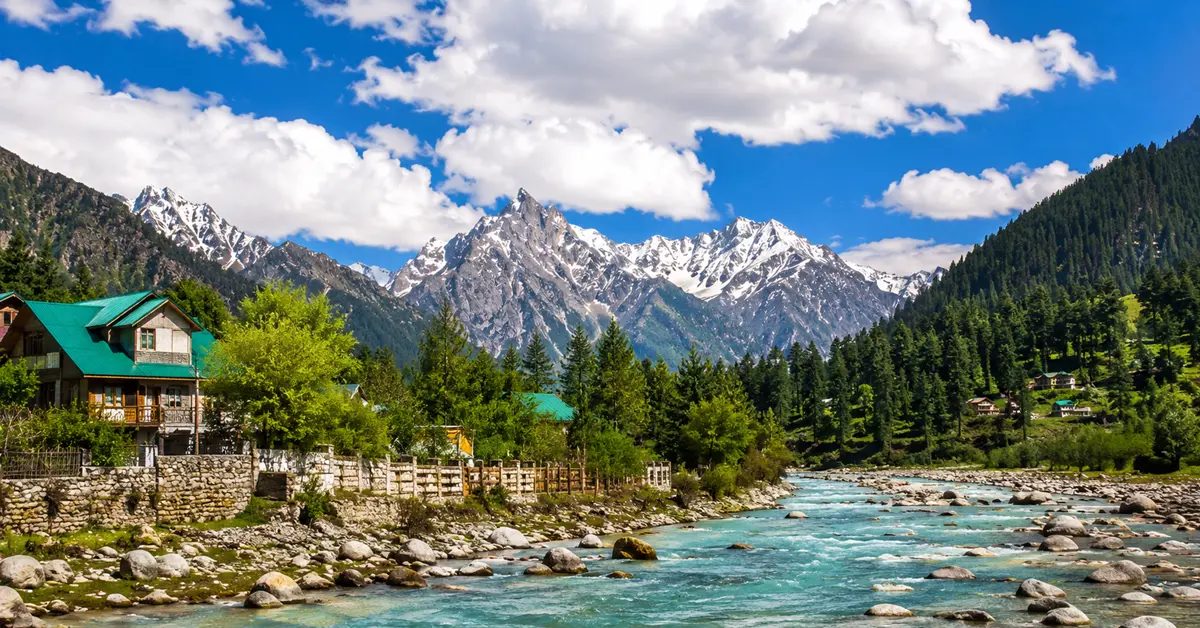
A Chitkul trip is less about ticking off sightseeing spots and more about experiencing one of the most remote and beautiful corners of Himachal Pradesh. Located in Kinnaur district at roughly 3,450 metres above sea level, Chitkul sits at the far end of the Baspa Valley and is widely described as the last inhabited village on the old Hindustan-Tibet trade route. The combination of snow-covered mountains, wooden houses, apple orchards, the Baspa River and almost complete separation from urban life gives the village a character that is difficult to reproduce elsewhere.
The road journey is a major part of the experience. You travel through the changing landscapes of Kinnaur, pass through Sangla and Rakcham, and eventually arrive at a small settlement where the pace of life is noticeably slower. There are no shopping malls, nightlife districts or long lists of conventional tourist attractions. Instead, there are mountain walks, temples, riverside views, traditional homes, wooden architecture and enormous Himalayan landscapes.
Chitkul is particularly rewarding for travellers who enjoy road trips, photography, peaceful mountain villages, short walks and destinations that still retain a strong local identity.
Destination at a Glance
| Information | Chitkul |
|---|---|
| Country / State | India / Himachal Pradesh |
| District | Kinnaur |
| Altitude | Approximately 3,450 m / 11,320 ft |
| Ideal trip duration | 5–6 days from Delhi; 2–3 nights in the Kinnaur region |
| Best time to visit | April–June and September–October |
| Currency | Indian Rupee (₹); ₹1 = ₹1 |
| Language | Hindi, English, Kinnauri and local Pahari dialects |
| Time difference | None for travellers from India |
| Visa requirement | No visa for Indian citizens |
| Suitable for | Solo travellers, couples, families with older children and groups |
| Daily budget | Approximately ₹2,000–₹3,500 budget; ₹4,000–₹7,000 comfortable; ₹8,000+ premium |
Chitkul is a high-altitude destination, so the journey should not be treated like a conventional Himachal weekend trip. The altitude, winding roads and limited infrastructure make sensible pacing important.
Why Should You Visit Chitkul?
1. The landscape feels genuinely remote
The Baspa Valley narrows and becomes increasingly dramatic as you travel beyond Sangla. Chitkul itself is surrounded by high mountains, forests, rocky slopes and the Baspa River.
2. It offers a different side of Himachal Pradesh
Shimla, Manali and Dharamshala have developed extensive tourism infrastructure. Chitkul remains much quieter. The appeal is its simplicity rather than entertainment.
3. The village architecture is fascinating
Traditional Kinnauri houses use stone and timber in distinctive forms. Walking through the settlement is one of the best ways to appreciate the local character.
4. It is excellent for photography
The combination of wooden homes, mountains, prayer flags, orchards, river landscapes and changing light makes Chitkul particularly photogenic.
5. The journey itself is an attraction
The route through Kinnaur is one of the reasons to undertake a Chitkul road trip. The drive is long, but the scenery changes constantly.
6. It suits slow travel
If your idea of a holiday is waking up to mountains, having breakfast slowly, walking beside a river and spending an evening without city noise, Chitkul is a strong choice.
Best Time to Visit Chitkul
The best time for a Chitkul trip depends heavily on whether you want accessible roads and comfortable weather or a snow-covered Himalayan landscape.
April to June: Best overall season
Spring and early summer are among the most practical periods for visiting. The weather is comparatively comfortable, roads are generally more accessible and the valley becomes greener.
According to India’s official tourism portal, average temperatures rise considerably from March through June, with June generally having pleasant daytime conditions but cold mornings and nights.
July to August: Beautiful but risky
The landscape can be green and dramatic, but monsoon conditions increase the possibility of landslides and road interruptions in the Himalayan region. India’s tourism portal also advises travellers to avoid the monsoon period because of possible landslides and travel disruption.
If you travel during this period, keep your itinerary flexible.
September to October: Excellent for road trips
September and October are arguably among the best months for travellers who want clear mountain views, pleasant daytime weather and autumn colours.
November to March: Winter adventure
Chitkul can become extremely cold and heavily snow-covered. The road from Sangla to Chitkul can become inaccessible during heavy winter snowfall, with reopening dependent on snow clearance and weather conditions.
Do not plan a winter Chitkul trip solely on the assumption that the road will be open. Check local road conditions immediately before departure.
Chitkul Weather Guide
| Season | What to expect |
| March–April | Cold mornings, gradually warming days, possible snow |
| May–June | Pleasant daytime weather, cold nights, excellent road-trip conditions |
| July–August | Green landscapes but monsoon-related road risks |
| September–October | Crisp weather, clear skies and excellent photography |
| November | Increasingly cold, possible early snowfall |
| December–February | Severe cold, heavy snow and possible road closures |
Official tourism information gives approximate monthly temperature ranges from around -2°C to 17.5°C in January and around 12.1°C to 29°C in June, though actual temperatures in the high village can vary significantly with altitude, weather and time of day.
How Many Days Are Enough for a Chitkul Trip?
For someone travelling from Delhi or another major North Indian city, 5–6 days is the practical minimum for a comfortable Chitkul trip.
A rushed two-day journey is possible only if the objective is simply to reach Chitkul and return. It is not recommended because a significant portion of the journey involves mountain roads.
For a proper experience:
- 1 night in Shimla or a suitable transit point
- 2 nights in Sangla/Chitkul
- 1 night in Sangla or Shimla
- 1 additional day for the return journey
A 6-day Chitkul itinerary from Delhi provides a much better balance between driving and sightseeing.
How to Reach Chitkul
By Road
Road travel is the most practical way to reach Chitkul.
The usual route from Delhi is:
Delhi → Chandigarh → Shimla → Narkanda → Rampur → Karcham → Sangla → Rakcham → Chitkul
Chitkul is approximately 24–28 km from Sangla, depending on the route and point measured.
The final stretch from Sangla to Chitkul is particularly scenic.
By Flight
There is no airport at Chitkul.
Official tourism information identifies Shimla Airport as an airport serving access to Kinnaur, while Chandigarh is also an important gateway for the region. Himachal Tourism lists Chandigarh, Bhuntar and Shimla among the state’s principal air-access points.
For most travellers from outside North India, Chandigarh Airport (IXC) is often the more practical major-airport option because of better connectivity and the ability to combine the flight with a road journey.
Approximate onward road distances vary considerably by route, weather and road conditions, so allow a full day rather than planning around the shortest theoretical driving time.
By Train
There is no railway station in Chitkul.
Kalka is the major broad-gauge rail gateway for Shimla, followed by a road journey. The historic Kalka–Shimla railway can also be incorporated into a longer holiday if you have additional time. Himachal Tourism identifies Kalka as a major rail gateway into the state.
Flight Options from Within India
If you are starting your journey elsewhere in India, the most practical strategy is generally:
Your city → Chandigarh or Delhi → road journey toward Shimla/Kinnaur
Travellers from Mumbai, Bengaluru, Hyderabad, Chennai or Kolkata can consider flying to Delhi or Chandigarh and then continuing by road.
For Chitkul, flying does not eliminate the long journey; it simply shortens the plains portion.
Visa, Currency, SIM and Internet
Visa Information
Indian citizens do not require a visa because Chitkul is in Himachal Pradesh, India.
Foreign nationals should check the latest rules before travelling into border-area portions of Kinnaur. Himachal Pradesh contains notified protected areas, and permit requirements can apply to particular border regions. Government information confirms that parts of Himachal Pradesh fall under the Protected Area framework for foreign visitors.
For an international traveller, it is particularly important to confirm whether the intended itinerary extends beyond the ordinary tourist areas.
Currency
The local currency is the Indian Rupee (₹).
There is no currency conversion required for Indian travellers.
Carry enough cash because Chitkul has limited financial infrastructure and unreliable connectivity.
Local SIM
Mobile connectivity is limited in Chitkul. Recent travel information indicates that BSNL is the most dependable option in the village, although coverage can still be intermittent. Jio, Airtel and Vi may not provide dependable service in Chitkul itself.
Do not depend on mobile internet for navigation or payments.
Internet
Internet access can be inconsistent or unavailable. Download:
- Offline Google Maps
- Hotel details
- Important phone numbers
- Tickets
- Documents
- Emergency information
before entering the upper Baspa Valley.
6-Day Chitkul Trip Itinerary
Day 1: Delhi to Shimla
Distance: Approximately 340–350 km
Travel time: 8–10 hours depending on traffic
Transport: Private car, taxi or bus
Estimated transportation cost: ₹700–₹1,500 by bus; ₹8,000–₹12,000+ for a private taxi depending on vehicle and season
Approximate daily budget: ₹2,500–₹5,000 per person
Suggested hotel area: Shimla city, Kufri Road or Narkanda if you want an earlier start
Food: Local Himachali restaurants around Shimla Mall Road or your hotel
Morning
Leave Delhi early, preferably around 5–6 a.m. The objective is not sightseeing but reaching the hills before evening.
Afternoon
Continue through Chandigarh and toward Shimla. Take a proper lunch break rather than relying entirely on roadside snacks.
Evening
Check into your hotel, have dinner and sleep early.
Do not make the mistake of adding extensive Shimla sightseeing on this day. Tomorrow is a long mountain-driving day.
Day 2: Shimla to Sangla
Distance: Approximately 220–230 km
Travel time: 8–10 hours, sometimes longer
Transport: Private taxi/SUV recommended
Estimated transportation cost: ₹5,000–₹8,000 for a vehicle depending on season and vehicle type
Approximate daily budget: ₹3,500–₹6,500 per person
Suggested hotel area: Sangla village
Food: Hotel restaurant or local Sangla eateries
Morning
Start early from Shimla.
The scenery changes as you travel toward Rampur and then Kinnaur.
Afternoon
Continue through the Kinnaur landscape toward Karcham and Sangla.
The road becomes progressively more mountainous, so avoid rushing.
Evening
Arrive in Sangla, check in and have an early dinner.
If you feel tired, do not attempt the Chitkul drive at night.
Day 3: Sangla to Rakcham and Chitkul
Distance: Approximately 25–30 km to Chitkul, excluding local detours
Travel time: 1–2 hours without long stops
Transport: Taxi/SUV
Estimated local transportation cost: ₹1,500–₹3,000 for a vehicle depending on season
Approximate daily budget: ₹2,500–₹5,500 per person
Suggested hotel area: Chitkul village
Food: Hotel/home-stay meals, local dhabas and small cafés
Morning: Rakcham
Leave Sangla after breakfast and stop at Rakcham.
Rakcham Valley is one of the most beautiful intermediate points on the route. The village and surrounding landscape provide a quieter alternative to Sangla.
Afternoon: Chitkul
Continue toward Chitkul.
Once you arrive, check into your accommodation and have lunch.
Spend the afternoon simply walking around the village.
Visit:
- Mathi Temple
- Traditional village lanes
- Baspa River viewpoints
- Local houses
- Nearby meadows
Evening
Walk toward the river around sunset if weather conditions permit.
Return before it gets dark because mountain paths can become difficult to navigate.
Have dinner at your homestay or a local restaurant and enjoy a quiet night.
Day 4: Explore Chitkul Slowly
Distance: Approximately 5–10 km local walking/driving
Travel time: Minimal; mostly walking
Transport: Walking and short local vehicle rides
Estimated transportation cost: ₹0–₹1,000
Approximate daily budget: ₹2,000–₹4,500 per person
Suggested hotel area: Chitkul
Food: Homestay breakfast/lunch and local cafés
Morning
Wake up early for mountain views.
Walk through the village before most visitors become active.
Afternoon
Explore the Baspa River area and surrounding landscapes.
Have lunch and spend some time talking to local residents if they are comfortable with conversation.
Evening
Return to the village centre for sunset photography.
This is deliberately a slow day. Chitkul is not a destination where you need to fill every hour with sightseeing.
Day 5: Chitkul to Sangla and Kamru
Distance: Approximately 25–35 km including sightseeing
Travel time: 2–4 hours excluding stops
Transport: Taxi/SUV
Estimated transportation cost: ₹1,500–₹3,000
Approximate daily budget: ₹3,000–₹5,500 per person
Suggested hotel area: Sangla
Food: Sangla restaurants and hotel dining
Morning
Leave Chitkul after breakfast.
Stop again at Rakcham if you missed any viewpoints on Day 3.
Afternoon
Reach Sangla and explore Kamru Fort and the surrounding village area.
Evening
Relax in Sangla.
This is a good night to catch up on charging phones, downloading photographs and making calls because connectivity can be easier than in Chitkul.
Day 6: Sangla to Shimla/Delhi
Distance: Approximately 220 km to Shimla, substantially more if continuing to Delhi
Travel time: 8–11 hours to Shimla; considerably longer to Delhi
Transport: Taxi/SUV or bus
Estimated transportation cost: ₹5,000–₹8,000 for a private vehicle toward Shimla
Approximate daily budget: ₹3,000–₹6,000 per person
Morning
Start as early as possible.
Afternoon
Continue through Kinnaur toward Shimla.
Evening
If you are returning to Delhi, it is safer to spend the night in Shimla rather than attempting an exhausting mountain-plus-plains journey after a long day.
If your schedule allows, make this a seven-day trip and spend the final night in Shimla.
Best Attractions in and Around Chitkul
1. Mathi Temple, Chitkul
| Detail | Information |
| Location | Chitkul village, Kinnaur |
| Google Rating | Approximately 4.8/5 |
| Google reviews | Around 12 reviews |
| Entry fee | No standard entry fee generally reported |
| Timings | No consistently published official tourist timetable |
| Recommended duration | 30–60 minutes |
| Best time | Morning or late afternoon |
| How to reach | Walk from most Chitkul accommodations |
| Transport cost | Usually ₹0 if walking |
| Practical tip | Dress modestly and follow local temple customs |
Mathi Temple is one of Chitkul’s most important cultural landmarks. The temple is associated with the local goddess Mathi and reflects the distinctive religious traditions of Kinnaur.
The wooden architecture is particularly interesting. Unlike many modern concrete temples found in tourist towns, the traditional construction blends naturally into the village.
Google’s current listing shows the temple at approximately 4.8/5 from a relatively small number of reviews, so the rating should be treated as an indication rather than a statistically meaningful ranking.
Why visit?
The temple offers something that a mountain viewpoint cannot: an insight into the community’s cultural identity.
It is worth visiting even if you are primarily interested in nature.
2. Baspa River
| Detail | Information |
| Location | Through the Baspa Valley and Chitkul |
| Google Rating | Varies by mapped location |
| Google reviews | Limited and inconsistent across listings |
| Entry fee | Free |
| Timings | Open throughout the day; access depends on local conditions |
| Recommended duration | 1–2 hours |
| Best time | Morning or late afternoon |
| How to reach | Walk from Chitkul village |
| Transport cost | ₹0–₹500 depending on starting point |
| Practical tip | Never approach unstable riverbanks or enter the cold, fast-flowing water |
The Baspa River is arguably the natural heart of Chitkul.
It runs through the valley and creates the landscape that makes the entire region so visually distinctive. The river is surrounded by mountain slopes, forests and settlements, creating excellent walking and photography opportunities.
The river should not be treated as a casual swimming location. Mountain water can be dangerously cold, and river conditions can change rapidly.
Why visit?
This is one of the attractions where the journey matters more than a formal sightseeing activity.
Sit beside the river, listen to the water and take in the mountains. That is the Chitkul experience.
3. Chitkul Village and Traditional Lanes
| Detail | Information |
| Location | Chitkul, Baspa Valley |
| Google Rating | Approximately 4.9/5 for mapped Chitkul locality |
| Google reviews | Around 40 reviews on one current locality listing |
| Entry fee | Free |
| Timings | Open throughout the day |
| Recommended duration | 2–3 hours |
| Best time | Early morning and evening |
| How to reach | Directly by road |
| Transport cost | Included in Chitkul transfer |
| Practical tip | Walk quietly and do not enter private properties |
The village itself is the attraction.
Traditional homes, narrow lanes, wooden balconies, prayer flags, mountain backdrops and small fields create an atmosphere that is very different from commercial hill stations.
The village’s significance comes from its location on the historic Hindustan-Tibet trade route and its survival as a high-altitude settlement near the international border.
Why visit?
If you only photograph famous landmarks, you will miss the essence of Chitkul.
Spend time walking without a fixed destination. Observe the architecture and landscape, but remember that people live here; it is not an open-air museum.
4. Rakcham Valley
| Detail | Information |
| Location | Between Sangla and Chitkul |
| Google Rating | Approximately 4.9/5 |
| Google reviews | Around 23 reviews |
| Entry fee | Free |
| Timings | Daylight hours recommended |
| Recommended duration | 1–2 hours |
| Best time | May–June and September–October |
| How to reach | Road from Sangla/Chitkul |
| Transport cost | Approximately ₹1,000–₹2,000 as part of a local taxi trip |
| Practical tip | Stop here during daylight rather than treating it only as a transit point |
Rakcham is an excellent place to break the journey between Sangla and Chitkul.
The valley combines forests, open meadows, mountain slopes and traditional settlement patterns.
Google’s current mapped listing gives Rakcham Valley approximately 4.9/5 from about 23 reviews.
Why visit?
Rakcham is quieter than Sangla and provides an excellent introduction to the landscapes around Chitkul.
For photographers, it can be just as rewarding as the final destination.
5. Kamru Fort
| Detail | Information |
| Location | Kamru village near Sangla |
| Google Rating | Approximately 4.4/5 |
| Google reviews | Around 833 |
| Entry fee | Generally no standard tourist entry charge |
| Timings | Daylight hours; local access may vary |
| Recommended duration | 1–2 hours |
| Best time | Morning to afternoon |
| How to reach | Road to Kamru followed by walking |
| Transport cost | Approximately ₹500–₹1,500 locally depending on vehicle |
| Practical tip | Wear shoes suitable for uphill walking |
Kamru Fort is one of the most important cultural stops to add before or after Chitkul.
Its traditional architecture and elevated position provide a completely different experience from the riverside scenery of Chitkul.
The current Google listing shows approximately 4.4/5 from more than 800 reviews, making it one of the more extensively reviewed attractions in the Sangla area.
Why visit?
Kamru helps put the Kinnaur landscape into cultural context.
Rather than simply looking at mountains, you get to understand how settlements and traditional architecture evolved in this difficult terrain.
6. Bering Nag Temple, Sangla
| Detail | Information |
| Location | Sangla |
| Google Rating | Approximately 4.7/5 |
| Google reviews | Around 229 |
| Entry fee | No standard tourist entry fee generally reported |
| Timings | Daytime/local temple hours |
| Recommended duration | 30–60 minutes |
| Best time | Morning |
| How to reach | Local taxi or walk depending on hotel location |
| Transport cost | Approximately ₹0–₹500 |
| Practical tip | Follow temple rules and avoid photography where prohibited |
Bering Nag Temple is another important cultural stop around Sangla.
Google’s current listing shows approximately 4.7/5 from around 229 reviews.
Why visit?
It provides another perspective on Kinnauri religious traditions and is a useful addition to an itinerary that otherwise focuses heavily on natural scenery.
Recommended Hotels in Chitkul
Accommodation in Chitkul is generally simple compared with Shimla or Manali. Prices vary sharply with weekends, holidays, weather and availability.
Current hotel listings show budget rooms and beds starting at roughly ₹1,400–₹2,000, while comfortable rooms can commonly fall in the ₹2,500–₹5,500 range and some premium properties can cost considerably more.
Budget
Zostel Chitkul: Approximately ₹1,400–₹2,500 for a bed/room depending on dates.
Mannat Home Stay: Approximately ₹2,500–₹3,000 per night based on current listings.
Local homestays: Roughly ₹1,500–₹3,000, often including or offering breakfast separately.
Mid-range
Hotel Chitkul: Approximately ₹3,000–₹5,500 depending on room type and date.
Samaa Resorts, Chitkul Heights: Generally positioned above basic homestays, with prices varying significantly by season.
Luxury
Chitkul does not have a large luxury-resort ecosystem. Premium accommodation is better understood as high-end mountain stays, camps or upgraded rooms, rather than five-star luxury.
For travellers who prioritise comfort, staying in Sangla can actually provide a wider selection.
Where to Eat in Chitkul
Food choices are limited, and that is part of the destination’s charm.
Current listings show small cafés and local eateries such as Mickey’s Kafe and Hindustan Ka Aakhri Dhaba, with Google listings showing ratings around 4.5/5 and 4.4/5 respectively.
Do not expect a large restaurant scene.
Must-Try Food
Siddu
A traditional Himachali steamed bread/dumpling-like preparation, often served with ghee or a savoury accompaniment.
Thukpa
A practical mountain meal, particularly enjoyable in cold weather.
Momos
Widely available in Himalayan destinations and easy to find around Sangla and Chitkul.
Rajma-Chawal
A simple, filling meal that works particularly well after a long mountain drive.
Local potato dishes
Potatoes are common in mountain cuisine and can appear in several simple preparations.
Tibetan-style noodles and soups
Good choices for cold evenings.
Vegetarian Food in Chitkul
Vegetarian travellers generally have reasonable options, although variety is limited.
Look for:
- Dal
- Rajma
- Rice
- Roti
- Vegetable curry
- Aloo dishes
- Momos
- Thukpa
- Maggi
- Paratha
- Seasonal vegetables
If you have specific dietary requirements, tell your accommodation in advance. In remote areas, advance notice is much more useful than expecting a large restaurant menu.
Shopping in Chitkul
Chitkul is not a shopping destination.
You may find:
- Local woollen products
- Shawls
- Caps
- Handmade items
- Small souvenirs
- Local food products
- Apples and related products during the appropriate season
Bargaining tips
Bargain politely at informal stalls, but do not treat small local purchases like a negotiation battle.
In remote communities, paying a fair price is often more appropriate than trying to save ₹20 or ₹50.
Hidden Gems Around Chitkul
1. Early-morning village walks
The most rewarding experience may be the simplest one.
Go outside shortly after sunrise when the village is quiet and the mountains receive the first light.
2. Rakcham stops
Do not drive through Rakcham without stopping. The valley deserves time.
3. Lesser-used walking trails
Ask your homestay owner about safe local walking routes instead of blindly following online maps.
4. Riverside viewpoints
Look for safe viewpoints rather than trying to climb down to the water.
5. Sunset from the village outskirts
The changing colours on the surrounding peaks can be spectacular on clear evenings.
Common Tourist Mistakes in Chitkul
Trying to cover Chitkul in one day
The journey is too long for a relaxed experience.
Driving after dark
Mountain roads, falling rocks, animals and limited visibility make night driving particularly undesirable.
Ignoring altitude
Chitkul is above 3,400 metres. Give your body time to adjust.
Expecting strong mobile internet
Download everything before leaving Sangla.
Carrying no cash
Connectivity and digital-payment reliability cannot be assumed.
Treating the village as a photo studio
Residents live here. Ask before photographing people or private homes.
Going too close to the river
The Baspa is cold and potentially dangerous.
Packing only light clothes in summer
Even during warm months, nights can be very cold.
Planning a rigid monsoon itinerary
Road conditions can change rapidly.
Assuming every hotel has all modern facilities
Power backup, heating, hot water and Wi-Fi should be confirmed before booking.
Chitkul Travel Budget
Solo Traveller
| Expense | Approximate cost |
| Accommodation | ₹1,500–₹3,000/night |
| Food | ₹600–₹1,000/day |
| Local transport | ₹500–₹1,500/day |
| Intercity transport | ₹1,500–₹3,000/day equivalent |
| Approximate daily budget | ₹2,500–₹5,000 |
A solo traveller can save considerably by using buses and shared taxis, although reaching Chitkul is easier with a group or shared vehicle.
Couple
| Expense | Approximate cost |
| Room | ₹2,500–₹5,500/night |
| Food for two | ₹1,200–₹2,000/day |
| Local transport | ₹1,000–₹2,500/day |
| Private vehicle allocation | ₹3,000–₹6,000/day |
| Approximate per-person daily budget | ₹3,500–₹6,500 |
Couples benefit from sharing taxi costs.
Family
| Expense | Approximate cost |
| Family room | ₹3,500–₹7,000/night |
| Food | ₹2,000–₹3,500/day |
| Private vehicle | ₹5,000–₹8,000/day |
| Activities/local sightseeing | ₹500–₹1,500/day |
| Approximate daily budget for 3–4 people | ₹8,000–₹14,000 |
A private SUV is usually the most convenient family option.
Group
| Expense | Approximate cost |
| Accommodation | ₹1,500–₹3,500 per person/night |
| Food | ₹600–₹1,000 per person/day |
| Shared vehicle | ₹1,500–₹3,000 per person/day |
| Local sightseeing | ₹300–₹800 per person/day |
| Approximate daily budget | ₹2,500–₹5,000 per person |
A group of four to six people can make the road journey significantly more economical.
These are planning estimates rather than fixed prices. Current hotel listings demonstrate substantial variation even within the same property and between different dates.
Safety Tips for Chitkul
Chitkul is generally peaceful, but the major risks are environmental and logistical rather than urban crime.
Drive carefully
Use an experienced mountain driver, especially if you are unfamiliar with Kinnaur roads.
Avoid unnecessary night travel
Daylight provides much better visibility.
Watch for landslides
During and after rainfall, check road conditions before departing.
Acclimatise
At more than 3,400 metres, some travellers may experience headache, fatigue, breathlessness or nausea.
If symptoms become severe or worsen, descend and seek medical assistance.
Keep emergency supplies
Carry:
- Basic medicines
- First-aid supplies
- Water
- Snacks
- Power bank
- Torch
- Offline maps
- Government ID
Do not depend on one vehicle
If travelling in a group, keep the driver’s contact information and accommodation details accessible offline.
Packing Checklist for a Chitkul Trip
- Warm jacket
- Thermal innerwear
- Fleece/sweater
- Waterproof outer layer
- Comfortable trekking shoes
- Woollen socks
- Gloves
- Cap
- Sunglasses
- Sunscreen
- Lip balm/moisturiser
- Personal medicines
- Basic first-aid kit
- Power bank
- Charging cables
- Torch
- Reusable water bottle
- Government ID
- Cash
- Offline maps
- Small backpack
Even if you travel in May or June, keep warm clothing in your luggage.
Photography Tips for Chitkul
Chitkul is one of those destinations where the best photographs often come from slowing down.
Sunrise
Early morning light can illuminate the surrounding mountains while the village remains relatively quiet.
Village architecture
Use traditional wooden houses as foreground elements instead of photographing only the mountains.
Baspa River
Shoot from a safe distance and use the river as a leading line through the frame.
Rakcham
Keep some time for roadside photography between Sangla and Chitkul.
People photography
Always ask permission before taking close-up portraits of residents.
Avoid over-editing
The natural colours of Kinnaur are already striking. Excessive saturation can make mountain landscapes look unrealistic.
Local Etiquette
Chitkul is a living village, not merely a tourist attraction.
Respect local customs at temples and religious sites.
Do not enter homes, farms or private land without permission.
Avoid loud music.
Do not litter.
Do not disturb livestock.
Ask before photographing people.
Follow signs and local instructions around restricted areas.
Remember that the Indo-Tibetan border is a sensitive region. Do not attempt to cross restricted boundaries or photograph security installations where photography is prohibited.
Money-Saving Tips for a Chitkul Trip
Travel as a small group
Sharing a taxi can dramatically reduce per-person transportation costs.
Stay in homestays
Homestays can be cheaper than premium hotels and often provide meals.
Carry snacks from Sangla
Food options become increasingly limited as you travel toward Chitkul.
Avoid peak holiday weekends
Room rates and vehicle costs can rise sharply.
Stay two nights
Constantly changing hotels increases transportation costs and reduces the quality of the trip.
Book flexible accommodation
Mountain road conditions can change, particularly during monsoon and winter.
Important Practical Travel Tips
- Start mountain journeys early.
- Keep a full day of buffer if your return flight or train is important.
- Do not assume Google Maps travel times are realistic on mountain roads.
- Fill your vehicle with fuel before entering remote stretches.
- Keep cash.
- Carry an offline map.
- Check weather and road conditions immediately before departure.
- Keep your hotel informed if you expect to arrive late.
- Do not depend entirely on mobile payments.
- Respect local restrictions around the border.
- Keep plastic waste with you until you find an appropriate disposal point.
- Avoid swimming in the Baspa River.
- Give yourself time to acclimatise.
- If travelling with children or older family members, avoid an overly aggressive itinerary.
- Keep emergency contacts and accommodation details offline.
Is Chitkul Safe for Solo Travellers?
Yes, Chitkul can be a rewarding destination for solo travellers, particularly during the main travel season.
The bigger consideration is not crime but remoteness, altitude, weather and transportation.
Solo travellers should preferably:
- Arrive during daylight
- Stay in established accommodation
- Inform someone about their itinerary
- Avoid isolated trails without local advice
- Carry sufficient cash
- Keep offline maps
- Avoid unnecessary adventure near cliffs or rivers
For a first Himalayan road trip, joining a small group can be more comfortable than travelling completely independently.
Is Chitkul Suitable for Families?
Yes, but the journey should be planned carefully.
Families with older children can enjoy the scenery, village walks and river landscapes. However, very young children and travellers who struggle with altitude may find the high elevation challenging.
A private SUV, comfortable accommodation and an extra day in the itinerary can make a substantial difference.
Is Chitkul Worth Visiting?
Yes, if you enjoy nature, mountain roads, peaceful villages and slow travel.
Chitkul may disappoint travellers looking for nightlife, shopping, luxury resorts or dozens of organised activities.
Its attraction is precisely the opposite.
The best moments may be:
- Walking through an almost silent village in the morning
- Watching the Baspa River
- Seeing snow-covered peaks from your hotel
- Eating a simple hot meal after a cold day
- Photographing traditional Kinnauri architecture
- Sitting outside without the noise of a city
That simplicity is what makes the journey worthwhile.
Frequently Asked Questions About Chitkul
1. Is Chitkul really the last village of India?
Chitkul is widely described as the last inhabited village on the old Hindustan-Tibet trade route and one of India’s famous border villages. The exact wording matters because India has several settlements described as “last villages” on different borders.
2. What is the best time for a Chitkul trip?
April to June and September to October are generally the best choices for comfortable road travel and sightseeing. Monsoon travel carries higher road risks, while winter can bring heavy snow and road closures.
3. How far is Chitkul from Sangla?
Chitkul is approximately 24–28 km from Sangla, depending on the route and measurement point.
4. Do Indian citizens need a permit for Chitkul?
Indian tourists generally do not need a special permit to visit Chitkul itself, but access beyond permitted civilian areas is restricted. Border-region regulations can change, so verify the latest local instructions before travelling.
5. Is there mobile network in Chitkul?
Connectivity is limited. Recent travel information indicates that BSNL has the most useful coverage, but even that can be intermittent. Do not depend on mobile data.
6. How many days are enough for Chitkul?
Two nights around Chitkul/Sangla can cover the main experience, but travellers coming from Delhi should allow around five to six days for a comfortable round trip.
7. Is Chitkul open in winter?
The village can receive heavy snowfall and the road from Sangla can become inaccessible. Winter accessibility depends on snowfall and snow clearance, so never assume the road will remain open throughout the season.
8. Is Chitkul expensive?
It can be relatively affordable if you travel in a group, use homestays and share a vehicle. Transportation is the biggest expense because of the distance and mountainous terrain.
Final Verdict: Planning the Perfect Chitkul Trip
A good Chitkul trip should never be planned as a race to reach the “last village.” The journey through Kinnaur is just as important as the destination.
The ideal plan is to travel gradually from Delhi toward Shimla and Sangla, spend time exploring Rakcham, reach Chitkul during daylight and stay for at least two nights in the region. Use one day simply to experience the village, Baspa River and surrounding mountains without constantly checking the clock. On the return journey, explore Sangla and Kamru before heading back toward Shimla.
For first-time visitors, April–June and September–October offer the strongest combination of accessibility, scenery and comfortable travel conditions. Monsoon requires flexibility, while winter should be attempted only after confirming road accessibility.
Chitkul is not a destination that needs a packed sightseeing schedule. Its greatest attraction is the landscape, the quietness and the opportunity to experience a remote Himalayan community at the end of the Baspa Valley.
If you give the destination enough time, travel responsibly and accept that infrastructure is limited, Chitkul can become one of the most memorable road trips in Himachal Pradesh.
Disclaimer
Travel costs, hotel prices, road conditions, entry fees, transportation schedules, weather conditions, permit requirements, exchange rates, mobile connectivity and attraction timings can change over time. Information and Google ratings mentioned in this guide are approximate and reflect information available at the time of research. Travellers should verify the latest road status, accommodation availability, local restrictions, permit rules, weather conditions and other practical details before starting their journey.