Amarnath Trip Guide: Complete Yatra Itinerary, Registration, Trek Routes, Budget and Travel Planning
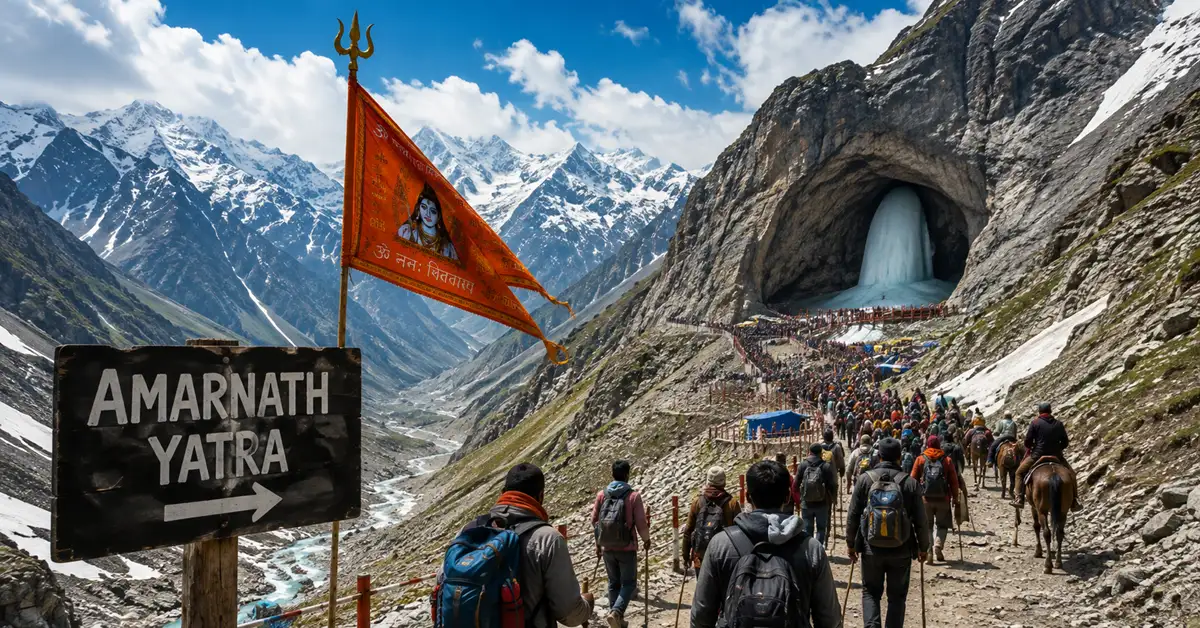
An Amarnath Trip is one of the most sacred and challenging pilgrimages in India. Every year, lakhs of devotees undertake this high-altitude journey to the holy Amarnath Cave, located in the Himalayas of Jammu & Kashmir at an elevation of approximately 3,888 metres (12,756 feet). The cave is revered for the naturally formed Ice Shivling, believed to symbolize Lord Shiva.
Unlike many other pilgrimage destinations, the Amarnath Yatra is not simply a temple visit—it is a demanding spiritual expedition that combines faith, endurance, breathtaking Himalayan scenery, and meticulous planning. Whether you choose the traditional Pahalgam Route or the shorter Baltal Route, proper preparation is essential for a safe and rewarding journey.
This guide explains everything you need to know, including registration, medical requirements, route selection, budgeting, transportation, accommodation, trekking advice, and practical travel tips.
Why Visit Amarnath?
For devotees of Lord Shiva, Amarnath is one of the holiest pilgrimage sites in India.
The journey offers much more than religious significance:
- Sacred Ice Shivling
- Spectacular Himalayan landscapes
- Ancient spiritual heritage
- High-altitude trekking experience
- Opportunity to visit one of India’s most revered shrines
- Well-organized pilgrimage facilities
- Beautiful valleys, glaciers, rivers, and alpine meadows
The journey itself is often considered as spiritually meaningful as the darshan.
Destination at a Glance
| Information | Details |
|---|---|
| Country | India |
| Union Territory | Jammu & Kashmir |
| Ideal Trip Duration | 5–7 Days |
| Best Time to Visit | During the officially announced Yatra period (generally July–August) |
| Currency | Indian Rupee (INR ₹) |
| Language | Hindi, Kashmiri, Urdu, English |
| Time Difference | Not Applicable |
| Visa Requirement | Not Applicable for Indian Citizens |
| Suitable For | Physically Fit Solo Travelers, Couples, Groups, Pilgrims |
| Estimated Daily Budget | ₹3,000–₹8,000 per person |
Why Tourists and Pilgrims Visit Amarnath
Amarnath is unlike any other pilgrimage destination.
Visitors come here for:
- The sacred Ice Shivling
- Spiritual fulfillment
- Himalayan trekking
- Beautiful mountain scenery
- Adventure combined with faith
- Lifetime pilgrimage experience
- Traditional Yatra atmosphere
Best Time to Visit
Unlike most destinations, Amarnath can only be visited during the officially announced Yatra period.
For 2026, the Shri Amarnathji Shrine Board announced the Yatra from 3 July to 28 August 2026, subject to weather and administrative conditions.
Outside this period, access to the cave remains closed because of severe weather and heavy snowfall.
Weather During the Yatra
Even in summer, temperatures remain quite low.
| Season | Weather |
|---|---|
| Day | 10°C–20°C |
| Night | 0°C–8°C (can be lower at higher camps) |
Weather changes rapidly.
Pilgrims should always prepare for:
- Rain
- Snowfall
- Strong winds
- Low temperatures
- High-altitude conditions
Ideal Trip Duration
5 Days (Recommended)
Suitable for:
- Jammu/Srinagar arrival
- Registration formalities (if required)
- Trek
- Darshan
- Return
6–7 Days
Recommended for:
- Relaxed itinerary
- Srinagar sightseeing
- Better acclimatization
- Buffer days in case of weather delays
Registration & Medical Requirements
Unlike most pilgrimage destinations, registration is compulsory for the Amarnath Yatra.
Important requirements for the 2026 Yatra include:
- Advance registration
- Compulsory Health Certificate (CHC)
- Aadhaar-based eKYC (where applicable)
- Daily route quotas
- Route-specific Yatra Permit
- RFID tracking requirements as notified by authorities
Registration began on 15 April 2026 through designated bank branches and the official Shrine Board system.
Age Eligibility
For the 2026 Yatra:
- Minimum age: 13 years
- Maximum age: 70 years
- Women with pregnancy beyond six weeks are not permitted to undertake the Yatra.
Medical Fitness
A valid Compulsory Health Certificate (CHC) issued by an authorized medical institution is mandatory because of the demanding high-altitude trek.
This requirement exists to reduce the risk of altitude-related illness and other medical emergencies.
How to Reach Amarnath
By Air
Nearest Airport:
Srinagar International Airport
Distance:
Approximately
- 95 km to Baltal
- 90 km to Pahalgam
Taxi services operate regularly during the Yatra season.
By Train
Nearest Major Railway Station:
Jammu Tawi
Many pilgrims arrive by train and continue to Srinagar or directly to Baltal/Pahalgam by road.
By Road
Pilgrims generally travel via:
- Jammu → Srinagar → Baltal
- Jammu → Srinagar → Pahalgam
Luxury buses, shared taxis, and private cabs are available during the pilgrimage season.
Nearest Airport
| Information | Details |
|---|---|
| Airport | Srinagar International Airport |
| Distance to Baltal | Approximately 95 km |
| Distance to Pahalgam | Approximately 90 km |
| Taxi Fare | ₹2,500–5,000 depending on destination and vehicle type |
| Travel Time | Around 3–4 Hours |
Currency
Indian Rupee (INR)
UPI and cards work in larger towns, but pilgrims should also carry sufficient cash because connectivity may be limited at higher camps.
Local SIM & Internet
Network coverage varies considerably.
Generally available:
- BSNL
- Airtel
- Jio (coverage depends on location)
Internet:
- Available in Srinagar.
- Limited or unavailable at higher-altitude camps.
Safety Tips
Safety should be the highest priority.
Important precautions:
- Follow Shrine Board instructions.
- Trek only on approved routes.
- Stay hydrated.
- Avoid overexertion.
- Carry prescribed medicines.
- Report symptoms of altitude sickness immediately.
- Do not leave marked trekking paths.
- Respect weather advisories.
Estimated Budget
Solo Traveler
| Expense | Approximate Cost |
|---|---|
| Budget Stay | ₹1,000–2,000 |
| Food | ₹600–1,000 |
| Transport | ₹1,000–2,500 |
| Miscellaneous | ₹500–1,000 |
| Total | ₹3,000–5,500/day |
Couple
| Expense | Approximate Cost |
|---|---|
| Hotel | ₹2,500–5,000 |
| Food | ₹1,200–2,000 |
| Transport | ₹2,000–4,000 |
| Miscellaneous | ₹1,000–2,000 |
| Total | ₹6,000–11,000/day |
Family
| Expense | Approximate Cost |
|---|---|
| Accommodation | ₹4,000–8,000 |
| Food | ₹2,000–3,500 |
| Transport | ₹3,000–5,000 |
| Miscellaneous | ₹1,500–3,000 |
| Total | ₹10,000–18,000/day |
Group Travelers
Average daily budget:
₹3,500–6,000 per person
Sharing transport significantly reduces costs.
Pahalgam Route vs Baltal Route
| Pahalgam Route | Baltal Route |
|---|---|
| Traditional route | Shorter route |
| Approximately 36–48 km trek | Approximately 14–16 km trek (one way) |
| Scenic | Steeper |
| Takes 3–5 days | Can be completed faster |
| Better acclimatization | Physically more demanding |
The Pahalgam route is generally preferred by first-time pilgrims seeking a gradual ascent, while the Baltal route is chosen by experienced and physically fit pilgrims with limited time.
Complete 5-Day Itinerary
| Day | Main Plan |
|---|---|
| Day 1 | Arrival in Srinagar, Baltal or Pahalgam |
| Day 2 | Trek Preparation & Base Camp |
| Day 3 | Holy Cave Darshan |
| Day 4 | Return Trek |
| Day 5 | Srinagar Sightseeing & Departure |
Day 1 – Arrival & Base Camp
Distance Covered
Approximately
- Srinagar → Baltal: 95 km
or
- Srinagar → Pahalgam: 90 km
Travel Time
Approximately
3–4 Hours
Transportation
- Taxi
- Shared Cab
- Bus
Estimated Transport Cost
₹1,500–4,000
Approximate Daily Budget
₹3,500–6,000
Suggested Stay
Depending upon your chosen route:
- Srinagar
- Baltal Base Camp
- Pahalgam
Morning
- Arrival in Srinagar.
- Check into hotel.
- Complete remaining formalities if required.
Afternoon
- Travel to chosen base camp.
- Collect essentials.
- Rest.
Evening
- Light walk.
- Hydration.
- Early dinner.
- Adequate sleep before the trek.
Attraction 1 – Shri Amarnath Holy Cave
Attraction Information
| Information | Details |
|---|---|
| Location | Himalayas, Jammu & Kashmir |
| Google Rating | Around 4.8/5 |
| Approximate Reviews | 35,000+ |
| Entry Fee | No separate entry fee; valid Yatra registration and permit required |
| Opening Period | Only during official Yatra |
| Recommended Visit Duration | 2–3 Hours |
| Best Time | Official Yatra Season |
| How to Reach | Trek via Baltal or Pahalgam routes |
| Approximate Transport Cost | Depends on chosen route, pony/palki, or other authorized services |
| Practical Travel Tip | Start trekking early each morning and keep sufficient time for weather-related delays. |
Why is Amarnath Cave Famous?
The cave houses the naturally formed Ice Shivling, regarded by devotees as a divine manifestation of Lord Shiva.
According to Hindu tradition, this is the sacred place where Lord Shiva is believed to have narrated the secret of immortality (Amar Katha) to Goddess Parvati.
Historical & Religious Significance
The Amarnath Cave has been an important pilgrimage site for centuries and remains one of the holiest Shiva shrines in India.
The annual Yatra is managed under the supervision of the Shri Amarnathji Shrine Board with extensive medical, security, and logistical arrangements.
What Should Visitors Experience?
- Holy Cave Darshan
- Ice Shivling
- Himalayan landscapes
- Spiritual atmosphere
- Devotional chants
- High-altitude pilgrimage experience
Is It Worth Visiting?
For devotees of Lord Shiva, it is considered one of the most spiritually significant pilgrimages in India.
Attraction 2 – Baltal & Pahalgam Base Camps
Attraction Information
| Information | Details |
|---|---|
| Location | Baltal and Pahalgam |
| Google Rating | Around 4.6–4.8/5 |
| Entry Fee | Not Applicable |
| Opening Period | During Yatra |
| Recommended Visit Duration | Overnight Stay |
| Best Time | Before beginning trek |
| How to Reach | Road from Srinagar |
| Approximate Transport Cost | ₹1,500–4,000 |
| Practical Travel Tip | Reach the base camp a day before your scheduled trek to rest and acclimatize as much as possible. |
Why are the Base Camps Important?
These camps serve as the starting points for the two official pilgrimage routes. Pilgrims complete registration checks, receive assistance, arrange authorized services such as ponies or palkis, and prepare for the trek.
What to Expect
Facilities generally include:
- Medical camps
- Security checkpoints
- Accommodation tents
- Food stalls and community kitchens (langars)
- Pony and porter booking counters
- Essential supplies
Day 2 – Begin the Sacred Trek Towards the Holy Cave
The second day of your Amarnath Trip marks the beginning of the pilgrimage itself. Depending on the route you have selected—Pahalgam or Baltal—the day’s journey differs considerably in terms of trekking distance, elevation gain, and time required.
The traditional Pahalgam Route is longer but offers gradual acclimatization, while the Baltal Route is much shorter but considerably steeper and physically demanding.
Day 2 Overview
| Information | Details |
|---|---|
| Total Distance Covered | 14–16 km (Baltal Route) or 16–18 km (first stage of Pahalgam Route) |
| Estimated Travel Time | 6–10 Hours depending on route and fitness |
| Recommended Transport | Trekking, Pony, Palki (where available) |
| Approximate Transport Cost | Trek: Free, Pony: ₹3,500–7,000+, Palki: ₹8,000–15,000+ (government-approved seasonal rates may vary) |
| Approximate Daily Budget | ₹3,500–7,000 per person |
| Suggested Stay | Sheshnag Camp, Panchtarni Camp, or authorized camps depending on route |
| Food Availability | Langars, tea stalls, and authorized food camps along the route |
Morning
- Wake up before sunrise.
- Complete security and permit verification.
- Begin trekking early.
- Maintain a slow, steady pace.
- Drink water regularly.
Afternoon
- Reach designated camps.
- Lunch at a langar or food stall.
- Rest and acclimatize.
Evening
- Check into the allotted camp.
- Avoid strenuous activity.
- Eat an early dinner.
- Sleep early for the next day’s climb.
Attraction 3 – Chandanwari
Chandanwari is the traditional starting point of the Pahalgam Route and one of the first major halts during the Amarnath Yatra. Surrounded by snow-covered mountains, fast-flowing streams, and alpine scenery, it marks the transition from road travel to the trekking portion of the pilgrimage.
Attraction Information
| Information | Details |
|---|---|
| Location | Around 16 km from Pahalgam |
| Google Rating | Around 4.7/5 |
| Approximate Reviews | 12,000+ |
| Entry Fee | No separate fee (valid Yatra registration required) |
| Opening Period | During the official Yatra season |
| Recommended Visit Duration | 30–60 Minutes (before continuing the trek) |
| Best Time | Early Morning |
| How to Reach | Shared vehicle or taxi from Pahalgam |
| Approximate Transport Cost | ₹500–1,500 depending on vehicle type |
| Practical Travel Tip | Carry only essential luggage. Heavy backpacks can make the trek significantly more difficult. |
Why is Chandanwari Famous?
It is the official starting point for the traditional Amarnath trek and serves as a gathering point for thousands of pilgrims each day during the Yatra.
The surrounding scenery also makes it one of the most picturesque locations on the route.
Historical & Religious Significance
For generations, pilgrims have begun their journey from Chandanwari while following the traditional route believed to have been used for centuries.
What to Experience
- Snow-covered peaks (depending on the season)
- Mountain streams
- Pilgrim camps
- Traditional trekking atmosphere
Is It Worth Visiting?
Yes. Even though it serves mainly as a transit point, the spectacular Himalayan surroundings make it memorable.
Attraction 4 – Sheshnag
Sheshnag is one of the most beautiful camps on the Amarnath Yatra route. Named after the nearby Sheshnag Lake, this campsite sits amidst towering mountains and alpine meadows at an altitude of approximately 3,570 metres (11,710 feet).
Many pilgrims spend the night here while following the traditional Pahalgam route.
Attraction Information
| Information | Details |
|---|---|
| Location | Pahalgam Route |
| Google Rating | Around 4.8/5 |
| Approximate Reviews | 8,000+ |
| Entry Fee | Not Applicable |
| Opening Period | During Yatra |
| Recommended Visit Duration | Overnight Stay |
| Best Time | During official Yatra |
| How to Reach | Trek, Pony, or Palki |
| Approximate Transport Cost | Included in trekking or hired service costs |
| Practical Travel Tip | Temperatures can drop close to freezing even in summer. Carry warm layers and a quality sleeping arrangement if staying in basic camps. |
Why is Sheshnag Famous?
The camp is renowned for its stunning natural beauty and proximity to the pristine Sheshnag Lake, which is associated with Hindu mythology.
Historical & Spiritual Significance
According to legend, Lord Shiva is believed to have left Sheshnag (the divine serpent) at this location before proceeding toward the holy cave.
What to Experience
- Snow-covered mountains
- Alpine landscapes
- Beautiful lake views (where accessible)
- Peaceful camping environment
- High-altitude Himalayan scenery
Is It Worth Visiting?
Absolutely. It is one of the most scenic stops on the entire pilgrimage route.
Attraction 5 – Panchtarni
Panchtarni is the final major camping point before reaching the Holy Cave. Located at an altitude of approximately 3,500 metres (11,500 feet), it serves as the last overnight halt for many pilgrims traveling via the Pahalgam route.
The name “Panchtarni” refers to the five streams that flow through the area.
Attraction Information
| Information | Details |
|---|---|
| Location | Approximately 6 km from the Holy Cave |
| Google Rating | Around 4.8/5 |
| Approximate Reviews | 7,000+ |
| Entry Fee | Not Applicable |
| Opening Period | During Yatra |
| Recommended Visit Duration | Overnight Stay |
| Best Time | During official pilgrimage |
| How to Reach | Trek, Pony, or Palki |
| Approximate Transport Cost | Included in overall route expenses |
| Practical Travel Tip | Rest well before attempting the final climb to the Holy Cave. Fatigue increases considerably at higher altitudes. |
Why is Panchtarni Famous?
Besides being the last major campsite, Panchtarni offers magnificent Himalayan views and acts as an important acclimatization point before the final ascent.
Historical & Religious Significance
According to Hindu tradition, Lord Shiva is believed to have released the five elements (Pancha Tattva) here before revealing the secret of immortality to Goddess Parvati.
What to Experience
- Glacier-fed streams
- Mountain scenery
- Pilgrim camps
- Peaceful atmosphere
Is It Worth Visiting?
Yes. Nearly every pilgrim using the traditional route passes through Panchtarni.
Accommodation During the Trek
Accommodation along the Amarnath Yatra route is basic but generally well organized during the pilgrimage season.
Available Options
| Accommodation Type | Approximate Price |
|---|---|
| Shared Tent | ₹500–1,500 per person |
| Private Tent | ₹2,000–5,000 |
| Government/Authorized Camps | As notified during the Yatra season |
| Prefabricated Huts (where available) | ₹1,500–4,000 |
Advance planning is recommended, especially during weekends and festival dates.
Food Facilities
Food availability during the Yatra is generally good considering the remote terrain.
Pilgrims can find:
- Free Langars
- Tea stalls
- Packed snacks
- Hot meals
- Bottled water
- Medical refreshment camps
Popular meals include:
- Khichdi
- Rice
- Dal
- Chapati
- Tea
- Coffee
- Fruits
- Biscuits
Many langars provide free meals throughout the pilgrimage season.
Pony, Palki & Porter Services
Pilgrims who cannot complete the trek on foot can hire authorized services.
Approximate Charges
| Service | Approximate Cost |
|---|---|
| Pony (One Way) | ₹3,500–7,000+ |
| Pony (Round Trip) | ₹6,000–12,000+ |
| Palki | ₹8,000–15,000+ |
| Porter | ₹1,500–4,000 |
Note: Rates are regulated seasonally by the administration and may vary depending on the route, distance, and official notifications. Always use authorized service providers and verify the latest approved rates before hiring.
High-Altitude Preparation Tips
The Amarnath Yatra takes place at high altitude, where oxygen levels are lower than at sea level. Proper preparation is essential.
Before starting the trek:
- Walk regularly for several weeks before the Yatra.
- Practice climbing stairs to improve endurance.
- Stay hydrated throughout the journey.
- Avoid alcohol and smoking.
- Eat light, energy-rich meals.
- Carry essential medicines prescribed by your doctor.
- Dress in layers to adapt to changing temperatures.
- Never ignore symptoms such as severe headache, dizziness, breathlessness, or persistent nausea—seek medical assistance immediately if they occur.
Trekking Essentials
Carry only the essentials to keep your backpack manageable.
Recommended items include:
- Government-issued photo ID
- Yatra Permit
- Compulsory Health Certificate copy
- Warm jacket
- Thermal wear
- Waterproof jacket
- Trekking shoes
- Woollen cap
- Gloves
- Rain poncho
- Reusable water bottle
- Energy bars or dry fruits
- Torch or headlamp
- Personal medicines
- Sunscreen
- Sunglasses
- Small backpack
Important Advice for Pilgrims
- Follow all instructions issued by the Shri Amarnathji Shrine Board and security personnel.
- Do not leave the designated trekking route.
- Avoid rushing; maintaining a steady pace is safer and helps conserve energy.
- Respect the fragile Himalayan environment by disposing of waste responsibly.
- Be prepared for sudden weather changes, including rain or snowfall, even during the official Yatra season.
Day 3 – Holy Cave Darshan: The Most Sacred Day of the Amarnath Yatra
The third day is the spiritual highlight of the entire pilgrimage. After days of preparation and trekking through the Himalayas, pilgrims finally reach the Holy Amarnath Cave, where the naturally formed Ice Shivling is worshipped as a manifestation of Lord Shiva.
This day requires an early start, patience, and physical endurance. Weather conditions, security checks, and crowd levels can affect the total time required, so it is advisable to keep your schedule flexible.
Day 3 Overview
| Information | Details |
|---|---|
| Total Distance Covered | Approximately 6 km from Panchtarni to the Holy Cave (Pahalgam Route) or 14–16 km return from Baltal (depending on the chosen route) |
| Estimated Travel Time | 6–10 Hours |
| Recommended Transport | Trekking, Pony, or Palki |
| Approximate Transport Cost | Included in overall trekking expenses or as per authorized seasonal rates |
| Approximate Daily Budget | ₹3,500–7,000 per person |
| Suggested Stay | Panchtarni Camp or Baltal Base Camp (depending on itinerary) |
| Food Availability | Langars, tea stalls, and refreshment camps along designated sections of the route |
Morning
- Wake up before dawn.
- Carry only essential items.
- Pass through security and document checks.
- Begin the final ascent to the Holy Cave.
- Maintain a slow and steady walking pace.
Afternoon
- Reach the Holy Cave.
- Complete darshan.
- Spend a few moments in prayer and meditation.
- Begin the return journey before weather conditions change.
Evening
- Return to the designated camp.
- Rest well after the demanding trek.
- Rehydrate and have a nutritious meal.
Attraction 6 – Shri Amarnath Holy Cave Darshan
Reaching the Holy Cave is the defining moment of the Amarnath Yatra. Every year, devotees from across India undertake this challenging journey to seek blessings at one of Hinduism’s most sacred pilgrimage sites.
The cave is naturally formed within the Himalayan mountains and remains snow-covered for much of the year. During the official pilgrimage season, the naturally occurring Ice Shivling becomes accessible to devotees.
Attraction Information
| Information | Details |
|---|---|
| Location | Amarnath Cave, Ganderbal District, Jammu & Kashmir |
| Google Rating | Around 4.8/5 |
| Approximate Reviews | 35,000+ |
| Entry Fee | No separate entry fee; valid Yatra registration and permit are mandatory |
| Opening Period | Only during the officially announced Yatra |
| Recommended Visit Duration | 1–2 Hours (including queue time, excluding waiting during peak periods) |
| Best Time | Early morning during the official Yatra season |
| How to Reach | Trek via the Baltal or Pahalgam route, or by authorized pony/palki services |
| Practical Travel Tip | Carry only essential belongings, as baggage checks and crowd management measures are strictly enforced. |
Why is the Holy Cave Famous?
According to Hindu tradition, Lord Shiva revealed the Amar Katha, the secret of immortality, to Goddess Parvati inside this cave. To ensure complete secrecy, mythology says he left behind Nandi, the Moon, the snake Vasuki, Lord Ganesha, and even the five elements before entering the cave.
The naturally formed Ice Shivling is regarded by devotees as a sacred manifestation of Lord Shiva and is the primary reason millions undertake this pilgrimage.
Historical & Religious Significance
The Amarnath Cave has been revered for centuries and is one of India’s most important Shiva pilgrimage sites. The annual Yatra is managed by the Shri Amarnathji Shrine Board with extensive arrangements for security, medical support, accommodation, and logistics.
What to Experience
Visitors can expect:
- Darshan of the Ice Shivling.
- Powerful devotional atmosphere.
- Continuous chanting of “Har Har Mahadev.”
- Snow-covered Himalayan surroundings.
- One of India’s most spiritually significant pilgrimage experiences.
Is It Worth Visiting?
For devotees of Lord Shiva, it is considered one of the most meaningful pilgrimages in Hinduism. The physical effort involved often makes the spiritual experience even more memorable.
Attraction 7 – Ice Shivling
The naturally formed Ice Shivling is the central focus of the Amarnath pilgrimage.
Unlike sculpted idols, it forms naturally from freezing water droplets inside the cave and changes in size throughout the pilgrimage season depending on weather conditions.
Attraction Information
| Information | Details |
|---|---|
| Location | Inside the Holy Cave |
| Entry Fee | Included with Yatra access |
| Best Viewing Time | During the official pilgrimage season |
| Recommended Viewing Duration | Subject to crowd management and security instructions |
| Practical Travel Tip | Respect queue discipline and avoid delaying other pilgrims during darshan. |
Why is the Ice Shivling Famous?
The Ice Shivling is believed to symbolize Lord Shiva and is regarded as one of the holiest naturally occurring religious formations in India.
Its seasonal formation adds to the spiritual significance of the pilgrimage.
Religious Importance
According to tradition, the waxing and waning size of the Ice Shivling is associated with natural seasonal conditions, and devotees consider witnessing it a rare blessing.
Visitor Experience
Pilgrims generally spend only a brief time near the Shivling due to crowd management, but the experience remains deeply emotional and spiritually uplifting.
Attraction 8 – Sangam Point
Sangam Point is the junction where the trekking routes from Baltal and Pahalgam meet before the final ascent to the Holy Cave.
This location marks one of the busiest sections of the pilgrimage route.
Attraction Information
| Information | Details |
|---|---|
| Location | Near the Holy Cave |
| Entry Fee | Not Applicable |
| Recommended Visit Duration | Transit Point |
| Best Time | Morning |
| How to Reach | Trekking |
| Practical Travel Tip | Stay with your group and follow instructions from security personnel, as this section can become crowded during peak hours. |
Why is Sangam Point Important?
Apart from being a geographical junction, Sangam Point symbolizes the coming together of pilgrims from both official routes before they proceed for darshan.
The surrounding Himalayan scenery also makes it one of the most impressive viewpoints along the trek.
Darshan Experience
Every pilgrim experiences the Holy Cave differently, but the sequence generally includes:
- Security screening.
- Queue management.
- Entry into the cave.
- Darshan of the Ice Shivling.
- Brief prayers.
- Exit through the designated route.
During peak days, waiting times may extend for several hours.
Helicopter Services – Important 2026 Update
For many years, helicopter services operated on selected sectors of the Amarnath Yatra. However, for the 2026 Yatra, the Shri Amarnathji Shrine Board announced that all Yatra routes were designated as No Flying Zones, and helicopter services for pilgrims were not available during the pilgrimage period due to security arrangements. Pilgrims were advised to travel on foot or use authorized pony or palki services.
Because operational policies can change from year to year, always verify the latest official announcement before planning future travel.
Returning After Darshan
After completing darshan, begin the descent as early as practical.
Helpful tips:
- Avoid rushing downhill.
- Drink water regularly.
- Take short rest breaks.
- Follow marked routes.
- Keep rain gear easily accessible.
- Report any symptoms of altitude sickness immediately.
Most pilgrims either:
- Return to Panchtarni (traditional route), or
- Return to Baltal Base Camp (Baltal route),
depending on their chosen itinerary.
Health Precautions After the Trek
The descent can be just as physically demanding as the climb.
Keep these points in mind:
- Continue hydrating even after completing the trek.
- Eat warm, energy-rich meals.
- Change out of wet clothing promptly.
- Monitor for delayed symptoms of altitude sickness.
- Avoid overexertion after reaching camp.
Spiritual Significance of Completing the Yatra
For countless devotees, completing the Amarnath Yatra is viewed as an act of devotion, perseverance, and faith. The journey through rugged mountain terrain, unpredictable weather, and high-altitude conditions is often described as a reminder that spiritual growth requires patience, humility, and determination.
Many pilgrims consider the experience transformative—not only because of the darshan itself, but also because of the camaraderie among fellow travelers, the service offered by volunteers and langars, and the profound silence of the Himalayan landscape.
Day 4 – Return Journey & Explore the Beauty of Kashmir
After completing the Holy Amarnath Cave Darshan, many pilgrims choose to spend an additional day exploring the breathtaking landscapes of Kashmir before heading home. A short stay in Srinagar or Sonamarg allows your body to recover from the trek while giving you the opportunity to experience the region’s natural beauty, gardens, lakes, and local culture.
This extension is optional but highly recommended if your travel schedule permits.
Day 4 Overview
| Information | Details |
|---|---|
| Total Distance Covered | Approximately 90–110 km (depending on your starting point) |
| Estimated Travel Time | 3–5 Hours |
| Recommended Transport | Taxi or Shared Cab |
| Approximate Transport Cost | ₹2,000–5,000 |
| Approximate Daily Budget | ₹4,000–8,000 per person |
| Suggested Hotel Area | Srinagar (Dal Lake, Boulevard Road, Rajbagh) |
| Suggested Restaurants | Authentic Kashmiri and North Indian restaurants in Srinagar |
Morning
- Depart from Baltal or Pahalgam.
- Drive toward Srinagar.
- Check into your hotel.
Afternoon
- Visit Dal Lake.
- Enjoy a Shikara ride (optional).
- Explore Mughal gardens if time permits.
Evening
- Visit local markets.
- Enjoy Kashmiri cuisine.
- Rest after the demanding pilgrimage.
Attraction 9 – Sonamarg
Located approximately 80 km from Srinagar, Sonamarg is one of Kashmir’s most beautiful mountain destinations. Surrounded by snow-capped peaks, alpine meadows, glaciers, and rivers, it also serves as the gateway to the Baltal route of the Amarnath Yatra.
Even outside the pilgrimage season, Sonamarg remains a popular tourist destination for its stunning natural scenery.
Attraction Information
| Information | Details |
|---|---|
| Location | Ganderbal District, Jammu & Kashmir |
| Google Rating | Around 4.8/5 |
| Approximate Reviews | 55,000+ |
| Entry Fee | No general entry fee |
| Opening Hours | Accessible throughout the day (subject to weather and road conditions) |
| Recommended Visit Duration | 3–5 Hours |
| Best Time | May to October |
| How to Reach | Taxi or Shared Cab from Srinagar |
| Approximate Transport Cost | ₹2,500–5,000 (round trip, depending on vehicle type) |
| Practical Travel Tip | Start early in the morning to avoid traffic and maximize your sightseeing time. Always check road conditions before traveling. |
Why is Sonamarg Famous?
Often called the “Meadow of Gold,” Sonamarg is known for its dramatic Himalayan landscapes, lush valleys, and glaciers. It is also an important base for the Baltal route during the Amarnath Yatra.
Historical & Cultural Significance
Historically, Sonamarg formed part of the ancient trade route connecting Kashmir with Central Asia. Today, it is a favorite destination for pilgrims and tourists alike.
What to Experience
- Panoramic mountain views
- Sindh River
- Alpine meadows
- Snow-covered peaks (seasonal)
- Photography
- Horse rides (seasonal)
Is It Worth Visiting?
Absolutely. Sonamarg provides a refreshing contrast to the physically demanding trek and showcases the breathtaking natural beauty of Kashmir.
Attraction 10 – Dal Lake (Optional Extension)
If you are spending a night in Srinagar, a visit to Dal Lake is highly recommended. Known as the “Jewel of Srinagar,” the lake is famous for its traditional Shikara boats, floating gardens, and houseboats.
Attraction Information
| Information | Details |
|---|---|
| Location | Srinagar |
| Google Rating | Around 4.7/5 |
| Approximate Reviews | 70,000+ |
| Entry Fee | Free (Shikara rides are chargeable) |
| Opening Hours | Accessible throughout the day |
| Recommended Visit Duration | 2–3 Hours |
| Best Time | Sunrise or Sunset |
| How to Reach | Taxi or Auto |
| Approximate Transport Cost | ₹200–500 within Srinagar |
| Practical Travel Tip | Negotiate Shikara ride prices in advance or choose government-authorized operators where available. |
Why is Dal Lake Famous?
Dal Lake is one of India’s most iconic water bodies and offers a peaceful setting after the physically demanding Amarnath Yatra.
What to Experience
- Shikara ride
- Houseboats
- Floating gardens
- Sunset views
- Local handicraft vendors
Is It Worth Visiting?
Yes. It is one of the highlights of any Kashmir itinerary.
Recommended Hotels
After completing the trek, most travelers prefer staying in Srinagar for better comfort and connectivity.
Budget Hotels (₹1,500–₹3,000 per night)
| Hotel Type | Approximate Price |
|---|---|
| Budget Hotel | ₹1,500–2,000 |
| Guest House | ₹2,000–2,500 |
| Budget Houseboat | ₹2,500–3,000 |
Suitable for budget-conscious pilgrims.
Mid-Range Hotels (₹3,500–₹7,000 per night)
| Hotel Type | Approximate Price |
|---|---|
| Boutique Hotel | ₹3,500–5,000 |
| Family Hotel | ₹4,000–6,000 |
| Deluxe Houseboat | ₹5,000–7,000 |
Ideal for couples and families.
Luxury Hotels (₹8,000–₹20,000+ per night)
| Hotel Type | Approximate Price |
|---|---|
| Luxury Hotel | ₹8,000–12,000 |
| Premium Resort | ₹12,000–20,000+ |
| Luxury Houseboat | ₹10,000–18,000 |
Perfect for travelers looking to unwind after the pilgrimage.
Must-Try Kashmiri Food
Kashmir offers a rich culinary tradition. While the Amarnath Yatra route itself serves mostly simple vegetarian meals, Srinagar provides an opportunity to sample regional cuisine.
Popular dishes include:
- Dum Aloo
- Rajma Chawal
- Kashmiri Pulao
- Nadru Yakhni
- Kahwa
- Sheermal
- Girda Bread
- Modur Pulao
- Phirni
Vegetarian Food Guide
Vegetarian travelers will find plenty of choices in Srinagar, including:
- Kashmiri Dum Aloo
- Rajma Rice
- Vegetable Pulao
- Paneer Curry
- Dal Tadka
- Mixed Vegetable Curry
- Roti
- Idli-Dosa
- Jain Meals (available at selected restaurants)
Shopping Guide
What to Buy
- Pashmina Shawls
- Kashmiri Carpets
- Walnut Wood Carvings
- Papier-Mâché Handicrafts
- Saffron
- Dry Fruits
- Kahwa Tea
- Traditional Woollens
Best Shopping Areas
- Lal Chowk
- Boulevard Road
- Polo View Market
- Government Emporiums
Bargaining Tips
- Compare prices before making expensive purchases.
- Ask for authenticity certificates when buying premium products such as Pashmina or saffron.
- Bargaining is acceptable in many local markets but generally not in government-run stores.
Hidden Gems Around Srinagar
If time allows, consider visiting these attractions:
| Hidden Gem | Why Visit |
|---|---|
| Nishat Bagh | Historic Mughal garden with mountain views |
| Shalimar Bagh | Beautiful terraced gardens and fountains |
| Chashme Shahi | Natural spring and landscaped gardens |
| Pari Mahal | Historic monument overlooking Dal Lake |
| Hazratbal Shrine | Revered religious site on the banks of Dal Lake |
Recovery Tips After the Trek
The Amarnath Yatra is physically demanding. Allow yourself time to recover before your return journey.
- Stay well hydrated.
- Eat balanced, nutritious meals.
- Avoid strenuous activities immediately after the trek.
- Stretch gently if your muscles are sore.
- Get adequate sleep.
- Monitor your health if you experienced any symptoms of altitude sickness during the trek.
Suggested Stay Areas in Srinagar
Choose accommodation based on your preferences:
| Area | Best For |
|---|---|
| Dal Lake | Scenic views and houseboats |
| Boulevard Road | First-time visitors and sightseeing |
| Rajbagh | Comfortable family stays |
| Lal Chowk | Shopping and city access |
| Nishat | Peaceful surroundings near Mughal gardens |
Money-Saving Tips
The Amarnath Yatra can be completed comfortably without overspending if you plan carefully. Since accommodation and transportation costs rise during the pilgrimage season, booking early and making practical choices can help reduce your overall expenses.
Here are some useful ways to save money:
- Book flights and hotels several weeks in advance, especially if traveling during peak Yatra dates.
- Use shared taxis or government-approved buses between Jammu, Srinagar, Baltal, and Pahalgam.
- Stay in Shrine Board-approved accommodation or authorized camps where available.
- Take advantage of the free langars serving nutritious meals along the Yatra route.
- Carry a reusable water bottle and refill it at safe drinking water points whenever available.
- Purchase trekking gear before reaching Kashmir, as prices near the pilgrimage route may be higher.
- Avoid unnecessary luggage to reduce porter costs.
- Compare pony or palki rates and hire only authorized service providers.
Packing Checklist
Packing appropriately is one of the most important aspects of a successful Amarnath Trip. Weather conditions in the Himalayas can change rapidly, and temperatures often remain close to freezing during the night.
Clothing
- Waterproof trekking shoes
- Thermal innerwear
- Heavy woollen jacket
- Fleece jacket
- Raincoat or poncho
- Woollen cap
- Gloves
- Warm socks (multiple pairs)
- Comfortable trekking trousers
- Quick-dry T-shirts
Documents
- Government-issued photo ID
- Yatra Registration Permit
- Compulsory Health Certificate (CHC)
- Passport-size photographs
- Emergency contact details
- Hotel booking confirmations
Essential Gear
- Small trekking backpack
- Walking stick or trekking pole
- Headlamp or flashlight
- Power bank
- Mobile charger
- Sunglasses with UV protection
- Sunscreen (SPF 50+)
- Lip balm
- Reusable water bottle
- Energy bars and dry fruits
Medical Essentials
- Personal prescription medicines
- Basic first-aid kit
- Pain relief spray
- Bandages
- ORS packets
- Motion sickness medication (if required)
- Hand sanitizer
- Wet wipes
Photography Tips
The Amarnath Yatra offers some of the most spectacular Himalayan landscapes in India. While photography inside or near sensitive areas of the Holy Cave may be restricted or prohibited, there are many opportunities along the route.
Recommended photography locations include:
- Pahalgam Valley
- Chandanwari
- Sheshnag Lake
- Panchtarni
- Sonamarg
- Sindh River
- Dal Lake
- Mughal Gardens
- Sunrise and sunset viewpoints during the trek
Helpful Photography Advice
- Start early to capture the soft morning light.
- Protect your camera from rain and dust.
- Carry spare batteries, as cold temperatures can reduce battery life.
- Keep camera equipment lightweight to avoid unnecessary strain.
- Always follow security instructions regarding photography.
Common Tourist Mistakes to Avoid
Many first-time pilgrims underestimate the challenges of the Amarnath Yatra. Avoiding these common mistakes will help make your journey safer and more enjoyable.
- Beginning the trek without adequate physical preparation.
- Ignoring the mandatory medical fitness requirements.
- Carrying an overloaded backpack.
- Wearing new or unsuitable trekking shoes.
- Skipping acclimatization if arriving from low-altitude regions.
- Walking too fast and exhausting yourself early in the trek.
- Ignoring symptoms such as dizziness, severe headache, breathlessness, or nausea.
- Not carrying sufficient warm clothing, even during summer.
- Leaving the designated trekking route.
- Littering in the fragile Himalayan environment.
Local Etiquette
The Amarnath Yatra is both a religious pilgrimage and an environmentally sensitive journey. Respect for local customs and the mountains is essential.
- Dress modestly throughout the pilgrimage.
- Respect temple and security regulations.
- Maintain discipline while waiting for darshan.
- Avoid loud music or disruptive behavior.
- Dispose of waste only in designated bins.
- Respect fellow pilgrims and local residents.
- Follow instructions from Shrine Board officials, security personnel, and medical teams.
- Do not disturb wildlife or damage natural surroundings.
Safety Advice
The Amarnath Yatra involves high-altitude trekking and rapidly changing weather conditions. Safety should always take priority over completing the journey quickly.
Keep these recommendations in mind:
- Walk at a comfortable pace and avoid rushing.
- Drink water frequently to stay hydrated.
- Consume light, energy-rich meals.
- Wear layered clothing to adjust to changing temperatures.
- Monitor weather updates issued by the authorities.
- Do not trek alone whenever possible.
- Immediately seek medical help if you experience signs of Acute Mountain Sickness (AMS), such as persistent headache, vomiting, confusion, or severe breathlessness.
- Keep emergency contact numbers and important documents easily accessible.
- Carry only essential valuables.
Featured Snippet FAQs
1. How many days are required for an Amarnath Trip?
A 5–7 day itinerary is recommended. This allows time for travel, registration formalities (if required), trekking, darshan, return, and optional sightseeing in Srinagar.
2. Is registration compulsory for the Amarnath Yatra?
Yes. Registration with the Shri Amarnathji Shrine Board, along with a valid Compulsory Health Certificate (CHC), is mandatory for all eligible pilgrims undertaking the Yatra.
3. Which route is better: Pahalgam or Baltal?
The Pahalgam Route is longer but offers gradual acclimatization and scenic landscapes. The Baltal Route is shorter but much steeper and more physically demanding. The best choice depends on your fitness level, available time, and trekking experience.
4. What is the best time to visit Amarnath?
The Holy Cave is accessible only during the official Amarnath Yatra season, which is generally held between July and August, subject to annual announcements by the Shrine Board.
5. Can senior citizens undertake the Amarnath Yatra?
Pilgrims must meet the official age and medical eligibility criteria announced for the specific Yatra year. Anyone with heart disease, severe respiratory illness, or other significant health conditions should consult a doctor before planning the pilgrimage.
6. Is helicopter service available for the Amarnath Yatra?
Helicopter availability depends on official policy for each Yatra season. For example, helicopter services were suspended during the 2026 Yatra due to security-related no-fly restrictions. Always verify the latest status before planning your journey.
7. Is mobile network available during the trek?
Mobile connectivity is generally available in Srinagar and some lower-altitude areas, but coverage becomes limited or unavailable at many higher camps and along sections of the trekking route.
8. Is the Amarnath Yatra suitable for beginners?
Yes, provided you are physically fit, complete the mandatory medical requirements, prepare adequately for high-altitude trekking, and follow all official safety guidelines. Beginners often find the traditional Pahalgam route more manageable because of its gradual ascent.
Conclusion
An Amarnath Trip is far more than a religious pilgrimage—it is a remarkable journey through the majestic Himalayas that tests physical endurance while offering profound spiritual fulfillment. From the serene valleys of Pahalgam and the rugged trails of Baltal to the sacred Holy Cave housing the naturally formed Ice Shivling, every stage of the Yatra leaves a lasting impression.
Careful preparation is the key to a successful pilgrimage. Choosing the right route, completing the mandatory registration and medical requirements, packing appropriately, and respecting the mountains and local regulations will help ensure a safe and memorable experience. If time permits, extending your journey with a stay in Srinagar or Sonamarg adds another dimension to the trip, allowing you to experience the breathtaking beauty and rich culture of Kashmir.
Whether you are undertaking the Yatra for spiritual devotion, personal reflection, or the challenge of trekking in one of India’s most awe-inspiring landscapes, the Amarnath Yatra is an unforgettable experience that remains with pilgrims for a lifetime.
Disclaimer
The information in this guide is intended for general travel planning. Registration procedures, Compulsory Health Certificate requirements, Yatra dates, helicopter policies, entry regulations, accommodation arrangements, transportation services, trekking routes, weather conditions, security advisories, travel costs, and attraction timings may change from year to year. Travelers should always verify the latest updates issued by the Shri Amarnathji Shrine Board and relevant government authorities before finalizing their pilgrimage.