Tawang Trip Guide: The Ultimate 6-Day Itinerary for Arunachal Pradesh’s Himalayan Paradise
A Tawang trip is one of the most unforgettable journeys in Northeast India. Nestled at an altitude of around 3,048 meters (10,000 feet) in Arunachal Pradesh, Tawang is known for its majestic Himalayan landscapes, ancient Buddhist monasteries, glacial lakes, high mountain passes, and fascinating history. Every kilometer of the journey offers breathtaking views of snow-capped peaks, colorful prayer flags, winding mountain roads, and picturesque valleys.
Unlike many popular hill stations, Tawang is not just about scenic beauty. It is a destination where spirituality, culture, history, and adventure come together. Visitors can explore India’s largest Buddhist monastery, drive through the spectacular Sela Pass, pay tribute at the Jaswant Garh War Memorial, and visit the famous Bum La Pass near the Indo-China border.
Because of its remote location and high altitude, planning is essential. Road conditions, weather, permits, and acclimatization all play an important role in ensuring a comfortable and memorable journey.
This guide covers everything you need to know before visiting Tawang, including the best route, permit requirements, transportation, accommodation, budgeting, and a detailed day-wise itinerary.
Destination at a Glance
| Information | Details |
|---|---|
| Destination | Tawang |
| State | Arunachal Pradesh |
| Ideal Trip Duration | 6–7 Days |
| Best Time to Visit | March–June & September–November |
| Currency | Indian Rupee (₹) |
| Language | Monpa, Hindi, English |
| Time Difference | Not Applicable |
| Permit Requirement | Inner Line Permit (ILP) for Indian citizens |
| Suitable Travelers | Solo Travelers, Couples, Families, Groups, Photographers |
| Estimated Daily Budget | ₹3,000–7,500 per person |
Why Visit Tawang?
Tawang offers one of the most rewarding mountain experiences in India. It combines pristine Himalayan scenery with centuries-old Buddhist traditions and remarkable historical landmarks.
Reasons to visit include:
- Tawang Monastery
- Sela Pass
- Bum La Pass
- Madhuri Lake
- High-altitude lakes
- Snow-covered mountains
- Buddhist culture
- Scenic road trips
- Local Monpa cuisine
- Rich military history
Every season presents a different side of Tawang, from snow-covered landscapes in winter to lush green valleys and blooming flowers during spring and summer.
Best Time to Visit
The ideal season depends on the type of experience you’re looking for.
Spring (March–May)
This is one of the best times to visit. Snow begins to melt, valleys turn green, rhododendrons bloom, and road conditions generally improve.
Summer (May–June)
Pleasant temperatures and clear weather make this a popular period for sightseeing and road trips.
Monsoon (July–August)
Heavy rainfall can occasionally cause landslides and temporary road disruptions, especially along the Guwahati–Tawang route. Travelers should monitor weather forecasts and road updates before departure.
Autumn (September–November)
Autumn offers crisp weather, excellent visibility, fewer crowds, and ideal conditions for photography.
Winter (December–February)
Heavy snowfall transforms Tawang into a winter wonderland. However, roads over Sela Pass and Bum La Pass may occasionally close because of snow, and temperatures often fall below freezing.
Weather
| Season | Temperature |
|---|---|
| Spring | 5°C–18°C |
| Summer | 10°C–22°C |
| Monsoon | 8°C–18°C |
| Autumn | 3°C–16°C |
| Winter | -10°C–8°C |
Even during summer, nights are cool, so warm clothing is recommended.
Ideal Trip Duration
For first-time visitors:
- 4 Days: Covers the main attractions but involves long travel hours.
- 6 Days: Ideal for exploring Tawang comfortably while allowing time for acclimatization.
- 7–8 Days: Recommended if you want to include Dirang, Sangti Valley, and additional sightseeing without rushing.
Inner Line Permit (ILP)
Indian citizens require an Inner Line Permit (ILP) to enter Arunachal Pradesh. The permit can be applied for online or obtained through designated government offices before travel. Carry both printed and digital copies, along with valid government-issued photo identification, as permit checks are conducted at multiple points along the route.
Foreign nationals require a Protected Area Permit (PAP) and should check the latest regulations before planning their trip.
Keep the following documents handy:
- Government-issued photo ID
- Printed ILP
- Hotel booking details
- Vehicle documents (if self-driving)
- Driving licence
How to Reach Tawang
There is no railway station or commercial airport in Tawang. Most visitors travel by road after reaching Assam.
Route from Guwahati
Guwahati → Tezpur → Bhalukpong → Bomdila → Dirang → Sela Pass → Tawang
This is the most popular and scenic route.
Route from Tezpur
Travelers arriving in Tezpur save approximately four hours of road travel compared to starting from Guwahati.
Shared taxis, private cabs, and self-drive vehicles are the most common transportation options.
Nearest Airport
The nearest major airport is Lokpriya Gopinath Bordoloi International Airport, Guwahati, located approximately 480 km from Tawang.
There are also limited commercial flights to Tezpur Airport, though schedules may not operate daily.
Most travelers begin their road journey from either Guwahati or Tezpur.
Currency
The official currency is the Indian Rupee (₹).
Digital payments are accepted at many hotels and restaurants in Tawang town, but network connectivity may be inconsistent.
Carry sufficient cash before leaving larger towns such as Tezpur or Bomdila, as ATM availability becomes more limited in remote areas.
Mobile Network & Internet
Connectivity in Tawang is improving but remains less reliable than in major Indian cities.
Mobile Networks
- BSNL – Broadest coverage in remote areas
- Airtel – Available in Tawang town and selected nearby locations
- Jio – Works in parts of Tawang, though coverage may fluctuate
Expect weak or no mobile signal while traveling through mountain passes or remote border areas such as Bum La.
Safety Tips
Tawang is generally safe for tourists, but mountain travel requires preparation.
- Travel during daylight hours whenever possible.
- Spend a night in Dirang or Bomdila to help your body adjust to the altitude.
- Drink plenty of water and avoid overexertion after reaching Tawang.
- Carry warm clothing throughout the year.
- Monitor weather forecasts before visiting Sela Pass or Bum La Pass.
- Keep extra fuel if traveling by motorcycle or private vehicle.
- Carry essential medicines and a basic first-aid kit.
Estimated Travel Budget
Solo Traveler
| Expense | Approximate Daily Cost |
|---|---|
| Hotel | ₹1,200–2,500 |
| Food | ₹700–1,000 |
| Transport | ₹1,000–2,000 |
| Sightseeing | ₹300–700 |
| Total | ₹3,200–6,200 |
Couple
| Expense | Approximate Daily Cost |
|---|---|
| Accommodation | ₹2,500–5,000 |
| Food | ₹1,500–2,000 |
| Transport | ₹2,000–3,500 |
| Sightseeing | ₹600–1,200 |
| Total | ₹6,600–11,700 |
Family (4 Members)
| Expense | Approximate Daily Cost |
|---|---|
| Hotel | ₹5,000–8,000 |
| Food | ₹3,000–4,500 |
| Transport | ₹3,500–5,500 |
| Sightseeing | ₹1,200–2,000 |
| Total | ₹12,700–20,000 |
Group Travelers
Traveling with friends significantly reduces transportation expenses.
Average daily budget:
₹3,000–5,500 per person
6-Day Tawang Itinerary
Day 1 – Guwahati/Tezpur to Dirang
Instead of driving directly to Tawang, spend the first night in Dirang. This gradual gain in altitude helps reduce the chances of altitude sickness and makes the following day’s journey much more comfortable.
Day Overview
| Details | Information |
|---|---|
| Total Distance | Approximately 320 km (from Guwahati) |
| Travel Time | 8–9 Hours |
| Transportation | Private Car, Shared Taxi |
| Estimated Transport Cost | ₹1,500–3,500 per person |
| Approximate Daily Budget | ₹3,500–6,000 |
| Suggested Hotel Area | Dirang |
| Suggested Restaurants | Local Monpa Restaurants, Hotel Dining Rooms |
Morning
- Leave Guwahati or Tezpur early.
- Complete ILP verification at Bhalukpong.
Afternoon
- Continue through Bomdila.
- Enjoy mountain views en route.
Evening
- Reach Dirang.
- Rest and acclimatize.
Attraction 1: Dirang
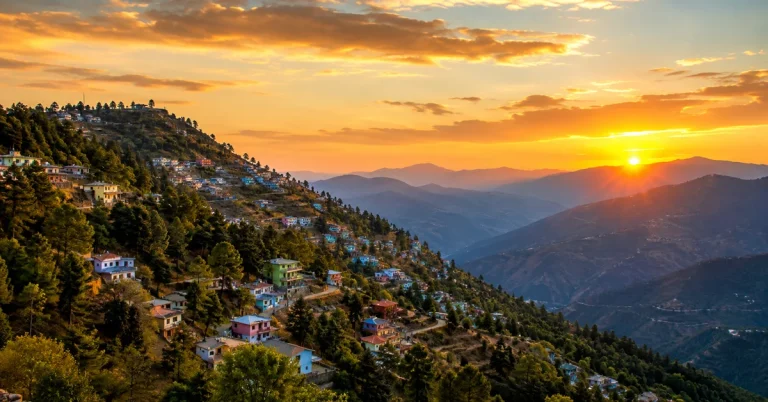
Located at approximately 1,500 meters, Dirang is a peaceful Himalayan town known for apple orchards, monasteries, hot water springs, and beautiful valleys.
Attraction Information
| Details | Information |
|---|---|
| Location | West Kameng District |
| Google Rating | Approximately 4.7/5 |
| Approximate Reviews | 10,000+ |
| Entry Fee | Free |
| Opening Hours | Open Throughout the Day |
| Recommended Visit Duration | Overnight Stay |
| Best Time | March–November |
| How to Reach | By Road from Guwahati or Tezpur |
| Approximate Transport Cost | Included in road journey |
| Practical Travel Tip | Spending a night in Dirang before heading to Tawang helps with gradual acclimatization and makes the drive over Sela Pass more comfortable. |
Why Visit?
Dirang is famous for:
- Peaceful atmosphere
- Traditional Monpa villages
- Apple orchards
- Scenic valleys
- Pleasant weather
It serves as an excellent stopover before ascending to Tawang.
Historical Significance
Dirang has long been an important settlement along traditional trade and travel routes connecting the eastern Himalayas. Its old stone houses and nearby monasteries reflect the region’s rich Monpa cultural heritage.
Photography Opportunities
- Dirang Valley
- Monasteries
- Apple Orchards
- Traditional Stone Houses
- Mountain Sunsets
Attraction 2: Sangti Valley
Located just a short drive from Dirang, Sangti Valley is one of Arunachal Pradesh’s hidden gems. The valley is known for its open meadows, flowing river, traditional villages, and spectacular Himalayan scenery.
Attraction Information
| Details | Information |
|---|---|
| Location | Near Dirang |
| Google Rating | Approximately 4.8/5 |
| Approximate Reviews | 6,000+ |
| Entry Fee | Free |
| Opening Hours | Open Throughout the Day |
| Recommended Visit Duration | 1–2 Hours |
| Best Time | October–April (Black-necked cranes are occasionally seen in winter months, depending on seasonal migration) |
| How to Reach | Short Drive from Dirang |
| Approximate Transport Cost | ₹300–600 |
| Practical Travel Tip | Visit early in the morning for soft light, fewer visitors, and better chances of enjoying the peaceful surroundings. Respect wildlife viewing guidelines if migratory birds are present. |
Why Visit?
Sangti Valley offers:
- Beautiful river views
- Traditional villages
- Mountain landscapes
- Birdwatching
- Peaceful atmosphere
It is the perfect place to relax before beginning the higher-altitude section of the journey.
Photography Opportunities
- Sangti River
- Green Meadows
- Himalayan Mountains
- Traditional Wooden Houses
- Sunrise Views
Day 2 – Dirang to Tawang via Sela Pass
The second day is one of the highlights of your Tawang trip. The drive from Dirang to Tawang passes through snow-covered mountains, glacial lakes, waterfalls, and one of the highest motorable mountain passes in India. Although the distance is not very long, the winding roads and multiple sightseeing stops make this a full-day journey.
Day Overview
| Details | Information |
|---|---|
| Total Distance | Approximately 140 km |
| Travel Time | 6–7 Hours |
| Transportation | Private Car, Shared Taxi |
| Estimated Transport Cost | ₹1,200–2,500 |
| Approximate Daily Budget | ₹3,500–6,000 |
| Suggested Hotel Area | Tawang Town |
| Suggested Restaurants | Dragon Restaurant, Dharma Coffee House, Orange Restaurant |
Morning
- Depart from Dirang after breakfast.
- Cross Sela Pass.
- Visit Sela Lake.
Afternoon
- Stop at Jaswant Garh War Memorial.
- Visit Nuranang Waterfall.
Evening
- Arrive in Tawang.
- Check into your hotel.
- Relax and acclimatize.
Attraction 3: Sela Pass
Situated at an altitude of approximately 4,170 meters (13,700 feet), Sela Pass is one of India’s most spectacular mountain passes. Surrounded by snow-covered peaks for much of the year, it connects Tawang with the rest of Arunachal Pradesh.
The pass is famous for its breathtaking scenery and the beautiful Sela Lake, which often remains partially frozen during winter.
Attraction Information
| Details | Information |
|---|---|
| Location | Between Dirang and Tawang |
| Google Rating | Approximately 4.8/5 |
| Approximate Reviews | 27,000+ |
| Entry Fee | Free |
| Opening & Closing Timings | Open throughout the day (subject to weather and road conditions) |
| Recommended Visit Duration | 45–60 Minutes |
| Best Time to Visit | March–June & September–November |
| How to Reach | By Road |
| Approximate Transport Cost | Included in road journey |
| Practical Travel Tip | Stay hydrated, avoid running or climbing unnecessarily, and spend only a moderate amount of time at the pass if you experience symptoms of altitude sickness. Weather can change rapidly, so carry warm clothing even during summer. |
Why Visit?
Sela Pass is renowned for:
- Snow-covered landscapes
- Crystal-clear Sela Lake
- Himalayan mountain views
- Dramatic road journey
- High-altitude photography
It is considered one of the most scenic mountain passes in Northeast India.
Historical Significance
The pass holds strategic importance because it connects the border district of Tawang with the rest of Arunachal Pradesh. It also played an important role during the 1962 Indo-China War.
Ideal Travelers
- Road trip enthusiasts
- Families
- Couples
- Adventure travelers
- Photographers
Approximate Budget
| Expense | Approximate Cost |
|---|---|
| Entry | Free |
| Tea & Snacks | ₹150–300 |
Photography Opportunities
- Sela Lake
- Snow-covered Mountains
- Prayer Flags
- Mountain Roads
- Frozen Landscapes (Winter)
Pros
- Outstanding scenery
- Easy roadside access
- Iconic mountain pass
- Excellent photography
Cons
- Cold weather throughout the year
- High altitude may affect some visitors
- Temporary closures possible during heavy snowfall
Attraction 4: Jaswant Garh War Memorial
Located on the route to Tawang, the Jaswant Garh War Memorial honors Rifleman Jaswant Singh Rawat, who displayed extraordinary courage during the 1962 Indo-China War.
Maintained by the Indian Army, the memorial is one of the most respected military landmarks in Arunachal Pradesh.
Attraction Information
| Details | Information |
|---|---|
| Location | Near Sela Pass |
| Google Rating | Approximately 4.8/5 |
| Approximate Reviews | 13,000+ |
| Entry Fee | Free |
| Opening & Closing Timings | Generally 6:00 AM–6:00 PM |
| Recommended Visit Duration | 30–45 Minutes |
| Best Time to Visit | Throughout the Year |
| How to Reach | By Road |
| Approximate Transport Cost | Included in road journey |
| Practical Travel Tip | Maintain silence and respect while visiting. Photography is generally permitted in designated areas, but always follow instructions displayed at the memorial. |
Why Visit?
Visitors come here to:
- Learn about the 1962 Indo-China War
- Pay tribute to Indian soldiers
- View military exhibits
- Enjoy mountain scenery
The memorial combines history, patriotism, and breathtaking Himalayan surroundings.
Historical Significance
Rifleman Jaswant Singh Rawat of the 4 Garhwal Rifles is remembered for his exceptional bravery during the Battle of Nuranang in 1962. His story has become part of Indian military history and continues to inspire visitors.
Photography Opportunities
- Memorial Complex
- Mountain Backdrop
- Military Displays
- Prayer Area
Pros
- Rich historical importance
- Beautiful surroundings
- Well maintained
- Suitable for families
Cons
- Limited refreshment facilities nearby
Attraction 5: Nuranang Waterfall
Also known as Jang Waterfall, Nuranang Waterfall is one of the tallest and most beautiful waterfalls in Arunachal Pradesh. Cascading from a height of around 100 meters, it is surrounded by lush forests and dramatic mountain scenery.
Attraction Information
| Details | Information |
|---|---|
| Location | Jang, Near Tawang |
| Google Rating | Approximately 4.7/5 |
| Approximate Reviews | 14,000+ |
| Entry Fee | Around ₹20–50 (subject to local updates) |
| Opening & Closing Timings | Generally 8:00 AM–5:00 PM |
| Recommended Visit Duration | 45–60 Minutes |
| Best Time to Visit | March–November |
| How to Reach | By Road followed by a short walk |
| Approximate Transport Cost | Included in sightseeing |
| Practical Travel Tip | Wear comfortable shoes, as steps leading to the waterfall may become slippery during or after rainfall. |
Why Visit?
Highlights include:
- Massive waterfall
- Dense forests
- Fresh mountain air
- Beautiful viewpoints
- Excellent photography
The sound of the falling water combined with the surrounding greenery makes it one of the most relaxing stops on the Tawang route.
Historical Significance
The waterfall is closely associated with the nearby Battle of Nuranang, adding historical importance to its natural beauty.
Photography Opportunities
- Waterfall
- Wooden Bridges
- Forest Landscape
- Long Exposure Photography
Pros
- Easily accessible
- Beautiful natural setting
- Family-friendly attraction
Cons
- Steps may be slippery
- Can become crowded during peak season
Day 3 – Exploring Tawang
After reaching Tawang and acclimatizing, dedicate the third day to discovering the town’s spiritual and cultural heart.
Day Overview
| Details | Information |
|---|---|
| Total Distance | Approximately 20 km |
| Travel Time | 1–2 Hours |
| Transportation | Taxi, Walking |
| Estimated Transport Cost | ₹500–1,000 |
| Approximate Daily Budget | ₹3,000–5,000 |
| Suggested Hotel Area | Tawang Town |
| Suggested Restaurants | Dragon Restaurant, Woodland Restaurant, Local Monpa Cafés |
Morning
- Visit Tawang Monastery.
Afternoon
- Explore nearby viewpoints.
- Visit local cafés.
Evening
- Walk through Tawang Market.
- Enjoy local cuisine.
Attraction 6: Tawang Monastery
Founded in 1680–1681, Tawang Monastery is the largest monastery in India and the second-largest Buddhist monastery in the world outside Tibet. Perched on a hill overlooking Tawang town, it is one of the most important spiritual centers of Mahayana Buddhism.
Attraction Information
| Details | Information |
|---|---|
| Location | Tawang Town |
| Google Rating | Approximately 4.8/5 |
| Approximate Reviews | 34,000+ |
| Entry Fee | Free |
| Opening & Closing Timings | Generally 7:00 AM–5:00 PM |
| Recommended Visit Duration | 2–3 Hours |
| Best Time to Visit | Morning |
| How to Reach | Taxi or Walking from Tawang Town |
| Approximate Transport Cost | ₹100–300 |
| Practical Travel Tip | Dress modestly, maintain silence inside prayer halls, and avoid flash photography where prohibited. If monks are conducting prayers, observe respectfully without causing disturbance. |
Why Visit?
The monastery is famous for:
- Massive prayer hall
- Giant Buddha statue
- Ancient scriptures
- Beautiful murals
- Panoramic mountain views
- Peaceful atmosphere
Visitors can also explore the monastery museum, library, and residential quarters for monks.
Historical Significance
Tawang Monastery has played a vital role in preserving Tibetan Buddhist traditions for more than three centuries. It is closely associated with the Gelug school of Buddhism and remains one of the most significant religious institutions in the eastern Himalayas.
Ideal Travelers
- Families
- Couples
- Solo travelers
- Spiritual seekers
- Photographers
- History enthusiasts
Approximate Budget
| Expense | Approximate Cost |
|---|---|
| Entry | Free |
| Donation | Optional |
| Tea & Snacks | ₹150–300 |
Photography Opportunities
- Monastery Courtyard
- Giant Buddha Statue
- Prayer Flags
- Mountain Views
- Traditional Architecture
Pros
- Largest monastery in India
- Rich Buddhist heritage
- Stunning architecture
- Excellent panoramic views
Cons
- Can become busy during festivals and holidays
- Certain areas may restrict photography
Day 4 – Bum La Pass, Madhuri Lake & P.T. Tso Lake
The fourth day is often considered the highlight of a Tawang trip. It takes you close to the India–China border, through dramatic mountain landscapes, glacial lakes, and military checkpoints. Since these attractions are located in a sensitive border region, visitors require a special Bum La Pass permit in addition to the Inner Line Permit (ILP).
Travel Note: Bum La Pass is subject to weather, security conditions, and military regulations. Obtain the required permit from the Deputy Commissioner’s office in Tawang and have it endorsed by the Indian Army as per the latest local procedure before planning your visit.
Day Overview
| Details | Information |
|---|---|
| Total Distance | Approximately 90 km (Round Trip) |
| Travel Time | 6–7 Hours |
| Transportation | Local Taxi or Approved Vehicle |
| Estimated Transport Cost | ₹4,500–7,000 per vehicle (shared costs reduce individual expenses) |
| Approximate Daily Budget | ₹3,500–6,500 per person |
| Suggested Hotel Area | Tawang Town |
| Suggested Restaurants | Local Cafés after returning to Tawang |
Morning
- Depart early for Bum La Pass.
- Stop at P.T. Tso Lake.
Afternoon
- Visit Bum La Pass.
- Continue to Madhuri Lake.
Evening
- Return to Tawang.
- Relax after a full day of sightseeing.
Attraction 7: Bum La Pass
Located at an altitude of approximately 4,633 meters (15,200 feet), Bum La Pass is one of the highest accessible mountain passes in India and lies close to the India–China border. The route passes through spectacular Himalayan terrain and offers a unique opportunity to witness one of India’s most strategically important border regions.
Attraction Information
| Details | Information |
|---|---|
| Location | Indo–China Border, Near Tawang |
| Google Rating | Approximately 4.9/5 |
| Approximate Reviews | 20,000+ |
| Entry Fee | No entry fee (Special Permit Required) |
| Opening & Closing Timings | Subject to Army regulations and weather |
| Recommended Visit Duration | 45–60 Minutes |
| Best Time to Visit | April–June & September–October |
| How to Reach | Approved Local Taxi |
| Approximate Transport Cost | Included in sightseeing vehicle charges |
| Practical Travel Tip | Carry multiple copies of your permits and government-issued ID. Mobile connectivity is extremely limited, and weather conditions can change quickly. |
Why Visit?
Bum La Pass is famous for:
- India–China border viewpoint
- Snow-covered mountains
- High-altitude landscapes
- Military significance
- Adventure road journey
The drive itself is one of the most exciting experiences in Arunachal Pradesh.
Historical Significance
Bum La Pass played an important role during the 1962 Indo-China War and continues to be a strategically significant military location. Controlled tourist access allows visitors to appreciate both its historical importance and breathtaking natural beauty.
Ideal Travelers
- Adventure enthusiasts
- Road-trip lovers
- History buffs
- Photographers
Approximate Budget
| Expense | Approximate Cost |
|---|---|
| Permit | Included in administrative process (subject to current regulations) |
| Taxi (Shared Basis) | ₹1,200–2,000 per person |
| Snacks | ₹200–400 |
Photography Opportunities
- Border Landscape
- Snow-covered Peaks
- Mountain Roads
- Prayer Flags
- High-altitude Terrain
Pros
- Unique border experience
- Outstanding scenery
- Adventure drive
- Historical importance
Cons
- Permit required
- High altitude
- Subject to weather closures
Attraction 8: P.T. Tso Lake
P.T. Tso (also known as Pankang Teng Tso) is a serene high-altitude lake located on the way to Bum La Pass. Its crystal-clear water reflects the surrounding mountains, creating spectacular views throughout the year.
Attraction Information
| Details | Information |
|---|---|
| Location | Bum La Road |
| Google Rating | Approximately 4.8/5 |
| Approximate Reviews | 5,000+ |
| Entry Fee | Free |
| Opening & Closing Timings | Daylight Hours |
| Recommended Visit Duration | 20–30 Minutes |
| Best Time to Visit | April–October |
| How to Reach | By Road |
| Approximate Transport Cost | Included in sightseeing vehicle |
| Practical Travel Tip | Temperatures are low even in summer. Wear warm layers and avoid venturing onto frozen sections of the lake during winter. |
Why Visit?
P.T. Tso is known for:
- Crystal-clear waters
- Peaceful surroundings
- Snow-covered mountains
- Excellent roadside photography
Its tranquil setting provides a refreshing stop before continuing towards Bum La.
Photography Opportunities
- Lake Reflections
- Himalayan Peaks
- Prayer Flags
- Snow Landscapes
Pros
- Beautiful scenery
- Easy roadside stop
- Peaceful atmosphere
Cons
- Limited facilities
- Weather-dependent visibility
Attraction 9: Madhuri Lake (Sangestar Tso)
Madhuri Lake, officially known as Sangestar Tso, became famous after appearing in the Bollywood film Koyla. Formed after an earthquake altered the landscape, the lake is surrounded by snow-capped mountains and features partially submerged tree trunks that create a distinctive and photogenic setting.
Attraction Information
| Details | Information |
|---|---|
| Location | Approximately 35 km from Tawang |
| Google Rating | Approximately 4.8/5 |
| Approximate Reviews | 19,000+ |
| Entry Fee | Around ₹20–50 (subject to local updates) |
| Opening & Closing Timings | Generally 8:00 AM–4:00 PM |
| Recommended Visit Duration | 1–1.5 Hours |
| Best Time to Visit | April–October |
| How to Reach | By Road (Permit Route) |
| Approximate Transport Cost | Included in local sightseeing vehicle |
| Practical Travel Tip | Carry warm clothing and waterproof footwear if visiting early in the season. The weather around the lake can change rapidly. |
Why Visit?
Madhuri Lake is famous for:
- Crystal-clear alpine waters
- Submerged tree trunks
- Snow-covered mountains
- Peaceful environment
- Film shooting location
It is widely regarded as one of the most picturesque lakes in Arunachal Pradesh.
Historical Significance
The lake was formed naturally after an earthquake transformed the surrounding valley. Over time, it has become one of Tawang’s most visited attractions because of both its natural beauty and cinematic fame.
Ideal Travelers
- Families
- Couples
- Photographers
- Nature lovers
Approximate Budget
| Expense | Approximate Cost |
|---|---|
| Entry | ₹20–50 |
| Tea & Snacks | ₹150–300 |
Photography Opportunities
- Reflections in the lake
- Dead tree trunks
- Mountain backdrop
- Snowfields
- Wildlife (seasonal)
Pros
- Stunning scenery
- Easy accessibility
- Family-friendly
- Excellent photography
Cons
- Can become crowded during peak season
- Cold weather throughout the year
Day 5 – Tawang War Memorial & Local Sightseeing
After the high-altitude excursion, spend a more relaxed day exploring Tawang’s cultural landmarks and local markets.
Day Overview
| Details | Information |
|---|---|
| Total Distance | Approximately 15 km |
| Travel Time | 1–2 Hours |
| Transportation | Taxi or Walking |
| Estimated Transport Cost | ₹300–800 |
| Approximate Daily Budget | ₹2,500–4,500 |
| Suggested Hotel Area | Tawang Town |
| Suggested Restaurants | Local Monpa Restaurants, Cafés |
Attraction 10: Tawang War Memorial
The Tawang War Memorial commemorates the brave Indian soldiers who lost their lives during the 1962 Indo-China War. Built against a dramatic Himalayan backdrop, the memorial is both a place of remembrance and an important historical landmark.
Attraction Information
| Details | Information |
|---|---|
| Location | Tawang Town |
| Google Rating | Approximately 4.8/5 |
| Approximate Reviews | 16,000+ |
| Entry Fee | Free |
| Opening & Closing Timings | Generally 9:00 AM–5:00 PM |
| Recommended Visit Duration | 45–60 Minutes |
| Best Time to Visit | Morning or Evening |
| How to Reach | Taxi or Walking |
| Approximate Transport Cost | ₹100–300 |
| Practical Travel Tip | If your schedule permits, attend the evening light-and-sound presentation (subject to operational schedule), which provides insight into the history of the 1962 conflict. |
Why Visit?
Highlights include:
- Military museum
- Memorial structure
- Himalayan views
- Historical exhibits
- Patriotic atmosphere
The site offers visitors an opportunity to learn about the sacrifices made by Indian soldiers while enjoying panoramic views of the surrounding mountains.
Historical Significance
The memorial honors the soldiers who defended India’s northeastern frontier during the 1962 conflict and preserves their stories through exhibits, photographs, and commemorative displays.
Photography Opportunities
- Memorial Architecture
- Mountain Views
- Prayer Flags
- Sunset Photography
Pros
- Rich historical value
- Well maintained
- Educational experience
- Scenic location
Cons
- Limited time required unless attending the evening presentation
Attraction 11: Tawang Local Market
No Tawang itinerary is complete without exploring the town’s lively local market, where visitors can experience Monpa culture through handicrafts, clothing, and regional food.
Attraction Information
| Details | Information |
|---|---|
| Location | Tawang Town Centre |
| Google Rating | Approximately 4.5/5 |
| Approximate Reviews | 4,000+ |
| Entry Fee | Free |
| Opening & Closing Timings | Approximately 9:00 AM–8:00 PM |
| Recommended Visit Duration | 1–2 Hours |
| Best Time to Visit | Evening |
| How to Reach | Walking from most hotels in Tawang |
| Approximate Transport Cost | Minimal |
| Practical Travel Tip | Carry cash for smaller shops, as digital payment connectivity may occasionally be unreliable. Support local artisans by purchasing authentic handmade products. |
Why Visit?
The market is ideal for:
- Local handicrafts
- Woollen clothing
- Prayer flags
- Traditional souvenirs
- Regional snacks
- Tibetan-style artifacts
It’s also a great place to interact with local residents and experience the town’s relaxed atmosphere.
Photography Opportunities
- Colorful Shops
- Traditional Crafts
- Local Street Scenes
- Evening Market Lights
Pros
- Authentic shopping experience
- Local products
- Affordable souvenirs
- Walkable location
Cons
- Limited bargaining opportunities
- Some shops close early during winter
Recommended Hotels in Tawang
Tawang offers a good mix of hotels, guesthouses, and homestays. While the town does not have large international hotel chains, it provides comfortable accommodation with warm hospitality and stunning mountain views. Booking your stay in advance is highly recommended during the peak tourist seasons from March to June and September to November.
Budget Hotels (₹1,200–2,500 per Night)
| Area | Approximate Price |
|---|---|
| Tawang Town | ₹1,200–2,500 |
| Near Monastery | ₹1,500–2,500 |
| Local Homestays | ₹1,200–2,000 |
| Dirang (Stopover) | ₹1,200–2,500 |
Best For
- Backpackers
- Solo travelers
- Students
- Budget-conscious couples
Budget accommodations generally provide clean rooms, hot water (seasonal), Wi-Fi where available, and simple home-style meals.
Mid-Range Hotels (₹2,500–5,500 per Night)
| Area | Approximate Price |
|---|---|
| Tawang Town Centre | ₹3,000–5,500 |
| Monastery View Hotels | ₹3,500–5,500 |
| Dirang | ₹2,500–4,500 |
Best For
- Families
- Couples
- Small groups
Most mid-range hotels include attached bathrooms, room heating (seasonal), restaurant facilities, parking, and mountain-view rooms.
Premium Hotels (₹5,500–10,000+ per Night)
| Area | Approximate Price |
|---|---|
| Premium Mountain View Hotels | ₹6,000–10,000+ |
| Boutique Resorts | ₹5,500–9,000 |
| Luxury Homestays | ₹5,000–8,000 |
Best For
- Honeymooners
- Luxury travelers
- Photography enthusiasts
Premium properties usually offer spacious rooms, panoramic Himalayan views, premium dining, and personalized hospitality.
Must-Try Local Food
Tawang’s cuisine is influenced by Monpa and Tibetan traditions. Most dishes are warm, nourishing, and well suited to the cold climate.
Popular dishes include:
- Momos
- Thukpa
- Zan
- Gyapa Khazi
- Tingmo
- Thenthuk
- Butter Tea
- Yak Cheese
- Local Noodle Dishes
- Traditional Monpa Stew
Many restaurants also serve North Indian, Chinese, and basic continental meals.
Vegetarian Options
Vegetarian travelers have plenty of choices in Tawang.
Popular vegetarian dishes include:
- Vegetable Momos
- Veg Thukpa
- Fried Rice
- Vegetable Noodles
- Dal Rice
- Mixed Vegetable Curry
- Paneer Curry
- Tibetan Bread
- Potato Dishes
- Seasonal Vegetable Soups
Most hotels are happy to prepare simple vegetarian meals on request.
Shopping Guide
Shopping in Tawang is best experienced through local handicrafts and traditional Himalayan products.
What to Buy
- Prayer Flags
- Prayer Wheels
- Handmade Carpets
- Woollen Shawls
- Monpa Handicrafts
- Wooden Masks
- Yak Wool Products
- Buddhist Statues
- Handmade Jewellery
- Local Herbal Tea
Best Shopping Areas
| Location | Famous For |
|---|---|
| Tawang Market | Handicrafts & Souvenirs |
| Monastery Shops | Buddhist Items |
| Local Craft Stores | Handmade Woollens |
| Government Emporiums | Authentic Local Products |
Bargaining Tips
- Bargaining is limited.
- Handmade products usually have fixed prices.
- Purchasing directly from local artisans helps support the local economy.
Hidden Gems
Besides the popular attractions, Tawang has several lesser-known places worth exploring.
Gorsam Chorten
Located near Zemithang, this impressive Buddhist stupa is one of the largest in Arunachal Pradesh and attracts pilgrims and history enthusiasts alike.
Taktsang Gompa
Built into a cliffside, Taktsang Gompa offers a peaceful atmosphere, stunning views, and a rewarding short trek.
Lumla
A picturesque mountain town known for beautiful valleys, monasteries, and quiet surroundings away from the main tourist route.
Zemithang Valley
Located close to the Bhutan border, Zemithang is known for its pristine landscapes, cultural heritage, and historical significance associated with the Dalai Lama’s journey into India.
Money-Saving Tips
Tawang can be explored comfortably on a moderate budget with proper planning.
- Share taxis with other travelers.
- Stay in homestays instead of premium hotels.
- Carry sufficient cash before entering remote areas.
- Book accommodation in advance during peak season.
- Eat at local family-run restaurants.
- Combine nearby attractions into the same sightseeing day.
- Travel during spring or autumn for comfortable weather and fewer crowds.
- Keep buffer time in your itinerary to avoid expensive last-minute changes caused by weather.
Packing Checklist
Clothing
- Heavy jacket
- Thermal wear
- Woollen sweaters
- Waterproof jacket
- Gloves
- Woollen cap
- Warm socks
- Comfortable trekking shoes
- Sunglasses
Essentials
- Inner Line Permit (ILP)
- Government-issued Photo ID
- Mobile Charger
- Power Bank
- Camera
- Cash
- Torch
- Water Bottle
- Sunscreen
- Lip Balm
- Moisturizer
Medical Kit
Carry:
- Personal medicines
- Motion sickness tablets
- Medicines for altitude-related discomfort (after consulting a doctor)
- ORS
- Bandages
- Antiseptic Cream
- Pain Relievers
- Cold and Fever Medicines
Photography Tips
Tawang offers countless photography opportunities throughout the journey.
Best Sunrise Photography
- Tawang Monastery
- Dirang
- Sangti Valley
- Bum La Road
Best Sunset Photography
- Tawang War Memorial
- Tawang Town Viewpoints
- Sela Pass (weather permitting)
Best Landscape Photography
- Sela Pass
- Madhuri Lake
- Bum La Road
- Sangti Valley
- Nuranang Waterfall
Photography Advice
- Carry spare batteries because cold weather drains batteries quickly.
- Use a tripod for sunrise and low-light photography.
- Keep camera equipment protected from moisture and snow.
- Ask permission before photographing monks, military installations, or local residents.
- Respect photography restrictions near sensitive border areas.
Common Tourist Mistakes
Ignoring Altitude Acclimatization
Travelers who drive directly to Tawang without stopping in Dirang or Bomdila are more likely to experience altitude-related discomfort. Spending a night at a lower elevation makes the journey much easier.
Forgetting Required Permits
Always carry printed and digital copies of your Inner Line Permit (ILP). For Bum La Pass, obtain the additional local permission required before planning your visit.
Underestimating Mountain Weather
Weather conditions can change quickly. Even during summer, snow or freezing winds are possible at Sela Pass and Bum La.
Driving After Dark
Mountain roads often have sharp bends, fog, and limited lighting. Plan to reach your destination before sunset whenever possible.
Carrying Too Little Cash
Digital payments may not always work because of network interruptions. Carry enough cash for meals, transport, fuel, and emergencies.
Local Etiquette
Respecting local customs enriches your travel experience.
- Remove shoes before entering monasteries.
- Dress modestly while visiting religious sites.
- Maintain silence during prayers.
- Do not touch religious artifacts unless permitted.
- Respect army regulations near border areas.
- Avoid littering and help preserve the fragile mountain environment.
- Support local businesses by buying authentic handmade products.
Safety Advice
Tawang is generally a safe destination, but mountain travel requires preparation.
- Stay hydrated at high altitude.
- Avoid excessive physical activity on your first day in Tawang.
- Monitor yourself for symptoms of altitude sickness, such as headache, dizziness, or nausea.
- Follow Army instructions at Bum La Pass and other sensitive locations.
- Keep emergency contact numbers saved offline.
- Check weather forecasts before traveling to high mountain passes.
- Drive cautiously and watch for landslides, especially during the monsoon.
Important Travel Tips
- Start each day’s sightseeing early to avoid afternoon weather changes.
- Download offline maps before entering Arunachal Pradesh.
- Keep extra photocopies of permits and identification.
- Carry snacks and drinking water during long drives.
- Refuel whenever you find a petrol station, as fuel stations are limited in remote areas.
- Plan flexible travel days because weather or security restrictions can occasionally affect sightseeing.
- Respect local culture, monasteries, and military regulations throughout your journey.
Frequently Asked Questions
Is 6 days enough for a Tawang trip?
Yes. A 6-day Tawang trip is ideal for most first-time visitors. It allows enough time to explore Dirang, Sangti Valley, Sela Pass, Tawang Monastery, Jaswant Garh War Memorial, Nuranang Waterfall, Madhuri Lake, Bum La Pass (subject to permits and weather), P.T. Tso Lake, and the local markets. If you also wish to visit Zemithang, Gorsam Chorten, or Taktsang Gompa at a relaxed pace, consider extending your itinerary to 7–8 days.
What is the best time to visit Tawang?
The best seasons are:
- March to June: Pleasant weather, blooming landscapes, and excellent road conditions.
- September to November: Clear skies, comfortable temperatures, and ideal photography conditions.
- December to February: Perfect for snow lovers, though heavy snowfall may temporarily affect access to Sela Pass and Bum La Pass.
- July to August: The monsoon season can bring landslides and occasional road disruptions on the approach to Tawang.
Is an Inner Line Permit (ILP) required for Tawang?
Yes. Indian citizens must obtain an Inner Line Permit (ILP) before entering Arunachal Pradesh. The permit can be applied for online or through designated government offices.
To visit Bum La Pass, an additional local permit is required. This is typically arranged in Tawang after obtaining approval from the relevant local authorities and the Indian Army, subject to current regulations.
How much does a Tawang trip cost?
A typical 6-day Tawang trip may cost approximately:
- Budget Traveler: ₹20,000–30,000 per person
- Mid-range Traveler: ₹30,000–45,000 per person
- Comfort/Luxury Traveler: ₹45,000–70,000+ per person
These estimates generally include accommodation, meals, local transportation, sightseeing, and shared vehicle costs, but exclude travel to your starting point (such as Guwahati or Tezpur).
Is Tawang safe for solo travelers and families?
Yes. Tawang is considered one of the safest tourist destinations in Northeast India. The local Monpa community is known for its hospitality, and the town has a peaceful atmosphere. The primary challenges involve mountain driving, changing weather, and high altitude rather than personal safety. Proper acclimatization, warm clothing, and cautious travel are recommended.
Which mobile network works best in Tawang?
Mobile connectivity is available but may be inconsistent.
- BSNL generally offers the widest coverage in remote areas.
- Airtel works in Tawang town and some nearby locations.
- Jio provides service in parts of Tawang, though signal strength varies.
Network availability is usually limited around Sela Pass, Bum La Pass, and other high-altitude areas. Download offline maps before your journey.
Can I visit Bum La Pass in my own vehicle?
In many cases, tourists are required to use approved local taxis for the Bum La circuit because of security regulations and road conditions. The exact rules can change over time, so confirm the latest requirements with local authorities or your hotel after reaching Tawang.
What are the must-visit attractions in Tawang?
If it’s your first visit, don’t miss:
- Tawang Monastery
- Sela Pass
- Bum La Pass
- Madhuri Lake (Sangestar Tso)
- Jaswant Garh War Memorial
- Nuranang Waterfall
- Tawang War Memorial
- P.T. Tso Lake
- Sangti Valley
- Dirang
These attractions showcase the region’s spiritual heritage, natural beauty, military history, and Himalayan landscapes.
Conclusion
A Tawang trip is far more than a mountain holiday—it’s an unforgettable journey through one of India’s most scenic and culturally rich Himalayan regions. From the peaceful valleys of Dirang and Sangti to the towering heights of Sela Pass and Bum La Pass, every stage of the journey offers breathtaking landscapes and memorable experiences.
The spiritual atmosphere of Tawang Monastery, the patriotic significance of Jaswant Garh and the Tawang War Memorial, the tranquil beauty of Madhuri Lake, and the dramatic mountain roads together create an itinerary that appeals to nature lovers, history enthusiasts, photographers, families, and adventure seekers alike.
A well-planned 6-day itinerary gives first-time visitors enough time to acclimatize, enjoy the major attractions, and experience the warmth of Monpa culture without rushing. If you have additional days, destinations such as Zemithang, Taktsang Gompa, and Gorsam Chorten make excellent additions to your journey.
By securing the necessary permits, checking road and weather conditions in advance, and packing appropriately for the Himalayan climate, you can enjoy a safe and rewarding trip. Whether you’re watching prayer flags flutter against snow-covered peaks, standing at the historic Bum La Pass, or admiring the sunrise over Tawang Monastery, this journey promises memories that will stay with you long after you return home.
Disclaimer
Travel costs, hotel tariffs, Inner Line Permit (ILP) procedures, Bum La Pass permit regulations, attraction entry fees, sightseeing timings, road conditions, transportation schedules, and weather patterns may change over time. Seasonal snowfall, landslides, military restrictions, and local administrative decisions can temporarily affect access to certain attractions. Before traveling, verify the latest information regarding permits, road accessibility, accommodation availability, weather forecasts, and sightseeing schedules. All prices mentioned in this guide are approximate and may vary depending on travel season, demand, and personal preferences.