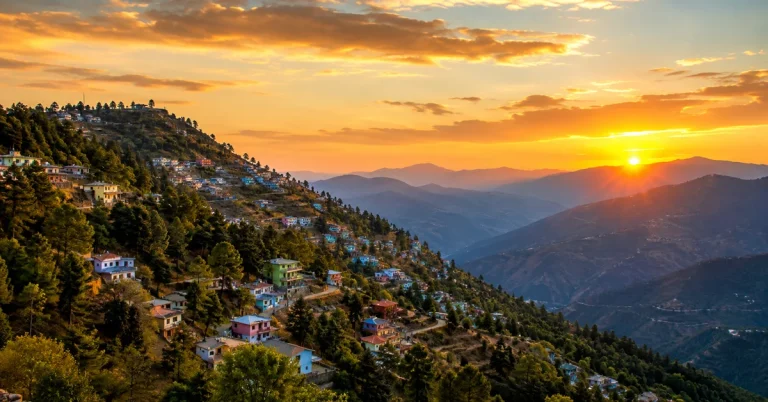
Pushkar Trip Guide: The Ultimate 3-Day Itinerary for Rajasthan’s Sacred Lake Town
Planning a Pushkar trip is an opportunity to experience one of Rajasthan’s most spiritual and culturally vibrant destinations. Situated around the sacred Pushkar Lake and surrounded by the Aravalli Hills, this charming town combines ancient temples, peaceful ghats, colorful markets, rooftop cafés, and desert adventures in a compact, walkable setting.
Pushkar is best known as the home of the Brahma Temple, one of the very few temples in the world dedicated to Lord Brahma. Every year, thousands of pilgrims visit its sacred ghats, while travelers from across the globe come to enjoy its relaxed atmosphere, traditional bazaars, camel safaris, yoga retreats, and the world-famous Pushkar Camel Fair.
Whether you’re interested in spirituality, heritage, photography, food, shopping, or simply slowing down for a few days, Pushkar offers a memorable experience that feels very different from Rajasthan’s larger cities.
This guide includes everything you need to plan your journey, including the best time to visit, travel costs, suggested itinerary, accommodation recommendations, transportation options, practical travel advice, and attraction-specific information.
Destination at a Glance
| Information | Details |
|---|---|
| Destination | Pushkar |
| State | Rajasthan |
| Ideal Trip Duration | 2–3 Days |
| Best Time to Visit | October–March |
| Currency | Indian Rupee (₹) |
| Language | Hindi, Rajasthani, English |
| Time Difference | Not Applicable |
| Visa Requirement | Not Applicable for Domestic Travelers |
| Suitable Travelers | Solo, Couples, Families, Groups, Pilgrims |
| Estimated Daily Budget | ₹2,000–6,500 per person |
Why Visit Pushkar?
Pushkar is one of India’s oldest continuously inhabited towns and one of Hinduism’s most sacred pilgrimage destinations. Unlike many religious towns, Pushkar also has a vibrant international backpacker culture, making it a fascinating blend of spirituality, history, and leisure.
Reasons to visit include:
- Sacred Pushkar Lake
- Brahma Temple
- Ancient ghats
- Desert safari
- Camel rides
- Pushkar Camel Fair
- Rooftop cafés
- Sunset viewpoints
- Colorful local markets
- Peaceful atmosphere
The town’s compact size makes it easy to explore on foot, allowing visitors to enjoy both major attractions and hidden lanes at a relaxed pace.
Best Time to Visit
Winter (October–March)
This is the ideal season for sightseeing, temple visits, shopping, and desert activities. The weather remains pleasant during the day, while evenings are cool.
Pushkar Camel Fair (October–November)
The annual Pushkar Camel Fair is the town’s biggest event, attracting traders, performers, photographers, and tourists from around the world. Accommodation prices rise significantly during this period, so advance booking is essential.
Summer (April–June)
Temperatures can exceed 40°C, making outdoor sightseeing uncomfortable during the afternoon.
Monsoon (July–September)
Occasional rainfall brings slightly cooler weather and fewer tourists, although winter remains the preferred season.
Weather
| Season | Temperature |
|---|---|
| Winter | 10°C–28°C |
| Summer | 28°C–42°C |
| Monsoon | 24°C–35°C |
Ideal Trip Duration
Most travelers can comfortably explore Pushkar in 2–3 days.
Suggested duration:
- 1 Day: Major temples and Pushkar Lake
- 2 Days: Temples, markets, ropeway, sunset
- 3 Days: Includes camel safari and nearby attractions
Visa Information
Indian citizens do not require any visa.
International visitors should travel according to India’s current visa regulations and ensure their travel documents remain valid throughout their stay.
How to Reach Pushkar
By Air
The nearest airport is Kishangarh Airport, while Jaipur International Airport offers the widest flight connectivity.
By Train
Pushkar has a small railway station with limited connectivity. Most travelers arrive via Ajmer Junction, approximately 15 km away, which is well connected to Delhi, Jaipur, Mumbai, Ahmedabad, and other major cities.
By Road
Pushkar enjoys excellent road connectivity from Jaipur, Ajmer, Jodhpur, Udaipur, Delhi, and other cities through state transport buses, private buses, taxis, and self-drive vehicles.
Nearest Airport
Kishangarh Airport
Approximate distance:
40 km
Taxi fare:
₹800–1,500
Alternative:
Jaipur International Airport
Approximate distance:
150 km
Currency
The local currency is the Indian Rupee (₹).
Most hotels, cafés, and larger shops accept digital payments, although cash is useful for shopping in local markets and paying small vendors.
Local SIM & Internet
Network coverage is generally good.
Major providers include:
- Jio
- Airtel
- Vi
- BSNL
Most hotels, hostels, cafés, and restaurants provide Wi-Fi access.
Safety Tips
Pushkar is considered one of Rajasthan’s safest tourist destinations.
For a comfortable trip:
- Stay hydrated, particularly during warmer months.
- Wear modest clothing while visiting temples and ghats.
- Be cautious of unsolicited “guide” or “priest” services around Pushkar Lake, and clarify any charges before participating in rituals.
- Carry sunscreen and sunglasses.
- Keep footwear secure when visiting temples.
Estimated Travel Budget
Solo Traveler
| Expense | Approximate Daily Cost |
|---|---|
| Hotel | ₹800–1,800 |
| Food | ₹600–900 |
| Local Transport | ₹300–700 |
| Sightseeing | ₹300–800 |
| Total | ₹2,000–4,200 |
Couple
| Expense | Approximate Daily Cost |
|---|---|
| Hotel | ₹2,000–4,000 |
| Food | ₹1,200–1,800 |
| Local Transport | ₹800–1,200 |
| Sightseeing | ₹600–1,200 |
| Total | ₹4,600–8,200 |
Family (4 Members)
| Expense | Approximate Daily Cost |
|---|---|
| Hotel | ₹4,000–7,000 |
| Food | ₹2,500–3,500 |
| Local Transport | ₹1,500–2,500 |
| Sightseeing | ₹1,200–2,000 |
| Total | ₹9,200–15,000 |
Group Travelers
Traveling with friends reduces transportation costs significantly.
Average daily budget:
₹2,000–4,500 per person
Day 1 – Discover the Spiritual Heart of Pushkar
Begin your journey by exploring the sacred lake and the town’s most important temple.
Day Overview
| Details | Information |
|---|---|
| Total Distance | Approximately 5–6 km |
| Travel Time | 15–20 Minutes (excluding sightseeing) |
| Transportation | Walking, Auto-rickshaw |
| Estimated Transport Cost | ₹200–400 |
| Approximate Daily Budget | ₹2,000–4,500 |
| Suggested Hotel Area | Near Pushkar Lake |
| Suggested Restaurants | The Sixth Sense Café, Out of the Blue Restaurant, Honey & Spice |
Morning
- Visit Pushkar Lake.
- Explore the surrounding ghats.
Afternoon
- Visit Brahma Temple.
- Explore nearby markets.
Evening
- Attend evening aarti at Pushkar Lake.
- Enjoy rooftop dining overlooking the town.
Attraction 1: Pushkar Lake
The sacred Pushkar Lake is the spiritual center of the town and one of Hinduism’s most revered pilgrimage sites. Surrounded by 52 bathing ghats and hundreds of temples, the lake attracts pilgrims throughout the year.
Attraction Information
| Details | Information |
|---|---|
| Location | Central Pushkar |
| Google Rating | Approximately 4.6/5 |
| Approximate Reviews | 34,000+ |
| Entry Fee | Free |
| Opening & Closing Timings | Open Throughout the Day |
| Recommended Visit Duration | 1–2 Hours |
| Best Time | Sunrise & Sunset |
| How to Reach | Walking |
| Approximate Transport Cost | Minimal |
| Practical Travel Tip | Dress modestly, remove footwear where required, and avoid feeding birds excessively. Politely decline unsolicited ritual services unless you understand the process and any associated costs. |
Why Visit?
Pushkar Lake is famous for:
- Sacred ghats
- Religious ceremonies
- Evening aarti
- Sunrise views
- Peaceful atmosphere
Historical Significance
According to Hindu tradition, the lake was created where a lotus flower dropped from the hands of Lord Brahma. For centuries, pilgrims have visited Pushkar Lake to perform rituals and take a holy dip, believing it brings spiritual merit.
What to Expect
Visitors can experience:
- Temple bells
- Religious rituals
- Traditional architecture
- Lakeside walks
- Beautiful reflections
Ideal Travelers
- Pilgrims
- Families
- Couples
- Solo travelers
- Photographers
Suggested Activities
- Walk around the ghats
- Photography
- Evening aarti
- Café visit
- Meditation
Budget Breakdown
| Expense | Approximate Cost |
|---|---|
| Entry | Free |
| Snacks | ₹200–400 |
| Donations | Voluntary |
Transportation
Most hotels in central Pushkar are within walking distance of the lake.
Accommodation Nearby
- Budget Hostels
- Boutique Hotels
- Heritage Havelis
- Lake-view Hotels
Local Food Nearby
- Malpua
- Kachori
- Falafel
- Lassi
- Traditional Rajasthani Thali
Vegetarian Options
Pushkar is a vegetarian town, and almost all restaurants serve vegetarian cuisine, including Indian, Italian, Israeli, Continental, and vegan options.
Shopping
Nearby markets sell:
- Silver jewellery
- Handmade clothing
- Incense
- Spiritual items
- Handcrafted souvenirs
Photography Opportunities
- Ghats
- Reflections
- Sunrise
- Evening aarti
- Temple skyline
Pros
- Free attraction
- Peaceful atmosphere
- Rich spiritual heritage
Cons
- Can be crowded during festivals
- Visitors should be cautious of unofficial ritual solicitation
Attraction 2: Brahma Temple
The Brahma Temple is Pushkar’s most famous landmark and one of the very few temples in the world dedicated to Lord Brahma, the creator in Hindu tradition. It is the town’s most important pilgrimage destination and attracts devotees throughout the year.
Attraction Information
| Details | Information |
|---|---|
| Location | Near Pushkar Lake |
| Google Rating | Approximately 4.7/5 |
| Approximate Reviews | 31,000+ |
| Entry Fee | Free |
| Opening & Closing Timings | Generally 6:00 AM–1:30 PM and 3:00 PM–9:00 PM (timings may vary during festivals and special religious occasions) |
| Recommended Visit Duration | 45–60 Minutes |
| Best Time | Early Morning |
| How to Reach | Walking |
| Approximate Transport Cost | Included in local sightseeing |
| Practical Travel Tip | Mobile phone and photography restrictions may apply inside the temple complex. Dress modestly and follow temple guidelines. |
Why Visit?
The temple is renowned for:
- Religious importance
- Ancient history
- Spiritual atmosphere
- Beautiful marble architecture
Historical Significance
Although the present structure has undergone several renovations over the centuries, the temple’s origins are associated with ancient Hindu traditions. It remains one of the most significant pilgrimage sites dedicated to Lord Brahma.
What to Expect
- Peaceful temple complex
- Marble flooring
- Pilgrims
- Religious ceremonies
- Traditional architecture
Photography Opportunities
Photography is generally limited to the exterior, as restrictions may apply within the temple premises.
Pros
- One of the world’s most significant Brahma temples
- Free entry
- Central location
Cons
- Large crowds during festivals and peak tourist season
- Photography restrictions inside the temple
Day 2 – Temples, Hills & Panoramic Views
The second day of your Pushkar trip combines spirituality, history, and breathtaking views. Begin the morning with a visit to Savitri Temple, perched on Ratnagiri Hill, continue with the convenient Pushkar Ropeway, and then explore two of the town’s oldest temples—Varaha Temple and Rangji Temple.
This itinerary balances sightseeing with enough free time to relax at lakeside cafés or browse the colorful bazaars in the evening.
Day Overview
| Details | Information |
|---|---|
| Total Distance | Approximately 8–10 km |
| Travel Time | 20–30 Minutes (excluding sightseeing) |
| Transportation | Walking, Auto-rickshaw, Ropeway |
| Estimated Transport Cost | ₹300–700 |
| Approximate Daily Budget | ₹2,500–5,000 |
| Suggested Hotel Area | Pushkar Lake Area |
| Suggested Restaurants | Honey & Spice, Laura’s Café, Little Italy |
Morning
- Visit Savitri Temple.
- Enjoy panoramic views of Pushkar.
Afternoon
- Explore Varaha Temple.
- Visit Rangji Temple.
Evening
- Café hopping.
- Explore local markets.
Attraction 3: Savitri Temple
Located atop Ratnagiri Hill, Savitri Temple is one of Pushkar’s most rewarding viewpoints. Dedicated to Goddess Savitri, the temple offers spectacular panoramic views of Pushkar Lake, the surrounding desert landscape, and the Aravalli Hills.
Visitors can either trek up the hill or take the ropeway for a quicker and more comfortable journey.
Attraction Information
| Details | Information |
|---|---|
| Location | Ratnagiri Hill, Pushkar |
| Google Rating | Approximately 4.6/5 |
| Approximate Reviews | 16,000+ |
| Entry Fee | Temple Entry Free |
| Opening & Closing Timings | Generally 5:00 AM–9:00 PM |
| Recommended Visit Duration | 1–1.5 Hours |
| Best Time | Sunrise or Sunset |
| How to Reach | Trek or Ropeway |
| Approximate Transport Cost | Ropeway charges applicable if used |
| Practical Travel Tip | Visit early in the morning for cooler temperatures and clearer views. Carry drinking water if trekking to the temple. |
Why Visit?
Savitri Temple is famous for:
- Hilltop location
- Sunrise views
- Spiritual significance
- Ropeway ride
- Photography
Historical Significance
According to Hindu mythology, Goddess Savitri came to this hill after a disagreement with Lord Brahma during a sacred yajna. The temple has since become an important pilgrimage site and one of Pushkar’s most recognizable landmarks.
What to Expect
Visitors can enjoy:
- Hilltop temple
- Desert views
- Peaceful surroundings
- Fresh mountain air
Ideal Travelers
- Families
- Couples
- Solo travelers
- Pilgrims
- Photographers
Suggested Activities
- Temple visit
- Sunrise photography
- Meditation
- Ropeway ride
Budget Breakdown
| Expense | Approximate Cost |
|---|---|
| Temple Entry | Free |
| Ropeway (Optional) | Approximately ₹150–250 (subject to revision) |
| Snacks | ₹150–300 |
Photography Opportunities
- Pushkar Lake
- Aravalli Hills
- Sunrise
- Desert landscape
Pros
- Spectacular viewpoint
- Religious importance
- Easy ropeway access
Cons
- Trek can be tiring during summer
- Crowded during sunrise and sunset
Attraction 4: Pushkar Ropeway
The Pushkar Ropeway provides one of the easiest and most scenic ways to reach Savitri Temple while enjoying panoramic aerial views of the town and surrounding hills.
Attraction Information
| Details | Information |
|---|---|
| Location | Base of Ratnagiri Hill |
| Google Rating | Approximately 4.5/5 |
| Approximate Reviews | 9,000+ |
| Entry Fee | Around ₹150–250 per person (subject to revision) |
| Operating Timings | Generally 9:30 AM–6:30 PM (may vary by season and weather) |
| Recommended Visit Duration | 30–45 Minutes |
| Best Time | Morning & Sunset |
| How to Reach | Auto-rickshaw, Walking |
| Approximate Transport Cost | ₹100–200 |
| Practical Travel Tip | During weekends and festivals, expect longer queues. Early morning or late afternoon usually offers shorter waiting times and better visibility. |
Why Visit?
The ropeway offers:
- Panoramic aerial views
- Quick access to Savitri Temple
- Comfortable ride
- Excellent photography
What to Expect
- Modern cable cars
- Desert scenery
- Hill views
- Pushkar Lake panorama
Photography Opportunities
- Ropeway cabins
- Lake
- Hills
- Townscape
Pros
- Saves climbing time
- Family-friendly
- Scenic journey
Cons
- Waiting time during peak season
- Weather-dependent operations
Attraction 5: Varaha Temple
The Varaha Temple is one of Pushkar’s oldest and most significant temples, dedicated to Lord Vishnu’s Varaha (boar) incarnation. It is among the most important religious sites after the Brahma Temple.
Attraction Information
| Details | Information |
|---|---|
| Location | Near Pushkar Lake |
| Google Rating | Approximately 4.5/5 |
| Approximate Reviews | 4,000+ |
| Entry Fee | Free |
| Opening & Closing Timings | Generally 6:00 AM–8:00 PM |
| Recommended Visit Duration | 30–45 Minutes |
| Best Time | Morning |
| How to Reach | Walking |
| Approximate Transport Cost | Minimal |
| Practical Travel Tip | Visit after the Brahma Temple as both are located close to each other. Dress modestly and respect temple customs. |
Why Visit?
The temple is famous for:
- Ancient architecture
- Religious importance
- Peaceful atmosphere
- Intricate carvings
Historical Significance
Originally built around the 12th century and restored over time, the temple honors Lord Varaha, believed to have rescued the Earth from the cosmic ocean according to Hindu mythology.
Suggested Activities
- Temple visit
- Spiritual exploration
- Photography (where permitted)
Pros
- Rich history
- Free entry
- Less crowded
Cons
- Limited parking nearby
Attraction 6: Rangji Temple
The Rangji Temple stands out from other temples in Pushkar due to its remarkable blend of South Indian, Rajput, and Mughal architectural styles. Dedicated to Lord Rangji (an incarnation of Lord Vishnu), it is one of the town’s most visually distinctive religious landmarks.
Attraction Information
| Details | Information |
|---|---|
| Location | Central Pushkar |
| Google Rating | Approximately 4.5/5 |
| Approximate Reviews | 6,000+ |
| Entry Fee | Free |
| Opening & Closing Timings | Generally 6:00 AM–7:00 PM |
| Recommended Visit Duration | 30–45 Minutes |
| Best Time | Morning or Evening |
| How to Reach | Walking |
| Approximate Transport Cost | Minimal |
| Practical Travel Tip | Photography restrictions may apply inside the temple complex. Visit during quieter hours to appreciate the architecture without large crowds. |
Why Visit?
Highlights include:
- South Indian gopuram
- Marble courtyard
- Religious significance
- Peaceful atmosphere
Historical Significance
Constructed in the 19th century, Rangji Temple reflects the influence of multiple architectural traditions, making it unique among Pushkar’s temples.
What to Expect
- Ornate gateways
- Spacious courtyard
- Traditional rituals
- Beautiful carvings
Ideal Travelers
- Architecture enthusiasts
- Pilgrims
- Families
- Photographers
Suggested Activities
- Temple visit
- Cultural exploration
- Photography (outside where permitted)
Photography Opportunities
- Temple exterior
- Gopuram
- Courtyard
- Decorative pillars
Pros
- Unique architecture
- Peaceful environment
- Free entry
Cons
- Photography restrictions inside
- Can be busy during festivals
Evening Recommendation
After completing the day’s sightseeing, spend your evening exploring the lively streets around Pushkar Lake.
Suggested activities:
- Enjoy traditional Rajasthani sweets.
- Watch local musicians perform.
- Browse handicraft shops.
- Relax at a rooftop café overlooking the lake.
- Experience the peaceful atmosphere after sunset.
Day 3 – Desert Adventures, Sunset & Shopping
The final day of your Pushkar trip is dedicated to experiencing the desert landscape surrounding the town. While Pushkar is primarily known for its spiritual significance, the nearby sand dunes and countryside offer exciting outdoor activities, including camel safaris, jeep safaris, and breathtaking sunset viewpoints. Finish your trip by exploring Pushkar’s colorful markets, where traditional Rajasthani handicrafts, textiles, and souvenirs make for memorable purchases.
Day Overview
| Details | Information |
|---|---|
| Total Distance | Approximately 20–35 km |
| Travel Time | 1–2 Hours |
| Transportation | Camel, Jeep, Taxi |
| Estimated Transport Cost | ₹800–2,500 |
| Approximate Daily Budget | ₹3,000–6,500 |
| Suggested Hotel Area | Near Pushkar Lake |
| Suggested Restaurants | Café Nature’s Blessing, Rainbow Restaurant, La Pizzeria |
Morning
- Camel Safari or Jeep Safari.
Afternoon
- Relax at a café.
- Visit local artisan shops.
Evening
- Sunset Point.
- Shopping in Pushkar Market.
Attraction 7: Pushkar Camel Safari
A camel safari is one of the most enjoyable ways to experience the countryside around Pushkar. Unlike the larger desert landscapes of Jaisalmer, Pushkar’s camel safaris pass through rolling sand dunes, rural villages, farmlands, and scenic desert trails, offering a peaceful introduction to Rajasthan’s rural life.
Attraction Information
| Details | Information |
|---|---|
| Location | Desert Area Around Pushkar |
| Google Rating | Approximately 4.7/5 (varies by operator) |
| Approximate Reviews | Based on individual tour operators |
| Entry Fee | Included in safari cost |
| Operating Timings | Morning & Evening |
| Recommended Duration | 1–2 Hours |
| Best Time | Sunrise or Sunset |
| How to Reach | Taxi or Included with Tour |
| Approximate Cost | ₹800–2,000 per person |
| Practical Travel Tip | Choose licensed operators with well-cared-for camels. Wear comfortable clothing, a hat, and closed shoes, and carry water for the ride. |
Why Visit?
Camel safaris offer:
- Traditional desert experience
- Village life
- Scenic landscapes
- Sunset photography
- Cultural interaction
What to Expect
Visitors can enjoy:
- Camel ride
- Rural scenery
- Small dunes
- Traditional villages
- Peaceful environment
Ideal Travelers
- Couples
- Families
- Solo travelers
- Photographers
Suggested Activities
- Camel riding
- Photography
- Village visit
- Desert walk
Budget Breakdown
| Expense | Approximate Cost |
|---|---|
| Camel Safari | ₹800–2,000 |
| Refreshments | ₹200–400 |
Photography Opportunities
- Camel silhouettes
- Desert landscape
- Rural Rajasthan
- Sunset
Pros
- Authentic experience
- Family-friendly
- Excellent photography
Cons
- Weather dependent
- Avoid midday rides during summer
Attraction 8: Pushkar Desert Safari
For travelers looking for a faster-paced adventure, the Pushkar Desert Safari by jeep provides an exciting way to explore the surrounding dunes and countryside.
Attraction Information
| Details | Information |
|---|---|
| Location | Desert Region Around Pushkar |
| Google Rating | Approximately 4.7/5 |
| Approximate Reviews | Based on individual operators |
| Entry Fee | Included in safari package |
| Operating Timings | Morning & Evening |
| Recommended Duration | 1–2 Hours |
| Best Time | October–March |
| How to Reach | Tour Pickup or Taxi |
| Approximate Cost | ₹1,500–3,500 per jeep |
| Practical Travel Tip | Confirm what is included in your package before booking. Some operators combine jeep safaris with camel rides, tea, or cultural performances. Seat belts should be used where available. |
Why Visit?
Highlights include:
- Off-road driving
- Desert landscapes
- Photography
- Village exploration
Suggested Activities
- Jeep Safari
- Sand Dune Photography
- Cultural Stops
Pros
- Exciting adventure
- Covers more distance
- Suitable for groups
Cons
- Dusty during dry weather
- Not as peaceful as camel safaris
Attraction 9: Sunset Point
One of Pushkar’s most peaceful attractions, Sunset Point offers panoramic views of Pushkar Lake, temples, the Aravalli Hills, and the surrounding desert. Watching the sun slowly disappear behind the hills is a memorable way to conclude your visit.
Attraction Information
| Details | Information |
|---|---|
| Location | Near Pushkar Lake |
| Google Rating | Approximately 4.6/5 |
| Approximate Reviews | 10,000+ |
| Entry Fee | Free |
| Opening & Closing Timings | Accessible Throughout the Day |
| Recommended Visit Duration | 45–60 Minutes |
| Best Time | Sunset |
| How to Reach | Walking, Auto-rickshaw |
| Approximate Transport Cost | ₹100–200 |
| Practical Travel Tip | Arrive at least 30–45 minutes before sunset to find a comfortable viewing spot. Carry a light jacket during winter evenings. |
Why Visit?
Sunset Point is popular for:
- Scenic views
- Peaceful atmosphere
- Photography
- Relaxation
What to Expect
- Golden skies
- Lake views
- Temple bells
- Desert panorama
Photography Opportunities
- Sunset
- Pushkar Lake
- Aravalli Hills
- Temple skyline
Pros
- Free attraction
- Beautiful scenery
- Family-friendly
Cons
- Crowded during weekends and festival season
Attraction 10: Pushkar Market
The lively Pushkar Market is one of Rajasthan’s most colorful shopping destinations. Narrow lanes filled with handicrafts, textiles, jewellery, and traditional souvenirs make it a favorite among domestic and international visitors.
Attraction Information
| Details | Information |
|---|---|
| Location | Around Pushkar Lake |
| Google Rating | Approximately 4.6/5 |
| Approximate Reviews | 18,000+ |
| Entry Fee | Free |
| Opening & Closing Timings | Generally 10:00 AM–9:00 PM |
| Recommended Visit Duration | 2 Hours |
| Best Time | Evening |
| How to Reach | Walking |
| Approximate Transport Cost | Minimal |
| Practical Travel Tip | Compare prices before purchasing, especially for textiles and jewellery. Bargaining is common in many local shops, but remain polite and respectful. |
Why Visit?
Pushkar Market is famous for:
- Handmade jewellery
- Colorful textiles
- Leather products
- Spiritual souvenirs
- Traditional Rajasthani crafts
What to Buy?
Popular purchases include:
- Silver jewellery
- Handmade bags
- Cotton clothing
- Tie-and-dye fabrics
- Incense
- Brass décor
- Handmade soaps
- Camel leather items
- Dream catchers
- Decorative wall hangings
Ideal Travelers
- Families
- Couples
- Solo travelers
- Shopping enthusiasts
Suggested Activities
- Souvenir shopping
- Café hopping
- Street photography
- Local snack tasting
Budget Breakdown
| Expense | Approximate Cost |
|---|---|
| Shopping | ₹500–10,000+ |
| Snacks | ₹200–500 |
Photography Opportunities
- Colorful shops
- Handicraft displays
- Local artists
- Evening market lights
Pros
- Excellent variety
- Authentic handicrafts
- Walkable market
Cons
- Prices vary between shops
- Busy during weekends and the Pushkar Camel Fair
Suggested Evening Experience
End your Pushkar trip by:
- Watching the sunset over Pushkar Lake.
- Enjoying a rooftop dinner with views of the illuminated temples.
- Walking through the vibrant evening market.
- Trying traditional Rajasthani desserts such as Malpua and Rabri.
- Experiencing the relaxed, spiritual atmosphere that makes Pushkar unique after dark.
Hidden Gems in Pushkar
Beyond the famous temples and Pushkar Lake, the town has several lesser-known attractions that reward travelers willing to explore beyond the main tourist circuit.
1. Pap Mochani Temple
Located on the outskirts of Pushkar, this peaceful temple is associated with Hindu mythology and is believed to be a place where devotees seek spiritual cleansing. The quiet surroundings make it ideal for meditation and photography.
2. Rose Farms
Pushkar is famous for its fragrant roses, which are used to produce rose water, gulkand, perfumes, and essential oils. During the flowering season, visiting a local rose farm offers a unique glimpse into one of the region’s traditional industries.
3. Pushkar Local Cafés
The town’s café culture has become one of its biggest attractions.
Popular options include:
- Rooftop cafés overlooking Pushkar Lake
- Organic cafés
- Vegan restaurants
- Israeli cafés
- Traditional Rajasthani eateries
Many cafés host live music during the tourist season.
4. Rural Village Walks
Several villages around Pushkar offer a chance to experience rural Rajasthan, traditional mud houses, local farming practices, and camel breeding.
Recommended Hotels
Budget Hotels (₹800–2,000)
| Hotel Type | Approximate Price |
|---|---|
| Backpacker Hostel | ₹800–1,200 |
| Budget Guesthouse | ₹1,000–1,500 |
| Budget Hotel | ₹1,500–2,000 |
Ideal for solo travelers and backpackers.
Mid-Range Hotels (₹2,000–5,000)
| Hotel Type | Approximate Price |
|---|---|
| Boutique Hotel | ₹2,000–3,500 |
| Heritage Haveli | ₹3,000–4,500 |
| Lake-view Hotel | ₹4,000–5,000 |
Suitable for couples and families seeking comfort and good amenities.
Luxury Hotels (₹5,000–15,000+)
| Hotel Type | Approximate Price |
|---|---|
| Luxury Resort | ₹5,000–8,000 |
| Heritage Palace Hotel | ₹8,000–12,000 |
| Premium Resort | ₹12,000–15,000+ |
Perfect for honeymooners and travelers seeking premium hospitality.
Must-Try Local Food
Pushkar is a vegetarian town, making it an excellent destination for food lovers who enjoy regional vegetarian cuisine.
Don’t miss:
- Dal Baati Churma
- Malpua
- Rabri
- Kachori
- Gatte Ki Sabzi
- Ker Sangri
- Bajra Roti
- Makhaniya Lassi
- Falafel
- Israeli Breakfast Platters
- Wood-fired Pizza
- Masala Chai
Vegetarian Options
Pushkar is among India’s best destinations for vegetarian dining.
Visitors will find:
- Traditional Rajasthani Thali
- Vegan cafés
- Organic restaurants
- Italian cuisine
- Israeli cuisine
- Continental breakfasts
- Fresh juices
- Smoothie bowls
- Gluten-free options at select cafés
Shopping Guide
What to Buy
Pushkar is known for its colorful handicrafts and spiritual souvenirs.
Popular items include:
- Silver Jewellery
- Handmade Leather Bags
- Cotton Clothing
- Tie-and-Dye Fabrics
- Block Print Textiles
- Incense
- Prayer Beads
- Handmade Soaps
- Rose Products
- Brass Décor
- Dream Catchers
- Wall Hangings
- Puppets
- Decorative Lamps
Best Shopping Areas
- Sadar Bazaar
- Pushkar Main Market
- Lake Market
- Temple Road Shops
Bargaining Tips
- Compare prices at multiple shops before purchasing expensive items.
- Bargaining is common in local markets but should remain polite and respectful.
- Handmade products generally justify slightly higher prices because of the craftsmanship involved.
Money-Saving Tips
A Pushkar trip can be surprisingly affordable with a little planning.
- Travel during weekdays to enjoy better hotel availability.
- Avoid peak Camel Fair dates if you’re looking for lower accommodation prices.
- Walk between attractions whenever possible, as the town is compact.
- Eat at local cafés rather than tourist-focused restaurants for better value.
- Share taxis with other travelers for nearby excursions.
- Purchase handicrafts after comparing prices at multiple shops.
- Book accommodation in advance during winter and festival periods.
Packing Checklist
Clothing
- Light cotton clothing
- Comfortable walking shoes
- Hat or cap
- Sunglasses
- Light jacket (winter evenings)
- Scarf or stole for temple visits
Essentials
- Government-issued ID
- Mobile charger
- Power bank
- Camera
- Sunscreen
- Lip balm
- Reusable water bottle
- Cash for small purchases
Medical Kit
Carry:
- Personal prescription medicines
- ORS packets
- Bandages
- Antiseptic cream
- Pain relievers
- Motion sickness tablets (if planning longer road trips)
Photography Tips
Pushkar is a dream destination for photographers.
For the best results:
- Visit Pushkar Lake during sunrise for calm reflections and soft light.
- Capture the evening aarti from a respectful distance.
- Head to Savitri Temple at sunrise or sunset for panoramic views.
- Explore the colorful bazaars during the golden hour.
- Use a wide-angle lens for temple architecture and lake scenes.
- Ask permission before photographing local residents, pilgrims, or religious ceremonies.
Common Tourist Mistakes
Avoid these common mistakes to make your trip smoother:
- Visiting temples without following dress guidelines.
- Paying for unsolicited rituals around Pushkar Lake without understanding the charges.
- Walking barefoot outside designated temple areas during hot afternoons.
- Underestimating the winter chill after sunset.
- Shopping without comparing prices.
- Not carrying cash for small local vendors.
Local Etiquette
Pushkar is a deeply religious town, and respecting local customs enhances the experience.
- Remove footwear before entering temples.
- Dress modestly while visiting religious sites.
- Maintain silence during prayers and ceremonies.
- Avoid consuming alcohol or non-vegetarian food within the sacred town limits, as local customs strongly discourage them.
- Dispose of waste responsibly and help keep the ghats clean.
- Ask permission before taking photographs of people.
Safety Advice
Pushkar is considered one of Rajasthan’s safest destinations, but basic precautions are still recommended.
- Stay hydrated, particularly during warmer months.
- Keep valuables secure in crowded markets.
- Be cautious of monkeys near temples, as they may grab food or loose items.
- Use licensed operators for camel rides and desert excursions.
- Carry a flashlight if walking in quieter areas after dark.
- Follow instructions from temple authorities during festivals and religious events.
Important Travel Tips
- Begin sightseeing early to avoid the afternoon heat.
- Attend the evening aarti at Pushkar Lake for a memorable cultural experience.
- Reserve accommodation well in advance during the Pushkar Camel Fair.
- Carry a reusable water bottle to stay hydrated throughout the day.
- Wear comfortable footwear, as many attractions are best explored on foot.
- Keep small denominations of cash for local transport, market purchases, and snacks.
Frequently Asked Questions
1. How many days are enough for a Pushkar trip?
A 2 to 3-day Pushkar trip is ideal for most travelers. Two days are enough to visit Pushkar Lake, Brahma Temple, Savitri Temple, the local markets, and enjoy the peaceful atmosphere. If you also want to experience a camel safari, desert activities, yoga sessions, and nearby attractions, a 3-day itinerary is recommended.
2. What is the best time to visit Pushkar?
The best time to visit Pushkar is October to March, when the weather remains pleasant for sightseeing, temple visits, shopping, and outdoor activities.
- October–November: Pleasant weather and the famous Pushkar Camel Fair.
- December–February: Cool mornings and evenings with comfortable daytime temperatures.
- March: Warm but still suitable for sightseeing.
Avoid visiting during April to June, as temperatures often exceed 40°C.
3. Is Pushkar suitable for family vacations?
Yes. Pushkar is a family-friendly destination with peaceful surroundings, spiritual attractions, cultural experiences, camel rides, and comfortable accommodation options. Families traveling with children should remain mindful around temple steps, crowded ghats, and monkeys near some religious sites.
4. Is Pushkar a vegetarian town?
Yes. Pushkar is regarded as a vegetarian and spiritually significant town. Most restaurants serve only vegetarian food, and alcohol is generally not available within the sacred town area due to local customs. Visitors should respect these traditions during their stay.
5. What are the must-visit attractions in Pushkar?
Some of the top attractions include:
- Pushkar Lake
- Brahma Temple
- Savitri Temple
- Pushkar Ropeway
- Varaha Temple
- Rangji Temple
- Pushkar Market
- Sunset Point
- Camel Safari
- Desert Safari
If you’re visiting during the Pushkar Camel Fair, make time for the cultural performances, livestock fair, folk music, and traditional competitions.
6. What is the approximate budget for a Pushkar trip?
Here is a rough estimate of daily expenses:
| Traveler Type | Daily Budget |
|---|---|
| Budget Traveler | ₹2,000–3,500 |
| Mid-range Traveler | ₹3,500–6,000 |
| Luxury Traveler | ₹6,000+ |
These estimates generally include accommodation, meals, local transport, and sightseeing but exclude travel to and from Pushkar.
7. Is Pushkar safe for solo travelers?
Yes. Pushkar is considered one of Rajasthan’s safer tourist destinations and is popular with solo travelers from India and abroad. Basic precautions such as safeguarding valuables, avoiding isolated areas late at night, and booking activities through reputable operators are advisable.
8. What should I buy from Pushkar?
Popular souvenirs include:
- Silver jewellery
- Rose products
- Handmade leather bags
- Tie-and-dye fabrics
- Incense
- Prayer beads
- Block-print textiles
- Handmade soaps
- Decorative wall hangings
- Brass handicrafts
Shopping from local artisans is a great way to support traditional craftsmanship while taking home authentic souvenirs.
Conclusion
A Pushkar trip offers a unique blend of spirituality, heritage, culture, and relaxation that sets it apart from many other destinations in Rajasthan. Whether you begin your day with the peaceful sunrise over Pushkar Lake, seek blessings at the Brahma Temple, admire panoramic views from Savitri Temple, or wander through the colorful streets filled with cafés and handicraft shops, every experience reflects the town’s timeless charm.
Beyond its sacred temples, Pushkar surprises visitors with its vibrant café culture, desert adventures, camel safaris, and welcoming atmosphere. The annual Pushkar Camel Fair adds another dimension to the town, bringing together traders, performers, photographers, and travelers from around the world for one of Rajasthan’s most celebrated cultural events.
A well-planned 2 to 3-day itinerary provides enough time to explore the major attractions, enjoy local cuisine, experience the surrounding desert landscape, and soak in the peaceful rhythm of everyday life around the ghats. Travelers who prefer a slower pace can easily extend their stay to enjoy yoga retreats, meditation sessions, and leisurely evenings by the lake.
Whether you’re traveling with family, friends, your partner, or on your own, Pushkar promises memorable experiences, warm hospitality, vibrant markets, and a spiritual atmosphere that lingers long after the journey ends.
Disclaimer
Travel costs, hotel tariffs, attraction entry fees, ropeway ticket prices, camel safari charges, transportation schedules, temple timings, and local regulations may change over time. Seasonal weather, festivals, and administrative decisions can affect accessibility, operating hours, and pricing. Before traveling, verify the latest information regarding accommodation, transportation, attraction timings, and activity availability. All prices mentioned in this guide are approximate and intended for travel planning purposes only.